Pea Gravel Over Concrete Patio: Step-By-Step Guide
Transform your dull concrete patio into a stylish, low-maintenance outdoor retreat using pea gravel for timeless appeal and easy drainage.
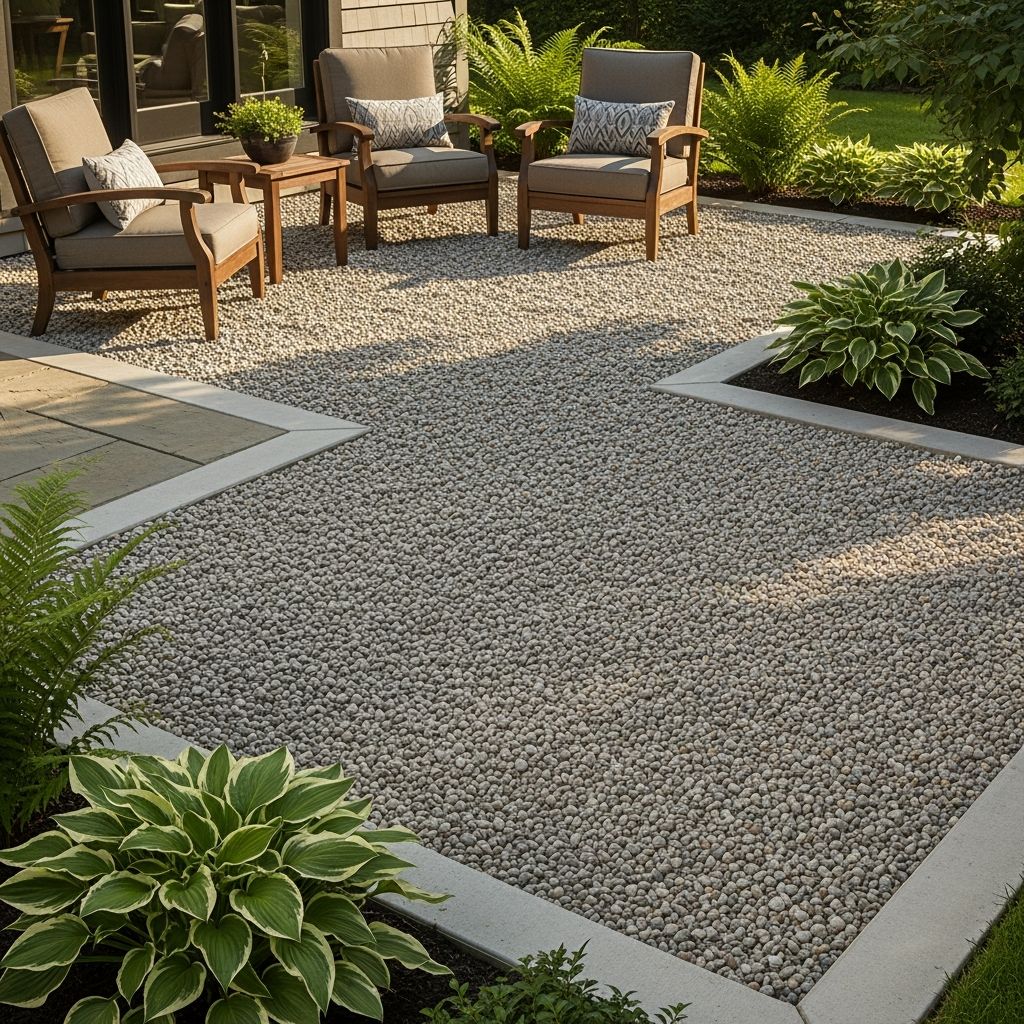
Pea Gravel Over Concrete Patio Guide
Overlaying a concrete patio with pea gravel offers a simple way to refresh outdoor spaces, providing better drainage, a softer feel underfoot, and a natural aesthetic without the expense of full replacement. This method suits homeowners seeking a quick, affordable upgrade that withstands weather while enhancing usability.
Why Choose Pea Gravel for Concrete Overlays?
Pea gravel consists of small, rounded stones about 3/8-inch in diameter, ideal for covering existing concrete slabs. Unlike poured concrete or pavers, it permits natural water percolation, reducing puddles and erosion risks. Its loose nature creates a forgiving surface for barefoot walking, and the varied colors—often in earth tones—blend seamlessly with gardens or lawns.
Key advantages include:
- Cost savings: Materials run cheaper than demolition or new hardscaping, with installation possible in a weekend.
- Flexibility: Easily conforms to irregular concrete shapes and allows design customizations like borders or patterns.
- Durability: Resists cracking from freeze-thaw cycles, common in colder climates.
- Low upkeep: Minimal weeding and no sealing required, unlike wood or composite decks.
However, consider drawbacks such as gravel displacement under heavy traffic or challenges with wheeled furniture. Proper edging and stabilizers mitigate these issues effectively.
Planning Your Pea Gravel Patio Project
Start by assessing your concrete patio’s condition. Cracked or uneven slabs may need repairs to prevent future settling. Measure the area to calculate gravel needs: typically 2-3 inches deep requires about 1 ton per 100 square feet. Factor in borders and base materials for a stable foundation.
Budget breakdown for a 200 sq ft patio:
| Item | Quantity | Est. Cost |
|---|---|---|
| Pea Gravel | 4 tons | $400-600 |
| Crushed Stone Base | 2 tons | $150-250 |
| Landscape Fabric | 200 sq ft | $50 |
| Edging/Borders | Perimeter length | $100-200 |
| Tools/Misc | – | $100 |
| Total | – | $800-1,200 |
Call 811 before any work to locate utilities. Select gravel from reputable suppliers for uniform size and clean stones, avoiding dusty batches that complicate settling.
Essential Tools and Materials List
Gather these for efficient installation:
- Shovel and rake for spreading
- Wheelbarrow for transport
- Tamper or plate compactor for firming layers
- Level and string line for evenness
- Landscape fabric and stakes
- Broom or leaf blower for cleanup
- Optional: Epoxy/stone binder, pressure washer
Wear gloves, safety glasses, and sturdy shoes to handle sharp tools and stones safely.
Preparing the Concrete Surface
Cleanliness ensures gravel adhesion and longevity. Begin by pressure washing to remove dirt, algae, and debris. For textured overlays, grind cracks and joints to create a smooth bond.
Steps for prep:
- Sweep thoroughly and apply concrete cleaner if mildew persists.
- Fill cracks with backer rod or sealant to block material intrusion.
- Repair major damage with concrete patch; allow 24-48 hours cure time.
- Protect surrounding areas with tarps or plastic sheeting.
If the slab slopes poorly, add a thin mortar bed under gravel for leveling, but test drainage first to avoid pooling.
Installing Borders and Edging
Containment prevents gravel spread. Use plastic, metal, or wood edging anchored into soil around the patio perimeter. For concrete overlays, bender bars or concrete pavers set in mortar provide sturdy boundaries.
Installation tips:
- Dig a 4-6 inch trench along edges.
- Place edging, secure with stakes every 2 feet.
- Backfill with soil and tamp firm.
- For curves, flexible plastic edging bends easily.
Borders not only contain gravel but elevate design, allowing integration with flower beds or paths.
Laying the Base Layer for Stability
A crushed stone base (3/4-inch rock mixed with dust) under pea gravel enhances drainage and prevents sinking. Even on firm concrete, a 2-inch base distributes weight evenly.
Process:
- Spread landscape fabric over cleaned concrete, overlapping seams 6 inches and stapling down.
- Dump crushed stone and rake to 2-inch uniform depth.
- Wet lightly and tamp in 1-inch lifts for compaction.
- Check level frequently, adjusting as needed.
This layer blocks weeds and stabilizes the topcoat, crucial for high-traffic areas.
Adding the Pea Gravel Top Layer
Pour pea gravel atop the base to 2-3 inches deep. Rake evenly, then tamp to settle. Avoid overfilling, as thicker layers hinder walking.
Pro techniques:
- Screed with a 2×4 for smoothness if using pavers.
- Mix in epoxy binder for a firm, non-shifting surface ideal for patios.
- Incorporate concrete pavers at intervals for furniture stability.
Rinse gravel post-installation to remove dust, revealing vibrant colors.
Advanced Options: Binders and Paver Hybrids
For permanence, apply stone epoxy: mix per instructions, spread over gravel, and trowel smooth. This creates a solid yet permeable surface safe for kids and pets.
Hybrid designs embed pavers in gravel:
- Lay sand base, set pavers, fill joints with gravel.
- Compact sand first for paver lock-in.
Textured overlays mimic stamped concrete using acrylic coatings post-gravel.
Maintenance for Longevity
Pea gravel patios demand little effort. Weekly rake or blow away debris. Replenish gravel annually in high-use spots. Landscape fabric curbs weeds; spot-treat as needed.
Winter care: Clear snow gently; avoid salt to prevent pitting. Refresh borders yearly for containment.
Common Challenges and Solutions
| Issue | Solution |
|---|---|
| Gravel scattering | Install taller edging, use binder. |
| Weed growth | Heavy fabric, occasional vinegar spray. |
| Uneven settling | Proper tamping, base layer. |
| Furniture wobble | Paver platforms or epoxy. |
FAQs
Is pea gravel suitable over old concrete?
Yes, after thorough cleaning and crack repair, it revitalizes slabs without demo.
How much gravel for my patio?
Calculate depth x area; 3 inches over 100 sq ft needs ~0.5 cubic yards.
Can I walk on it barefoot?
Bound versions are gentle; loose gravel may feel firm but safe.
Does it drain well?
Excellent permeability prevents standing water.
Cost vs. pavers?
Half the price with similar lifespan if stabilized.
Design Inspiration and Enhancements
Elevate your patio with zoning: gravel paths linking paver seating, fire pits, or planters. Mix gravel sizes for texture or embed lighting for evenings. These touches create inviting, functional retreats blending utility and beauty.
Word count: 1678 (excluding metadata and references).
References
- A Complete Guide on Landscaping With Pea Gravel — Fox Landscape Supply. 2023. https://www.foxlandscapesupply.com/a-complete-guide-on-landscaping-with-pea-gravel/
- How We Do A Concrete Textured Pea Gravel Overlay — SealTechs (YouTube). 2021-03-28. https://www.youtube.com/watch?v=SiotuX1t40U
- Create a DIY Pea Gravel Patio — Lowe’s. 2024. https://www.lowes.com/n/how-to/diy-pea-gravel-patio
- How to DIY a Concrete Paver + Pea Gravel Patio — The Collected House. 2023. https://thecollectedhouse.com/how-to-diy-a-concrete-paver-pea-gravel-patio/
- DIY Pea Gravel Patio With Pavers — Love & Renovations. 2023. https://www.loveandrenovations.com/pea-gravel-patio/
- Concrete Patio, Pea Gravel Garden, and Landscaping — YouTube. 2023. https://www.youtube.com/watch?v=JTmdfU_2WHk
Similar Articles




Read full bio of medha deb