Pella vs. Andersen: How Do They Compare?
Compare Pella and Andersen windows: frame materials, pricing, energy efficiency, warranties, and installation options.
When it comes to replacing or upgrading windows in your home, two names consistently rise to the top: Pella and Andersen. Both manufacturers have established themselves as leaders in the window industry, offering quality products backed by solid reputations. However, choosing between them requires understanding their key differences in materials, pricing, performance, and services. This comprehensive guide breaks down how Pella and Andersen compare across all the important factors that matter to homeowners.
Frame Materials and Design Options
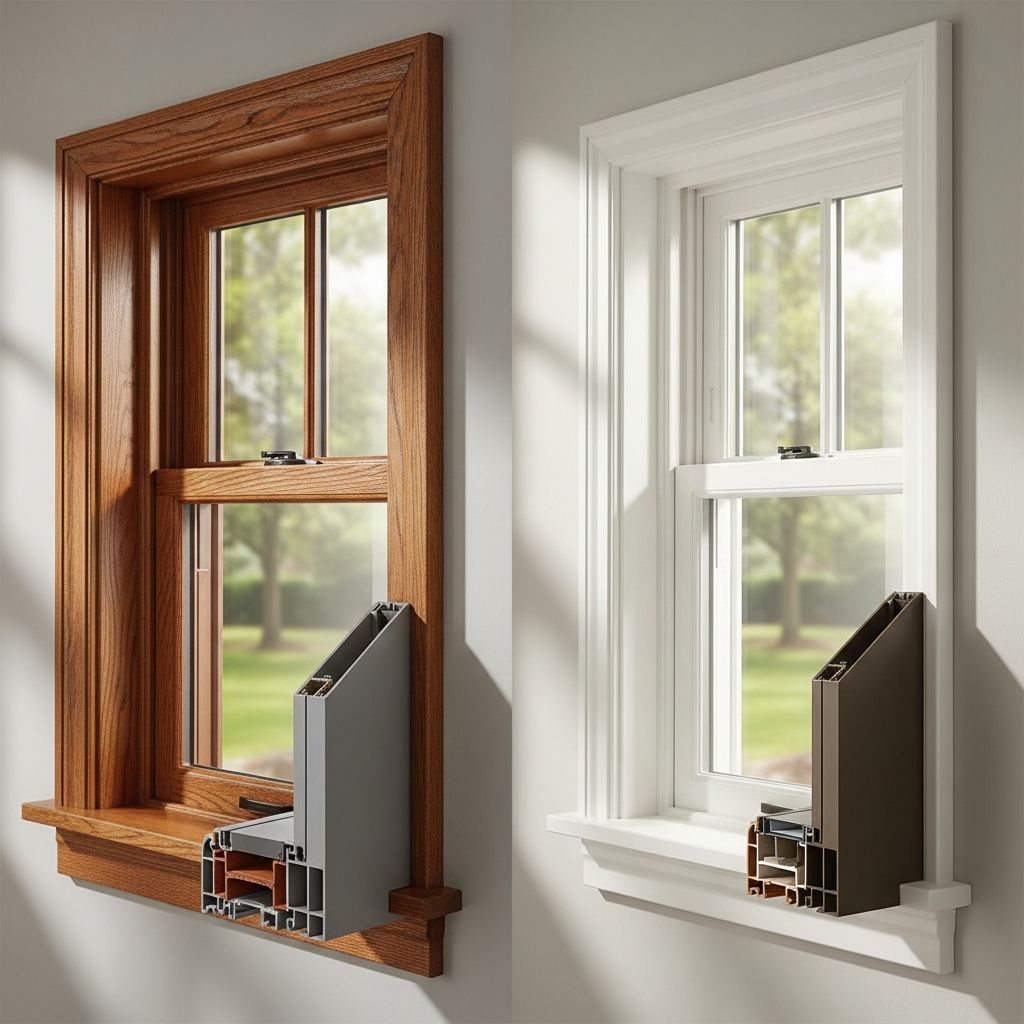
One of the most significant differences between Pella and Andersen lies in their approach to frame materials and design flexibility. Understanding what each brand offers can help you narrow down your options based on your home’s architectural style and your personal preferences.
Andersen Window Materials
Andersen offers five durable window frame materials, providing homeowners with comprehensive options for various climates and aesthetic preferences. The brand manufactures windows using wood, composite (Fibrex), aluminum, fiberglass, and vinyl materials. This wide material range allows Andersen to cater to different budgets and performance requirements. Andersen’s Fibrex composite material, a proprietary blend of 60% reclaimed wood fiber and 40% polymer, expands 70% less than vinyl, significantly reducing seal failures and improving long-term durability. This innovation demonstrates Andersen’s commitment to material excellence and longevity.
Pella Window Materials
Pella provides three primary frame materials: fiberglass, wood, and vinyl. While Pella offers fewer material options than Andersen, the brand emphasizes greater design flexibility within these categories. Pella’s Impervia fiberglass material is particularly notable, prized for its impact resistance and ability to maintain slim sightlines that appeal to modern homeowners. Pella’s wood options, especially in their Reserve line, feature refined finishes and authentic putty-glaze profiles ideal for period homes and those seeking premium aesthetics.
Window Styles
Both Pella and Andersen offer 14 window styles to suit a range of home designs, from traditional double-hung windows to contemporary fixed and sliding options. While the number of styles is equal, the aesthetic execution differs. Pella is known for narrow sash lines that create a clean, modern sightline, whereas Andersen’s thicker profiles emphasize durability and structural strength, trading minimalism for robust construction.
Pricing and Cost Comparison
Cost is often the deciding factor for homeowners contemplating window replacement. Understanding the pricing structure of both brands helps establish realistic budgets for your project.
Andersen Window Costs
According to current pricing data from major retailers, Andersen windows typically cost $217 to $964 per window, depending on size, material, and style. The brand’s 200 Series targets budget-conscious buyers at the lower end of this range, while premium series like the A-Series and E-Series command higher prices. Andersen’s full-service installation through Renewal by Andersen adds to the overall project cost but ensures professional quality control and comprehensive warranty coverage.
Pella Window Costs
Pella windows range from $149 to $1,416 per window, offering a broader price spectrum. The 250 Series entry-level options start at approximately $250 to $850, while premium Reserve Series windows range from $1,300 to $3,000. Homeowners typically report paying between $770 and $1,100 per window for Pella replacement installations. Overall, Pella offers more premium options at higher price points, while Andersen’s pricing remains more consistent across styles.
Cost Verdict
While both brands overlap in pricing, the comparison reveals that Pella’s entry-level pricing aligns with Andersen’s mid-range options. Pella windows are approximately 20 to 30 percent less expensive than comparable Andersen products, making Pella more accessible for budget-conscious homeowners who don’t want to compromise on quality. However, Andersen offers more consistent pricing across its lineup, making it easier to budget for larger replacement projects.
Energy Efficiency and Performance
Modern windows must balance aesthetics with functionality, and energy efficiency has become a paramount concern for environmentally conscious and cost-aware homeowners alike.
Shared Energy Features
Both manufacturers offer energy-efficient window options that meet or exceed Energy Star requirements. Advanced features available from both brands include Low-E glass coatings, argon gas fills, and insulated frames designed to reduce heating and cooling costs. Both offer double-pane and triple-pane glass options to enhance thermal performance. The actual energy performance, however, depends more on proper installation and window configuration than brand selection alone.
Pella Energy Efficiency Advantages
When comparing the two companies in terms of Energy Star ratings, Pella comes out on top. Specifically, the Pella 250 and Pella 350 window series rank higher in Energy Star’s ratings than all of Andersen’s window options. Pella’s windows achieve lower U-factors and lower solar heat gain coefficients (SHGC), indicating superior insulation against outside temperatures and greater efficiency in limiting summer heat gain. Pella’s triple-pane and insulated glass options, particularly in their Lifestyle and Impervia series, deliver comparable or superior energy savings.
Andersen Energy Efficiency Advantages
Andersen’s Fibrex material provides excellent thermal performance due to its low-expansion characteristics, maintaining seal integrity over time and preventing air leakage. Andersen’s High Performance Low-E4 glass is known for reducing energy bills by decreasing thermal energy transfer. The brand’s focus on material innovation and thermal design ensures windows that perform reliably across diverse climates.
Installation Services
Professional installation significantly impacts window performance and warranty validity. The installation approach differs substantially between these two manufacturers.
Andersen Installation
Renewal by Andersen provides start-to-finish replacement services through authorized local contractors who measure, manufacture, and install windows. This full-service approach ensures quality control and consistency but comes at a premium price. Andersen windows purchased through Home Depot typically require separate contractor arrangements, which may offer less integration than the Renewal by Andersen service.
Pella Installation
Replacement by Pella operates similarly, offering complete installation packages through certified local dealers who can adjust pricing based on project scope. Pella windows purchased through Lowes may involve either Pella-certified installers or independent contractors. This flexibility allows for more competitive pricing but requires homeowners to verify installer credentials and experience.
Warranty Coverage Comparison
Warranties provide essential protection for your window investment and reflect each manufacturer’s confidence in their products.
Andersen Warranties
Andersen provides longer protection for exterior finishes, with baked-on coatings carrying a 20-year finish warranty. The brand offers comprehensive coverage for materials and workmanship, and importantly, Andersen’s warranty is transferable to future homeowners, adding value to your property resale.
Pella Warranties
Pella adds extra coverage for fiberglass frames and interior finishes, recognizing the premium nature of these materials. However, Pella’s finish warranty typically lasts 10 years compared to Andersen’s 20-year coverage. For homeowners purchasing fiberglass or wood windows, Pella’s added finish warranties provide significant value despite the shorter duration.
Customer Satisfaction and Service
Real-world performance and customer experiences reveal important insights about long-term satisfaction with each brand.
Andersen Customer Satisfaction
Andersen demonstrates stronger overall customer satisfaction ratings and receives approximately 90 percent fewer complaints than Pella. When issues do arise with Andersen products, they more frequently relate to sales practices rather than product quality, suggesting that the windows themselves maintain high performance standards. This strong satisfaction rating reflects decades of market presence and refinement.
Pella Customer Satisfaction
While Pella receives more complaints than Andersen, the brand maintains reasonable customer satisfaction levels. Pella’s advantage lies in offering multiple entry points at various price levels, allowing budget-conscious consumers to access the brand without compromising significantly on quality.
Which Brand Should You Choose?
The decision between Pella and Andersen ultimately depends on your priorities, budget, and specific home requirements.
Choose Andersen If:
- Premium quality and material innovation are priorities
- Your budget allows for higher upfront investment ($1,000+ per window)
- You value Fibrex composite construction and long-term durability
- Full-service installation with comprehensive warranty appeals to you
- Customer satisfaction ratings are important to your decision
- You want a transferable warranty that adds property value
- You prefer the assurance of longer finish warranties (20 years)
Choose Pella If:
- Budget is a primary concern (20-30% less than comparable Andersen windows)
- You prefer more material choices and design flexibility
- You want access to multiple product series at various price points
- You’re comfortable managing installation details with local dealers
- You prioritize energy efficiency (Pella ranks higher in Energy Star ratings)
- You’re interested in distinctive design options like authentic putty-glaze profiles
- Local dealer relationships are already established in your area
Comparison Summary Table
| Feature | Andersen | Pella |
|---|---|---|
| Frame Materials | 5 options (wood, vinyl, composite, aluminum, fiberglass) | 3 options (wood, vinyl, fiberglass) |
| Window Styles | 14 styles | 14 styles |
| Price Range | $217–$964 per window | $149–$1,416 per window |
| Energy Star Rating | Meets/exceeds requirements | Ranks higher overall (250 & 350 Series) |
| Finish Warranty | 20 years | 10 years |
| Warranty Transferable | Yes | No |
| Installation Service | Renewal by Andersen (full-service) | Replacement by Pella (flexible) |
| Customer Satisfaction | Stronger overall ratings | Good but more complaints |
Frequently Asked Questions About Pella vs. Andersen
What is the difference between Andersen and Pella?
The main difference between Andersen and Pella is their available window frame materials. Andersen offers up to five frame materials (vinyl, fiberglass, aluminum, wood, and composite), while Pella provides up to three (fiberglass, wood, and vinyl). Additionally, Andersen provides in-house installation services via its Renewal by Andersen line, while Pella requires homeowners to find authorized contractors to install their windows.
Is Pella or Andersen cheaper?
Based on pricing data, Pella and Andersen offer similarly priced windows, though Pella’s entry-level options are generally less expensive. Across common styles, Andersen windows range from $217–$964, while Pella windows range from $149–$1,416. Pella offers more premium options at higher price points, while Andersen’s pricing is more consistent across styles.
Which windows are more energy efficient, Pella or Andersen?
Pella windows rank higher in Energy Star ratings overall, with the Pella 250 and 350 series exceeding Andersen’s performance in terms of U-factor and solar heat gain coefficient. However, both brands offer excellent energy-efficient options, and actual performance depends on specific models and proper installation.
What is Andersen’s Fibrex material?
Andersen’s Fibrex is a proprietary composite material made from 60% reclaimed wood fiber and 40% polymer. It expands 70% less than vinyl, reducing seal failures and improving long-term durability and weather resistance.
Do Andersen window warranties transfer to new owners?
Yes, Andersen window warranties are transferable to future homeowners, which adds value to your property when selling. This is a significant advantage over Pella’s non-transferable warranties.
How long do Pella and Andersen window warranties last?
Both brands offer strong coverage, but Andersen provides longer protection for exterior finishes with a 20-year finish warranty, while Pella offers a 10-year finish warranty. Pella provides additional coverage for fiberglass frames and interior finishes.
Can I install Pella and Andersen windows myself?
While technically possible for experienced DIYers, professional installation is strongly recommended for both brands to ensure proper performance, maintain warranty coverage, and avoid water infiltration and air leakage issues. Both manufacturers recommend using certified installers.
References
- Pella vs. Andersen Windows: Comparison Guide — Expert Windows. 2025. https://expertwindows.ie/pella-vs-andersen-windows-comparison-guide/
- Compare Pella Vs. Andersen Windows (2025) — EcoWatch. 2025. https://www.ecowatch.com/windows/pella-vs-andersen-windows
- Pella vs. Andersen: How Do They Compare? — This Old House. 2025. https://www.thisoldhouse.com/windows/pella-vs-andersen
- Pella vs Andersen Windows: Expert Comparison — Demers Glass. 2024. https://www.demersglass.com/blog/pella-vs-andersen-windows-your-ultimate-resource
- Pella vs Andersen: Which Windows Are Best? — GVD Renovations. 2024. https://www.gvdrenovationsinc.com/blog/sacramento-pella-andersen/
Similar Articles



Read full bio of Sneha Tete