Pet-Friendly Home Hacks: Smart, Fast Fixes for a Cleaner House
Real-world strategies to keep your home fresh, tidy and pet-approved—without spending all day cleaning.
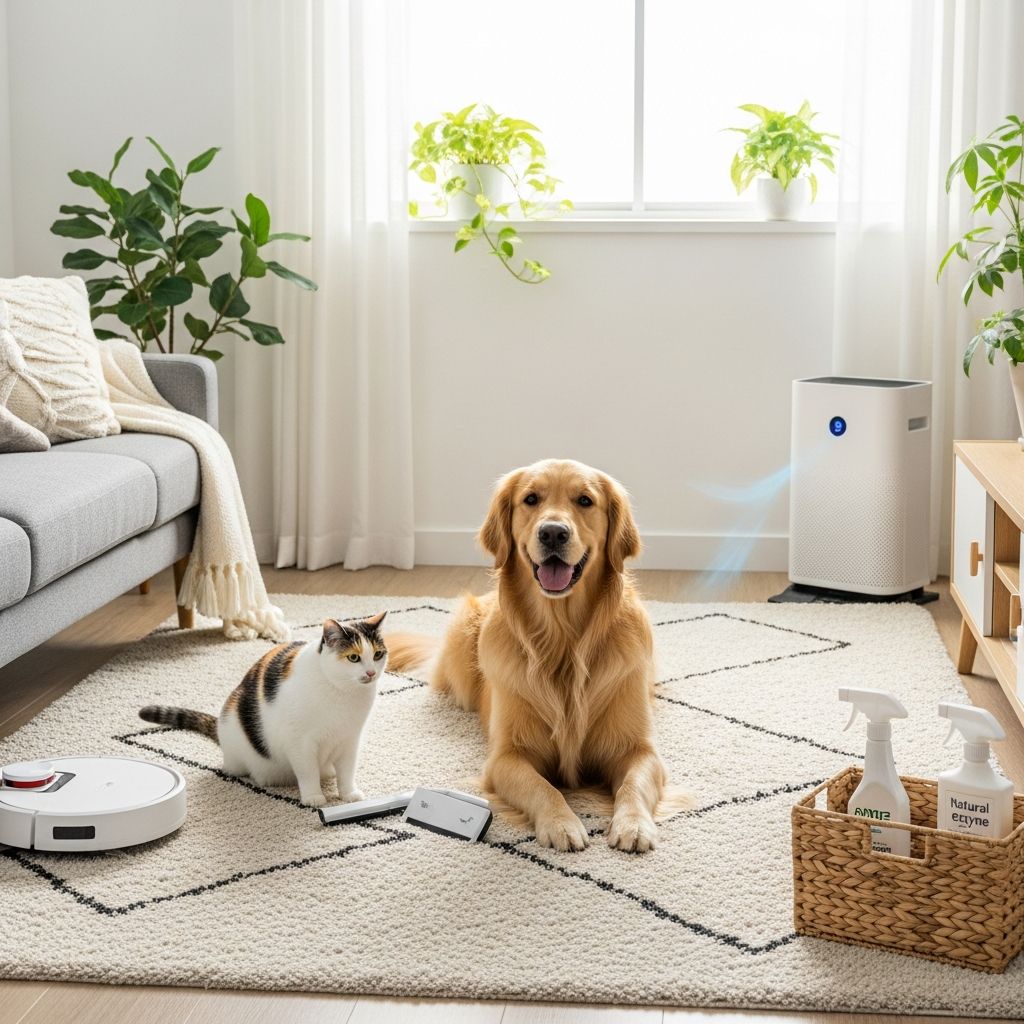
Sharing a home with pets means more joy—and more fur, smells and random messes than most people expect. A few smart tweaks to your space and routines can dramatically cut down on daily chaos while keeping life comfortable for both you and your animals.
Why Your Home Feels Messy With Pets
Pet mess is rarely about one big disaster; it is usually a series of small, recurring issues: hair on every surface, toys under the couch, water splashes around bowls, and the occasional accident. When those small problems do not have quick fixes built in, clutter and frustration build up fast.
The goal is not perfection but control. If you create systems that address shedding, storage and cleaning in under ten minutes at a time, you stay ahead of the mess instead of constantly reacting to it.
Design Your Home Around Pet Zones
Instead of letting pet items spread across every room, divide your space into clear pet zones. This reduces visual clutter and makes cleaning more predictable.
- Entry zone: For leashes, harnesses, outdoor toys, wipes and towels.
- Feeding zone: For bowls, food, treats and measuring scoops.
- Rest zone: For beds, blankets and comfort items.
- Play zone: For toys and enrichment activities.
- Grooming/health zone: For brushes, nail clippers, meds and first-aid.
If your home is small, some zones can overlap—for example, feeding and resting areas can share a corner with neatly contained bins and a washable mat.
Quick-Access Storage Ideas for Pet Gear
Pet supplies need to be both reachable and contained. When items live in random spots, they are hard to find and even harder to put away. Simple storage upgrades make it easier to reset your space in minutes.
- Use wall hooks or a small rack by the door for leashes, harnesses and waste bag dispensers.
- Reserve a single basket or bin for toys in each main living space instead of letting toys roam everywhere.
- Keep grooming tools in a caddy or handled basket that can move between rooms.
- Dedicate one drawer or small cabinet as a “pet drawer” for meds, documentation and small accessories.
Suggested Pet Storage Layout
| Pet Item Category | Best Storage Location | Fast-Fix Container Idea |
|---|---|---|
| Leashes & harnesses | Near main entry or garage door | Wall hooks or a small peg rail |
| Toys | Living room or main play area | Open basket, bin or lidded ottoman |
| Food & treats | Kitchen or pantry cabinet | Stackable airtight containers |
| Grooming tools | Bathroom, laundry or utility room | Portable caddy or drawer organizer |
| Paperwork & meds | Home office or command center | Labeled box or small file folder |
Taming Fur: Contain Shedding Before It Spreads
Hair and dander are the top complaints from pet guardians. While you cannot stop shedding, you can direct where it lands and make removal easier.
- Create “fur zones”: Place comfy beds or blankets in the spots where your pet already loves to nap, so most hair ends up on washable fabric instead of your furniture.
- Pick fabrics wisely: Smooth, tightly woven fabric on sofas and chairs is easier to wipe and vacuum than heavy textures or loose weaves.
- Use a weekly grooming schedule: A five-minute brushing routine on a set day (or two) per week reduces the amount of hair that ends up on your floors.
For fast cleanup, keep a small handheld vacuum or lint tool within reach of your main sitting area so hair removal becomes a 60-second habit rather than a chore you postpone.
Managing Odors Without Overwhelming Fragrance
Pet smells come from three main sources: fur and skin oils, accidents, and items that absorb odor, like beds and soft toys. Masking smells with strong fragrance often clashes with pet sensitivities and does not solve the underlying problem.
- Wash beds, blankets and soft toys on a regular schedule, using fragrance-moderate detergent that is safe for animals.
- Place washable mats under food and water dishes to catch splashes and drips before they soak into floors.
- Use enzyme-based cleaners on accident spots to break down organic residues instead of just covering the smell.
- Increase airflow with an open window or fan when possible, especially near litter boxes or crate areas.
Feeding Areas That Stay Neat
Feeding stations tend to attract crumbs, water splashes and the occasional full-on spill. A few small changes keep this zone easy to wipe down and less likely to attract pests or persistent odors.
- Place bowls on a tray or waterproof mat with a lip to catch stray food and water.
- Choose bowls that are appropriately sized so pets are less likely to push food out over the edge.
- Keep a dedicated cloth or roll of paper towels near the feeding zone for quick daily wipe-downs.
- Store dry food in sealed containers and keep scoops inside to cut down on spills.
These small adjustments turn a constantly messy feeding corner into a managed hotspot that takes less than two minutes a day to maintain.
Bathroom Breaks and Litter Box Strategies
Accidents and litter scatter are some of the most frustrating parts of living with pets. Thoughtful setup and a bit of training can dramatically reduce both the smell and the mess.
For Dogs
- Keep waste bags on a hook, in a dispenser or inside a small lidded container near the door you use for walks.
- Designate one spot for outdoor potty breaks and reward your dog for using it so you are not cleaning the entire yard.
- Store a pair of outdoor shoes or slip-ons near the door to avoid tracking mud or grass back inside after bathroom breaks.
For Cats
- Place litter boxes in low-traffic but accessible areas, and use a mat to catch stray granules.
- Scoop at least once a day and fully refresh litter on a consistent schedule, adjusting based on the number of cats.
- Wipe the exterior of the box and surrounding walls or baseboards regularly to prevent buildup and staining.
Entryway Habits That Stop Dirt at the Door
Most of the dirt and outdoor debris in a pet home enters through the same path your pet uses for walks or yard time. A simple routine at the door can dramatically cut down on muddy prints throughout the rest of the house.
- Use a rough outdoor doormat paired with a washable indoor mat to catch mud and water.
- Keep a small basket with pet-safe wipes or a designated towel right by the entry.
- Make it a habit to pause for a quick paw wipe and underbelly swipe on rainy or snowy days.
- Store leashes and harnesses off the floor so wet gear can dry properly and does not add to clutter.
Fast-Clean Toolkit for Pet Homes
With the right tools close at hand, you can tackle small messes immediately instead of letting them pile up. Build a compact, go-to kit that lives in a central spot or in a portable caddy.
- Handheld or stick vacuum for fur, litter and crumbs.
- Lint rollers or reusable fur-removal brushes for upholstery and clothing.
- Microfiber cloths for wiping surfaces and bowls.
- Enzyme-based cleaner for accidents or vomit.
- Pet-safe disinfectant for high-touch surfaces like crate doors, gates and handles.
Label your kit and store it out of reach of curious animals, especially if it contains sprays or chemicals.
Daily and Weekly Routines That Actually Stick
Long, complicated cleaning schedules rarely survive real life. Short, timed routines built around your existing habits are much more likely to last and keep your home consistently comfortable.
Sample 5-Minute Daily Habits
- Morning: Wipe feeding mat, rinse bowls and do a quick sweep or vacuum around the feeding area.
- Afternoon or evening: Gather toys into baskets and shake out or quickly vacuum the main pet bed.
- Bedtime: Do one last litter scoop or backyard check so you do not wake up to smells or surprises.
Sample Weekly Tasks
- Wash pet bedding, blankets and soft toys that get heavy use.
- Brush your pet and trim nails if needed, doing it in the same designated spot each time.
- Wipe down crate bars, gates, carriers and the door area your pet uses most.
Making Shared Furniture Work
If pets are allowed on furniture, planning for that reality is easier than constantly fighting it. Protecting surfaces and adding washable layers lets you enjoy cuddle time without permanent damage.
- Use washable covers or throws on favorite pet perches like the end of the sofa or the foot of the bed.
- Choose pet-friendly materials for new furniture—leather-like or tightly woven fabrics are easier to clean than heavily textured ones.
- Place a bed or blanket right next to your own seat to encourage pets to lie there instead of directly on you or your pillows.
Travel, Guests and Special Situations
Life events such as vacations, visitors or construction can temporarily increase chaos. Having a plan for these scenarios keeps everyone more comfortable and reduces emergency cleaning marathons.
- Keep a small “go bag” with travel bowls, waste bags, a spare leash and a small blanket near the door or in the car.
- If guests are sensitive to fur, run a quick vacuum, wash a set of pet-free guest linens and keep pets out of that room for a day or two before arrival.
- During noisy events or house projects, set up a quieter retreat space with a bed, water and favorite toys in a low-traffic room.
Frequently Asked Questions
How often should I deep-clean pet areas?
Most homes benefit from a deeper clean of pet-heavy areas about once a month. That can include washing crate pads, scrubbing litter boxes or outdoor potty spots, wiping walls near food or water bowls and thoroughly vacuuming corners and behind furniture where fur collects.
What is the best way to handle pet accidents on carpet?
Blot up as much liquid as possible right away, then apply an enzyme-based cleaner according to the product directions. Avoid scrubbing, which can push the stain deeper into fibers, and give the cleaner time to work before gently blotting again and allowing the area to dry.
How do I keep my home from smelling like a litter box?
Scooping daily, replacing litter on a set schedule and cleaning the box itself with mild soap and water all help. Adding a litter mat, improving ventilation and keeping absorbent rugs or fabrics away from the box area also reduce lingering smells.
Is it realistic to have a stylish home with pets?
Yes. The key is to choose materials and layouts that work with how your pets actually live, not an idealized version of your home. With smart fabric choices, hidden storage and routines that take only a few minutes, you can maintain both style and comfort.
How can I get my family to help with pet mess?
Assign tiny, clear tasks instead of vague requests. For example, one person handles evening toy pickup, another does the nightly litter scoop or backyard check, and another wipes feeding areas. When jobs are specific and small, people are more likely to follow through consistently.
Similar Articles



Read full bio of medha deb