Pool Water Sanitization Guide
Master essential techniques for clean, safe swimming pool water with proven sanitization strategies and modern alternatives.
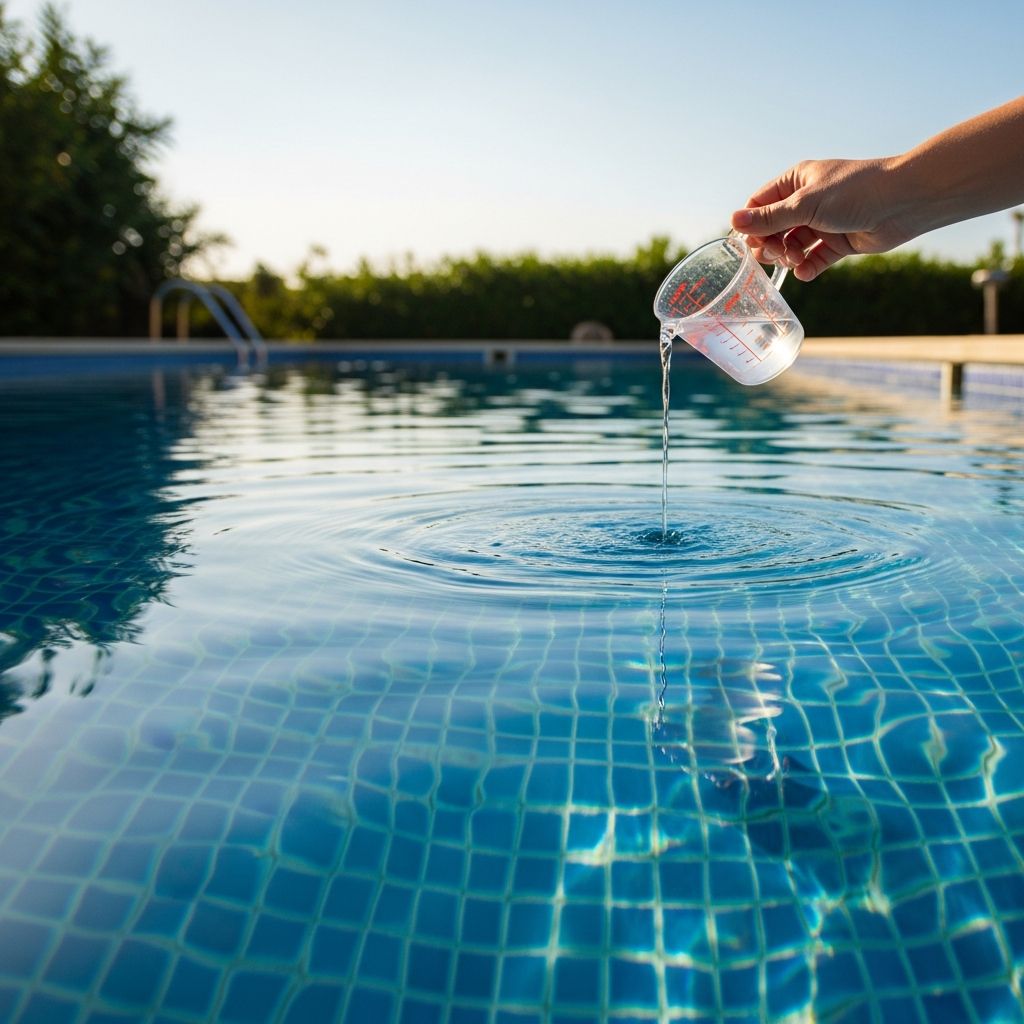
Maintaining crystal-clear and safe swimming pool water requires effective sanitization to eliminate harmful bacteria, algae, and other contaminants. This guide explores proven methods, from classic chemical treatments to advanced technologies, helping pool owners achieve optimal water quality.
Why Sanitization Matters for Pool Safety
Sanitization prevents the spread of waterborne illnesses by targeting pathogens like bacteria and viruses. It also oxidizes organic debris from swimmers, lotions, and environmental pollutants, keeping water balanced and inviting. Without proper treatment, pools become breeding grounds for algae and cloudy conditions, compromising enjoyment and health.
Effective systems combine filtration to remove debris with disinfection to kill microorganisms. Regular monitoring of pH, alkalinity, and sanitizer levels ensures stability, typically aiming for 7.2-7.8 pH and 1-3 ppm free chlorine.
Core Principles of Pool Water Treatment
Pool sanitization relies on two pillars: mechanical filtration and chemical or physical disinfection. Filtration captures particles via skimmers, pumps, and media like sand or cartridges, while disinfection neutralizes microbes.
- Filtration Stages: Coarse screens remove large debris; fine filters trap smaller particles.
- Circulation: Pumps ensure even distribution of sanitizers.
- Balance: Adjust pH, total alkalinity (80-120 ppm), and calcium hardness (200-400 ppm) for sanitizer efficacy.
Traditional Chemical Sanitizers
Chlorine: The Industry Standard
Chlorine remains the most common sanitizer, breaking down into hypochlorous acid (HOCl) to destroy bacteria and oxidize contaminants. Available as liquid, granules, tablets, or gas, it provides residual protection.
| Chlorine Type | Pros | Cons |
|---|---|---|
| Liquid | Fast-acting, no residue | Short shelf life, frequent additions |
| Granules/Tablets | Stable, easy dosing | Buildup of cyanuric acid outdoors |
| Gas | Pure, potent | Requires professionals, hazardous |
For outdoor pools, stabilize with cyanuric acid (30-50 ppm) to counter UV degradation.
Bromine: Ideal for Warm Water
Bromine excels in spas and heated pools, reactivating via shock treatments. It forms hypobromous acid, effective against pathogens even at higher pH (7.8-8.2).
- Stable in hot water.
- Less odor than chloramines.
- Requires brominators for delivery.
Advanced Chlorine Generation Systems
Salt Chlorine Generators
These systems use electrolysis to convert salt into chlorine on-site, recycling the process for continuous sanitization. Add 3,000-4,000 ppm salt; the cell produces HOCl without daily dosing.
Benefits:
- Reduced eye/skin irritation.
- Self-cleaning superchlorination fights chloramines.
- Near-neutral pH minimizes adjustments.
Cells last 3-5 years; backwash filters regularly to prevent scaling.
Non-Chlorine Alternatives
Ozone Systems
Ozone (O3) generators produce a powerful oxidizer that destroys pathogens and organics. Installed inline, it reduces chlorine needs by 60-90%.
- Odorless, no byproducts.
- Effective on parasites like Cryptosporidium.
- Short half-life requires supplemental sanitizer.
UV Sanitation
Ultraviolet light disrupts microbial DNA as water passes through the lamp housing. Low-maintenance lamps last 4,000-9,000 hours, pairing well with low-dose chlorine.
Pros include chemical reduction and safety from swimmer exposure. Best for indoor pools or as a booster.
Mineral and Ionization Systems
Copper/silver ionizers release metals to inhibit algae and bacteria. Often combined with low chlorine (0.5 ppm), they extend sanitizer life.
PHMB-based systems (e.g., Baquacil) use biguanide polymers for non-oxidizing sanitation, stable in sunlight but requiring filters every 1-2 years.
Hydrogen Peroxide Options
As a chlorine alternative, H2O2 works with UV for outdoor pools, though less potent alone. Suitable for sensitive skin.
Choosing the Right Sanitizer
| Method | Cost | Maintenance | Best For |
|---|---|---|---|
| Chlorine | Low | High (daily testing) | All pools |
| Salt Generator | Medium upfront | Low | Residential |
| Ozone/UV | Medium-High | Low | Low-chemical |
| Bromine | Medium | Medium | Spas |
Consider pool size, usage, climate, and budget. Hybrid systems (e.g., salt + UV) offer balanced performance.
Implementation and Maintenance Best Practices
Test water 2-3 times weekly using digital kits. Shock weekly to break down chloramines. Brush walls and vacuum to aid circulation.
- Run pump 8-12 hours daily.
- Winterize with algaecides and balanced chemistry.
- Monitor for calcium scaling in hard water areas.
Frequently Asked Questions
What is the safest pool sanitizer?
Salt chlorine generators are popular for low irritation and automation, backed by effective HOCl production.
Can I switch from chlorine to salt?
Yes; drain partially, add salt, install generator. Transition takes 24-48 hours.
Do ozone or UV replace chlorine entirely?
No; they enhance but need residuals for continuous protection.
How often should I shock my pool?
Weekly or after heavy use to maintain 5-10 ppm chlorine temporarily.
Are mineral systems effective against algae?
Yes, copper ions prevent growth; pair with shock for best results.
Troubleshooting Common Issues
Cloudy Water: Improve filtration, add clarifier, balance pH.
Algae: Shock with chlorine, add algaecide, brush surfaces.
Odor: Indicates chloramines; superchlorinate.
References
- Swimming pool sanitation – Wikipedia — Wikipedia. 2023-10-15. https://en.wikipedia.org/wiki/Swimming_pool_sanitation
- A Review of Swimming Pool Sanitization Methods — AutoPilot. 2023-05-20. https://autopilot.com/a-review-of-swimming-pool-sanitization-methods/
- Swimming Pool Sanitizers: The 7 Best Options to Consider — River Pools and Spas. 2024-02-10. https://www.riverpoolsandspas.com/blog/swimming-pool-sanitizers-best-options
- Sanitize Wise: Chlorine-Saving Methods and Alternatives — SwimmingPool.com. 2023-08-05. https://www.swimmingpool.com/blog/sanitize-wise/
- Swimming Pool Sanitation System, Alternatives to Chlorine in Pools — Intec America. 2023-11-12. https://www.intec-america.com/pools/swimming-pool-sanitization/
- Water Treatment Solutions for Swimming Pools — Mellifiq. 2024-01-18. https://mellifiq.com/en/swimming-pools/
- Swimming pool disinfectants — NCBI/NIH. 2020-06-01. https://www.ncbi.nlm.nih.gov/books/NBK562983/
Similar Articles



Read full bio of Sneha Tete