Popular Wood Fence Styles for Your Home
Explore versatile wood fence designs that enhance privacy, security, and curb appeal.
When it comes to enhancing your home’s curb appeal, privacy, and security, choosing the right fence style is crucial. Wood fencing remains one of the most popular choices for homeowners due to its versatility, durability, and aesthetic appeal. Whether you’re looking to create a welcoming entrance, establish privacy, or add architectural interest to your property, understanding the various wood fence styles available can help you make an informed decision that complements your home’s design and meets your practical needs.
The beauty of wood fencing lies in its ability to adapt to virtually any home style, from traditional to contemporary. With countless design options, color treatments, and maintenance levels to consider, homeowners have the flexibility to create a fence that truly reflects their personal style while serving essential functions like privacy and security.
Classic Picket Fences
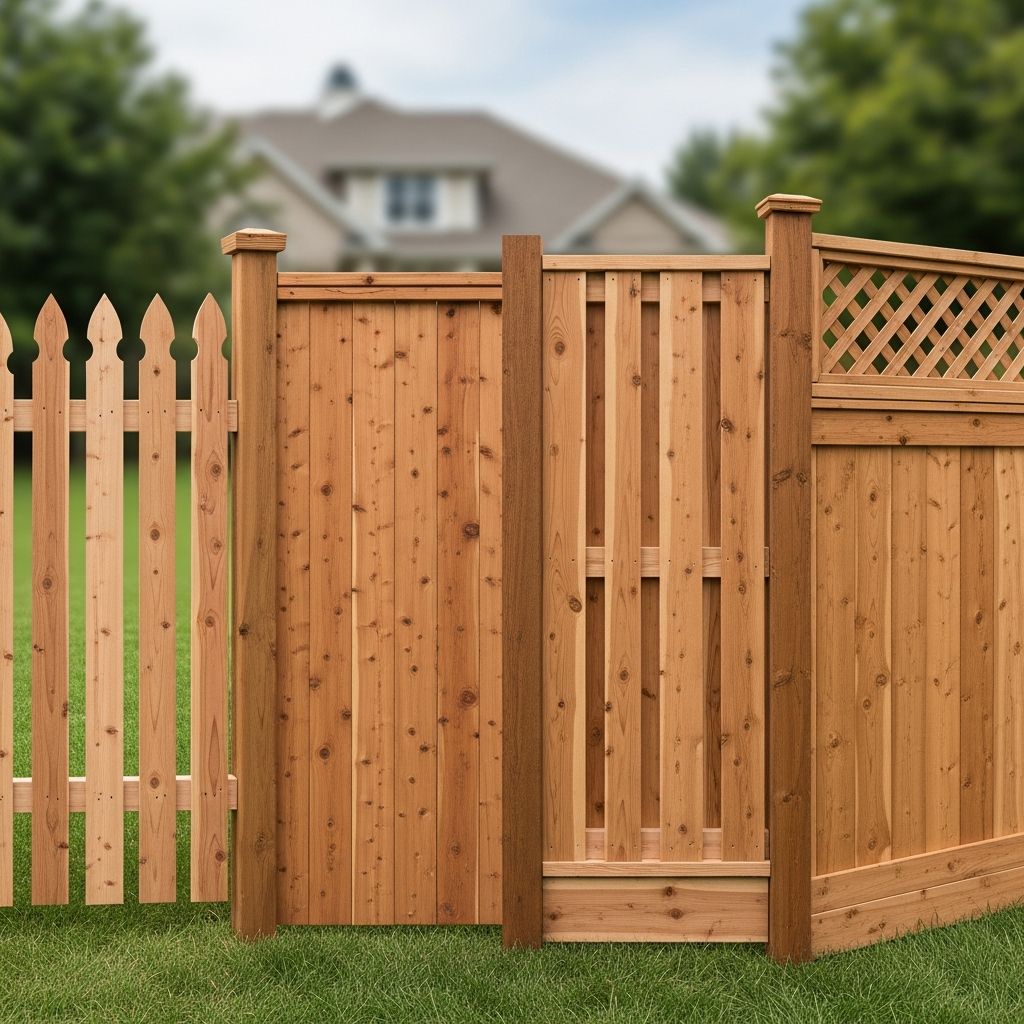
The picket fence remains an iconic symbol of American residential charm and continues to be one of the most recognizable wood fence styles. Characterized by evenly spaced vertical wooden boards mounted on horizontal rails, picket fences typically stand between three and four feet tall, making them ideal for defining property boundaries without creating a completely enclosed barrier.
Picket fences work exceptionally well in front yards where visibility is important for both aesthetics and safety. They provide just enough separation to mark your property while maintaining the open, friendly appearance that many homeowners desire. The traditional white picket fence remains popular, though modern variations incorporate different colors like soft grays, blacks, or natural wood tones to match contemporary home designs.
The versatility of picket fence designs allows homeowners to choose from various board heights, spacing intervals, and top treatments—from simple flat tops to decorative spears, scallops, or post caps. This customization makes picket fences suitable for virtually any architectural style, whether your home is colonial, Victorian, farmhouse, or transitional.
Privacy Fence Designs
For homeowners seeking maximum screening and security, privacy fences offer a complete solution. These solid wood fences typically reach heights of six to eight feet and are constructed with boards placed closely together with no gaps between them. Privacy fences create a complete visual barrier that shields your backyard from neighbors’ views and street traffic while providing a secure enclosure for children and pets.
Privacy fences are often constructed with boards running vertically, though the horizontal plank style has gained tremendous popularity in recent years. The solid construction of privacy fences makes them excellent for noise reduction as well, helping to diminish street sounds and creating a more peaceful outdoor environment. These fences require regular maintenance, including staining or sealing, but they offer unmatched functionality for families prioritizing seclusion and security.
The material choice for privacy fences significantly impacts both appearance and longevity. Cedar and redwood are premium choices due to their natural resistance to decay and insects, while pressure-treated pine offers a more budget-friendly alternative. Many homeowners opt for composite or vinyl-wrapped privacy fences for reduced maintenance requirements, though traditional wood remains the classic choice for natural beauty.
Horizontal Plank Fencing
Modern homeowners increasingly favor horizontal plank fencing for its sleek, contemporary appearance and architectural sophistication. Unlike traditional vertical board designs, horizontal planks create clean lines that complement modern home aesthetics while adding visual interest through their linear patterns. This style works particularly well with mid-century modern, minimalist, and industrial-style homes.
Horizontal fencing can be constructed with varying board widths and spacing, allowing homeowners to customize the level of privacy and visual permeability. Tightly spaced horizontal boards provide complete privacy similar to vertical privacy fences, while widely spaced options maintain openness while still defining property boundaries. The horizontal orientation tends to make yards appear wider and more spacious, making it an excellent choice for smaller properties.
One significant advantage of horizontal plank fencing is its reduced wind resistance compared to vertical designs. The gaps between horizontal boards allow wind to flow through rather than creating a solid surface that catches wind pressure. This characteristic makes horizontal fencing particularly suitable for windy climates where fence durability is a concern. Cedar, composite materials, and pressure-treated wood all work well for this style.
Semi-Private or Stepped Fence Styles
Semi-private fences offer a middle ground between open picket designs and completely solid privacy fences. These versatile styles feature boards of varying heights or arrangements that provide partial screening while maintaining some visual connection with surrounding areas. Stepped or tiered fencing creates visual interest by alternating board heights, often with taller sections in the middle tapering to shorter ends.
Board-and-board fencing represents another popular semi-private option, featuring overlapping boards that create a shadow box effect. This style provides enhanced privacy compared to standard picket designs while maintaining a lighter, more open appearance than solid privacy fences. The overlapping boards also provide strength and stability without the visual weight of solid construction.
Shadow box fencing, also called alternating board fencing, places boards on both sides of the fence rails but staggers them so gaps remain visible. This creates an attractive pattern when viewed from either side while providing moderate privacy. These semi-private options appeal to homeowners who want increased privacy without the closed-off feeling that completely solid fences can create.
Decorative and Ornamental Fences
For homeowners looking to make a design statement, decorative wood fences offer endless possibilities for personal expression and architectural enhancement. These fences incorporate artistic elements such as lattice work, cutout patterns, arched tops, or sculptural finials that transform functional barriers into true landscape features.
Lattice fencing combines open framework with climbing vines or flowering plants to create a romantic, cottage-garden aesthetic. The open lattice pattern provides minimal privacy but maximum visual appeal, making it ideal for side yards or decorative purposes rather than primary security barriers. Lattice fences work wonderfully as plant supports and can be incorporated into gazebos, arbors, and pergola structures.
Vertical emphasis fencing features decorative elements like shingles, tiles, or staggered board heights that add visual richness and architectural interest. Post caps, finials, and decorative toppers further personalize the fence design. These ornamental approaches transform basic fencing into genuine landscape art that significantly enhances curb appeal and property value.
Rustic and Rural Fence Styles
Homeowners with rural properties or farmhouse-style homes often prefer rustic fence designs that reflect the character and heritage of traditional agricultural settings. Post-and-rail fencing, featuring simple horizontal rails between vertical posts with minimal screening, remains a classic rural choice. This open design works excellently for livestock containment, property definition, and maintaining sight lines across expansive landscapes.
Split-rail fencing offers a more rustic, frontier-style aesthetic with naturally textured rails that provide authentic country charm. These fences typically feature two or three horizontal rails per section and require minimal maintenance while providing clear property definition. Split-rail designs work particularly well in wooded settings and properties with natural landscapes.
Rough-sawn vertical board fencing preserves the natural texture and character of raw wood, creating a distinctly rustic appearance. Unlike planed and finished lumber, rough-sawn boards showcase natural variations, knots, and grain patterns that appeal to homeowners seeking authentic, weathered aesthetics. This style authentically complements farmhouse, cottage, and country estates.
Maintenance Considerations by Style
Different wood fence styles require varying levels of maintenance to preserve their appearance and structural integrity. Picket fences, with their open design and exposure to weather from multiple sides, typically require repainting or restaining every three to five years. Privacy and horizontal plank fences face similar maintenance demands, with solid board construction sometimes requiring more frequent treatment due to moisture accumulation.
Wood species selection significantly impacts maintenance requirements. Cedar and redwood naturally resist decay and insect damage, reducing maintenance frequency, though these premium options command higher initial costs. Pressure-treated pine offers affordability but may require more frequent sealing or staining. Regular inspections for rot, pest damage, and weathering ensure fence longevity and continued attractiveness.
Proper drainage and air circulation prevent moisture-related problems that lead to decay. Ensuring ground clearance, avoiding direct soil contact with wooden fence components, and maintaining proper drainage around the fence line all contribute to extended fence life. Annual cleaning and periodic sealing or staining preserve wood color and protect against UV damage and moisture infiltration.
Choosing the Right Material
Material selection directly impacts fence durability, appearance, and long-term value. Western red cedar provides excellent natural decay resistance and attractive appearance, though it commands premium pricing. Redwood offers similar benefits with distinctive coloring. Pressure-treated pine delivers affordability and adequate durability for most applications, making it the most popular choice for residential fencing.
Tropical hardwoods like ipe and cumaru offer exceptional durability and density but require special tools and expertise for installation. These materials work well in challenging climates or for homeowners prioritizing longevity over initial cost. Composite fencing materials combine wood fibers with plastic to reduce maintenance requirements while providing wood-like appearance, though these options typically cost more than traditional wood.
Geographic location influences material selection significantly. Humid climates favor more decay-resistant species like cedar or pressure-treated lumber with appropriate sealing. Arid regions allow greater flexibility in material choice since moisture-related decay is less problematic. Coastal areas benefit from salt-resistant cedar varieties designed to withstand marine environments.
Height and Privacy Regulations
Before selecting a fence style, review local zoning ordinances and homeowners association guidelines that regulate fence heights, materials, and setback requirements. Most municipalities restrict front-yard fences to three or four feet to maintain neighborhood sight lines and traffic safety. Backyard privacy fences typically can reach six to eight feet, though some jurisdictions impose specific height limits.
Property line documentation prevents costly disputes with neighbors. Establish exact boundary lines before installation, as fence placement errors can result in expensive removal and relocation. Some jurisdictions require permits for fence installation, particularly for fences exceeding certain heights or encroaching within setback distances from property lines or public right-of-ways.
Neighbor courtesy and communication prevent future conflicts. Discussing fence plans with adjacent property owners, particularly when the fence borders their property, often prevents disputes and may even result in shared installation costs for boundary fences. Professional surveyors can definitively establish property lines, providing documentation that protects both parties.
Installation Methods and Longevity
Professional installation ensures proper construction techniques that maximize fence longevity and stability. Posts must be set at appropriate depths—typically one-third of the total post length—to prevent heaving, tilting, or failure during high winds or freeze-thaw cycles. Concrete footings provide superior stability compared to setting posts directly in soil, particularly in northern climates subject to frost heave.
Proper spacing and alignment during installation prevent warping, sagging, and structural failure. Quality hardware, including galvanized or stainless steel nails and fasteners, prevents rust staining and ensures boards remain secure over time. Professional installation typically includes warranty coverage and guarantees regarding workmanship, providing valuable protection for your investment.
DIY installation can reduce costs but requires proper tools, techniques, and understanding of local building codes. Incorrect installation often results in premature failure, requiring costly repairs or complete replacement. The initial savings from DIY installation frequently prove negligible when accounting for learning curves, tool rental, and potential mistakes requiring professional correction.
Seasonal Considerations
Installation timing affects fence longevity and performance. Spring and fall offer optimal conditions with moderate temperatures and adequate time for concrete footings to cure before extreme weather. Summer heat can cause rapid concrete curing and potential cracking, while winter installation in frozen ground presents significant challenges. Planning installation during appropriate seasons ensures proper construction and maximum fence lifespan.
Climate considerations influence style selection significantly. Snow-heavy regions benefit from open designs allowing snow passage and reducing weight loads. Windy areas favor horizontal designs that redirect wind pressure. Humid climates require moisture-resistant materials and enhanced ventilation to prevent decay. Understanding your climate’s specific challenges helps select styles and materials optimized for your region.
Cost Factors and Budget Planning
Wood fence costs vary dramatically based on material selection, height, style complexity, and regional labor rates. Basic picket fencing typically costs less per linear foot than solid privacy fences, while decorative styles with custom elements command premium pricing. Material costs represent approximately 50-60% of total fence expenses, with labor and installation comprising the remainder.
Long-term value extends beyond initial installation costs to include maintenance expenses, longevity, and property value impact. Premium materials with lower maintenance requirements often provide better long-term value despite higher initial expenses. Professional installation guarantees typically include warranty periods covering structural issues, providing valuable insurance against costly failures.
Obtaining multiple bids from reputable contractors ensures competitive pricing and quality comparison. Detailed written estimates should itemize materials, labor, timeline, warranty terms, and cleanup responsibilities. Lowest price does not guarantee best value; contractor experience, reputation, and warranty terms significantly impact satisfaction and long-term results.
Frequently Asked Questions (FAQs)
Q: What wood species is best for fence construction?
A: Cedar and redwood offer natural decay resistance and attractive appearance, making them excellent choices despite premium pricing. Pressure-treated pine provides good durability at more affordable costs, making it the most popular residential choice. Select based on your budget, climate, and aesthetic preferences.
Q: How often should I maintain my wood fence?
A: Most wood fences benefit from annual inspection and cleaning, with resealing or restaining every 3-5 years depending on climate, material, and exposure. Regular maintenance extends fence life significantly and preserves appearance. Pressure-treated wood may require less frequent treatment than cedar or redwood.
Q: Can I install a fence myself?
A: DIY installation is possible with proper tools and knowledge, though professional installation ensures correct techniques, code compliance, and warranty protection. Most homeowners benefit from professional installation despite higher upfront costs, avoiding costly mistakes and ensuring longevity.
Q: What height restrictions apply to residential fences?
A: Front-yard fences typically cannot exceed 3-4 feet in most municipalities, while backyard privacy fences usually allow 6-8 feet. Check local zoning ordinances and HOA guidelines, as regulations vary significantly by location. Professional contractors can help navigate local requirements.
Q: Does fence style affect property value?
A: Yes, well-maintained, aesthetically appropriate fencing enhances curb appeal and can increase property value. Poor-quality fencing or styles inconsistent with neighborhood character may reduce property appeal. Quality fences represent valuable home improvements that buyers appreciate.
Q: How do I prevent wood fence rot?
A: Ensure proper drainage around fence lines, maintain ground clearance to prevent soil contact, apply protective sealant regularly, and select decay-resistant wood species. Adequate air circulation, prompt repairs of damage, and inspection for pest activity prevent most rot-related problems.
Q: Should I treat my new fence with sealant?
A: Yes, applying sealant or stain to new fencing provides important protection against UV damage, moisture infiltration, and weather exposure. Treatment should begin within 3-6 months of installation. Quality sealants extend fence life significantly and maintain attractive appearance.
References
- Wood Fencing Standards and Specifications — American Wood Council. 2023. https://www.awc.org
- Pressure-Treated Wood: Selection and Use Guide — U.S. Forest Products Laboratory. 2022. https://www.fpl.fs.usda.gov
- Residential Fence Code Requirements — International Code Council (ICC). 2024. https://www.iccsafe.org
- Wood Decay Prevention and Treatment — National Association of Home Builders. 2023. https://www.nahb.org
- Landscape Design with Fencing — American Society of Landscape Architects. 2023. https://www.asla.org
Similar Articles






Read full bio of medha deb