Portable Clothes Dryers: A Complete Guide for Small Spaces
Smart laundry solutions when you don’t have room for a full-size dryer
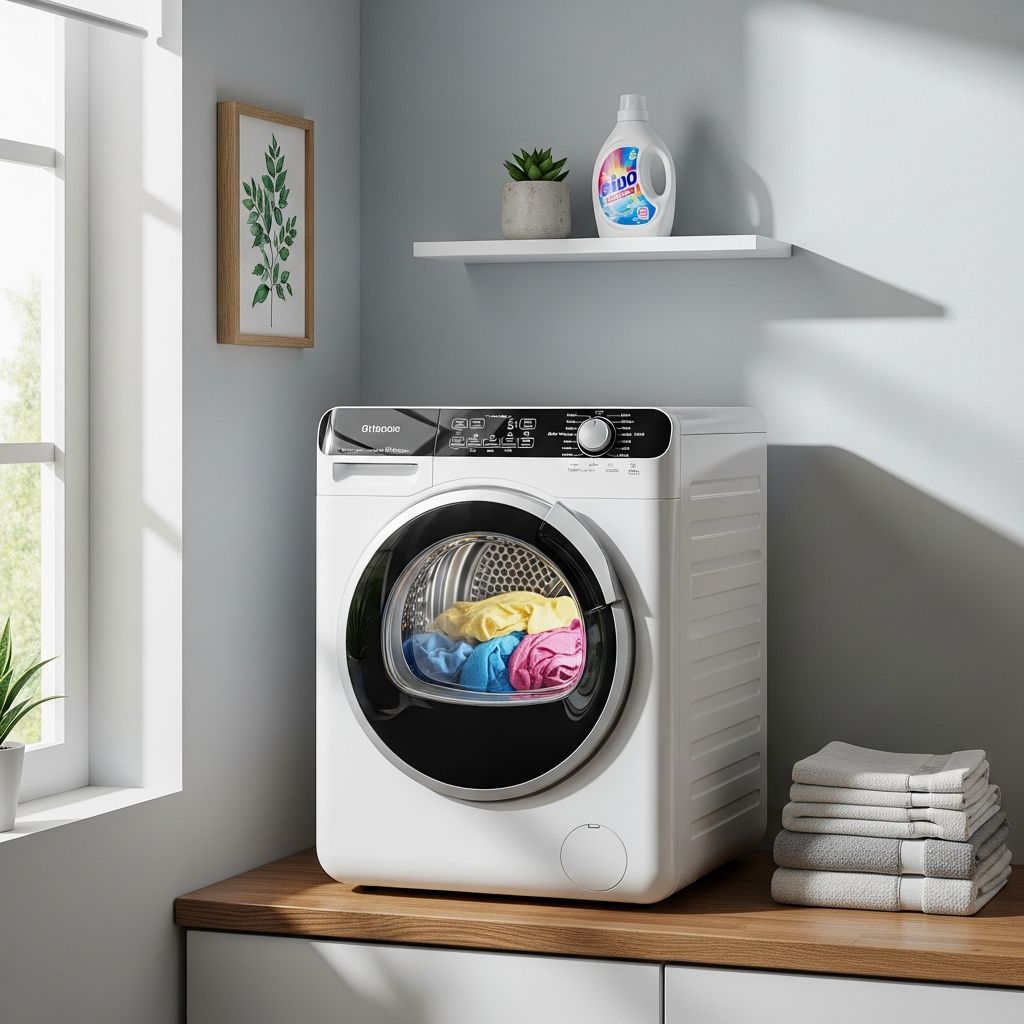
Portable Clothes Dryers: The Small-Space Laundry Upgrade You Didn’t Know You Needed
Living in a small home, apartment, dorm or RV no longer means settling for damp clothes draped over every chair. Portable clothes dryers offer a compact, flexible way to dry laundry without adding a full-size laundry room or major construction.
This guide explains how portable dryers work, the main types, what features matter, and how to choose, install and maintain one safely and efficiently.
Why Consider a Portable Dryer?
A portable dryer is a compact appliance designed to fit where standard dryers cannot, often plugging into a standard household outlet and using minimal floor space.
- Ideal for renters who cannot install a built-in dryer.
- Perfect for tiny homes, studio apartments, basements and RVs.
- Useful as a backup or secondary dryer for vacation homes or busy households.
Instead of relying solely on line-drying or laundromats, a portable dryer brings much of the convenience of in-home laundry to tight spaces.
Main Types of Portable Dryers
Portable dryers fall into a few broad categories, each with its own strengths and trade-offs in terms of cost, performance and installation needs.
Vented Electric Portable Dryers
These models work much like a traditional dryer but on a smaller scale. They heat air, blow it through the drum and vent moist air outside through a flexible hose.
- Typically require a window, door or vent kit to exhaust moist air.
- Generally dry clothes faster than most ventless options.
- Often need a dedicated outlet and clear space for the exhaust hose.
Ventless Condensing Portable Dryers
Ventless models condense moisture from the warm air instead of exhausting it outdoors. The water collects in a reservoir or drains away through a hose.
- No external vent or window connection required.
- Great choice for apartments where venting is not allowed.
- Usually dry more slowly and may use more energy per cycle than vented units.
Heat Pump Portable Dryers
Compact heat pump dryers are a type of ventless dryer that reuse warm air instead of constantly heating new air, making them more energy-efficient.
- Significantly lower energy use compared to many standard electric dryers.
- Operate at lower temperatures, which is gentler on fabrics.
- Upfront cost is usually higher, but operating costs can be lower over time.
Non-Electric and “Drying Rack” Style Units
Some products labeled as portable dryers are essentially heated or fan-assisted drying racks or cabinets. They do not tumble clothes but circulate warm air around hanging garments.
- Lightweight and often foldable for storage.
- Suitable for delicate items that should not be tumbled.
- Drying times can be long and capacity is limited.
Who Benefits Most from a Portable Dryer?
Portable dryers solve specific lifestyle and space problems. If any of the following sound familiar, a portable unit could be worth serious consideration.
- You regularly carry heavy bags to a laundromat and wait for dryers.
- You already own a compact washer and want to stop air-drying every load.
- Your lease prohibits permanent vent installations or major electrical work.
- You live in a humid climate where clothes take forever to line-dry indoors.
Even homeowners with full-size laundry setups sometimes add a portable dryer to handle delicate loads, sportswear or laundry in a remote part of the house.
Key Buying Considerations
Before choosing a portable dryer, think through your space, power options and laundry habits. A little planning up front prevents expensive mistakes later.
Capacity and Size
Capacity is usually listed in cubic feet or by approximate load size. The goal is to match the dryer’s capacity to your washer and your typical laundry volume.
- Solo users or couples often do well with 1.5–2.6 cubic feet.
- Small families may want 3.0–3.5 cubic feet for fewer loads.
- Measure the available space, including height if you plan to place the dryer on a countertop or stacking shelf.
| Capacity range | Typical users | Best suited for |
|---|---|---|
| 1.0–1.8 cu. ft. | Single person, RV, dorm | Light loads, occasional use, baby clothes |
| 2.0–2.6 cu. ft. | 1–2 people | Regular weekly laundry, small bedding items |
| 3.0–3.5 cu. ft. | Small family | Mixed clothing loads, towels, small comforters |
Power Requirements
Most portable dryers use standard household voltage, but current draw and plug style can vary. Always check the specifications before buying.
- Many compact models plug into a standard 120-volt outlet.
- Larger or more powerful units may require a dedicated circuit.
- Avoid using long extension cords; if one is necessary, it must be heavy-duty and rated for the appliance’s load.
Venting and Moisture Management
Moisture has to go somewhere. Understanding how your dryer handles humidity is critical for comfort and safety.
- Vented models need a short, direct path to a window or venting kit.
- Ventless models capture water in a tank or direct it to a drain; you must empty the tank or maintain the drain hose.
- Running any dryer in a tiny room may increase heat; ensure there is enough airflow and ventilation in the space overall.
Noise and Vibration
In a small living area, noise levels matter. Many portable dryers operate quietly, but some can be intrusive in a studio apartment or RV.
- Look for noise information in specifications or user feedback when possible.
- Anti-vibration feet or pads help reduce noise, especially on hard floors.
- A solid, level surface keeps the dryer from rattling or moving.
Controls, Programs and Convenience Features
Even compact models often include useful features that improve fabric care and user experience.
- Multiple heat settings (high, medium, low, air fluff) for different fabrics.
- Timed dry options and automatic sensor drying modes.
- Wrinkle-reduction or cool-down cycles to minimize ironing.
- Interior drum light and clear door window for easy load checks.
Planning the Perfect Location
Where the dryer sits affects safety, performance and convenience. A small amount of planning ensures that the unit fits your lifestyle.
- Choose a flat, stable surface: countertop, stand, or sturdy shelf rated for the dryer’s weight.
- Leave a few inches around the unit for airflow and access to controls.
- Confirm that the power outlet is within reach and rated correctly.
- For vented dryers, check that the exhaust hose can run to a window or wall adapter without sharp bends.
In very tight spaces, consider a rolling cart so the dryer can be stored in a closet and wheeled out only when needed.
Basic Setup Steps for a Portable Dryer
Exact instructions vary by model, so always follow the manufacturer’s manual. The general process usually looks like this:
- Unpack and inspect
Remove all packaging, tape and protective materials. Make sure nothing is damaged and that the drum spins freely. - Position the dryer
Place it in the chosen location, ensuring it is level and stable. Adjust feet if the model includes them. - Attach vent or drain (if required)
For vented units, connect the exhaust hose securely and seal gaps at the window kit. For ventless models with a drain hose, route it to a sink or floor drain if that option is available. - Plug into the correct outlet
Use a properly grounded outlet that matches the dryer’s electrical rating. - Run a test cycle
Run the dryer empty on a short cycle to check for unusual noises, leaks or airflow issues.
Tips for Efficient Drying in a Portable Unit
Portable dryers can work extremely well, but a few habits will help you get the best results and protect your clothes.
- Do not overload: Smaller drums need room for clothes to tumble; too many items increase drying time and wrinkles.
- Spin clothes thoroughly first: Higher spin speeds in the washer remove extra moisture and shorten drying time.
- Sort by fabric and thickness: Towels and heavy cottons may need a different setting than lightweight synthetics.
- Clean the lint filter every cycle: A clogged filter reduces airflow and can become a fire hazard.
- Use appropriate heat levels: Low or medium heat protects delicate fabrics; reserve high heat for sturdy items like towels.
Safety and Maintenance Essentials
Even compact dryers generate heat and move air, so regular care is important for both efficiency and safety.
- Keep vents clear: For vented models, check and gently clean the exhaust hose and outlet regularly to prevent lint buildup.
- Empty water tanks: For ventless models, empty the condensation reservoir promptly to avoid overflow or musty odors.
- Inspect power cords: Look for damage, loose plugs or excessive warmth around the plug during operation.
- Allow cooldown time: Avoid covering the dryer or pushing it tightly against walls immediately after use.
- Follow manufacturer maintenance intervals: Some units have additional filters or components that require periodic cleaning or replacement.
Cost Expectations and Value
Portable dryers usually cost less than full-size models, but prices vary widely based on capacity, brand and technology.
- Entry-level vented or simple ventless units are often the most affordable.
- Heat pump and premium ventless models cost more up front but may save on energy bills over time.
- Factor in accessories like vent kits, stands, carts and surge protectors when budgeting.
Value is not only about purchase price; consider the time saved, the convenience of at-home drying and potential savings on laundromat fees.
Portable Dryer Pros and Cons at a Glance
| Aspect | Pros | Cons |
|---|---|---|
| Space | Fits in small areas; can be stored when not in use. | Smaller drum means more loads for large households. |
| Installation | Usually no permanent remodeling needed. | Vented models still need a window or vent path. |
| Performance | Comparable drying quality to full-size units for small loads. | Some ventless models have longer cycle times. |
| Cost | Lower purchase price than many full-size dryers. | High-end compact heat pump units can be costly. |
| Flexibility | Easy to move when rearranging or moving homes. | May not be ideal as the sole dryer for a large family. |
Frequently Asked Questions
Do portable dryers need a vent?
Some do, some do not. Traditional vented portable dryers need a hose routed to a window or vent kit to expel moist air. Ventless and heat pump models remove moisture internally and drain it as water, so they can operate without an exterior vent, which is helpful in buildings where venting is not possible.
Will a portable dryer work with a standard outlet?
Many compact dryers are designed for standard household voltage and plug types. However, it is essential to confirm the electrical requirements before purchase and to avoid overloading circuits that already power other major appliances or space heaters.
How long does it take to dry a load?
Drying time depends on load size, fabric type, spin speed in the washer, heat setting and whether the dryer is vented or ventless. In general, small mixed-fabric loads may finish in a similar timeframe to a standard dryer, while bulky items or large loads in ventless models can take noticeably longer.
Can a portable dryer damage my clothes?
Any dryer can damage delicate fabrics if used incorrectly. Using lower heat, shorter cycles and fabric-specific settings greatly reduces risk. Reading garment labels and following the appliance manual prevents many common problems such as shrinkage or excessive wrinkling.
Is a portable dryer worth it if I already have access to a shared laundry room?
That depends on how often you do laundry and how much you value convenience. A portable dryer can reduce trips to a shared facility, help during busy weeks or bad weather, and provide more control over delicate or personal items, even if you still use shared machines for very large loads.
Can I store a portable dryer in a closet?
Storage in a closet is usually fine as long as the dryer has completely cooled and the area is dry and well-ventilated. When in use, the dryer should be pulled out to a safe operating position with enough clearance around it and any vent or drain properly connected.
Making the Right Choice
Choosing a portable dryer is all about balancing space, power, venting options and lifestyle. Start by measuring your space, listing your must-have features and deciding whether vented or ventless technology fits your home. With a thoughtful selection and proper setup, a portable dryer can transform laundry day from a chore that requires a trip across town into a quick task you handle comfortably at home.
Similar Articles





Read full bio of Sneha Tete