Precise Measuring For Bathtub Surrounds: Step-By-Step Guide
Master accurate measurements to ensure your new bathtub surround fits perfectly, preventing leaks and enhancing bathroom durability.
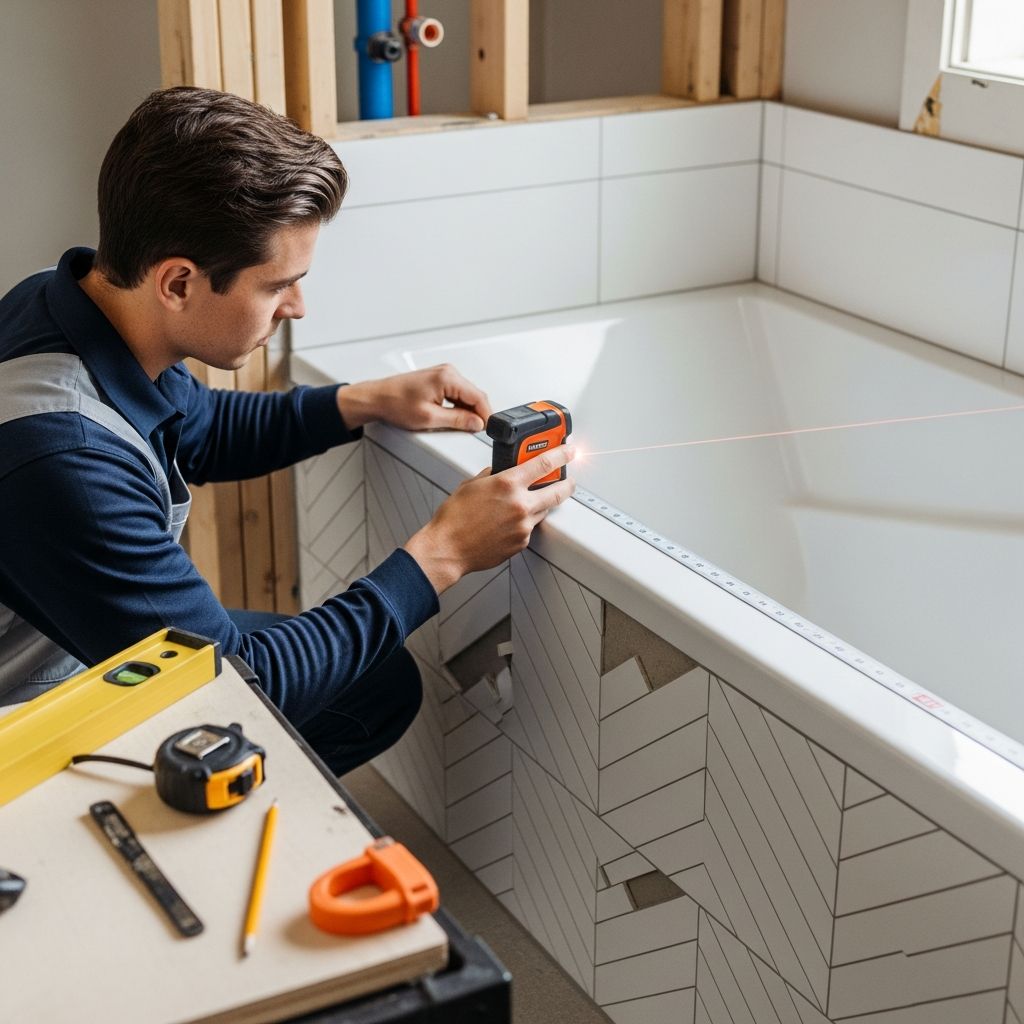
Precise Measuring for Bathtub Surrounds
Accurate measurements form the foundation of any successful bathtub surround installation. Without them, panels may not fit properly, leading to gaps, leaks, or costly rework. This guide equips you with detailed strategies to measure your space correctly, tailored for various bathroom layouts including standard homes and compact mobile units.
Essential Tools and Preparation Steps
Before diving into measurements, assemble the right equipment to ensure precision. A sturdy tape measure with a metal blade resists bending for reliable readings. A reliable level detects wall imperfections, while a pencil and notepad capture details without smudging. Clear the bathtub area of shampoos, towels, and accessories for unobstructed access.
- Tape measure: At least 25 feet long for full wall spans.
- Level: 4-foot length to verify plumb and level surfaces.
- Notepad and pencil: Record multiple readings to average out variances.
- Helper: Optional but useful for holding the tape on longer walls.
Inspect walls for moisture damage or unevenness. Dry surfaces prevent tape slippage, and noting repairs needed upfront avoids surprises. For older structures, check for settling that might require shimming later.
Core Measurement Techniques for Walls and Tub
Focus on three primary walls: the long back wall and two shorter sides. Standard alcove tubs measure about 60 inches long by 30-32 inches wide, but surrounds must match your specific setup.
Horizontal Wall Lengths
Begin with the back wall. Hook the tape at the tub’s edge where it meets the wall, extending straight across to the opposite end. Press firmly to follow any contours. Repeat for side walls, starting from tub lip to wall corner. Measure at three heights—bottom (tub level), middle (about 30 inches up), and top (intended surround height)—to detect bows or leans.
| Wall Position | Bottom Measurement | Middle Measurement | Top Measurement |
|---|---|---|---|
| Back Wall | Record in inches | Record in inches | Record in inches |
| Left Side | Record in inches | Record in inches | Record in inches |
| Right Side | Record in inches | Record in inches | Record in inches |
Use the largest reading per wall to select panels, adding 1-2 inches for trimming.
Vertical Height Assessments
Measure from tub rim upward to your chosen surround height, typically 6 inches above the showerhead or ceiling level for full coverage. Take readings at wall ends and center; average if minor differences exist. For soaker tubs deeper than 14 inches, extend higher for splash protection.
Tub Depth and Projection
From the back wall to the tub’s outermost edge gives the panel wrap depth, usually 2-4 inches. This ensures surrounds overlap securely without gaps.
Handling Fixtures and Obstacles
Plumbing and accessories demand special attention. Note faucet heights from floor and distances from corners. Mark showerhead positions, as panels often require cutouts. Grab bars or shelves need precise spacing to align with pre-drilled surround holes.
- Measure fixture centers from two reference points (e.g., corner and tub edge).
- Account for valve stems protruding 1-2 inches, requiring notches.
- Sketch cutout templates on paper matching fixture outlines.
In mobile homes, compact fixtures may limit panel options; opt for customizable acrylic sheets.
Verifying Alignment and Squareness
Plumb walls using the level vertically on each face. Horizontally, check tub rim flatness. Note any out-of-square corners by measuring diagonals; ideal is equal lengths, but variances up to 1 inch are common and fixable with flexible panels.
For uneven walls, record lean amounts (e.g., top overhangs bottom by 0.5 inches). This informs panel flex or backing adjustments.
Drafting a Detailed Layout Diagram
Transfer measurements to graph paper, scaling 1/4 inch per foot. Outline the tub footprint, label dimensions, and indicate fixtures with symbols. Include notes on wall conditions. This diagram aids material ordering and serves as an installation blueprint.
Selecting Materials Based on Measurements
Common surround sizes fit 60-inch tubs: back panel 60×30-60 inches, sides 30×30-60 inches. Acrylic or fiberglass withstands moisture; choose thicknesses matching wall strength. Verify manufacturer tolerances—most allow 1-inch adjustments.
| Material Type | Standard Sizes | Best For |
|---|---|---|
| Acrylic | 60″L x 60″H sides | Easy clean, lightweight |
| Fiberglass | 58-62″L x 58-62″H | Budget-friendly |
| Solid Surface | Custom cuts | Premium durability |
Match finishes to bathroom aesthetics; seamless units reduce grout lines for low maintenance.
Common Mistakes and Troubleshooting
Avoid rushing—measure thrice, cut once. Overlooking wall bows leads to buckling panels. Forgetting fixture protrusions causes misalignment. If walls exceed standard by over 2 inches, consider extension kits or tile backsplashes as alternatives.
- Error: Tape sag. Solution: Use assistant or metal tape.
- Error: Uneven floors. Solution: Shim tub base first.
- Error: Ignoring overhangs. Solution: Measure to drywall edges.
Installation Overview Post-Measuring
With specs confirmed, dry-fit panels. Apply silicone sealant at seams, secure with adhesive or clips per instructions. Caulk edges generously for waterproofing. Test for level before permanent fix.
Frequently Asked Questions
What if my measurements don’t match standard sizes?
Most surrounds are trimmable; select the next larger size and cut to fit using a jigsaw with fine blade.
How high should the surround go?
At least 6 inches above showerhead; full ceiling height prevents steam damage.
Do I need to remove old tiles before measuring?
No, measure over existing surfaces, but note thickness for panel overlap.
Can I install over painted drywall?
Yes, if smooth and dry; prime for adhesion if needed.
What’s the average time for measuring?
30-45 minutes for thorough job, including verifications.
This process ensures a leak-proof, attractive upgrade. Proper measuring minimizes waste and maximizes satisfaction in your bathroom refresh.
References
- How To Measure for a Bathtub Wall Surround — Mobile Home Outfitters. 2023. https://mobilehomeoutfitters.com/blog/how-to-measure-for-a-bathtub-wall-surround/
- How to Measure a Tub or Shower Stall — Lowe’s. N.D. https://pdf.lowes.com/productdocuments/a57d4a23-ceed-4449-8d81-3db5d0088f9a/15616828.pdf
- Primo Bathtub Wall Kit — Jacuzzi. 2024. https://www.jacuzzi.com/en-us/primo-bathtub-wall-kit/PD81959.html
- Bathtub Buying Guide: Sizes & Types — The Home Depot. 2024. https://www.homedepot.com/c/ab/types-of-bathtubs/9ba683603be9fa5395fab90209ab53e
- Standard Bathtub Sizes: A Complete Guide — This Old House. 2023. https://www.thisoldhouse.com/bathrooms/standard-bathtub-sizes
- Choose a Tub Surround: Guide for a Low-Maintenance Bathroom — Horow. 2024. https://horow.com/blogs/guide/choose-a-tub-surround-guide-for-a-low-maintenance-bathroom
Similar Articles







Read full bio of Sneha Tete