Stress-Free Departure: A Complete Guide to Getting Your Home Ready Before Vacation
Secure, clean, and ready for your return—how to prep your home before every trip.
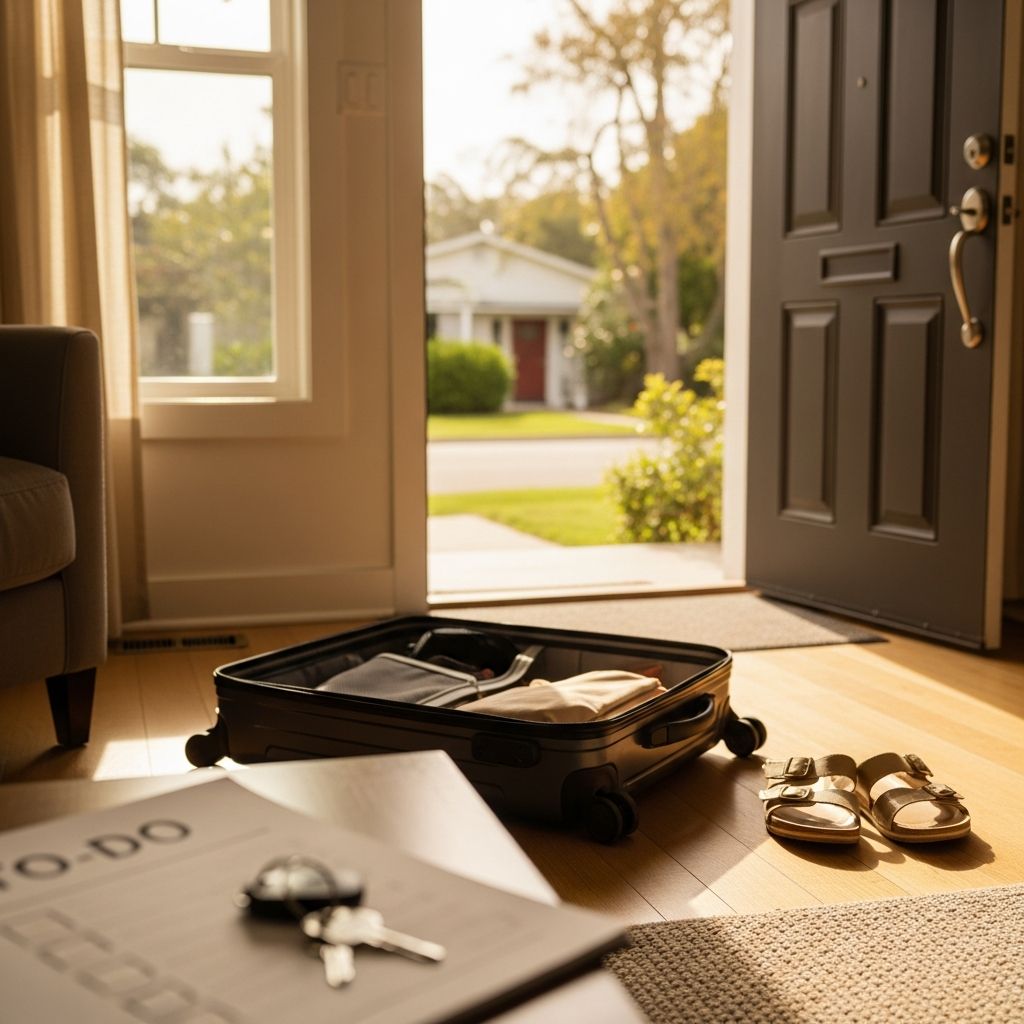
Leaving for a trip should feel exciting, not stressful. The key to traveling with peace of mind is preparing your home so it stays safe, efficient, and comfortable to return to, no matter how long you are gone.
Why Prepping Your Home Matters
Taking a couple of hours to organize and secure your home before vacation can prevent property damage, deter break-ins, and save money on utility bills. It also means you walk back into a clean, calm space instead of chaos and clutter when your trip is over.
Think of this process as packing for your house: you are not just locking a door, you are putting your home into “vacation mode” so it can quietly take care of itself while you are away.
A Simple Timeline for Pre-Trip Home Prep
Breaking tasks into a short timeline makes the process manageable. You do not need to do everything the night before your flight.
- One week before: Arrange pet care, mail handling, lawn or snow services, and any house-sitter details.
- Two to three days before: Start using up perishables, tidy rooms, and set aside items that must be unplugged or turned off.
- Departure day: Do final checks for doors, windows, thermostats, trash, and last-minute cleaning.
Home Security Essentials Before You Leave
Security is the first priority when your house will sit empty. A few thoughtful steps make your home look occupied and harder to target.
- Inspect every exterior door to ensure it closes tightly and locks securely. Do not forget side doors, garage entries, and basement access.
- Lock all windows, including those on upper floors, and check that latches fully engage.
- Use timers or smart plugs to turn a few interior lights on and off at realistic times in the evening.
- Keep blinds and curtains in a “normal” position instead of fully shut if you usually leave them open, so the home does not suddenly look different from outside.
- Avoid posting real-time trip details on public social profiles, or limit them to trusted circles until you return.
- If you have a security system, confirm it is armed, sensors are working, and emergency contact numbers are up to date.
Managing Mail, Deliveries, and Visible Clutter
Nothing signals “no one is home” more clearly than a stuffed mailbox or packages stacked at the front door. Planning for deliveries protects your privacy and your parcels.
- Place a hold on postal mail, or ask a trusted neighbor or friend to collect it for you.
- Pause subscriptions and recurring deliveries, or reroute them to a pickup location while you are away.
- Move visible valuables (like bicycles, tools, and outdoor electronics) out of open view and into a garage or locked storage area.
- Place trash and recycling bins neatly where they normally sit, but do not leave them overflowing or scattered.
Energy-Saving Settings for an Empty Home
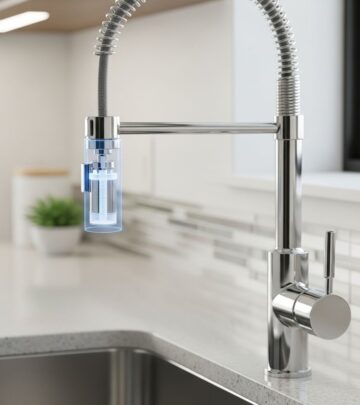
Adjusting your home’s systems before vacation reduces utility costs and lowers the risk of leaks and electrical issues. Small tweaks can add up, especially for longer trips.
- Thermostat: In warm weather, set the temperature several degrees higher than usual; in colder months, lower it but keep it high enough to prevent frozen pipes.
- Water heater: Switch to vacation mode or turn the temperature down according to manufacturer guidelines.
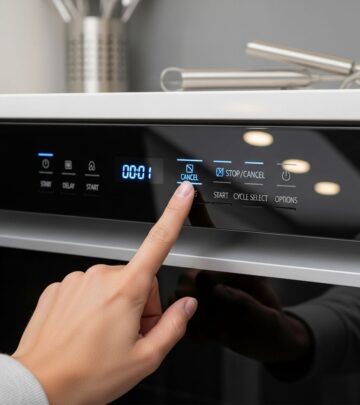
- Lights & electronics: Unplug televisions, computers, gaming consoles, and small kitchen appliances to prevent phantom energy use and reduce fire risk.
- Washer and dryer: Make sure they are empty, clean, and turned off, with doors left slightly open to avoid odors.
Water, Plumbing, and Leak Prevention
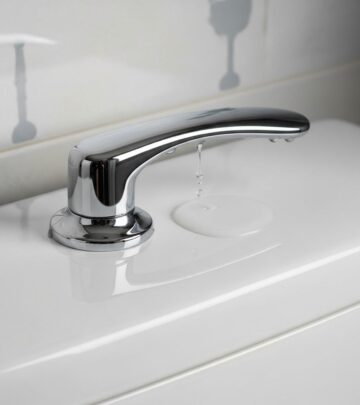
Water damage is one of the most expensive problems to come home to, yet many issues can be prevented with a few quick steps. Consider your home’s age, climate, and plumbing layout when deciding which actions to take.
- Turn off the main water supply if you will be away for more than a few days and no one needs to use the plumbing.
- If someone will house-sit, consider closing individual supply valves to sinks, toilets, and the washing machine instead of the main.
- Check under sinks for any slow drips or dampness and fix small leaks before you go.
- Empty and clean the dishwasher, then leave the door slightly open to dry.
- Run a garbage disposal with water for several seconds to clear residue and reduce odors.
Kitchen: Prevent Odors and Pests
The kitchen is the room most likely to greet you with smells and bugs if it is not prepared properly. Focus on removing anything that can rot, leak, or attract pests.
- Use up or freeze perishable foods like dairy, fresh produce, meat, and leftovers.
- Wipe spills from refrigerator shelves and check for items that may expire while you are gone.
- Seal dry goods (rice, cereal, flour, snacks) in airtight containers or place them in cabinets instead of leaving open boxes on counters.
- Wash, dry, and put away all dishes so you do not return to hardened food or bad odors.
- Take kitchen trash out on departure day, including small countertop bins and compost containers.
Bedrooms and Bathrooms: Return to a Calm Space
Coming home tired from travel is much easier when your private spaces feel fresh. A few quick resets turn bedrooms and bathrooms into a welcome retreat instead of another to-do list.
- Change bed linens before you go so you return to clean sheets.
- Put away clutter and laundry, and leave a clear path from the door to the bed.
- In bathrooms, scrub sinks and toilets, rinse showers or tubs, and remove any standing water.
- Empty small trash cans and bathroom bins to avoid stale smells.
- Hang towels so they can dry fully, or replace them with fresh ones to use when you return.
Living Areas: Tidy, Not Perfect
You do not need a magazine-ready living room before vacation, but basic tidying reduces dust and keeps the space inviting. Focus on surfaces, floors, and anything that might trigger pests or odors.
- Clear coffee tables and side tables of food wrappers, drink cups, and any perishable snacks.
- Straighten sofa cushions and fold blankets to keep the room visually calm.
- Do a quick sweep or vacuum of high-traffic paths so you are not greeted by crumbs and debris.
- Water houseplants according to their needs, or move them together for easier care if someone is checking in.
Laundry and Clothing Before You Go
Laundry can pile up while you travel, so it helps to leave your home with as many clean essentials as possible. This also prevents musty smells from lingering in hampers or machines.
- Wash and dry any damp towels, workout clothes, or items left in hampers.
- Completely empty the washing machine and dryer and leave doors slightly open.
- Set aside a small “return outfit” (comfortable clothes to wear when you get home) in an easy-to-find spot.
Pet and Plant Arrangements
If you have pets or plants, they need just as much planning as your own luggage. Confirm who is responsible and provide clear instructions so you are not answering frantic messages from the airport.
- Decide whether pets will stay at home with a sitter, visit a boarding facility, or travel with you.
- Write down feeding schedules, medications, vet contact details, and any behavioral notes for caregivers.
- Group plants according to light needs and show your plant-sitter where and how much to water.
Smart Home Devices and Technology
Technology can be a powerful ally while you travel when it is set up thoughtfully. Use smart-home tools to monitor, not to create extra worries.
- Adjust smart thermostats to efficient temperatures and set schedules suitable for an empty home.
- Program smart lights or plugs to create natural-looking lighting patterns in the evenings.
- Check cameras or doorbells to ensure they work properly and that notifications will not overwhelm you.
- Secure home Wi-Fi with a strong password and update any important app logins before you go.
Quick Reference: Departure-Day Home Checklist
The table below gives you a high-level snapshot of key tasks to confirm just before you walk out the door.
| Area | Key Checks |
|---|---|
| Security | All doors and windows locked; alarm armed; outdoor lights set or on sensors. |
| Utilities | Thermostat adjusted; water supply off or valves closed as needed; unnecessary electronics unplugged. |
| Kitchen | Perishables removed; dishes washed; trash taken out; counters wiped. |
| Bathrooms | Toilets flushed; bins emptied; no damp towels bunched in corners. |
| Bedrooms | Clean sheets on beds; dirty laundry washed or contained; paths clear. |
| Outside | Mail and deliveries handled; tools and gear stored; gates or sheds locked. |
Important Information for House Sitters
If someone is checking on your home, give them more than just a key. Clear, written instructions protect your property and give your sitter confidence.
- Share alarm codes, how to arm and disarm systems, and what to do if an alarm is triggered.
- Leave contact details for neighbors, your preferred maintenance people, and where you can be reached in emergencies.
- Explain any quirks of the home, such as sticking doors, faucet issues, or breaker switches that should not be touched.
- Clarify expectations for plant watering, pet care, trash days, and mail pickup.
Emergency Prep: Just in Case
Even when everything is well planned, unexpected events can happen. Simple preparation keeps a minor issue from turning into a crisis while you are far from home.
- Show a trusted person where the electrical panel, main water shutoff, and gas valve (if applicable) are located.
- Ensure smoke detectors and carbon monoxide alarms have fresh batteries and are functioning.
- Store important documents (insurance policies, home inventory, passports you are not taking) in a safe, fire-resistant location.
Frequently Asked Questions
How far in advance should I start preparing my home?
For most trips, starting a week in advance is ideal. That window gives you time to schedule services, use up food, and complete maintenance tasks without racing around on departure day.
Is it really necessary to turn off the main water supply?
Turning off the main water supply greatly reduces the risk of serious leaks or bursts while you are gone. For very short trips or when a sitter needs plumbing access, you can instead shut off lines to appliances like washing machines and toilets.
Should I leave lights on the entire time I am away?
Leaving lights on continuously can look unnatural and wastes energy. Timers or smart plugs that turn select lights on and off at normal evening hours are a better way to make your home appear occupied.
What is the minimum cleaning I should do before vacation?
At a minimum, wash dishes, empty household trash, deal with perishables, and clear clutter from key walkways. These basics keep odors down and make your return more pleasant.
How can I avoid feeling overwhelmed by all these tasks?
Break the process into small steps and assign specific days for mail, cleaning, security checks, and utilities. Using a printed or digital checklist turns preparation into a simple routine rather than a last-minute scramble.
Final Thoughts: Come Home to Comfort
Preparing your home before vacation is not about perfection; it is about prevention and peace of mind. When security, utilities, and basic cleaning are handled in advance, you are free to enjoy your trip and return to a space that feels ready to welcome you back.
Similar Articles



Read full bio of medha deb