Prepare Wooden Planters for Lasting Gardens
Master the essential steps to ready wooden planters for healthy plants, from wood treatment to soil filling for vibrant outdoor displays.
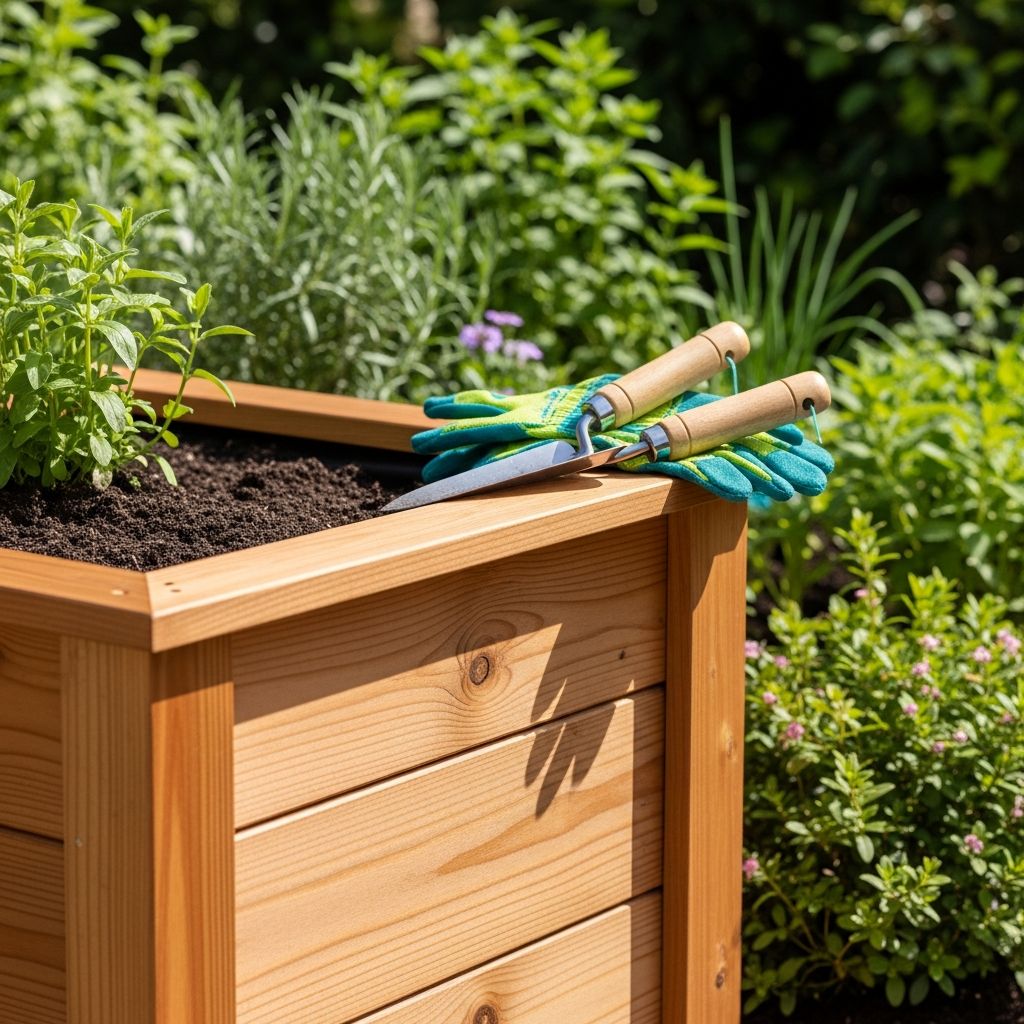
Wooden planters offer versatile, natural appeal for growing flowers, herbs, vegetables, or shrubs in patios, balconies, or yards. Proper preparation prevents rot, ensures drainage, and promotes plant health, extending the structure’s lifespan for years of enjoyment.
Selecting the Right Wood for Outdoor Durability
Choosing suitable wood forms the foundation of a long-lasting planter. Opt for naturally rot-resistant species like cedar or redwood, which contain oils that repel moisture and insects. Pressure-treated lumber provides an affordable alternative, infused with preservatives to withstand weather exposure.
- Cedar: Lightweight, aromatic, and naturally durable without chemicals.
- Redwood: Dense grain resists decay; heartwood is most effective.
- Pressure-treated pine: Budget-friendly, but verify it’s rated safe for gardening to avoid chemical leaching into soil.
Avoid untreated softwoods like spruce or fir, as they degrade quickly outdoors. For raised designs, thicker boards (at least 1-inch) add stability against soil pressure.
Essential Cleaning and Surface Preparation
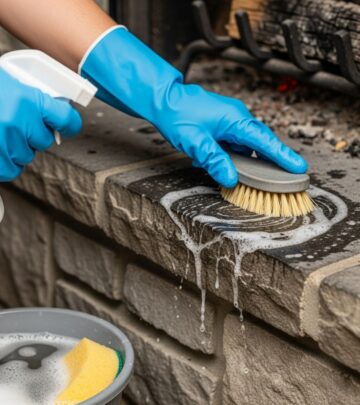
Before assembly or treatment, clean new or repurposed wood thoroughly. Remove dirt, sawdust, or residues using a mild bleach-water solution (1 part bleach to 10 parts water). Scrub with a stiff brush, rinse well, and allow complete drying under sunlight for 24-48 hours.
Sanding smooths rough edges and opens wood pores for better sealant absorption. Start with 80-grit sandpaper, progressing to 180-grit for a fine finish. This step enhances aesthetics and longevity by minimizing water ingress at cracks.
Applying Protective Sealants and Finishes
Sealants create a barrier against moisture, the primary cause of wood rot. Use exterior-grade products designed for garden use, such as spar varnish, linseed oil, or water-based wood preservatives. Apply two to three coats with a brush, allowing 4-6 hours drying between layers.
| Sealant Type | Pros | Cons | Best For |
|---|---|---|---|
| Spar Varnish | UV protection, glossy finish | Requires reapplication yearly | Exposed sunny locations |
| Linseed Oil | Penetrates deeply, natural look | Slower drying, multiple coats needed | Rustic planters |
| Water-Based Sealer | Low odor, quick dry | Less durable in heavy rain | Indoor-outdoor use |
Focus interior surfaces first, as they face constant soil moisture. For exteriors, lighter stains preserve the wood’s grain while adding color options like earthy tones.
Creating Effective Drainage Systems
Excess water leads to root rot, so drainage is non-negotiable. Drill 1/2-inch holes every 6-8 inches across the base, spacing them evenly. Elevate the planter on bricks or pot feet (1-2 inches high) to allow airflow beneath.
For enhanced drainage, add a 2-inch layer of gravel or coarse sand at the bottom before soil. This prevents clogging while facilitating water exit. In heavy rain areas, consider a slight slope in the base design during construction.
Lining Interiors for Moisture Control
Lining shields wood from soil saturation. Landscape fabric or burlap provides breathability, stapled securely to sides and bottom. Punch drainage holes matching the base perforations.
Black plastic sheeting offers robust protection; overlap seams and secure with staples. Combine layers for optimal results: chicken wire for structure, fabric for soil retention, and plastic for waterproofing. Trim excess at the top rim for a clean edge.
- Staple every 4 inches along edges.
- Test drainage by pouring water through before planting.
- Replace liners every 2-3 years if degrading.
Filling with the Ideal Growing Medium
Use premium potting mix, not garden soil, to avoid compaction and pests. A blend of 40% compost, 30% peat or coir, 20% perlite, and 10% vermiculite ensures aeration and nutrients. Fill to 2 inches below the rim, allowing mulch topping to retain moisture.
For vegetables, incorporate slow-release fertilizers. Test pH (aim for 6.0-7.0) and adjust with lime or sulfur as needed. Pre-moisten mix before planting to eliminate air pockets.
Placement and Environmental Considerations
Position planters in spots matching plant needs: full sun for tomatoes (6-8 hours), partial shade for ferns. Ensure 2-3 feet spacing for air circulation, reducing fungal risks. Near water sources simplifies maintenance.
Protect from frost by moving indoors or insulating in winter. Rotate annually to prevent uneven sun exposure and promote even growth.
Common Mistakes to Avoid in Preparation
Skipping sealant leads to premature decay; always prioritize protection. Overpacking soil compresses roots—leave expansion space. Ignoring drainage invites waterlogging. Using metal fasteners without galvanization causes rust stains.
Regular inspections catch issues early: check for cracks, retouch sealant yearly, and refresh soil every season.
Customization Ideas for Unique Planters
Tailor designs for aesthetics and function. Add trellises for climbers, paint exteriors in bold colors, or embed solar lights. Multi-tiered setups maximize vertical space on small patios.
For edibles, ensure food-safe treatments. Experiment with shapes: rectangular for veggies, round for ornamentals.
Frequently Asked Questions
Can I use untreated wood for planters?
No, untreated wood rots quickly from soil moisture. Always select treated or naturally resistant types and apply sealants.
How often should I reseal wooden planters?
Inspect annually; reseal exteriors every 1-2 years, interiors as needed or every season for heavy use.
What if my planter lacks drainage holes?
Drill them immediately—1/2-inch diameter, spaced 6 inches apart—to prevent root rot from standing water.
Is plastic lining necessary?
Highly recommended for longevity, especially with moist soil mixes. It prevents direct wood-soil contact.
Best plants for wooden planters?
Herbs like basil, vegetables such as lettuce, flowers including petunias, or small shrubs thrive with proper prep.
References
- Pressure-treated Timber for Planters — BBC Gardeners World Magazine. 2023-01-15. https://www.gardenersworld.com/how-to/diy/how-to-make-a-wooden-planter/
- Cedar and Lining Techniques for Raised Beds — Instructables DIY Guide. 2022-05-10. https://www.instructables.com/How-Make-a-DIY-Raised-Planter-Box/
- Drainage and Potting Mix Standards — USDA Cooperative Extension (via potsplantersandmore synthesis). 2024-03-20. https://potsplantersandmore.com/blog/ultimate-guide-to-planting-caring-for-and-combining-plants-in-containers/
- Wood Preparation Guidelines — Home Depot DIY Standards. 2023-11-08. https://www.homedepot.com/c/ah/diy-planter-boxes/9ba683603be9fa5395fab9083156597
- Planter Box Gardening Practices — Swansons Nursery Extension. 2024-06-12. https://www.swansonsnursery.com/blog/how-to-garden-in-planter-boxes
Similar Articles








Read full bio of medha deb