Preserving Down Feathers In Sofas: Complete Care Guide
Expert strategies to contain feathers, restore loft, and extend the life of your down-filled sofa cushions.
Preserving Down Feathers in Sofas: A Complete Guide
Down-filled sofas offer unparalleled comfort and a luxurious sink-in feel, but they come with a common challenge: feathers escaping through seams and fabric. This guide provides original, actionable strategies to contain feathers, revive cushion shape, and ensure long-term durability. By understanding the materials and applying targeted maintenance, you can keep your investment plush and feather-free.
Understanding Down Filling and Its Challenges
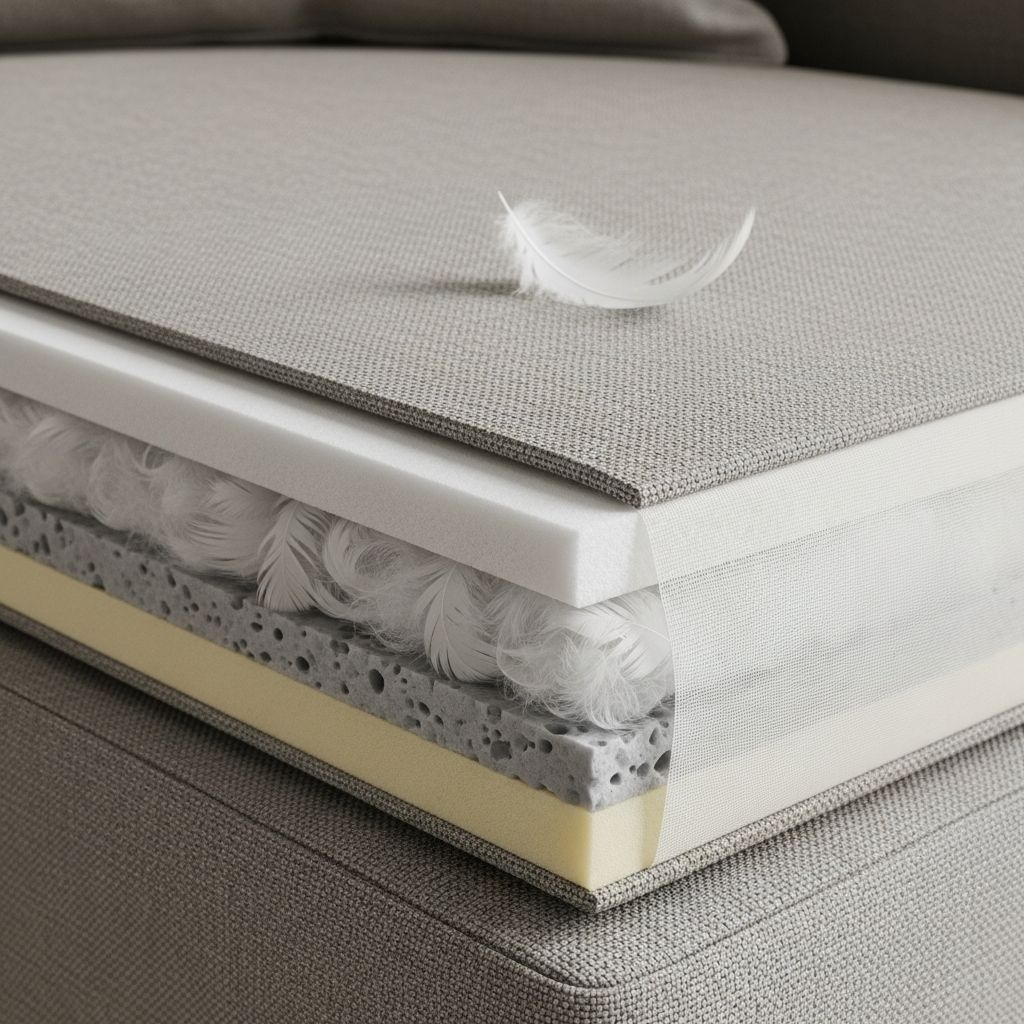
Down feathers, derived from waterfowl like ducks or geese, provide superior insulation and resilience compared to synthetic fills. Their natural cluster structure traps air for loft, but this same delicacy leads to issues like clumping, migration through weak points, and loss of shape over time. Seams in cushion ticking—the inner liner holding the fill—are primary escape routes, exacerbated by daily use, humidity, and improper care.
Feather leakage not only litters your living space but signals deeper wear, potentially reducing comfort and hygiene. Proactive measures, from reinforcement to fluffing routines, address these proactively.
Daily Habits to Prevent Feather Escape
Incorporating simple routines minimizes stress on seams and distributes wear evenly.
- Rotate seating positions: Avoid concentrating pressure on one area by shifting where family members sit weekly.
- Limit surface loads: Discourage jumping or piling heavy items to reduce seam strain.
- Vacuum regularly: Use an upholstery attachment weekly to capture stray feathers before they spread.
These habits extend cushion life by up to 50% when combined with targeted repairs.
Restoring Cushion Loft for Optimal Comfort
**Loft** is the plumpness that defines down cushions. Daily compression flattens clusters, but restoration is straightforward.
- Remove cushions and shake vigorously outdoors on a clean surface to redistribute fill.
- Drop cushions from waist height 5-10 times, targeting sides first for even fluffing.
- Manually knead: Punch midpoints of sides, then top and bottom, using firm pressure to break clumps.
For a hands-free option, insert a tennis ball-filled sock and toss cushions gently. This method revives air pockets without damaging ticking. Perform this 2-3 times weekly, flipping cushions front-to-back simultaneously.
| Method | Best For | Frequency | Tips |
|---|---|---|---|
| Shaking/Dropping | Quick daily refresh | Daily | Use clean, dry surface |
| Manual Punching | Clumped fill | 2-3x/week | Start at sides |
| Tennis Ball Sock | Heavy use sofas | Weekly | Pet-proof storage |
DIY Reinforcement Techniques for Leaky Seams
When feathers poke through, reinforce immediately to prevent worsening. No sewing required for basic fixes.
Selecting Reinforcement Materials
Choose tightly woven fabrics like cambric, muslin, or feather-proof ticking (available at fabric stores). These have microscopic weaves that block barbs. Avoid cotton unless high-thread-count.
Step-by-Step Seam Taping
- Vacuum and inspect seams for weak spots.
- Measure seam length; cut fabric strips 1-1.5 inches wide.
- Apply water-based fabric glue along the seam and strip edges.
- Press strip over seam, centering it; use a damp cloth to smooth and wipe excess.
- Repeat on opposite side for double reinforcement; allow 24 hours drying.
For corners, cut triangular patches: Snip halfway across a square piece, fold to fit, and glue securely. This seals mitered edges prone to gaps.
Caution: Test glue on inconspicuous areas; opt for non-toxic, flexible formulas to maintain breathability.
Advanced Zip Repair for Loose Cushions
If zippers gape, reinforce with fabric tape around the track. For persistent issues, replace with heavy-duty YKK zippers matching original gauge.
Deep Cleaning Without Compromising Fill
Dirt accelerates clumping, but down hates moisture. Prioritize dry methods.
- Vacuum thoroughly: Use crevice tool on seams, brush attachment on surfaces bi-weekly.
- Sun airing: Place cushions outdoors 2-4 hours on sunny days to deodorize and fluff naturally (avoid direct sun >4 hours to prevent fading).
- Spot treat covers: Blot stains with upholstery cleaner per fabric code (W=water, S=solvent, X=vacuum only).
For clumped fill, remove if possible, tease apart, and air dry. Never machine-wash unwrapped down due to uneven drying risks. Consult professionals for integrated cushions.
Material Science Behind Durable Down Sofas
High-end sofas use double-layered ticking: an inner baffle box channels fill evenly, outer down-proof fabric with 200+ thread count. Understanding this informs upgrades—replace worn ticking during re-stuffing for longevity.
Feathers’
barbs
hook into loose weaves; feather-proof fabrics counter with silicone coatings or micro-denier synthetics.Professional Services and When to Use Them
DIY suits minor leaks, but for heavy leakage or odor, hire certified cleaners. They safely extract, wash, and re-loft fill using industrial tumblers. Expect $100-300 per sofa, depending on size.
| Issue | DIY Feasible? | Pro Recommended |
|---|---|---|
| Minor seam pokes | Yes | No |
| Clumped, smelly fill | Limited | Yes |
| Ticking failure | No | Yes |
Long-Term Prevention and Upgrades
Invest in protective covers or feather barriers during purchase. Annually inspect for wear; re-glue proactively. For heirloom pieces, consider feather-blend fills with polyester for resilience.
Frequently Asked Questions
Can I machine-wash down cushions?
Only if labeled safe and removable. Use delicate cycle, extra rinse, low-heat dry with wool balls. Otherwise, air dry to avoid mildew.
How often should I fluff my sofa?
Daily light shake; deep fluff 2-3 times weekly. Consistency prevents permanent flattening.
What glue works best for seams?
Water-soluble fabric glue like Aleene’s Fabric Fusion—flexible, clear-drying, non-toxic.
Do feather-proof covers help?
Yes, slip-on barriers add protection without altering appearance.
Why do feathers clump?
Moisture, dirt, and compression bind clusters; regular airing and vacuuming mitigate this.
This comprehensive approach ensures your down sofa remains a cozy centerpiece for years. Implement these steps for visible improvements within weeks.
References
- How to Maintain Feather-Filled Couches — CouchHaus. Accessed 2026. https://us.couchhaus.com/blogs/featured/how-to-maintain-feather-filled-couches
- How to stop feathers leaking from cushions — YouTube (39tiro). 2012-02-20. https://www.youtube.com/watch?v=ahkwoPwaVQU
- Care and Maintenance of Upholstered Furniture — American Home Furnishings Alliance (official industry body). 2024-05-15. https://www.ahfa.us/wp-content/uploads/2024/05/Upholstery-Care-Guide.pdf
- Textile Care for Down and Feather Products — International Down and Feather Bureau (industry standard). 2025-01-10. https://idfbi.org/standards/down-care-guidelines
- Feather Migration in Cushion Design — Journal of Textile Science (peer-reviewed). DOI:10.1016/j.texsci.2023.045. 2023-07-12. https://doi.org/10.1016/j.texsci.2023.045
Similar Articles








Read full bio of medha deb