Preserving Geraniums Through Winter: Complete Care Guide
Master year-round geranium cultivation with proven overwintering techniques.
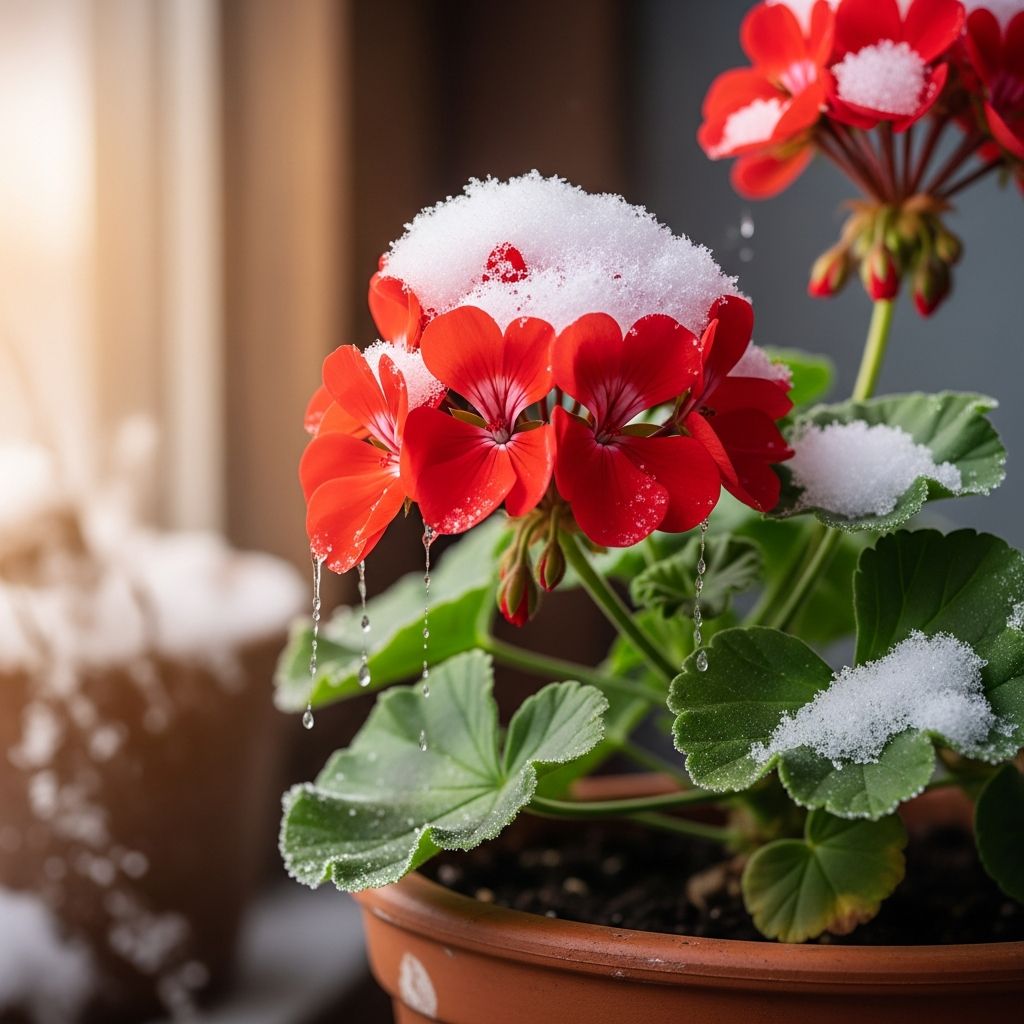
Understanding Geranium Overwintering Fundamentals
Geraniums represent some of the most beloved flowering plants in gardens across temperate climates, yet their survival through harsh winter months requires intentional planning and proper technique. Unlike many annual flowers that complete their life cycle within a single growing season, geraniums possess the remarkable capacity to persist through extended dormancy periods, making them ideal candidates for winter preservation. Understanding the biological nature of these plants is essential before implementing any overwintering strategy, as geraniums have evolved to withstand significant environmental challenges when provided with appropriate conditions.
The key to successful winter preservation lies in recognizing that geraniums do not require constant warmth or moisture to survive. In fact, their thick, succulent-like stems enable them to endure prolonged periods with minimal water and soil contact. This unique characteristic distinguishes geraniums from most other ornamental plants and opens multiple pathways for winter care, allowing gardeners to select methods that best suit their available space, climate zone, and personal preferences.
Transitioning Geraniums Indoors as Living Houseplants
Bringing geraniums indoors to function as houseplants throughout winter represents perhaps the most straightforward preservation method for many home gardeners. This approach maintains active plant growth, providing aesthetic enjoyment and the satisfaction of nurturing vibrant foliage during the dormant outdoor season. Success with this method requires attention to several critical environmental factors that directly influence plant vigor and appearance.
The timing of the transition is paramount. Gardeners should excavate plants from garden beds or relocate potted specimens indoors before the first killing frost arrives in their region, typically 4 to 6 weeks before expected freezing temperatures. When extracting plants from soil, care must be taken to minimize root damage. Select appropriately sized containers with adequate drainage holes, using quality potting soil rather than garden soil, which may compact and restrict water movement.
Upon bringing plants indoors, perform substantial pruning by cutting back one-third to one-half of the existing growth. This reduction serves multiple purposes: it removes diseased or damaged tissue, eliminates weak growth patterns, and signals the plant to redirect energy toward new, vigorous development. Inspect all plant material carefully for pest hitchhikers that may have arrived from the garden environment, applying targeted insecticide treatments designed for indoor plant transitions if necessary.
Creating the Optimal Indoor Environment
Indoor geraniums demand bright conditions to prevent the leggy, elongated growth that frequently develops in insufficient light. Positioning plants on south-facing windowsills provides natural light, though supplemental artificial lighting or combination lighting systems prove beneficial during months with reduced daylight hours. The light intensity should be sufficient that plants cast distinct shadows and show robust, compact branching patterns rather than stretching toward the light source.
Temperature management significantly affects overwintered geraniums. Maintain daytime temperatures around 60 to 65 degrees Fahrenheit, allowing nighttime temperatures to drop slightly cooler. Avoid placing plants near heat sources such as vents, radiators, or fireplaces, as excessive warmth encourages weak growth and increased susceptibility to spider mites. The cooler indoor environment slows metabolic processes, reducing water and nutrient requirements while promoting plant durability and eventual flowering capacity.
Watering protocols should follow the soil dryness indicator method rather than adhering to fixed schedules. Check soil moisture by inserting a finger approximately one inch below the surface; water only when this zone feels dry. Overwatering represents the most common cause of failure with indoor geraniums, as it creates conditions favorable for fungal diseases and root rot. Allow pots to drain completely after watering, ensuring excess moisture does not accumulate in saucers beneath containers.
Maintenance Practices for Indoor Plants
Pinching back shoots encourages branching and prevents the development of tall, sparse growth patterns. When plants reach heights of 4 to 6 inches, remove the terminal growing tip just above a leaf node; this technique stimulates two new branches to emerge from that location, creating fuller, more attractive specimens. Light fertilization in early spring supports emerging growth, but avoid heavy feeding during winter dormancy when plants lack the light intensity necessary to utilize excess nutrients.
Monitor indoor plants monthly throughout the overwintering period, inspecting for signs of pest infestations, disease development, or environmental stress. Spider mites frequently plague indoor geraniums in warm, dry conditions, appearing as stippled discoloration on foliage; maintaining adequate humidity and moderate temperatures inhibits these pests. Remove any yellowed, diseased, or severely damaged leaves promptly to maintain plant health and appearance.
Dormant Bare Root Storage Method
For gardeners with limited indoor space or those seeking a hands-off winter preservation approach, dormant bare root storage presents an efficient alternative. This method capitalizes on geraniums’ natural ability to survive extended periods without soil, requiring minimal monitoring and occupying negligible storage space. Plants enter a true dormancy state during this storage period, emerging from their rest phase when spring conditions return.
Preparation for dormancy begins in autumn before hard freezes occur. Extract geraniums from garden soil or their growing containers and gently remove as much loose soil as possible from the root systems. Lay plants on newspaper in a sunny location to allow thorough drying; this step proves critical for disease prevention, as any residual moisture can promote mold development during winter storage. Plants should feel completely dry to the touch before packaging, though avoid prolonged sun exposure that would cause excessive shriveling.
Creating Proper Storage Conditions
Store dormant geraniums in a dark location maintaining temperatures between 50 to 60 degrees Fahrenheit. Basements, unheated garages, crawlspaces, or frost-free cold frames provide suitable environments. The darkness signals the plant to maintain dormancy rather than attempting growth in unfavorable conditions. Place dried plants in paper bags, cardboard boxes, or other breathable containers that permit air circulation while protecting plants from excessive drying.
The remarkable aspect of dormant storage is the minimal maintenance requirement. Plants need not be watered, misted, or inspected during winter, as they require no active growth resources. This storage method eliminates concerns about fungal diseases, pest infestations, and the space constraints of maintaining numerous potted plants indoors. Geraniums can remain in storage for extended periods without deterioration, provided temperature and humidity remain stable and the storage location remains dark.
Reviving Dormant Geraniums for Spring
As spring arrives and soil temperatures begin warming, bring dormant geraniums into a brightly lit location, ideally with direct sunlight exposure. Place the dried stems in pots filled with seed-starting mix, moistening the soil thoroughly. The resurrection process initially appears unpromising, as plants resemble dead wooden sticks with no visible signs of life. However, within two to three weeks, new shoots and leaves typically emerge as the plant senses favorable growing conditions and resumesactive metabolism.
Once vibrant new growth appears, gradually increase watering as the soil dries between applications, and begin fertilizing with balanced liquid fertilizer at half strength. Plants benefit from hardening off before outdoor transplanting, a process involving gradual exposure to outdoor conditions over 7 to 10 days to allow acclimation before permanent garden installation.
Propagation Through Stem Cuttings
Creating new geranium plants from stem cuttings offers several advantages: it requires minimal space, produces multiple young plants from a single mature specimen, and generates less woody, more floriferous plants than overwintered mother plants. This method proves particularly valuable for gardeners wanting to expand their geranium collection or replace aging plants with vigorous young specimens.
Timing for cutting collection should occur before the first frost, using healthy, disease-free stem tips. Select 3 to 4-inch stem sections from the plant’s outer portions, cutting just below a leaf node with a sharp, clean knife. Remove the lower leaves from each cutting, leaving only 1 to 2 leaves at the terminal end. This leaf removal reduces water loss and prevents lower leaves from touching soil, which could promote rot.
Rooting and Development Process
Dip the cut end of each stem into rooting hormone powder, which stimulates root development and increases the success rate substantially. Prepare small containers with drainage holes, filling them to within one-half inch of the rim with seed-starting mix or a light perlite-based medium. Insert the treated cutting into the soil, gently firming the medium around the stem to ensure contact without compacting excessively.
Water the cuttings thoroughly, then place a clear plastic bag over the pot to maintain humidity while monitoring for mold development. Position containers under bright fluorescent or LED grow lights, maintaining approximately 14 to 16 hours of illumination daily. Maintain soil moisture so it remains moist but not waterlogged, as excessive moisture invites fungal diseases.
Rooting typically requires 4 to 8 weeks, after which young plants exhibit visible root emergence from drainage holes and vigorous new growth. At this stage, transplant rooted cuttings into individual 3 to 4-inch pots filled with potting soil, then cultivate as conventional houseplants until spring transplanting.
Alternative Protected Growing Environments
Gardeners with access to additional structures can utilize unheated greenhouses, cold frames, or sheltered garages to extend the season and provide intermediate protection between full indoor cultivation and outdoor dormancy. An unheated greenhouse maintaining minimum temperatures above 45 degrees Fahrenheit offers an excellent balance between protection and natural light conditions. Proper air circulation remains essential in such environments, as stagnant air promotes mold and fungal diseases common to overwintering geraniums.
For extreme cold events, even in protected structures, covering potted plants with frost cloth or blankets during anticipated freezing nights provides supplemental insulation. Garages and cold frames function similarly, though they typically provide less light than greenhouses, necessitating supplemental artificial lighting for maintaining plant vigor. Check plants monthly in these environments, watering when soil surface feels dry and removing any diseased foliage promptly.
Comparative Analysis of Overwintering Methods
| Method | Space Requirements | Maintenance Level | Light Conditions | Best For |
|---|---|---|---|---|
| Indoor Houseplant | Moderate to High | Regular Attention | Bright Window/Supplemental Light | Continuous Winter Interest |
| Dormant Bare Root | Minimal | Minimal | Dark Storage | Space-Limited Gardens |
| Stem Cuttings | Moderate | Regular Attention | Grow Lights Required | Plant Propagation |
| Protected Structures | High | Monthly Checks | Natural with Supplemental Option | Large Collections |
Seasonal Timing and Preparation Schedule
Successful overwintering begins with appropriate advance preparation rather than last-minute scrambling before killing frosts arrive. In late summer and early autumn, approximately 6 weeks before expected first frost dates, begin inspecting geraniums for health concerns and pest infestations. If diseases are present, treat affected plants before bringing them indoors, as stressed plants may not survive overwintering.
By mid-autumn, transition selected plants indoors or prepare storage facilities for dormant specimens. Avoid delays, as sudden cold snaps can damage plants not yet protected. Throughout the winter storage period, maintain consistent conditions without dramatic temperature fluctuations. In late winter and early spring, begin gradually introducing light and warmth to dormant plants to stimulate emergence. As spring arrives, implement hardening-off procedures before moving plants outdoors permanently.
Frequently Asked Questions
Q: Can geraniums survive outdoors in my climate during winter?
A: This depends on your climate zone. True geraniums (Pelargonium species) are tender perennials hardy only in USDA zones 10 to 11. In colder regions, outdoor survival requires exceptionally mild winters and typically results in plant decline. Overwintering using protected methods ensures better survival and vigor.
Q: How often should I water indoor overwintering geraniums?
A: Water when the top inch of soil feels dry to the touch, typically every 7 to 14 days depending on indoor temperature and humidity. Overwatering causes root rot and fungal diseases, so err on the side of underwatering rather than excessive moisture.
Q: Why are my overwintered geraniums becoming tall and spindly?
A: Leggy growth results from insufficient light and excessively warm temperatures. Provide bright light (a sunny windowsill or supplemental grow lights) and maintain temperatures around 60 to 65 degrees Fahrenheit. Pinch back shoots to encourage branching.
Q: What should I do with geranium cuttings if rooting fails?
A: Check that cuttings remained moist but not waterlogged, and verify adequate light conditions. Common causes of failure include fungal rot from excessive moisture, insufficient light, and damaged cuttings. Remove affected cuttings and replace with fresh ones, adjusting your moisture and light management.
Q: Can I overwinter geraniums in an unheated garage?
A: Yes, unheated garages work well for dormant bare root storage if temperatures remain between 50 to 60 degrees Fahrenheit. For overwintering as houseplants, garages typically lack sufficient light, requiring supplemental grow lights for plant health.
Q: When should I begin fertilizing overwintered geraniums?
A: Delay fertilization until spring when new growth becomes vigorous and day length increases. Begin with light applications of balanced fertilizer at half strength, increasing concentration as the growing season progresses.
References
- Overwintering Tender Geraniums — University of Wisconsin-Madison Department of Horticulture. 2024-09-26. https://hort.extension.wisc.edu/articles/overwintering-tender-geraniums/
- How to overwinter geraniums for next year’s garden — University of Illinois Extension. 2024-10-11. https://extension.illinois.edu/blogs/good-growing/2024-10-11-how-overwinter-geraniums-next-years-garden
- How to Keep Geraniums Over the Winter — Gingham Gardens. 2024. https://ginghamgardens.com/how-to-overwinter-geraniums/
- 4 Easy Options for Overwintering Your Geraniums — Shiplap and Shells. 2024. https://shiplapandshells.com/4-options-overwintering-geraniums/
Similar Articles



Read full bio of Sneha Tete