Reviving Juniper Shrubs: Prevent and Fix Browning
Discover proven strategies to diagnose, treat, and prevent browning in juniper bushes for lush, healthy evergreens year-round.
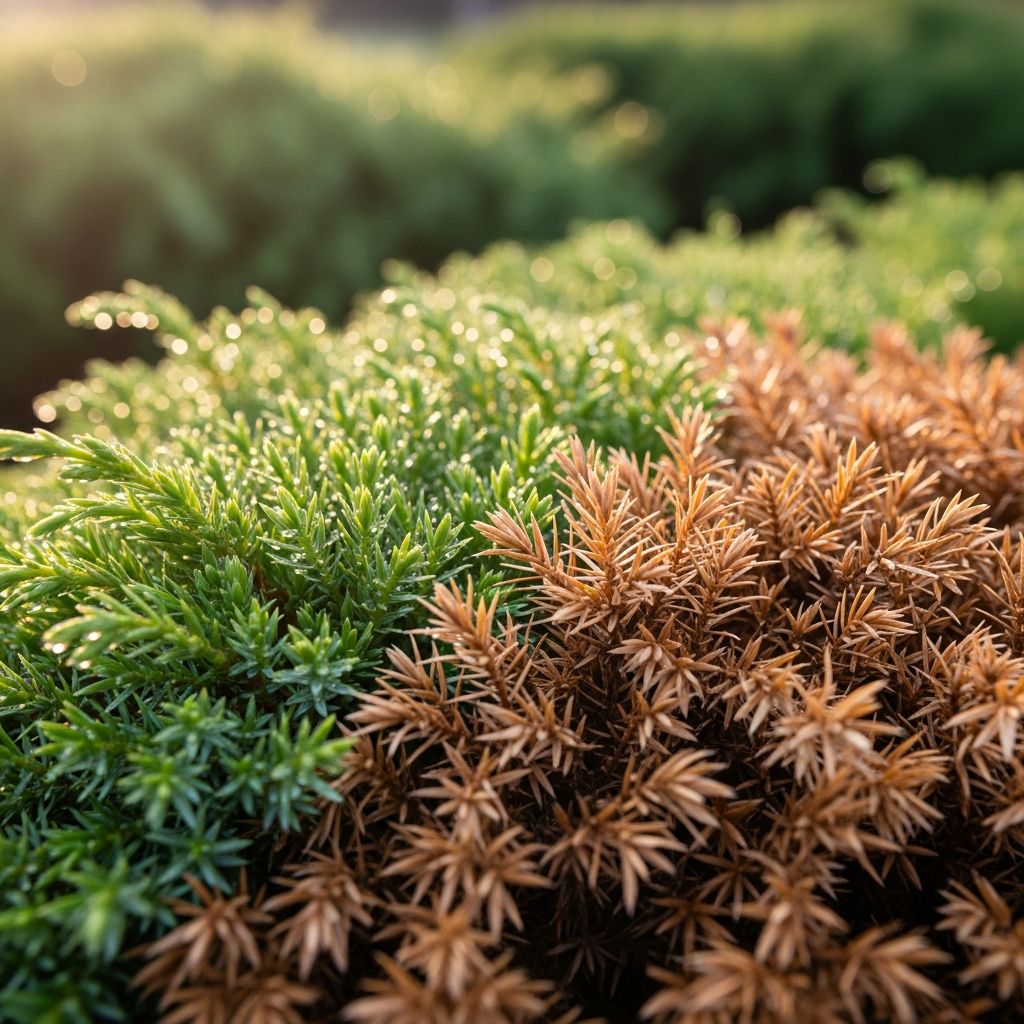
Juniper shrubs are resilient evergreens prized for their year-round color, versatility in landscapes, and low-maintenance appeal. However, browning foliage can signal underlying problems that, if unaddressed, may lead to plant decline. This guide explores the primary causes of browning in junipers, offers step-by-step diagnostic and remedial actions, and provides long-term care strategies to restore and maintain healthy growth.
Understanding Why Junipers Turn Brown
Browning in juniper shrubs often stems from environmental stress, cultural mismanagement, or biological threats. Unlike deciduous plants that naturally shed leaves, evergreens like junipers retain foliage for several years, making discoloration particularly noticeable and indicative of issues. Common triggers include improper watering, poor soil conditions, mechanical damage, pests, and diseases. Early identification is crucial, as junipers recover slowly from severe stress.
Key Indicators of Trouble
- Uniform browning: Often linked to drought, overwatering, or winter injury.
- Patchy discoloration: Suggests pests, fungal infections, or salt damage.
- Tip browning: Typically from desiccation or root issues.
- Interior browning: Normal shedding of older needles, but excessive amounts signal problems.
Observe the pattern, timing, and affected areas to pinpoint the cause before intervening.
Environmental Stress and Its Impact
Junipers thrive in full sun with well-drained, slightly acidic soils, tolerating a wide range of conditions once established. However, deviations can cause browning. Drought stress leads to needle desiccation, especially in hot, windy sites, while overwatering promotes root rot in heavy clay soils.
| Stress Factor | Symptoms | Solution |
|---|---|---|
| Drought | Dry, brittle tips; whole-plant wilting | Deep, infrequent watering; mulch |
| Overwatering | Soft rot at base; yellowing before brown | Improve drainage; reduce frequency |
| Winter Burn | Bronzing on south/west sides | Windbreaks; anti-desiccant sprays |
| Salt Damage | Brown tips near roads | Rinse foliage; leach soil |
For slopes or erosion control, low-growing junipers excel but require monitoring for soil erosion exposing roots.
Soil and Nutrient Management for Healthy Junipers
Junipers prefer organically rich, well-drained soils with a pH of 6.0-7.5. Poor drainage is a leading cause of root rot and subsequent browning. When planting, amend with 20% organic matter and ensure holes are twice as wide as the root ball but not deeper.
- Plant in early spring or fall for root establishment.
- Tease pot-bound roots to encourage outward growth.
- Apply 2-3 inches of mulch around the base, keeping it away from the trunk to prevent rot.
Fertilize sparingly with slow-release, balanced formulas in early spring if growth is lackluster. Excess nitrogen promotes soft growth susceptible to disease. Test soil periodically, especially in high-pH areas where iron chlorosis can mimic browning.
Watering Best Practices to Avoid Browning
Established junipers are drought-tolerant but newly planted ones need consistent moisture. Water deeply every 7-14 days until roots expand, then only during prolonged dry spells. Overwatering is more detrimental, fostering fungal pathogens.
Check soil moisture 6 inches deep; water if dry. Early morning irrigation minimizes evaporation and fungal risk. In containers, use dwarf varieties and ensure pots have drainage holes, watering when the top inch dries.
Pruning Techniques for Vibrant Junipers
Junipers require minimal pruning to preserve their natural shape. In early spring, remove dead, diseased, or crossing branches with clean shears, cutting back to live tissue. Avoid shearing into old wood, as junipers do not regrow from bare stems, leading to persistent brown patches.
- Select sharp bypass pruners sanitized with alcohol.
- Pinch or cut long shoots during the growing season to densify foliage pads.
- Thin dense areas for air circulation, reducing disease risk.
- Never remove more than 25% of foliage at once.
For overgrown shrubs, gradual renovation over 2-3 years prevents shock.
Combating Pests That Cause Discoloration
Pests like spider mites, aphids, and bagworms target junipers, sucking sap and causing stippling or defoliation that turns brown. Spider mites thrive in hot, dry conditions; shake foliage over white paper to detect moving specks.
- Treatment: Insecticidal soap or horticultural oil sprays, applied weekly until controlled.
- Prevention: Water during droughts; avoid dense foliage buildup.
- Bagworms require hand-picking bags or Bacillus thuringiensis for larvae.
Monitor undersides of needles regularly, especially in stressed plants.
Disease Prevention and Control
Fungal issues like Phytophthora root rot, Kabatina tip blight, and cedar-apple rust cause browning. Root rot from wet soils leads to wilting; tip blight shows black bands on needles. Rust produces galls and orange spores.
Cultural controls are primary: ensure air circulation, avoid overhead watering, and remove infected parts promptly. Fungicides like copper-based sprays may help for blight, but severely affected plants often need removal to protect neighbors.
Seasonal Care Calendar
| Season | Tasks |
|---|---|
| Spring | Prune dead wood; fertilize lightly; plant new stock |
| Summer | Monitor pests; water deeply in heat; pinch tips |
| Fall | Mulch; inspect for diseases; avoid late pruning |
| Winter | Protect from wind; check for desiccation |
Restoring Severely Browned Junipers
For advanced browning, act swiftly: prune dead tissue, improve soil drainage, and provide supplemental water/nutrients. Recovery may take 1-2 seasons; if less than 50% green foliage remains, replacement is advisable. Test for recovery by new growth in spring.
Frequently Asked Questions (FAQs)
Why are my juniper tips turning brown?
Tip browning often results from winter desiccation, spider mites, or tip blight. Inspect for pests and improve winter protection.
Can I save a juniper with all brown branches?
Recovery is unlikely if no live buds remain, as junipers don’t sprout from old wood. Focus on prevention for remaining plants.
How often should I water juniper shrubs?
New plants weekly; established ones only during extreme drought. Overwatering causes more harm than under.
Is pruning necessary for junipers?
Minimal pruning suffices; remove deadwood annually to maintain health and shape.
What fertilizer is best for browning junipers?
Use slow-release, balanced types sparingly in spring. Soil tests guide amendments.
This comprehensive approach ensures junipers remain lush landscape staples. Implement changes gradually and monitor progress for optimal results.
References
- How to Grow & Care for Juniper Shrubs & Trees — Garden Design. 2023-06-01. https://www.gardendesign.com/shrubs/juniper.html
- How To Grow And Care For A Juniper Tree — Gardeners’ World. 2024-01-15. https://www.gardenersworld.com/how-to/grow-plants/juniper-tree-juniperus-communis/
- Care guide for the Juniper Bonsai tree — Bonsai Empire. 2023-11-20. https://www.bonsaiempire.com/tree-species/juniper
- Juniper Care Guide — City Floral Greenhouse & Garden Center. 2018-06-01. https://cityfloralgreenhouse.com/2018/06/juniper-care-guide/
- How to Trim Juniper Shrubs: A Comprehensive Guide — TN Nursery. 2023-05-10. https://www.tnnursery.net/blogs/garden-blog/how-to-trim-juniper-shrubs
Similar Articles








Read full bio of Sneha Tete