Stop Grease Buildup: Practical Guide For A Cleaner Kitchen
Master simple daily routines and smart strategies to eliminate grease accumulation and maintain a spotless kitchen effortlessly.
Stop Grease Buildup in Your Kitchen Now
Grease accumulation poses a persistent challenge in any cooking space, turning fresh environments into sticky, odorous zones over time. This comprehensive guide outlines practical strategies to halt grease at its source, covering surface maintenance, drain protection, appliance care, and cooking adjustments for long-term cleanliness.
Understanding Grease Challenges in Modern Kitchens
During routine meal preparation, oils and fats vaporize and splatter, adhering to walls, counters, cabinets, and hidden crevices. Over time, these deposits harden, attracting dust and bacteria while complicating airflow in ventilation systems. According to plumbing experts, even small amounts of fats entering drains solidify into blockages that demand professional intervention. Addressing this requires proactive measures across all kitchen zones.
Essential Daily Routines for Surface Protection
Incorporating brief cleaning sessions into your cooking workflow prevents minor splatters from escalating. Focus on high-impact areas like backsplashes, stovetops, and cabinet fronts immediately after use.
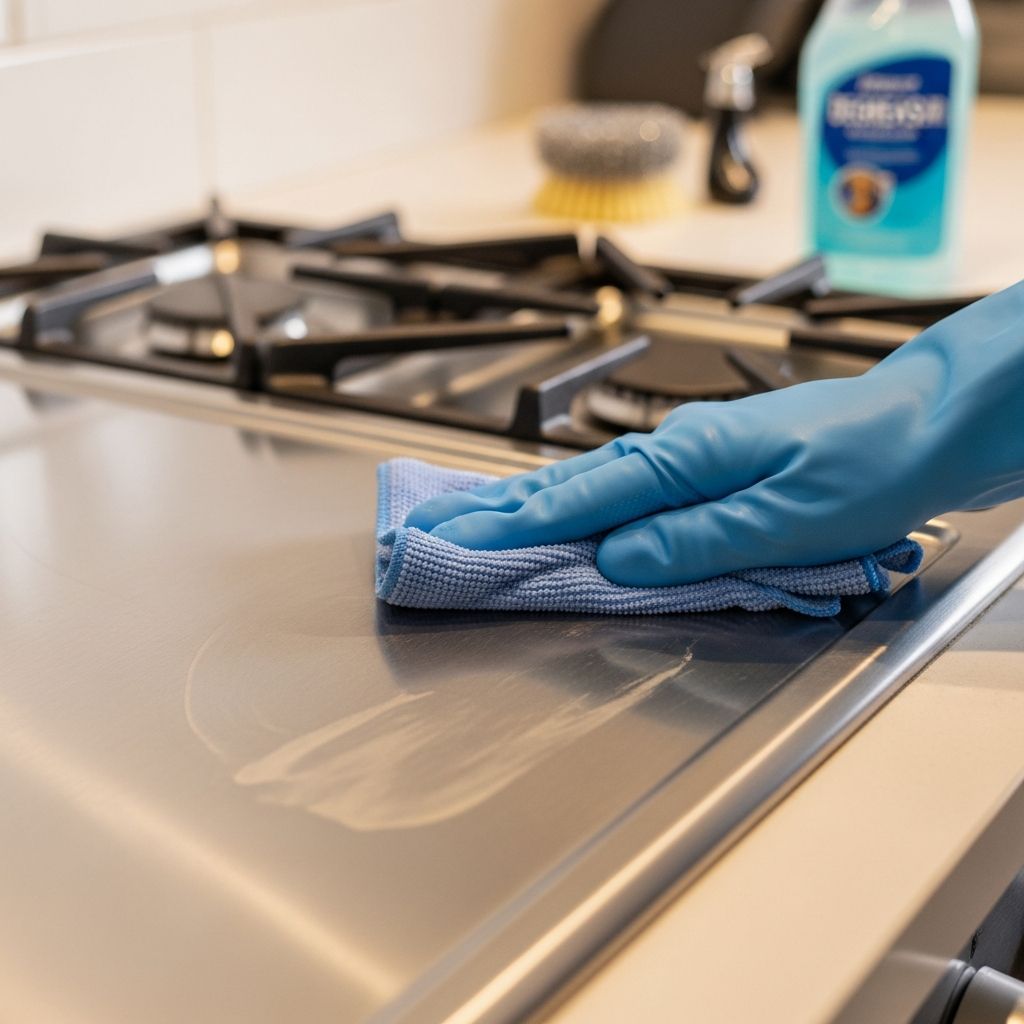
- Keep a spray bottle of warm water mixed with dish soap near the stove for instant wipe-downs on hot surfaces once cooled slightly.
- Use microfiber cloths dampened with a degreasing solution to capture airborne particles before they settle.
- Employ splatter guards or pot lids during frying to minimize oil projection onto surrounding areas.
These habits, performed in under five minutes post-meal, significantly reduce weekly scrubbing needs.
Optimizing Ventilation to Capture Airborne Oils
Effective air extraction is crucial for removing grease-laden vapors before they condense on surfaces. Activate your range hood 5-10 minutes prior to cooking and maintain it running for equal time afterward.
- Opt for externally vented hoods over recirculating models to expel particles outdoors.
- Inspect and wash metal mesh filters bi-weekly by soaking in hot, soapy water; replace charcoal filters quarterly as needed.
- For apartments or limited setups, supplement with portable air purifiers featuring HEPA and activated carbon filters to trap fine oil mists.
Proper ventilation not only curbs buildup but also improves indoor air quality, reducing lingering cooking smells.
Protecting Drains from Fat and Oil Infiltration
Kitchen sinks serve as primary grease entry points into plumbing. Shifting disposal habits preserves pipe integrity and avoids costly clogs.
| Common Mistake | Better Practice | Benefit |
|---|---|---|
| Pouring hot oil directly down drain | Strain solids first, cool liquids, then discard in trash | Prevents solidification in pipes |
| Rinsing greasy pans under faucet | Wipe with paper towels before washing | Removes 80% of fats pre-sink |
| Ignoring strainers | Install mesh guards daily | Catches debris and globs |
Weekly, flush drains with boiling water to melt nascent deposits, followed by a baking soda-vinegar fizz for residue breakdown. For households, designate a lidded jar for cooled fats, solidifying them in the fridge before bin disposal.
Appliance Maintenance to Avoid Hidden Grease Traps
Devices like microwaves, dishwashers, and ovens harbor grease in overlooked spots, recirculating it during operation.
- Microwave interiors: Wipe turntables and walls weekly with a vinegar-steam method—microwave a lemon-water bowl for loosening splatters.
- Dishwasher filters: Remove and rinse monthly to prevent oil redeposition on dishes.
- Oven drip trays: Empty and scrub bi-weekly; use foil liners for easy swaps.
Under-stove areas demand attention too: slide a flat tool to pull out debris, then degrease with enzyme-based sprays.
Selecting Tools and Cleaners for Effective Removal
Choosing non-damaging products ensures finishes remain intact while tackling stubborn layers.
- Degreasers with citrus or ammonia bases cut through films without abrasion.
- Steam cleaners lift oils from grout and tiles using heat alone, ideal for eco-conscious homes.
- Avoid standard soaps on grease; they merely spread residues.
Test solutions on hidden spots first. For tough spots, combine scrubbing pads rated for your surface type—soft for painted cabinets, firmer for stainless steel.
Cooking Techniques That Minimize Grease Dispersal
Adjust methods to limit splatter generation from the outset.
- Select high-smoke-point oils like avocado or grapeseed for frying, reducing vaporization.
- Cook at moderate temperatures to curb explosive bubbling.
- Bake or broil sheet-lined items instead of open-pan sautéing where possible.
These shifts maintain flavor while slashing cleanup by half.
Deep Cleaning Schedules for Lasting Results
Quarterly overhauls target embedded grime missed by dailies.
- Degrease all walls within 4 feet of appliances using professional-grade removers.
- Steam floors and grout lines to emulsify ground-in oils.
- Disassemble hood interiors for thorough filter and fan blade cleaning.
In commercial-inspired home setups, floor mats with grease-trapping textures near cook zones simplify mopping.
Grease Disposal and Recycling Best Practices
Transform waste oil into a resource rather than a liability. Collect in sealable containers, solidify via refrigeration, and deliver to local recycling centers—many auto shops or municipalities accept it for biofuel conversion. Avoid sewer dumping to comply with regulations and protect waterways.
Family Education and Habit Enforcement
Success hinges on collective adherence. Post visual checklists near sinks and stoves, conduct monthly refreshers on protocols, and lead by example with immediate post-cook wipes. Children can participate via age-appropriate tasks like strainer emptying, fostering lifelong cleanliness awareness.
Frequently Asked Questions About Kitchen Grease Prevention
What causes the stickiest grease buildup?
High-heat frying generates fine aerosolized fats that settle invisibly, hardening into tenacious layers over days.
Can boiling water damage pipes?
No, when poured slowly on metal or cast-iron lines; PVC pipes tolerate up to 140°F—use hot tap water instead.
How often should I clean range hood filters?
Every 1-2 months for heavy use, soaking in degreaser overnight before reinstalling.
Is vinegar effective against baked-on grease?
Yes, its acidity breaks down oils; combine with baking soda for enhanced fizzing action on drains and surfaces.
Do grease traps work for homes?
Under-sink models suit avid cooks, trapping FOG before pipes; clean monthly to maintain efficacy.
This 1678-word guide equips you with actionable steps to reclaim your kitchen from grease’s grip. Implement gradually for seamless integration into routines.
References
- How to Prevent Grease Buildup in the Kitchen — Eloise Cleans. 2023-05-15. https://www.eloisecleans.com/how-to-prevent-grease-buildup-in-the-kitchen/
- Grease Buildup in Restaurants: How to Clean & Prevent It — Hotel Cleaning Services. 2024-02-20. https://hotelcleaningservices.com/grease-buildup-restaurants-clean-prevent/
- Preventing Grease Buildup in Kitchen Drains: Expert Tips — One Call Plumbing SC. 2024-08-10. https://www.onecallplumbingsc.com/preventing-grease-buildup-in-kitchen-drains/
- The Easiest Way to Clean Under Your Oven Without Moving It — The Pioneer Woman. 2025-03-12. https://www.thepioneerwoman.com/home-lifestyle/a69949157/how-to-clean-under-stove/
- Top 5 Grease Buildup Prevention Tips for Busy NYC Kitchens — Bryea Plus Cleaning. 2024-11-05. https://www.bryeapluscleaning.com/blog/nyc-grease-prevention-tips/
Similar Articles







Read full bio of medha deb