Propagating Ivy from Cuttings: Complete Guide
Master the art of growing lush ivy plants from simple cuttings with our detailed, step-by-step techniques for beginners and experts alike.
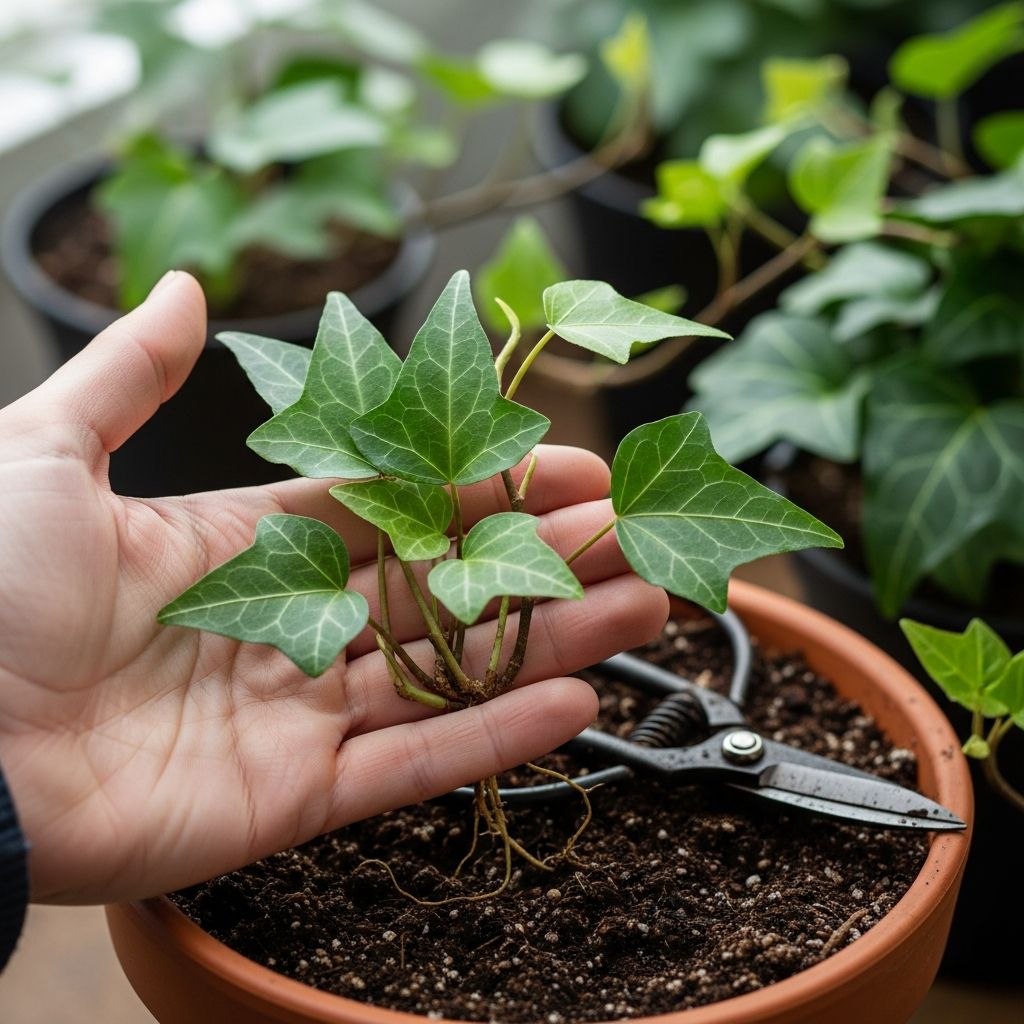
Expanding your collection of trailing greenery doesn’t require purchasing new plants when you can multiply ivy effortlessly through cuttings. This versatile climber, known scientifically as Hedera helix, roots readily in water or soil, making it ideal for novice gardeners seeking low-cost propagation success. With the right techniques, you can transform healthy stems into robust new specimens for hanging baskets, ground cover, or indoor decor.
Why Choose Ivy for Propagation Projects
Ivy’s appeal lies in its adaptability and rapid growth. As a member of the Araliaceae family, it thrives in varied conditions, from shaded patios to bright windowsills. Propagating from cuttings allows you to replicate favorite varieties precisely, preserving unique leaf patterns and vigor. Unlike seed starting, which demands patience and stratification, cuttings develop roots in weeks, offering quicker results.
Environmentally, this method promotes sustainability by reducing plant purchases and waste. However, note that certain ivy types, like English ivy, can become invasive outdoors in mild climates—always verify local regulations before planting in gardens.
Selecting the Perfect Ivy Stems for Cuttings
Success begins with choosing vigorous donor plants. Opt for stems that are flexible yet firm, showing no signs of pests, yellowing, or disease. Healthy growth displays glossy, deep green leaves spaced evenly along the vine.
- Length: Aim for 4-6 inch segments to balance rooting potential and manageability.
- Nodes: Cut just below a leaf node—the swollen joint where roots emerge—using sterilized pruners for clean wounds.
- Timing: Spring or early summer yields the best results, aligning with active growth phases.
- Variety tips: English ivy (Hedera helix) roots fastest, while variegated types may need brighter light.
Wear gloves during selection, as sap can irritate skin. Remove 2-3 lower leaves to expose nodes for submersion, preventing rot.
Water Propagation: Watching Roots Unfold
The most visually rewarding approach involves rooting in transparent vessels, letting you monitor progress daily. This method suits ivy exceptionally well due to its tolerance for moist conditions.
- Prepare vessel: Select a clear glass jar, vase, or propagation station to observe roots without disturbance.
- Fill with water: Use room-temperature, filtered or rainwater to minimize chlorine effects. Submerge nodes fully while keeping upper leaves dry.
- Positioning: Place in indirect light—east-facing windows work ideally. Avoid direct sun to prevent algal blooms.
- Maintenance: Refresh water weekly or sooner if cloudy. Roots appear in 2-6 weeks, reaching 2-3 inches when ready for soil.
For enhanced oxygenation, add a small aquarium pump, though gentle swirling suffices. Skip rooting hormones in water, as they dissipate ineffectively.
Soil-Based Rooting Techniques
For direct planting, soil propagation skips the transplant shock. This suits those preferring permanence from the start.
- Medium: Mix equal parts peat moss, perlite, and vermiculite for drainage and aeration.
- Insertion: Dip cut ends in rooting hormone powder (optional for faster results), then plant 1-2 inches deep.
- Environment: Cover with a plastic dome for humidity; maintain 70-75°F and bright, indirect light.
- Moisture: Keep evenly damp but not soggy to avert fungal issues.
Expect roots in 4-8 weeks, confirmed by gentle tugging resistance.
Advanced Method: Air Layering for Larger Specimens
Ideal for mature vines, air layering encourages roots on still-attached stems, ensuring high survival rates.
- Wound a node by stripping bark in a 1-inch ring.
- Apply rooting hormone and wrap with moist sphagnum moss.
- Secure with plastic wrap and foil; check monthly for roots.
- Sever and pot once established.
This technique yields bigger plants faster, perfect for replacing leggy sections.
Optimal Conditions for Root Development
| Factor | Ideal Range | Tips |
|---|---|---|
| Temperature | 65-75°F (18-24°C) | Avoid drafts or heaters. |
| Light | Bright indirect | Use grow lights if needed (12-14 hours daily). |
| Humidity | 60-80% | Mist or use pebble trays. |
| Water Quality | pH 6.0-7.0 | Let tap water sit 24 hours. |
Maintaining these parameters accelerates rooting while minimizing failures.
Caring for Newly Rooted Ivy Plants
Transition rooted cuttings carefully to avoid stress.
- Potting: Use 4-inch pots with drainage holes filled with well-draining potting mix.
- Watering: Thoroughly until excess drains, then allow top inch to dry.
- Feeding: Dilute balanced fertilizer monthly post-rooting.
- Pruning: Pinch tips to promote bushiness.
Acclimate gradually to final spots over a week. Outdoors, plant in partial shade with mulch for moisture retention.
Troubleshooting Propagation Setbacks
Even simple methods encounter hurdles—here’s how to overcome them.
- No roots: Check for rot; ensure node submersion and fresh water.
- Leaf drop: Reduce light or increase humidity.
- Algae: Opaque wrap jar or frequent changes.
- Pests: Inspect for aphids; neem oil treats infestations.
- Legginess: Provide support and prune selectively.
Fungus gnats signal overwatering—let soil dry more between sessions.
Creative Uses for Propagated Ivy
Beyond basics, multiply your efforts for stunning displays.
- Hanging baskets overflowing with cascades.
- Topiaries shaped into spheres or hearts.
- Ground cover suppressing weeds in shaded beds.
- Aquatic setups in self-sustaining water gardens.
- Wall pockets for vertical greenery.
Variegated ivies add contrast in mixed planters.
Frequently Asked Questions
Can all ivy types be propagated from cuttings?
Yes, most Hedera species root easily, though Boston ivy (Parthenocissus) prefers soil methods.
How long until ivy cuttings root?
Typically 2-6 weeks in water; soil may take 4-8 weeks depending on conditions.
Is rooting hormone necessary?
Not for water, but beneficial in soil for quicker establishment.
Can propagated ivy stay in water indefinitely?
Yes, many thrive long-term with nutrient additions, though soil supports fuller growth.
Why do my cuttings rot?
Often due to dirty water or submerged leaves—refresh frequently and strip lower foliage.
Seasonal Propagation Strategies
Align efforts with growth cycles: spring for vigorous rooting, fall for indoor projects. Winter cuttings root slowly but succeed under lights. Summer demands vigilant watering to combat evaporation.
Experiment with batches to refine your approach, tracking variables like light exposure for optimal yields.
References
- How to propagate ivy in water: for more trailing plants — Homes & Gardens. 2023-10-15. https://www.homesandgardens.com/gardens/how-to-propagate-ivy-in-water
- Propagate Ivy in 3 steps — Duke Manor Farm. 2022-04-01. https://www.dukemanorfarm.com/2022/04/propagate-ivy-in-3-steps.html
- Hedera helix (English ivy) Propagation — Studio Plant. 2023-01-01. https://www.studioplant.com/en/blog/propagation/hedera
- English ivy: Care, Types & Propagation — Kyari. 2024-05-20. https://kyari.co/blogs/news/english-ivy-care-types-propagation
- Propagate English Ivy From Stem Cuttings — YouTube (Fraser Valley Rose Farm). 2023-08-10. https://www.youtube.com/watch?v=oZrRdgiZYE8
Similar Articles








Read full bio of medha deb