Pros and Cons of Metal Roofs: Complete Guide
Explore the advantages and disadvantages of metal roofing to determine if it's right for your home.
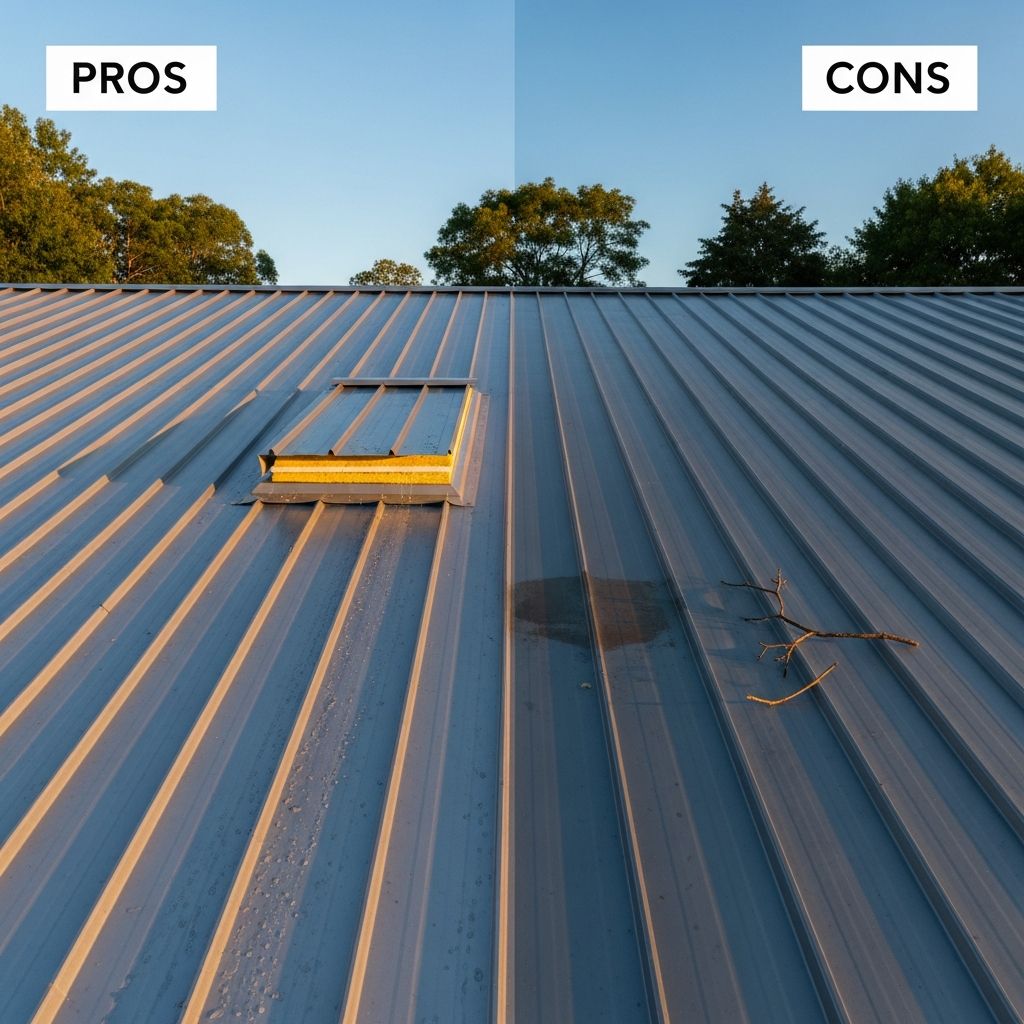
Pros and Cons of Metal Roofs
Metal roofs have become an increasingly popular choice for homeowners seeking a durable and long-lasting roofing solution. Made from strong metals including tin, aluminum, zinc, copper, and steel, metal roofs offer distinct advantages over traditional asphalt shingles. However, like any roofing material, they come with their own set of considerations. Understanding both the benefits and drawbacks will help you make an informed decision about whether a metal roof is the right choice for your home.
Does Metal Roofing Last Longer?
One of the most compelling reasons homeowners choose metal roofing is its exceptional longevity. A traditional asphalt roof with three-tab shingles might last 15–20 years, while architectural asphalt shingles typically max out at 30–50 years. In contrast, a metal roof could last 40–80 years or longer, making it a significantly more durable investment. Most metal roofs come with a minimum 50-year warranty, ensuring long-term protection for your home.
While installing a metal roof may be just as noisy and disruptive as replacing an asphalt roof, you won’t need to replace it nearly as often. This extended lifespan means that despite the higher initial installation cost, metal roofs often prove to be more cost-effective over the life of the roof. The reduced frequency of roof replacements translates to fewer disruptions to your home and lower long-term expenses.
Are Metal Roofs Durable?
Metal roofs are engineered to withstand extreme weather conditions that would damage traditional roofing materials. Metal roofs can withstand extreme weather, such as heavy snow and radiant summer heat, and winds of up to 140 mph. They are sturdy—especially steel roofs, which score on the higher end of hardness scales. Most metal roofs have a Class 4 impact resistance rating, meaning they can withstand hail up to 2 inches in diameter.
Metal roofs are highly resistant to high winds, corrosion, and brittleness, minimizing the need for frequent maintenance. Additionally, metal roofs are resistant to rot, insects, and mildew, further contributing to their durability. This makes them an excellent choice for homeowners in areas prone to severe weather, including regions susceptible to hurricanes, hail, and wildfires.
Are Metal Roofs Energy Efficient?
Energy efficiency is another significant advantage of metal roofing. Traditional shingles trap solar heat and increase the need to cool your home by up to 15%. Metal roofs reflect the hot sun, so you don’t need to spend as much on your home’s cooling costs. Metal roofs improve your energy savings by approximately 10–25%.
During peak hot weather months, metal roofs reflect solar radiant heat rather than absorbing it. Even dark-colored metal roofs can meet the EnvironPA’s Energy Star criteria thanks to new heat-reflective paint pigments. This indicates that in sunny regions, energy savings from metal roofing can be significant.
You’ll also spend less on heating bills because most roofing companies insulate under metal roofs, keeping your home warmer in the winter. Most metal roofs include an air gap between the metal and the roof deck, which provides additional insulation. Furthermore, you can install solar panels on metal rooftops, making them even more energy-efficient.
Are Metal Roofs Safe?
Many homeowners have misconceptions about the safety of metal roofs during extreme weather. It’s important to address these concerns with accurate information. Metal roofs don’t attract lightning during a thunderstorm any more than traditional asphalt roofs. Researchers haven’t found any evidence that metal roofs attract more lightning than asphalt alternatives. Properly grounded metal roofs can conduct lightning energy over a broader area, reducing the risk of damage or fire.
Most metal roofs have a Class A fire rating, meaning they resist surface flame spread. These roofs are as safe as asphalt shingles, even if you live in an area with a high wildfire risk. Metal roofs are actually better suited for areas prone to wildfires due to their ability to withstand high heat.
Will Metal Roofing Rust?
The question of rust resistance is an important consideration when choosing a metal roof. Different metal materials perform differently in various climates, particularly in humid or coastal environments.
Steel can rust, but roofing companies use galvanized steel to offset the chance of rusting. Aluminum is rust-resistant but may not be suitable for some residential homes because of its aesthetics. Copper is also rust-resistant but more prone to corrosion over time. Zinc resists both rust and corrosion but can be expensive. Galvalume steel is reinforced with aluminum and zinc, making it the best solution for rusting roofs in humid climates.
We recommend going with steel roofing over tin or aluminum to get the most longevity out of your roof and considering Galvalume steel if you live in a coastal region.
Initial Cost Considerations
The biggest drawback of metal roofs is their upfront cost. Metal roofing materials and installation are typically more expensive than traditional asphalt shingles. Metal roofs cost $7–$20 per square foot, which is two to six times the cost of an asphalt roof. However, it’s important to consider the long-term value and potential savings over the roof’s lifespan.
While the initial expense may seem prohibitive, the extended lifespan and reduced maintenance requirements often make metal roofing a more economical choice over time. Many homeowners find that the long-term savings justify the higher upfront investment.
Long-Term Savings With a Metal Roof
When evaluating the true cost of a metal roof, it’s essential to consider the long-term financial picture. Metal roofs can last two to three times longer than traditional asphalt shingles, reducing the need for replacement. This means you could go several decades without needing a roof replacement, whereas traditional asphalt roofs typically require replacement every 15–30 years.
Additionally, their energy efficiency can lead to significant savings on heating and cooling costs over time. A metal roof may also increase your home’s resale value, making it an attractive feature for potential buyers. By reflecting solar radiation rather than absorbing it, metal roofs help keep homes cooler in the summer, reducing the need for air conditioning. This not only saves energy but also reduces the strain on power grids during peak hours, contributing to overall energy conservation efforts.
Finding Qualified Installation Professionals
One challenge homeowners may face is finding qualified roofing companies with experience in metal roof installation. Finding qualified roofing contractors with expertise in metal roof installation may be more challenging than finding roofers for traditional materials. This is because metal roofing requires specialized knowledge and skills that not all roofing contractors possess. It’s important to research and hire experienced professionals who understand the specific requirements of metal roof installation to ensure proper installation and warranty coverage.
Noise Considerations During Storms
A common concern about metal roofs is the noise they produce during storms. Depending on the insulation beneath, metal roofs may produce more noise during storms compared to other roofing materials. However, it’s worth noting that some individuals view the sound of rain against a metal roof as a soothing and enjoyable feature rather than a drawback.
Modern metal roofing installations typically include adequate insulation that significantly reduces noise transmission. Additionally, the choice of underlayment and attic design can further minimize any potential noise issues.
Metal Roofs Snow Resistance
For homeowners in regions that experience significant snowfall, metal roofs offer distinct advantages. Metal roofs efficiently shed snow, reducing the additional weight that could strain the roof structure in areas prone to snowy and rainy weather. The smooth surface of metal roofing allows snow and ice to slide off more easily than traditional shingles, reducing the accumulation that can lead to structural stress and ice dams.
Environmental Benefits
Metal roofing stands out as an environmentally responsible choice. Many metal roofs are made from recycled materials and can be recycled again after their lifespan, making them a sustainable choice. Unlike asphalt shingles that often end up in landfills, metal roofs can be fully recycled at the end of their service life, reducing environmental waste and supporting circular economy principles.
This environmental advantage is increasingly important to homeowners who prioritize sustainability and want to reduce their ecological footprint.
Aesthetic Appeal and Design Options
Modern metal roofing comes in various styles and finishes that appeal to different design preferences. Standing seam metal roofs boast invisible fasteners, providing a sleek and modern appearance. Metal roofs also come in a variety of shapes and colors and don’t require much upkeep once installed.
Whether you prefer a contemporary industrial look or a rustic farmhouse aesthetic, metal roofing can be customized to complement your home’s architectural style. Metal can even mimic the look of tile while offering more color options, providing flexibility in design choices.
Are Metal Roofs Worth The Cost?
Metal roofs are an attractive and durable roofing option compared to traditional asphalt shingles. Although a metal roof’s upfront cost is high, the cost of a new roof is always expensive. Due to its endurance, you’ll save money in the long run if you choose to go with a metal roof.
The decision of whether a metal roof is worth the investment depends on several factors, including your climate, the age of your current roof, your energy costs, and how long you plan to stay in your home. For homeowners planning to remain in their residence for many years, the long-term savings and durability of metal roofing typically justify the higher initial investment.
Metal vs. Asphalt Shingles
Asphalt shingles are the most common roofing material in the United States because they’re affordable and easy to install. However, metal roofs offer several advantages over asphalt:
| Characteristic | Metal Roofs | Asphalt Shingles |
|---|---|---|
| Longevity | 40–80+ years | 15–30 years |
| Energy Efficiency | Reflects solar heat, reduces cooling costs by 10–25% | Traps heat, increases cooling needs by up to 15% |
| Durability | Withstands extreme weather, hail, and winds up to 140 mph | More vulnerable to weather damage and deterioration |
| Maintenance | Low maintenance, minimal repairs needed | Requires regular maintenance and repairs |
| Environmental Impact | Recyclable, often made from recycled materials | Often end up in landfills |
| Initial Cost | $7–$20 per square foot | $2–$5 per square foot |
Metal vs. Tile Roofing
Tile roofing, whether clay or concrete, is known for its distinctive appearance and durability. Compared to tile, metal roofing offers the following benefits:
Lighter weight: Metal roofs put less stress on the home’s structure. Easier installation: Metal roofing is typically quicker and easier to install than tile. Wider variety of styles: Metal can mimic the look of tile while offering more color options.
Dispelling Common Metal Roof Myths
Myth: Metal Roofs Generate Excessive Heat
Another common misconception is that metal roofs make homes hotter in the summer. In fact, the opposite is true. Metal roofs typically reflect more solar radiation than they absorb, helping to keep homes cooler. Most metal roofs include an air gap between the metal and the roof deck, which provides additional insulation. As a result, homes with metal roofs can actually be cooler than those with traditional asphalt shingles.
Frequently Asked Questions About Metal Roofs
Q: Do metal roofs attract lightning?
A: Researchers haven’t found any evidence that metal roofs attract more lightning than asphalt alternatives. Properly grounded metal roofs can actually conduct lightning energy over a broader area, reducing the risk of damage or fire.
Q: Do metal roofs leak more than shingles?
A: Metal roofs only leak more than shingles if roofers don’t correctly install them. Metal roofs will shed snow, ice, and rain and are less likely to build up moisture, especially since they aren’t prone to weather damage like shingles are.
Q: What is better, a metal roof or shingles?
A: Metal roofs are increasingly popular due to their long life spans and durability when compared to shingles. Metal roofs also come in a variety of shapes and colors and don’t require much upkeep once installed. They’re a low-maintenance alternative to an asphalt shingle roof.
Q: Is it worth it to put on a metal roof?
A: Whether a metal roof is worth it depends on your circumstances. Metal roofs offer superior longevity and durability but have a higher initial cost than asphalt shingles. If you plan to stay in your home long-term and value energy efficiency and durability, the investment is likely worthwhile.
Q: How much maintenance do metal roofs require?
A: Metal roofs require minimal maintenance compared to traditional roofing materials. They are resistant to rot, insects, mildew, and weather damage. Occasional inspections and cleaning are typically all that’s needed to maintain a metal roof’s condition.
Q: Can metal roofs be installed on any home?
A: Metal roofs can be installed on most residential homes, though the structural requirements should be assessed by a professional contractor. The aesthetic appeal of metal roofing works well with various architectural styles, from modern to farmhouse designs.
References
- Is a Metal Roof Worth It? Pros and Cons of Metal Roofing — Better Builders. 2024. https://www.betterbuilders.com/blog/is-a-metal-roof-worth-it-pros-and-cons-of-metal-roofing
- Pros and Cons of Metal Roofs — This Old House. 2025. https://www.thisoldhouse.com/roofing/pros-and-cons-of-metal-roof
- Metal Roofs 101: Installation & Material Types — This Old House. 2025. https://www.thisoldhouse.com/roofing/21345689/metal-roofs
Similar Articles



Read full bio of Sneha Tete