Pros and Cons of Buying a Fixer-Upper Home
Learn the advantages and disadvantages of purchasing a fixer-upper property before making your investment decision.
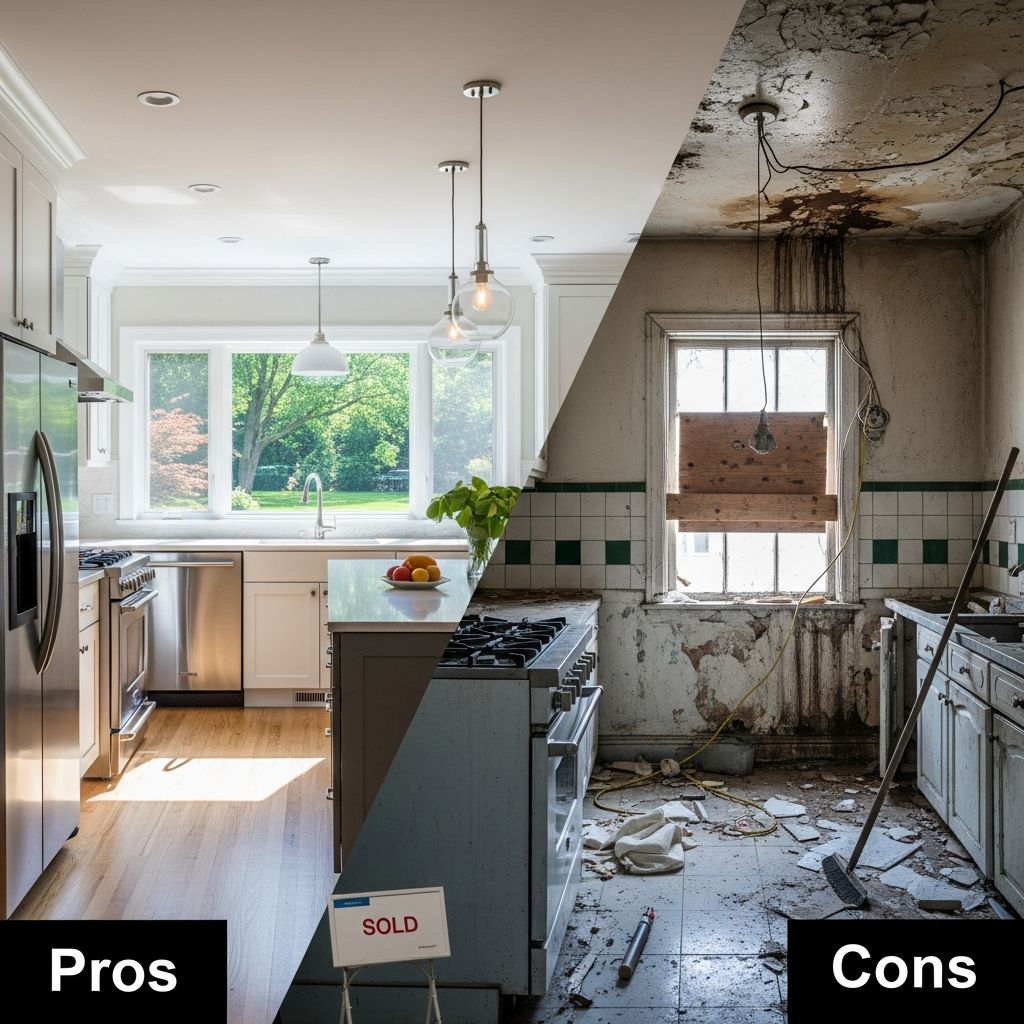
Buying a fixer-upper can be an exciting opportunity for homeowners looking to customize their living space and build equity in real estate. However, this type of investment comes with its own set of challenges and considerations that require careful evaluation. Whether you’re a first-time homebuyer or an experienced property investor, understanding both the advantages and disadvantages of purchasing a fixer-upper is essential to making an informed decision.
Understanding What a Fixer-Upper Is
A fixer-upper is a property that requires significant repairs, renovations, or updates to bring it to modern standards or personal preferences. These homes are typically priced lower than move-in-ready properties because of their current condition. The extent of work needed can range from cosmetic updates like painting and flooring to major structural repairs involving electrical systems, plumbing, roofing, or foundation work.
The Advantages of Buying a Fixer-Upper
Lower Purchase Price
One of the most compelling advantages of buying a fixer-upper is the significantly lower purchase price compared to homes in similar neighborhoods that are move-in-ready. Properties requiring work are typically valued based on their current condition rather than their potential, allowing buyers to enter the market at a lower entry point. This affordability factor makes homeownership more accessible for buyers with limited budgets or those looking to maximize their real estate investment.
Customization and Personalization Opportunities
Purchasing a fixer-upper provides an exceptional opportunity to create your dream home exactly as you envision it. Rather than compromising with existing layouts, finishes, and design choices, you have the freedom to make decisions about everything from wall placement and kitchen design to flooring materials and color schemes. This level of customization allows you to incorporate modern amenities, energy-efficient systems, and personal style elements that reflect your lifestyle and preferences.
Building Equity Through Renovation
When you invest in renovating a fixer-upper, you’re building equity in your property through the improvements you make. The value added through quality renovations can exceed your initial investment and renovation costs, creating wealth accumulation potential. Over time, as the property appreciates and your mortgage balance decreases, you develop significant equity that can be leveraged for future investments or financial goals.
Location Advantages
Fixer-uppers are often available in established, desirable neighborhoods where move-in-ready homes command premium prices. This presents an opportunity to purchase property in sought-after areas with good schools, amenities, and community characteristics at a fraction of the cost. You may find that a fixer-upper in your desired location is more affordable than a move-in-ready home in a less desirable area.
Potential for Strong Returns
Real estate investors and homeowners who successfully renovate fixer-uppers can realize substantial returns on their investments. When renovations are planned strategically and executed efficiently, the property value increase can significantly exceed the combined costs of purchase and renovations, creating a profitable opportunity.
The Disadvantages of Buying a Fixer-Upper
Hidden and Unexpected Costs
One of the most significant challenges with fixer-uppers is the potential for hidden problems that aren’t discovered until renovation work begins. What appears to be a straightforward repair project may reveal structural issues, outdated electrical systems, plumbing problems, mold, pest damage, or foundation concerns. These unexpected discoveries can quickly escalate renovation budgets beyond initial estimates, straining finances and timelines.
Extended Timeline and Stress
Renovating a fixer-upper typically takes considerably longer than anticipated. Supply chain delays, contractor scheduling conflicts, permit approval processes, and the discovery of unexpected issues can extend project timelines significantly. This extended process can be stressful and disruptive, especially if you need to relocate temporarily or manage the renovation while maintaining employment and family responsibilities.
Difficulty Obtaining Financing
Many traditional lenders are hesitant to finance fixer-uppers because the property’s current condition makes it difficult to assess as collateral. Conventional mortgages may not be available, and you might need to explore alternative financing options such as renovation loans, hard money loans, or cash purchases. These alternatives often come with higher interest rates and less favorable terms, increasing your overall borrowing costs.
Displacement and Living Arrangements
During significant renovations, it’s typically not feasible or advisable to live in the property, especially for major projects. This displacement means you’ll need to secure temporary housing arrangements, adding rental costs to your overall renovation expenses. Managing a household in temporary quarters while overseeing renovation work can be logistically challenging and emotionally taxing.
Contractor and Project Management Challenges
Successfully managing a fixer-upper renovation requires finding reliable, skilled contractors and closely overseeing the work. Poor quality workmanship, contractor delays, or miscommunication can result in substandard results and cost overruns. For first-time renovators, the learning curve can be steep, and mistakes in decision-making or project management can prove costly.
Scope Creep and Budget Overruns
As renovation work progresses and unexpected issues emerge, the temptation to add improvements or upgrades beyond the original scope can be difficult to resist. These additions accumulate quickly, causing significant budget overruns that can strain finances and delay project completion.
Key Considerations Before Buying a Fixer-Upper
Comprehensive Home Inspection
Before making an offer on a fixer-upper, invest in a thorough professional home inspection. A qualified inspector can identify structural issues, system problems, and potential concerns that affect the property’s value and renovation costs. This information is critical for making an informed offer and budgeting appropriately for repairs.
Realistic Budget Planning
Develop a detailed renovation budget that accounts for all anticipated work, including permits, labor, materials, and contingencies. Industry experts recommend adding 15-25% to your budget estimate for unexpected issues. Be honest about the total investment required and ensure you have the financial capacity to complete the project.
Scope of Work Assessment
Carefully evaluate the extent of work needed. Determine whether you’re facing cosmetic updates, system replacements, or structural repairs. The biggest consideration when buying a fixer-upper is understanding what the scope of work will be—whether you need to fully replace all electrical, plumbing, HVAC systems, or if work is primarily aesthetic. This assessment directly impacts costs, timeline, and feasibility.
Financing Strategy
Explore financing options appropriate for fixer-uppers before making offers. Understand the terms, interest rates, and requirements for renovation loans, FHA 203(k) loans, or other alternatives to conventional mortgages. Having pre-approval for appropriate financing demonstrates seriousness to sellers and clarifies your financial capacity.
Contractor Selection and Vetting
Invest time in finding experienced, reliable contractors with strong references and proper licensing. Request multiple bids, verify credentials, and check references thoroughly. Quality contractors are essential to project success and can help prevent costly mistakes and delays.
Timeline Expectations
Establish realistic project timelines based on the scope of work, contractor availability, and permit requirements. Usually, it’s not possible to live in the home during most renovations, and you definitely don’t recommend it, especially if it’s a big renovation. Plan for temporary housing and factor these costs into your overall budget.
Making the Decision: Is a Fixer-Upper Right for You?
Deciding whether to purchase a fixer-upper depends on your financial situation, risk tolerance, time availability, and personal preferences. A fixer-upper may be an excellent choice if you have adequate financial reserves for unexpected costs, the ability to secure appropriate financing, patience for an extended renovation timeline, and genuine interest in creating your custom home. Conversely, if you prefer move-in-ready properties, have limited financial flexibility, or lack the emotional stamina for renovation projects, a traditional home purchase might be more suitable.
Consider your personal circumstances, investment goals, and lifestyle preferences carefully. Time to make a pros and cons list and evaluate how a fixer-upper aligns with your overall objectives. Understanding both the opportunities and challenges allows you to make a well-informed decision that supports your long-term financial and personal satisfaction.
Comparison: Fixer-Upper vs. Move-In-Ready Homes
| Factor | Fixer-Upper | Move-In-Ready |
|---|---|---|
| Purchase Price | Lower | Higher |
| Total Investment | Higher (purchase + renovation) | Lower upfront |
| Timeline | Extended (months to years) | Immediate occupancy |
| Customization | High | Limited |
| Financing Ease | Difficult | Easy |
| Stress Level | High | Low |
| Risk Level | Higher | Lower |
| Equity Building Potential | Higher ROI potential | Steady appreciation |
Frequently Asked Questions
Q: How much money should I budget for unexpected renovation costs?
A: Industry experts recommend adding 15-25% to your estimated renovation budget for unexpected issues. For major renovations, some professionals suggest budgeting up to 30% extra as a contingency. This buffer helps prevent financial strain when hidden problems emerge.
Q: What type of financing is available for fixer-uppers?
A: Options include renovation loans (which fund both purchase and renovation), FHA 203(k) loans designed specifically for fixer-uppers, hard money loans from private investors, and cash purchases. Each option has different requirements, interest rates, and terms to consider.
Q: Can I live in the house while renovations are happening?
A: For minor cosmetic updates, it may be possible to live in the home with careful planning. However, for major renovations involving structural work, electrical or plumbing replacement, it’s not recommended and often impractical due to disruption, safety concerns, and construction dust.
Q: How do I find reliable contractors for renovation work?
A: Request recommendations from friends and family, check online reviews, verify licensing and insurance, request multiple bids, and thoroughly check references. Take time to interview contractors and ensure clear communication about project scope, timeline, and costs.
Q: What should a professional home inspection include?
A: A comprehensive inspection should evaluate the foundation, roof, exterior, interior structure, electrical systems, plumbing, HVAC, insulation, windows, doors, and identify any signs of water damage, mold, pest infestation, or other concerns affecting the property’s value and safety.
Q: How long does a typical fixer-upper renovation take?
A: Timeline depends on the scope of work. Cosmetic updates might take 2-4 months, while major renovations involving structural changes or system replacements can take 6 months to 2+ years. Factor in permit approval times, contractor scheduling, and the discovery of unexpected issues.
Q: What are the biggest mistakes people make when buying fixer-uppers?
A: Common mistakes include underestimating renovation costs, skipping professional inspections, overestimating their own abilities, choosing unqualified contractors, failing to obtain proper permits, and not securing appropriate financing before purchase.
References
- Brownstone Boys: Some Things to Consider When Buying a Fixer Upper — Brownstoner. Accessed December 3, 2025. https://www.brownstoner.com/interiors-renovation/renovation-old-house-brownstoner-boys-things-to-consider-when-buying-a-fixer-upper-tips/
- The Pros and Cons of Buying a Fixer-Upper: HGTV Guide — Brownstone Boys & HGTV. Accessed December 3, 2025. https://thebrownstoneboys.com/the-pros-and-cons-of-buying-a-fixer-upper-hgtv/
- What To Consider When Buying a Fixer Upper — Brownstone Boys. Accessed December 3, 2025. https://thebrownstoneboys.com/what-to-consider-when-buying-a-fixer-upper/
Similar Articles




Read full bio of Sneha Tete