Safeguard Your Garden Against Frost and Freezing
Master proven strategies to shield your plants from damaging cold snaps and extend your growing season effortlessly.
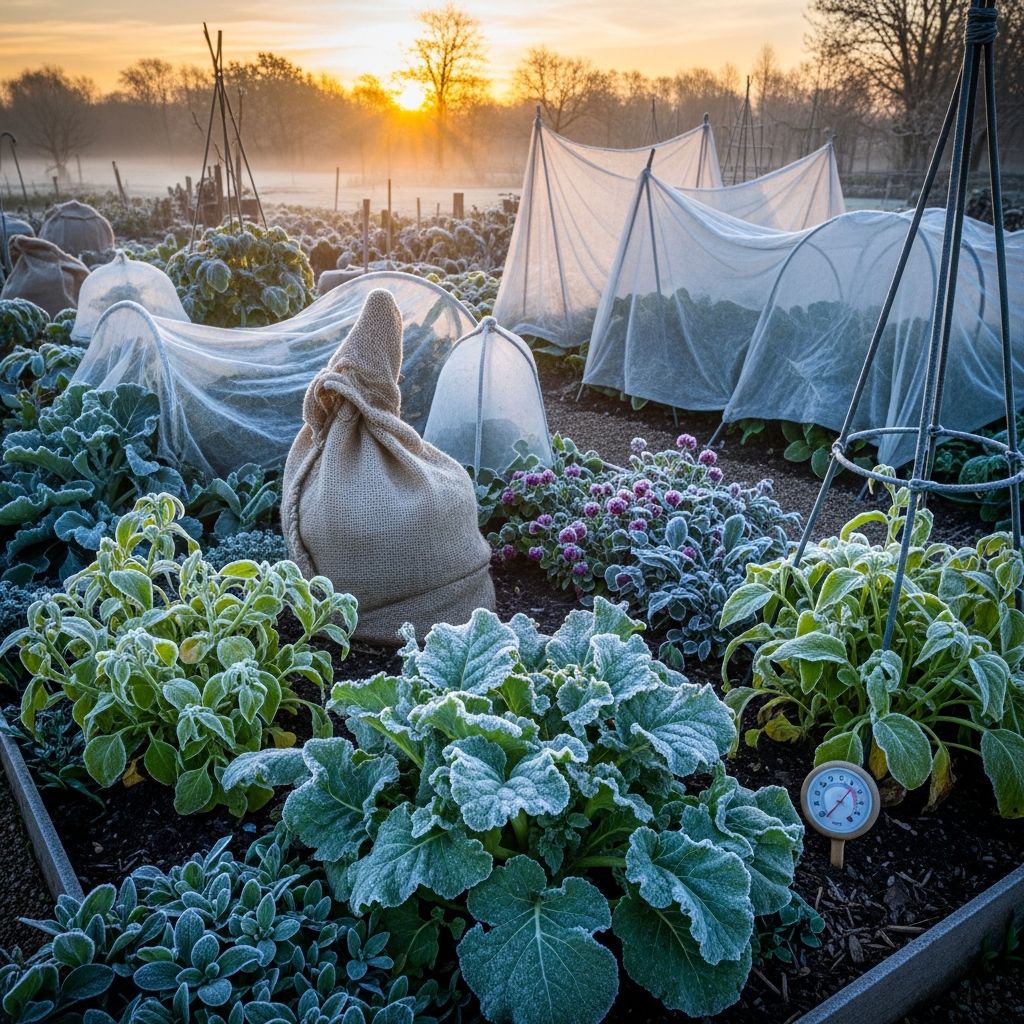
Unexpected cold snaps can devastate tender plants, turning vibrant gardens into frozen wastelands overnight. Frost forms when air temperatures drop to 32°F (0°C) or below, causing ice crystals to damage cell structures in leaves and stems, while deeper freezes intensify this harm by penetrating roots.Proactive protection using simple household items and garden structures can raise temperatures around plants by up to 8°F, preserving your harvest and perennials.
Understanding Frost Types and Their Impacts
Frost and freezes differ in severity. A light frost occurs between 29°F and 32°F (-1.7°C to 0°C), affecting only the most sensitive foliage, whereas a hard freeze below 28°F (-2.2°C) threatens roots and woody plants. Radiation frost, common on clear nights, radiates heat from the soil, making low-lying garden areas vulnerable. Advection freezes bring colder air masses, harder to mitigate.
Tender annuals like tomatoes and basil suffer most, showing blackened leaves and wilted stems. Perennials and hardy vegetables like kale may bounce back if protected promptly. Knowing your local first frost date—typically found via USDA hardiness zones—allows timely preparation.
Essential Preparation Before Cold Hits
Strong plants resist cold better. Maintain consistent watering and feeding throughout the season to build resilience. For instance, balanced fertilizers promote robust roots that anchor heat-retaining soil.Monitor forecasts daily, especially under clear, calm skies ideal for frost formation.
- Check evening updates for dips to 36°F (2°C) or lower.
- Assess garden microclimates: valleys trap cold air.
- Harvest ripe produce preemptively to avoid losses.
Watering Strategies to Combat Cold
Moist soil absorbs daytime sun and releases heat at night, buffering roots against freezes. Water deeply in late afternoon or midday before predicted cold, ensuring soil stays damp but not soggy—except for succulents, which prefer dry conditions.This technique raises soil temperature by 2-4°F overnight.
Avoid overhead watering at night, as wet leaves freeze faster. Focus on the root zone for maximum insulation. In raised beds, consistent moisture prevents soil contraction from dry cold.
Breathable Covers: Your First Line of Defense
Fabric barriers trap ground heat while allowing air circulation, preventing moisture buildup. Old bed sheets, blankets, burlap, or commercial row covers (frost blankets) work best. Drape loosely to create an air pocket, securing edges with rocks or soil to seal warmth inside.
- Row covers: Lightweight fabrics provide 4-8°F protection; double-layer for harder freezes.
- Household sheets: Float over plants, removing by mid-morning to avoid overheating.
- Avoid plastic sheets directly on foliage—they trap cold and cause burn on contact points.
For fragile stems, use stakes or hoops to hold covers aloft, ensuring no fabric touches leaves where frost can conduct through.
Building Protective Structures for Extended Coverage
Larger setups like hoop tunnels or cold frames offer reusable protection for beds. Bend PVC pipes into arches over rows, then drape with row cover or clear plastic (ensuring ventilation).
| Structure Type | Protection Level | Best For | Cost Estimate |
|---|---|---|---|
| Hoop Tunnels | 4-10°F gain | Vegetable rows, brassicas | Low ($20-50) |
| Cold Frames | 5-15°F gain | Seedlings, perennials | Medium ($50-100) |
| Cloches | 2-5°F gain | Individual plants | Very Low (DIY) |
Mini cloches from cut milk jugs or bottles create personal greenhouses for seedlings—remove lids for airflow. Pop-up greenhouses suit container clusters during shoulder seasons.
Mulching and Soil Insulation Techniques
A 2-4 inch layer of organic mulch like shredded bark or straw insulates soil, moderating temperature swings. Apply after watering, keeping mulch away from stems to prevent rot. In edible gardens, opt for finished compost over wood chips for nutrient benefits without nitrogen tie-up.
Mulch excels for overwintering perennials but pairs with covers for active crops. It reduces soil heaving from freeze-thaw cycles, protecting roots long-term.
Relocating and Grouping Plants for Safety
Portable pots move easily to sheltered spots like garages, porches, or south-facing walls that radiate heat. Cluster plants together outdoors to create a microclimate, trapping warmth among foliage.
For in-ground plants, prune lightly to improve air flow and remove dead growth that harbors cold. Group tender varieties centrally, surrounded by hardier ones.
Advanced Tips for Hard Freezes and Repeated Cold
When temperatures plummet below 25°F (-4°C), combine methods: water, mulch, cover, and add thermal mass like water-filled jugs inside structures to release stored heat. String lights (incandescent, not LED) under covers provide gentle warmth, though less eco-friendly.
For orchards, wrap trunks with tree guards against sunscald post-freeze. In greenhouses, vent during days to prevent condensation freeze.
Post-Frost Recovery and Care
Remove covers mid-morning after temperatures rise above 40°F (4°C). Leave damaged foliage intact initially—it insulates remaining healthy parts. Water sparingly if thawed, avoiding stress. Prune blackened tips once new growth appears, typically in weeks.
Most hardy plants recover fully; monitor for pests thriving in weakened tissue. A follow-up fertilizer boost aids rebound.
Common Mistakes to Avoid
- Using tight plastic covers, leading to suffocation and burn.
- Leaving covers on during sunny days, causing scorch.
- Ignoring wind—anchor firmly to block chilling gusts.
- Overwatering frozen soil, promoting ice expansion damage.
Seasonal Planning for Frost-Resilient Gardens
Select cold-hardy varieties: choose frost-tolerant greens like spinach over basil. Time plantings post-last frost, using season extenders for early starts. Invest in reusable gear like Agribon row covers for cost savings over seasons.
Track annual frost patterns to refine strategies, turning potential disasters into opportunities for extended yields.
Frequently Asked Questions
Will sheets really protect my plants from frost?
Yes, breathable sheets trap soil heat effectively for light frosts, providing 2-4°F protection if anchored properly.
Can I use plastic tarps instead of fabric?
Avoid direct contact; plastic conducts cold. Use over hoops for structure only, with ventilation.
How much warmer do row covers make the air?
Standard row covers add 4-6°F; heavier weights up to 8°F for moderate freezes.
Should I mulch before or after covering?
Mulch first for soil insulation, then cover plants to maximize combined effect.
What if frost has already damaged my plants?
Trim dead parts after thawing, water roots, and protect from further cold for recovery.
References
- How to Protect Your Plants from Frost — Natorp’s Nursery. 2023. https://www.natorp.com/protect-plants-from-frost/
- Frost Protection for Plants: Easy Garden Tips For Cold Nights — Gardenary. 2023. https://www.gardenary.com/blog/frost-protection-for-plants-easy-garden-tips-for-cold-nights
- How to Protect Your Garden from Frost — Scotts Miracle-Gro. 2024. https://scottsmiraclegro.com/en-ca/learn/gardening/how-to-protect-your-garden-from-frost.html
- How to Protect Plants When Jack Frost Makes a Surprise Visit — Kaw Valley Greenhouses. 2023. https://www.kawvalleygreenhouses.com/blog/Detail/how-to-protect-plants-when-jack-frost-makes-a-surprise-visit
- 5 Ways to Protect Your Garden From Frost and Freeze Damage — The Home Depot. 2024. https://www.homedepot.com/c/ai/5-ways-to-protect-your-garden-from-frost-and-freeze-damage/9ba683603be9fa5395fab901f34614b2
Similar Articles








Read full bio of Sneha Tete