Protect Your Deck: Complete Wood Waterproofing Guide
Master the art of deck waterproofing with proven techniques to extend your outdoor space's life and beauty for years.
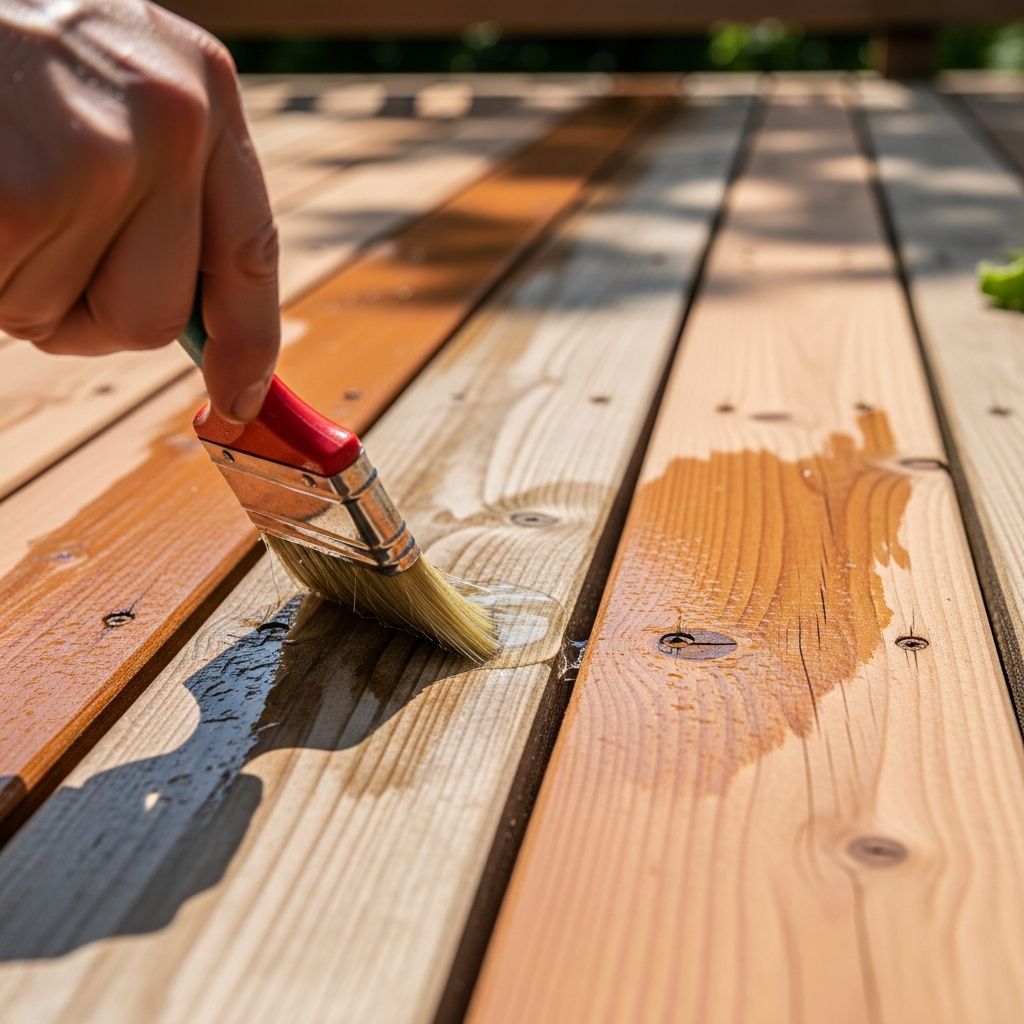
Wooden decks enhance outdoor living but face constant exposure to rain, sun, and temperature swings that lead to deterioration. Proper waterproofing creates a barrier against moisture penetration, preventing issues like cracking, warping, and rot. This guide outlines essential strategies to safeguard your deck effectively.
Understanding Deck Vulnerability to Water Damage
Wood absorbs water easily, especially in humid climates or during heavy rains. Over time, repeated wetting and drying cycles cause expansion and contraction, leading to splits and weakened fibers. UV rays exacerbate this by breaking down lignin, the wood’s natural binder, resulting in graying and brittleness. Without protection, decks may require costly replacements within 5-10 years.
Key signs of water damage include cupping boards, mold growth between planks, and soft spots underfoot. Early intervention through waterproofing maintains structural integrity and aesthetics, potentially doubling the deck’s lifespan.
Assessing When Your Deck Needs Waterproofing
Perform a simple water test: sprinkle water on the surface. If it beads up, the existing sealant remains effective. If it soaks in quickly, reapplication is urgent. Inspect for visible wear like peeling coatings or darkened, moist areas after rain.
Timing matters—apply before rainy seasons to preempt damage. For new decks, wait 3-6 months for natural weathering. Older decks over 5 years old benefit from annual checks.
Essential Tools and Materials for the Job
Gather these items before starting:
- Pressure washer (under 1000 PSI) or garden hose with spray nozzle
- Stiff-bristle brush (non-wire)
- Deck cleaner or wood brightener compatible with your wood type
- Sandpaper (120-220 grit)
- Wood filler for repairs
- High-quality sealant, oil, varnish, or epoxy
- Applicators: brushes, rollers, sprayers
- Protective gear: gloves, goggles, respirator
- Tarps and drop cloths
Choose products with UV inhibitors and mildew resistance for outdoor durability.
Step-by-Step Deck Preparation Process
Clearing and Initial Cleanup
Remove all furniture, grills, and plants from the deck. Cover nearby vegetation with breathable tarps to avoid heat buildup—plastic can harm plants. Sweep away leaves, dirt, and debris, using a narrow tool to dislodge material from cracks.
Structural Repairs
Inspect boards for loose nails, splintered edges, or rot. Hammer down protrusions and replace severely damaged sections. Fill gaps and holes with exterior-grade wood filler, sanding smooth once dry. Tighten or replace loose railings and posts.
Deep Cleaning for Optimal Adhesion
Pre-wet the deck, then apply a deck-specific cleaner. Let it dwell 10-15 minutes to break down grime, oils, and old finishes. Scrub with a stiff brush, avoiding wire types that embed rust-causing metal. Rinse thoroughly with a low-pressure washer, directing water between boards. Allow 48 hours for complete drying in shaded, low-humidity conditions.
For stubborn mildew, use an oxygen-based brightener. This restores wood’s natural color while killing spores.
Choosing the Right Waterproofing Method
Several options suit different needs, budgets, and deck conditions. Compare them below:
| Method | Durability | Best For | Application Notes |
|---|---|---|---|
| Penetrating Oils (Linseed, Tung) | 1-2 years | New/soft woods | Thin first coat; enhances grain |
| Polyurethane | 2-3 years | High-traffic decks | Thin coats; sand between |
| Spar Varnish | 3-5 years | Exposed areas | UV flexible; multiple layers |
| Epoxy Resin | 5+ years | Heavy-duty | Seal coat first; mix precisely |
| Exterior Paint | 3-4 years | Budget option | Thick film; hides grain |
Traditional Sealants and Oils
Penetrating sealants soak into pores, repelling water while allowing breathability. Apply thin coats with a brush along the grain, focusing on end grains and cracks. Two coats provide deeper protection. Avoid direct sun to prevent rapid drying.
Advanced Film-Forming Coatings
Polyurethane and spar varnish create a flexible surface barrier. Sand to 220 grit, apply thinned first coat, then sand lightly between 2-3 full coats. These excel in UV-heavy environments.
Heavy-Duty Epoxy Applications
For extreme wear, epoxy forms an impermeable shell. After sanding and filling, apply a seal coat, followed by flood coats. Ideal for restoring old decks but requires precise mixing.
Advanced Techniques: Membrane and Coating Systems
For superior waterproofing, consider EPDM pond liner over the deck surface. Lay a continuous sheet, adhering edges to walls with compatible tape. This creates a seamless barrier under new decking, preventing under-deck leaks. Slope for drainage (1/8 inch per foot) and add rubber tape over seams.
Polyurethane deck coatings work on wood, concrete, or composites, offering rubber-like flexibility. Spray or roll on, back-brushing for even coverage.
Application Best Practices
Work in sections on dry days above 50°F. Use sprayers for speed but back-brush to work sealant in. Cover railings, posts, and stairs thoroughly. Clean tools immediately with mineral spirits.
Safety first: Wear gloves, goggles, and long sleeves. Ventilate areas and avoid inhalation.
Maintenance for Long-Term Deck Health
Reapply sealant every 1-3 years based on exposure. Sweep regularly, clean spills promptly, and trim overhanging branches. Annual inspections catch issues early.
For under-deck protection, install interlocking tiles with drainage gaps over EPDM for quick upgrades.
Frequently Asked Questions
Can I waterproof a deck in the rain?
No—surfaces must be dry for proper adhesion. Wait 48 hours post-rain.
What’s the difference between stain and sealant?
Stains color and slightly protect; sealants prioritize water repellency without pigment.
How long does waterproofing last?
1-5 years, depending on product and weather. Test annually.
Is pressure washing safe for all decks?
Use low PSI (<1000) on softwoods like cedar to avoid gouging.
Can I walk on the deck right after sealing?
Wait 24-48 hours; full cure takes 72 hours.
Common Mistakes to Avoid
- Skipping repairs—leads to sealant failure.
- Applying in direct sun—causes uneven drying.
- Overloading coats—traps moisture.
- Ignoring edges and undersides—prime leak points.
References
- How to Waterproof Your Wood Deck — True Value Hardware. 2023. https://www.truevalue.com/diy-projects/paint-and-stain/waterproof-your-deck/
- How to Make Wood Waterproof: 6 Science-Backed Ways — Flowyline. 2024. https://flowyline.com/blogs/for-diy-ers/how-to-make-wood-waterproof
- How To Waterproof A Deck (With EPDM Pond Liner) — Dr Decks (YouTube). 2022-10-15. https://www.youtube.com/watch?v=aFjK6ANYLW0
- How To Create A Waterproof Area Under An Elevated Wood Deck — Archatrak. 2023. https://archatrak.com/waterproof-decks/
- Step-by-Step Guide to Waterproof Sealing Your Deck — BuildDirect. 2024. https://www.builddirect.com/blogs/expert-advice-on-flooring/step-by-step-guide-to-waterproof-sealing-your-deck
Similar Articles




Read full bio of Sneha Tete