Protect Your Yard from Ticks
Discover proven strategies to minimize tick risks in your outdoor spaces and safeguard your family from bites and diseases.
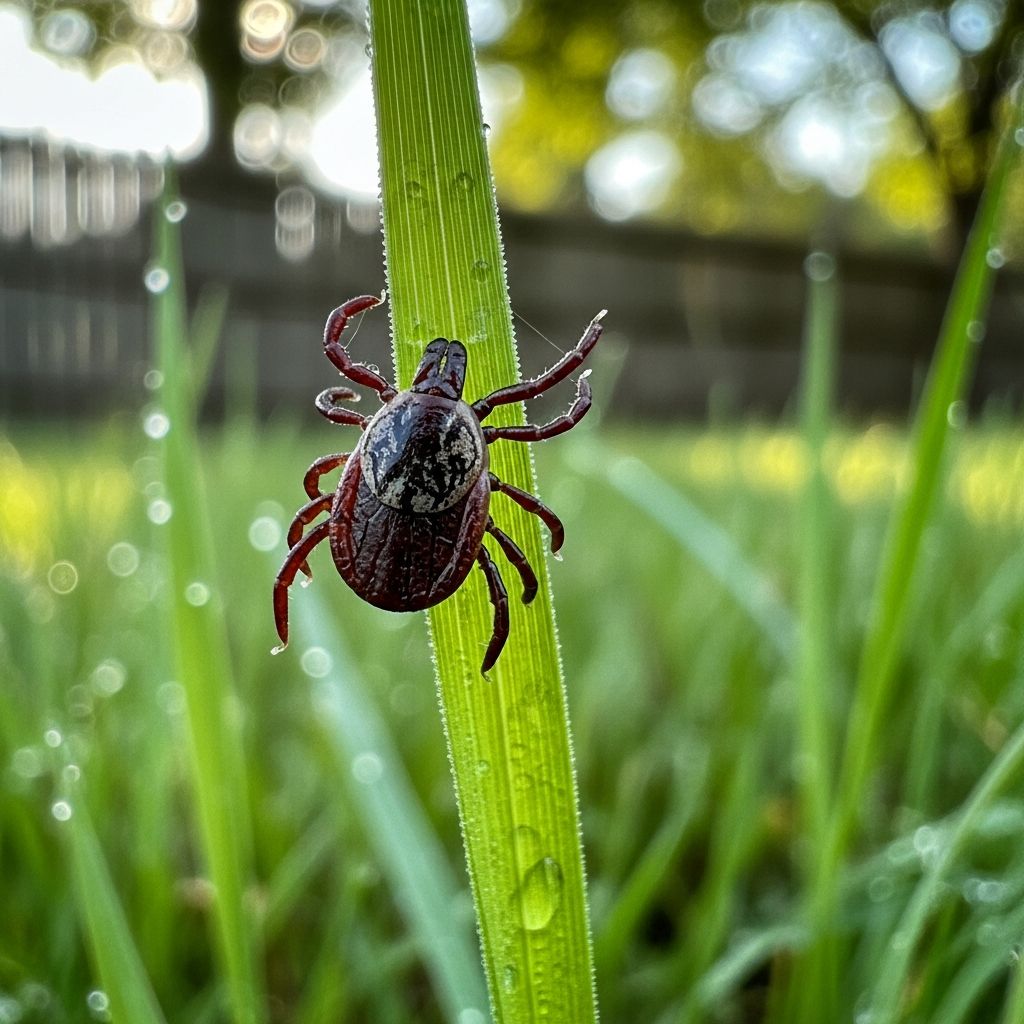
Ticks pose significant health risks by transmitting diseases like Lyme disease through bites. Creating a safer outdoor environment starts with understanding their habits and implementing targeted prevention measures. This guide outlines practical steps to reduce tick presence around homes, drawing from authoritative health recommendations.
Understanding Tick Habits and Risks
Ticks thrive in specific conditions, favoring shaded, humid areas with ample vegetation. They commonly inhabit grassy fields, wooded zones, and leafy debris, where they wait to latch onto passing hosts such as humans, pets, or wildlife. Proximity to these habitats increases exposure, even in suburban yards bordering natural areas.
Reducing encounters requires modifying landscapes to make them less appealing. Ticks avoid direct sunlight and dry environments, so open, well-maintained spaces naturally deter them. Key risks include high tick density near yard edges, where wildlife like deer and rodents serve as carriers.
Essential Landscaping Modifications
Transform your yard into a less hospitable tick zone through simple upkeep. Regular maintenance disrupts their preferred microhabitats.
- Mow lawns short: Keep grass at 2-3 inches to expose soil to sun and reduce humidity.
- Clear debris: Remove leaf litter, brush piles, and overgrown plants that provide cover.
- Prune vegetation: Trim shrubs and trees to increase sunlight penetration and airflow.
These changes not only limit tick survival but also discourage host animals. For instance, short grass eliminates hiding spots for questing ticks—the position they adopt while seeking blood meals.
Installing Physical Barriers
Barriers create clear divisions between tick-heavy zones and play areas. A 3-foot-wide strip of gravel, wood chips, or mulch at lawn-woodland edges restricts tick movement.
| Barrier Type | Benefits | Installation Tips |
|---|---|---|
| Wood Chips | Retains moisture minimally; natural look | 3+ feet wide; refresh annually |
| Gravel | Excellent drainage; deters rodents | Level surface; combine with edging |
| Mulch | Aesthetic appeal; suppresses weeds | Avoid deep piles; 2-3 inches thick |
Such features serve as visual cues for tick checks upon re-entering lawns. Evidence from public health sources confirms these reduce tick incursions effectively.
Wildlife Deterrence Strategies
Deer, rodents, and other animals transport ticks into yards. Minimize their access to break the cycle.
- Fencing: Install 5-8 foot deer fences for larger properties; rodent-proof with tight mesh.
- Wood storage: Stack piles neatly in dry, sunny spots away from structures to avoid rodent nests.
- Plant choices: Opt for deer-resistant species like ferns or aromatic herbs.
- Feeders relocation: Position bird feeders distant from homes, limiting to winter months.
Eliminating food and shelter sources starves tick populations reliant on these hosts.
Strategic Placement of Outdoor Features
Locate high-use areas in sunny, open spaces to minimize exposure.
- Position playgrounds, patios, decks, and furniture central in lawns, away from tree lines.
- Avoid shaded borders for seating or recreation zones.
This leverages ticks’ aversion to heat and light, concentrating activity in safer zones.
Chemical and Natural Control Options
When landscaping alone insufficient, targeted applications help. Always consult local regulations and professionals.
- Permethrin treatments: Apply to yard perimeters, shady beds, and paths; avoids open lawns.
- Tick tubes: Biodegradable tubes with permethrin cotton attract rodents, killing ticks in nests. Deploy 24 per acre in late summer.
- Granular pesticides: Spread for broad coverage, effective up to 3 months.
Prioritize integrated pest management: combine with habitat changes for best results. Professional applicators ensure compliance and efficacy.
Personal Protection Measures
Yard modifications complement individual precautions.
- Treat gear: Use 0.5% permethrin on clothing, boots, and equipment; lasts multiple washes.
- Daily checks: Inspect skin, pets, and gear after outdoor time.
- Repellents: Apply DEET or picaridin to exposed skin.
These steps prevent bites even in treated areas.
Seasonal Maintenance Calendar
| Season | Key Actions |
|---|---|
| Spring | Mow frequently; clear winter debris; install barriers |
| Summer | Perimeter sprays; tick tubes; check fences |
| Fall | Remove leaves; prune; rodent-proof woodpiles |
| Winter | Plan plantings; inspect for overwintering sites |
Consistent effort year-round sustains low tick levels.
Monitoring and Professional Help
Track effectiveness with drag sampling: pull a white cloth over grass to collect ticks. If populations persist, hire certified applicators experienced in tick control.
Local health departments offer timing and product guidance.
FAQs
Do tick barriers really work?
Yes, 3-foot gravel or chip borders significantly limit tick migration from woods to lawns, per CDC guidelines.
Are pesticides safe for yards with kids and pets?
When label instructions followed, yes. Opt for targeted applications and consult officials.
How often should I mow to deter ticks?
Weekly during peak growth; maintain under 3 inches.
Can I eliminate ticks entirely from my yard?
Complete elimination unlikely, but populations reducible by 80-90% with integrated methods.
What if I live near woods?
Emphasize barriers, fencing, and perimeters; avoid edge activities.
References
- Preventing Tick Bites — Centers for Disease Control and Prevention. 2023. https://www.cdc.gov/ticks/prevention/index.html
- Tick Control in the Yard — University of Wisconsin-Madison. 2023. https://wisconsin-ticks.russell.wisc.edu/yard-treatments/
- Controlling Ticks Around Your Home — California Department of Public Health. 2022. https://www.cdph.ca.gov/Programs/CID/DCDC/CDPH%20Document%20Library/ControllingTicksAroundHome.pdf
- Protecting Your Lawn and Garden Against Ticks — GardenTech. 2024. https://www.gardentech.com/blog/pest-id-and-prevention/protecting-your-lawn-and-garden-against-ticks
- Ticks Taking Over? Take Back Your Yard — New York City Department of Health. 2023. https://www.nyc.gov/assets/doh/downloads/pdf/zoo/tick-yard-control.pdf
Similar Articles







Read full bio of Sneha Tete