Protecting Bamboo Wicker Furniture from Water
Discover proven techniques to shield your bamboo wicker furniture from moisture damage, ensuring long-lasting beauty and durability outdoors.
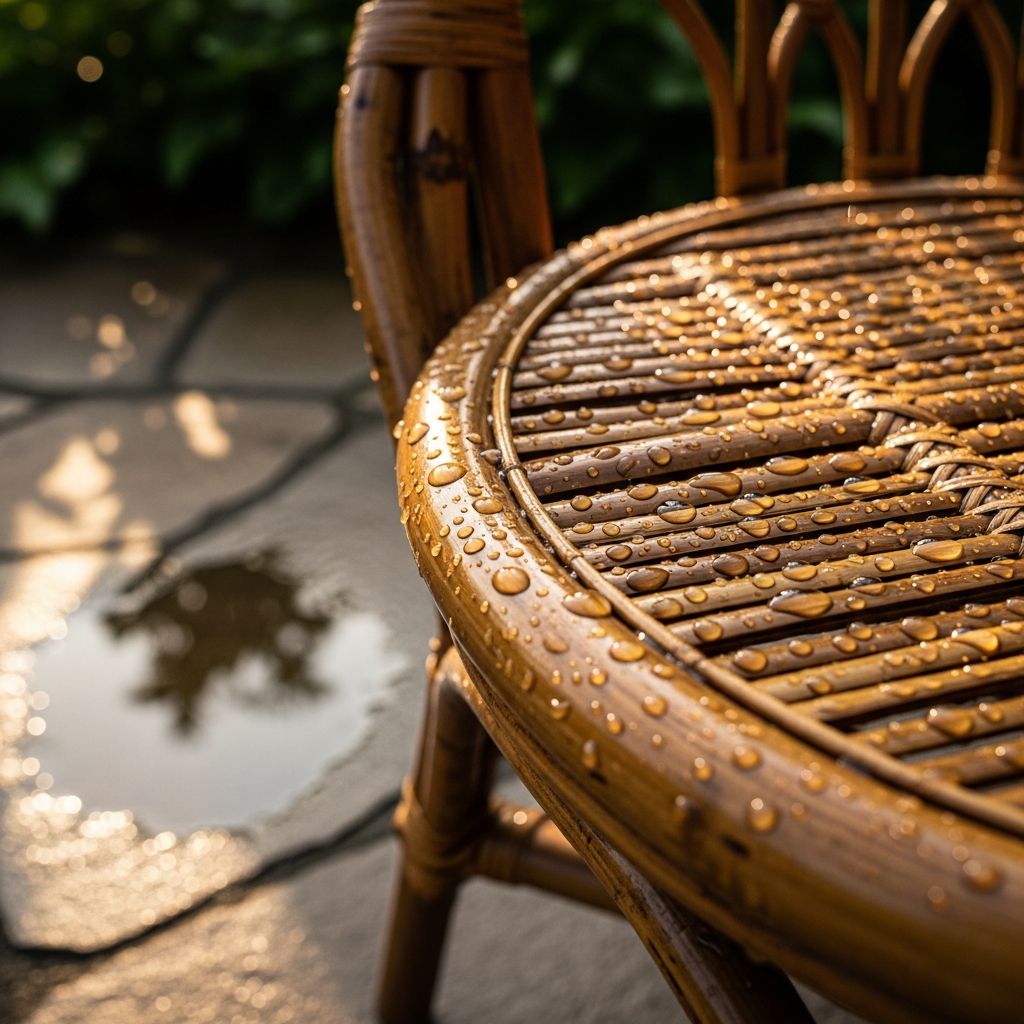
Bamboo wicker furniture combines natural elegance with practical functionality, making it a favorite for patios and gardens. However, its porous structure makes it susceptible to water damage unless properly protected. This comprehensive guide outlines effective strategies to safeguard your investment against moisture, extending its lifespan significantly.
Why Bamboo Wicker Needs Water Protection
Bamboo wicker, crafted from woven natural fibers like rattan or willow, absorbs water easily, leading to swelling, cracking, and mold growth. Even synthetic versions benefit from added barriers in humid climates. Without treatment, exposure to rain or dew causes fibers to weaken, resulting in structural failure over time.
Key vulnerabilities include the intricate weave that traps moisture and UV exposure that fades colors alongside water erosion. Proactive sealing creates a hydrophobic layer, repelling water while allowing breathability to prevent trapped humidity.
Assessing Your Furniture Type
Not all wicker is equal. Natural bamboo wicker demands thorough sealing, while resin or polyethylene synthetics are inherently more resistant but still require UV and occasional water barriers. Inspect for existing finishes: pre-sealed pieces may only need touch-ups, per manufacturer guidelines.
- Natural Bamboo: Highly absorbent; prioritize penetrating oils and varnishes.
- Synthetic Wicker: Focus on surface sprays and UV protectants to combat fading.
- Hybrid: Blend of both; test small areas before full application.
Essential Tools and Materials for Waterproofing
Gather supplies before starting to ensure a smooth process. Quality products make the difference in longevity.
| Item | Purpose | Recommended Type |
|---|---|---|
| Sealant | Creates moisture barrier | Polyurethane varnish or marine-grade |
| Cleaner | Removes dirt and old finish | Mild soap with ammonia |
| Brushes/Sprayer | Even application | Natural bristle or aerosol can |
| Covers | Post-treatment shield | Breathable waterproof fabric |
| Protective Gear | Safety | Mask, gloves, tarp |
Step-by-Step Preparation Process
Proper prep is 80% of successful waterproofing. Begin in a dry, well-ventilated outdoor area.
- Clean Thoroughly: Vacuum loose debris, then scrub with soapy water and ammonia solution. Rinse and dry completely—moisture trapped under sealant leads to bubbling.
- Repair Damage: Secure loose strands with waterproof glue and clamps. Sand rough spots lightly for smooth adhesion.
- Sand Surface: Use fine-grit paper (220+) to degloss existing finishes, promoting better penetration.
- Test Sealant: Apply to inconspicuous area; wait 24 hours to check compatibility and color change.
Applying Sealants and Coatings
Choose based on exposure: oils for indoor/outdoor transitions, varnishes for full outdoor use.
Oil-Based Treatments
Tung or linseed oil penetrates fibers, enhancing water resistance without a glossy film. Apply thinly, wipe excess, and reapply after 24 hours. Ideal for natural bamboo; repeat seasonally.
Varnish and Polyurethane Methods
Brush or spray 2-3 thin coats of polyurethane or marine varnish, allowing 4-6 hours drying between layers. This durable finish withstands heavy rain. For spray: Mask lungs, work in sections, and overlap strokes evenly.
Acrylic Sprays for Quick Protection
Aerosol acrylics offer easy coverage for synthetics. Multiple light coats prevent drips; fully cures in 48 hours.
Pro Tip: In humid areas, opt for epoxy sealers topped with varnish for superior longevity.
Enhancing Protection with Cushions and Covers
Furniture isn’t just the frame—soft elements need attention too.
- Waterproof Cushions: Select solution-dyed acrylic or polyester fills that drain quickly. Spray with fabric protectors like Scotchgard for extra repellency.
- Custom Covers: Breathable, fitted covers prevent condensation. Remove during dry use to avoid mildew.
Store cushions indoors during off-seasons to maximize life.
Ongoing Maintenance Strategies
Waterproofing isn’t set-it-and-forget-it. Regular care sustains performance.
- Weekly Cleaning: Hose off gently; avoid pressure washers that force water into weaves.
- Seasonal Inspections: Check for cracks or peeling; reapply sealant annually or bi-annually based on weather exposure.
- Winter Storage: Disassemble if possible, cover in dry shelter, or use heavy-duty breathable tarps.
- UV Defense: Add UV-resistant topcoats to combat sun fading alongside water.
Troubleshooting Common Issues
Even treated furniture faces challenges. Here’s how to address them:
| Problem | Symptoms | Solution |
|---|---|---|
| Mold Growth | Black spots, musty odor | Scrub with bleach solution (1:10), dry fully, reseal |
| Warping | Bent or loose weaves | Dry immediately, apply oil, clamp if needed |
| Peeling Sealant | Flaky finish | Sand off, clean, reapply fresh coats |
| Fading Colors | Discolored strands | UV spray, reposition for even sun exposure |
Environmental and Safety Considerations
Work responsibly: Use low-VOC products to minimize fumes. Dispose of rags properly to avoid spontaneous combustion from oil-soaked materials. In coastal or high-humidity zones, prioritize marine-grade options for salt resistance.
Cost-Benefit Analysis of Protection
Initial investment (sealants: $20-50 per piece) saves hundreds on replacements. Untreated wicker lasts 1-2 years outdoors; sealed versions endure 5-10 years with maintenance.
Frequently Asked Questions (FAQs)
Can I waterproof indoor wicker furniture?
Yes, light oil treatments prevent spills without altering appearance.
How often should I reapply sealant?
Every 1-2 years, or after harsh winters.
Is synthetic wicker truly maintenance-free?
No, it needs cleaning and UV protection to prevent brittleness.
What if my furniture is already damaged?
Repair first, then seal; severe cases may require professional refinishing.
Are there eco-friendly sealants?
Water-based polyurethanes and natural oils like tung offer green alternatives.
Advanced Tips for Longevity
For premium results, combine methods: oil base + varnish topcoat. Elevate furniture on risers to improve airflow. In rainy climates, invest in pergolas for partial shelter. Track local weather patterns to time reapplications preemptively.
By following these steps, your bamboo wicker will remain a stunning outdoor centerpiece for years, resisting the elements with grace.
References
- A Guide to Understanding and Protecting Your Wicker Furniture — Jardina. 2023. https://jardina.com/blogs/all/a-guide-to-understanding-and-protecting-your-wicker-furniture
- How to Protect Wicker Furniture: Everything You Need to Know — Icosiest. 2023. https://icosiest.com/blogs/cosiest/how-to-protect-wicker-furniture-everything-you-need-to-know
- The Simple Guide to Waterproofing Outdoor Furniture — Fine Sells. 2023. https://finesells.com/the-simple-guide-to-waterproofing-outdoor-furniture/
- Simple Guide to Waterproofing Outdoor Furniture — Asian Paints. 2023. https://www.asianpaints.com/blogs/simple-guide-to-waterproofing-outdoor-furniture.html
- How to Protect Your Wicker and Rattan Furniture in a Climate — Rattan Wicker and Cane. 2024-10. https://rattanwickerandcane.com/2024/10/how-to-protect-your-wicker-and-rattan-furniture-in-a-climate/
- How to Care for Wicker Furniture — Williams Ski & Patio. 2023-08-02. http://www.williamsskiandpatio.com/blog/2023/8/2/how-to-care-for-wicker-furniture
Similar Articles






Read full bio of Sneha Tete