Protecting Garden Bench Cushions from Water
Discover effective strategies to shield your garden bench cushions from rain, UV rays, and stains for lasting outdoor comfort and style.
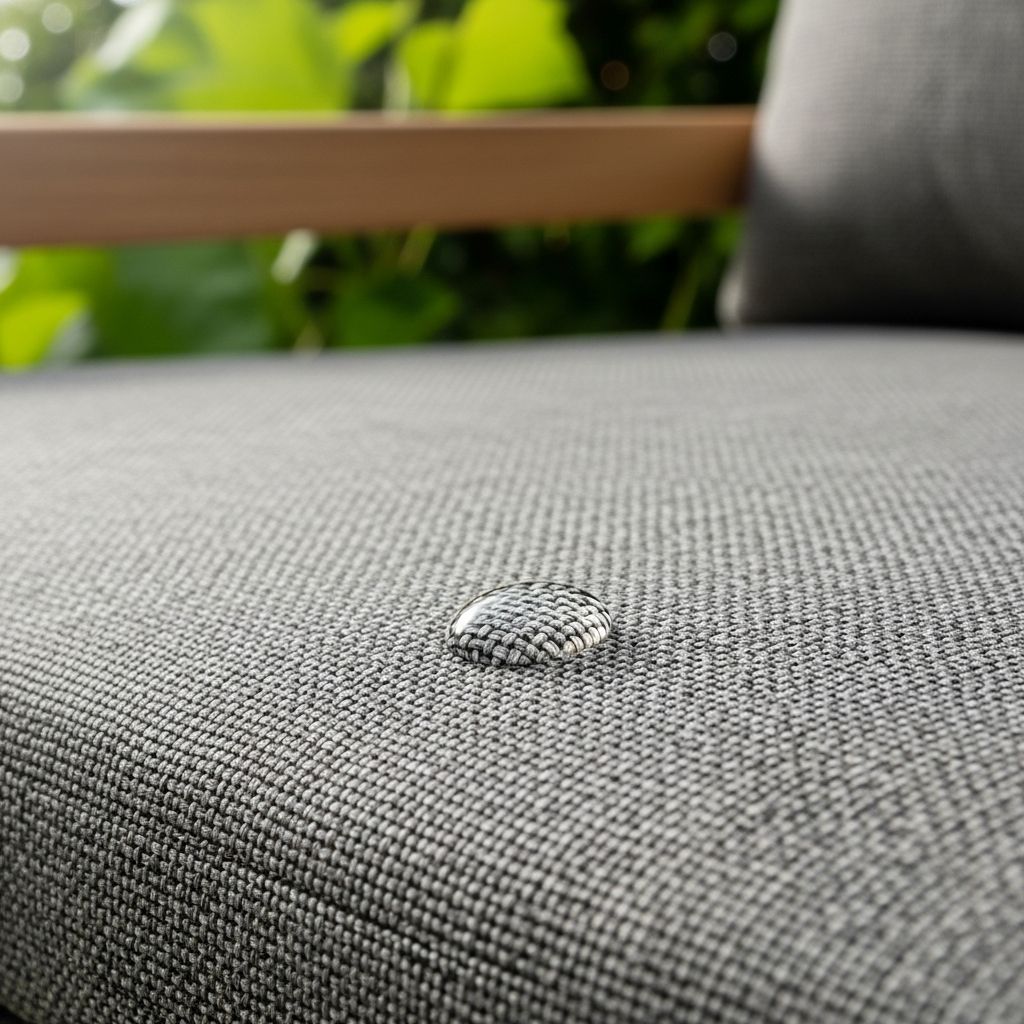
Garden bench cushions enhance outdoor seating with comfort and style, but exposure to rain, sun, and dirt can quickly degrade them. Waterproofing these cushions preserves their appearance and functionality, preventing mold, fading, and structural breakdown. This guide explores materials, treatment options, application techniques, and ongoing care to keep your cushions resilient against the elements.
Why Waterproofing Matters for Outdoor Cushions
Outdoor environments pose constant threats to fabric and foam. Water penetration leads to mildew growth, while UV rays cause color loss and fiber weakening. Without protection, cushions lose loft and become breeding grounds for bacteria. Effective waterproofing creates a barrier that repels moisture, blocks stains, and maintains breathability, extending usability from seasons to years. Regular treatments also reduce cleaning frequency and replacement costs, making it a smart investment for any garden setup.
Selecting the Right Cushion Materials
Choosing appropriate fabrics and fillings forms the foundation of durable outdoor cushions. Synthetic options like polyester, olefin, and solution-dyed acrylic resist water naturally better than cotton or natural blends. Acrylic fabrics, such as those branded Sunbrella, excel in fade resistance and quick drying. For fillings, high-density foam wrapped in polyester batting sheds water effectively, unlike standard polyurethane that absorbs moisture.
- Polyester: Affordable and water-repellent, but benefits from additional treatments.
- Olefin: Mold-resistant and strong, ideal for humid climates.
- Vinyl or PVC-coated polyester: Fully waterproof, though less breathable.
Match material to your climate—heavy rain calls for robust waterproof types, while sunny areas prioritize UV protection.
Commercial Waterproofing Sprays and Sealants
Sprays and sealants offer straightforward protection for existing cushions. Silicone-based sprays create a flexible barrier, while fluoropolymer formulas like those in 303 Fabric Guard provide superior stain resistance. These products penetrate fibers without altering texture, ensuring cushions remain soft.
Step-by-Step Spray Application
- Remove cushions from benches and vacuum loose debris.
- Wash with mild soap, rinse thoroughly, and air-dry fully to avoid trapping moisture.
- Test product on an inconspicuous area for colorfastness.
- In a ventilated space, apply even coats from 6-8 inches away, covering all surfaces including seams.
- Let dry 24 hours; reapply a second coat for heavy-use areas.
Sealants like Scotchgard demand similar prep but cure into a longer-lasting shield, often enduring 6-12 months outdoors. Reapply annually or when water no longer beads on the surface.
Crafting Custom Waterproof Covers
Slipcovers add a removable layer of defense, perfect for cushions needing occasional deep cleans. Opt for marine-grade vinyl or laminated polyester for seam-to-seam waterproofing. Custom fits prevent bunching and ensure full coverage.
Materials Comparison Table
| Material | Waterproof Level | Breathability | Durability | Cost |
|---|---|---|---|---|
| Sunbrella Acrylic | High (treated) | Excellent | Very High | Premium |
| Vinyl | Full | Low | High | Moderate |
| PVC Polyester | Full | Moderate | High | Affordable |
| Olefin | Medium | Good | Medium | Low |
Sewing your own covers? Use a waterproof liner under decorative fabric and seal seams with silicone tape to block needle holes where water seeps.
DIY Natural Waterproofing Alternatives
Budget-friendly home remedies suit light protection needs. A beeswax-linseed oil mix imparts water resistance to fabrics.
- Melt 1 part beeswax with 3 parts boiled linseed oil.
- Apply warm mixture with a brush to clean, dry cushions.
- Heat-set with a hairdryer for penetration.
- Buff excess after cooling.
These methods yellow over time and require more frequent reapplication than commercial options but cost pennies per treatment. Test small areas, as oils can darken some fabrics.
Advanced Protection: Foam Encapsulation
Shield internal foam by wrapping it in plastic sheeting or waterproof batting before reinserting into covers. This prevents saturation even if outer layers fail. Quick-dry foam alternatives, available from specialty suppliers, regain shape rapidly after rain exposure.
Ongoing Maintenance Routines
Preserve treatments through vigilant care. Weekly, brush off dirt and spot-clean spills with diluted vinegar. Store cushions indoors during prolonged wet spells. Annually inspect for wear, re-waterproofing as needed. UV protectants complement waterproofing in sunny locales.
Seasonal Care Checklist
- Spring: Deep clean and initial spray application.
- Summer: Weekly vacuuming and spill response.
- Fall: Full wash and storage prep.
- Winter: Indoor storage or heavy-duty covers.
Avoiding Pitfalls in Cushion Protection
Common errors undermine efforts. Skipping drying times traps humidity, fostering mold. Over-spraying stiffens fabric—follow product dilution guidelines. Ignore indoor products; they lack UV stabilizers. Always prioritize ventilation during applications to evade fumes.
FAQ
How often should I reapply waterproofing spray?
Every 3-6 months, or sooner in high-exposure areas. Test by sprinkling water; if it soaks in, retreat.
Can I waterproof indoor cushions for outdoor use?
Only with outdoor-rated products. Indoor fabrics degrade faster under UV and weather stress.
Are waterproof cushions uncomfortable in heat?
Breathable fabrics like treated acrylic prevent clamminess better than solid vinyl.
What if my cushions are already moldy?
Discard foam if permeated; clean covers with bleach solution and sun-dry before treating.
Do I need sewing skills for custom covers?
No—use fabric glue or iron-on seam tape for no-sew options on simple shapes.
Enhancing Longevity with Smart Storage
When not in use, elevate cushions on slats for airflow. Breathable storage bags shield from dust while allowing moisture escape. Invest in fitted furniture covers for unattended benches, combining ease with comprehensive protection.
Implementing these strategies transforms vulnerable garden bench cushions into weather warriors. Consistent application and care yield cushions that withstand years of outdoor living, blending practicality with aesthetic appeal.
References
- How to Waterproof Outdoor Cushions — Coverini. 2024-10-28. https://www.coverini.com/blog/2024/10/28/how-to-waterproof-outdoor-cushions/
- How-To: Replacing and Waterproofing Outdoor Cushions — FoamOrder. N/A. https://www.foamorder.com/learning-center/diy/how-to-waterproof-outdoor-furniture
- Making Waterproof Garden Cushions — MoneySavingExpert Forum. N/A. https://forums.moneysavingexpert.com/discussion/3858253/making-waterproof-garden-cushions-has-anyone-done-this
Similar Articles



Read full bio of medha deb