Protecting Wood Floors from Water Damage
Master the essential techniques to shield your wood flooring from moisture and extend its lifespan.
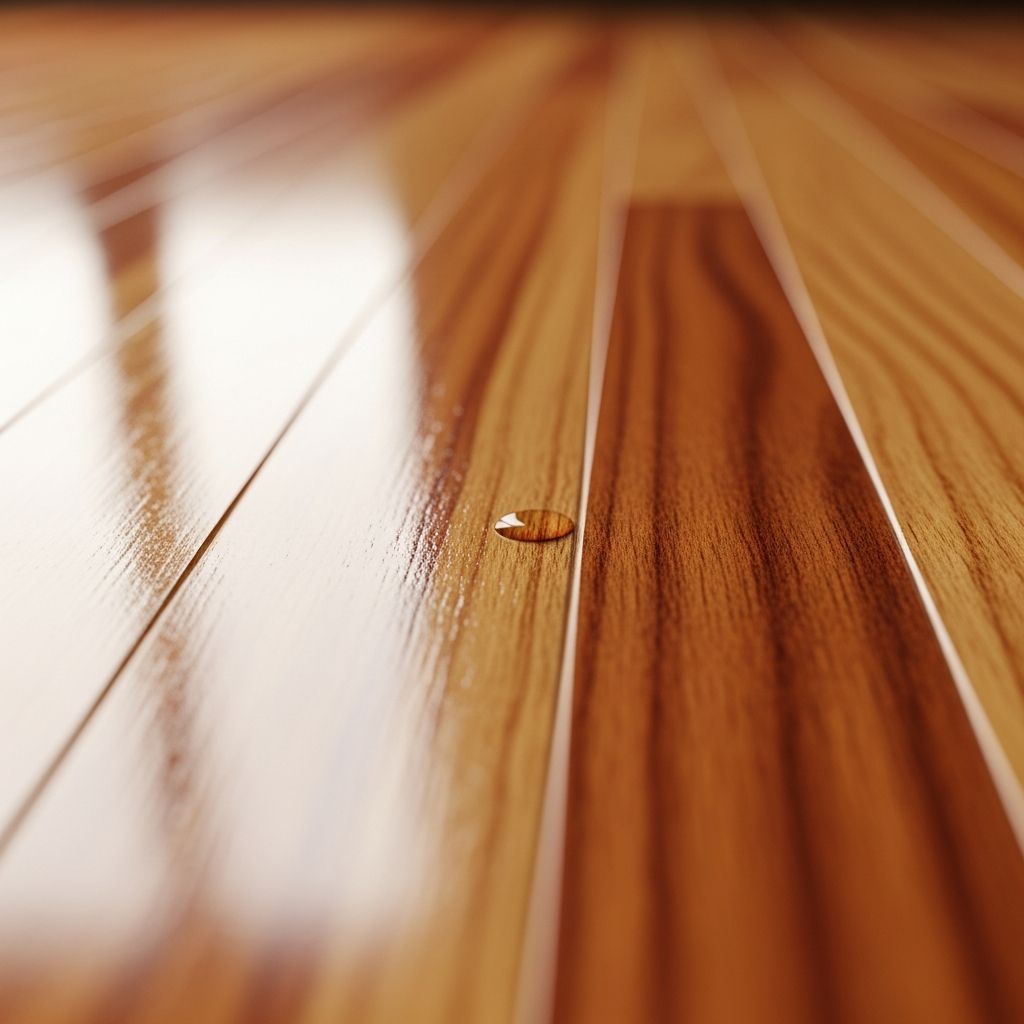
Protecting Wood Floors from Water Damage: A Complete Guide to Waterproofing
Wood flooring adds warmth and natural beauty to any home, but it remains vulnerable to moisture infiltration that can lead to warping, rot, and structural failure. Understanding the distinction between water-resistant and waterproof flooring is crucial before beginning any protective treatment. While true waterproofing of wood is challenging, creating a robust water-resistant barrier through proper sealing techniques can significantly extend your floor’s lifespan and maintain its appearance for years to come.
Understanding the Difference Between Water-Resistant and Waterproof
Many homeowners use the terms “waterproof” and “water-resistant” interchangeably, but they represent fundamentally different levels of protection. Water-resistant wood flooring can withstand occasional spills and minor moisture exposure without immediate damage, while waterproof flooring prevents water penetration entirely. For residential wood floors, achieving complete waterproofing is difficult; however, creating excellent water-resistant finishes is entirely achievable through careful application of protective coatings.
Traditional varnished and lacquered wood floors offer superior water resistance compared to oil-finished surfaces. Water-resistant finishes on wood floors provide adequate protection against everyday moisture challenges like spills and humidity fluctuations, but they cannot withstand prolonged water exposure or frequent saturation. This distinction helps homeowners set realistic expectations and choose appropriate protection methods for their specific circumstances.
Pre-Treatment Surface Preparation
Success in wood floor protection begins long before any sealant touches the surface. Thorough preparation determines whether your waterproofing effort will yield lasting results or premature failure.
Cleaning and Inspection
Start by examining your wood floor for existing damage. Look carefully for holes, cracks, deep gouges, or soft spots that indicate moisture damage or rot. These areas must be addressed before applying any protective coating, as sealants cannot penetrate damaged wood effectively. For floors with visible mold or mildew growth, use an appropriate cleaner to remove biological contaminants that could interfere with sealant adhesion.
Use a general-purpose cleaner to remove dirt, dust, and accumulated debris from the floor surface. Allow the wood to dry completely after cleaning—moisture trapped beneath your sealant can cause adhesion problems and reduce the coating’s effectiveness. New wood floors can skip the cleaning step and proceed directly to sanding.
Sanding Strategy
Proper sanding opens the wood grain and creates a receptive surface for sealant penetration. Begin with rough sandpaper or mechanical sanders to address imperfections, then transition to finer grits for finishing. Sand with 400-grit sandpaper to prepare the surface adequately, as this grit level effectively opens the wood grain without over-abrading the surface.
After sanding, meticulously remove all dust using a tacky cloth. This step is essential because sanding residue creates a barrier between the wood and your protective coating, reducing adhesion and compromising waterproofing effectiveness. Wipe the entire surface thoroughly and allow any moisture from cleaning to evaporate completely.
Selecting Appropriate Waterproofing Products
The market offers several product categories for wood floor protection, each with distinct characteristics and applications:
- Stain and sealant combinations: These products simultaneously enhance wood color while providing moisture protection. They penetrate the wood grain and create a protective layer on the surface.
- Lacquer finishes: Provide excellent water resistance and create a durable surface layer that withstands daily wear.
- Varnish coatings: Offer superior water resistance compared to oil-based finishes and create a protective shell over the wood.
- Oil-based treatments: Linseed oil and tung oil provide moderate water resistance while maintaining the wood’s natural appearance and feel.
- Urethane coatings: Moisture-cured polyurethane products deliver professional-grade protection and flexibility, allowing for wood movement without cracking.
Match your product selection to your specific application and traffic level. High-traffic areas benefit from harder, more durable coatings, while lower-traffic spaces may use lighter protective finishes. Always select products explicitly designed for your floor type and intended application.
Application Techniques for Optimal Results
Initial Sealer Coat
The first coat requires special attention because it establishes the foundation for all subsequent layers. Apply a thin sealer coat thinned approximately 30 to 50 percent using appropriate thinner or xylene, allowing this initial layer to soak deeply into the wood grain. This sealer coat should be substantially thinner than subsequent coats because it needs to penetrate the wood rather than remain on the surface.
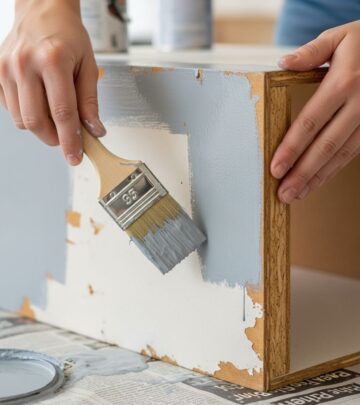
Use long, continuous brush strokes rather than dabbing or cross-hatching motions. Begin at one edge of the wood and apply finish in one long stroke along the entire length. As you reach the end of the stroke, apply additional pressure with the brush. Slightly overlap each successive stroke, working methodically across the floor. If you miss a spot during the initial coat, wait until applying the next coat to address it rather than attempting to fix it immediately.
Allow the sealer coat to cure for a full 24 hours before proceeding. This extended drying time allows the wood to fully absorb the thin sealant and prepares the surface for the next application.
Subsequent Coats and Sanding Between Layers
Multiple thin coats provide superior protection compared to one thick coat. After your sealer coat cures, lightly sand the surface using very fine sandpaper or 0000 steel wool. This gentle sanding creates microscopic surface irregularities that help the next coat adhere properly without requiring aggressive abrasion that might damage the sealer layer.
Wipe the surface thoroughly with a dry cloth to remove all sanding dust. Apply your second coat at full strength, working with consistent pressure and overlapping strokes. Each coat should dry for four to ten hours depending on product specifications, though allowing 24 hours between coats remains ideal for maximum adhesion and durability.
Apply a third coat if desired for enhanced protection, repeating the sanding and cleaning process between each application. Additional coats build a thicker protective barrier, though three coats typically provide adequate protection for most residential applications.
Brush Application Method
Proper brush technique differs significantly from typical painting methods. Rather than painting with short, back-and-forth strokes, use continuous directional strokes that follow the wood grain. This approach distributes the coating evenly and follows the natural wood structure, creating a more unified and durable finish.
Apply sealant using brushes or rollers specifically designed for floor work. Generic paintbrushes may shed bristles or distribute coatings unevenly. Work quickly to maintain a wet edge, meaning the area where wet sealant meets already-applied coating remains slightly moist. This overlap creates seamless coverage without visible lines or dried edges.
Curing and Protection Timeline
Wood requires adequate curing time before use or furniture placement. Allow approximately three days of complete curing before walking on treated floors or placing any furniture or objects on the surface. During this period, maintain room temperature and ventilation without disturbing the treated floor.
The curing timeline varies by product type and environmental conditions. Moisture-cured polyurethane coatings require different curing protocols than water-based sealants. Always follow manufacturer instructions regarding minimum cure time before exposure to moisture or heavy use.
Alternative Waterproof Flooring Solutions
For homeowners seeking to avoid ongoing maintenance or desiring superior water protection, alternative flooring materials offer compelling options. Waterproof laminate flooring provides the appearance of real wood without requiring sealant maintenance, costs between $2-3 per square foot, and suits indoor applications. Unlike wood, waterproof laminate does not require periodic sealing, though covering a 1,500-square-foot area costs $3,000-4,500 for supplies.
Luxury vinyl tiles and waterproof vinyl planks replicate wood or tile aesthetics while providing superior moisture resistance. These engineered products eliminate waterproofing challenges entirely, offering easier installation and minimal maintenance requirements compared to traditional wood flooring.
Safety Considerations During Application
Waterproofing products contain chemicals requiring appropriate safety precautions. Wear protective eyewear, rubber gloves, and appropriate protective apparel while applying waterproofing products. Work in well-ventilated areas or outdoors when possible to minimize inhalation exposure to fumes and volatile organic compounds. Allow adequate air circulation during application and drying periods, and avoid exposure to treated areas until coatings fully cure.
Frequently Asked Questions
Can I make existing wood floors completely waterproof?
True waterproofing of wood flooring is extremely challenging in residential settings. However, you can achieve excellent water-resistance through proper sealant application, making your floors resistant to casual spills and moderate moisture exposure.
How often should I reapply waterproofing treatments?
Water-resistant finishes typically last 2-3 years with normal household use. High-traffic areas may require more frequent reapplication. Monitor your floor for signs of water absorption (beading reducing or water soaking in quickly), which indicates the need for resealing.
What causes wood floor waterproofing failure?
Poor surface preparation, inadequate drying time between coats, applying thick coats instead of multiple thin ones, and using incompatible products all contribute to premature waterproofing failure. Exposure to prolonged water or standing moisture can overcome any sealant layer.
Is professional application necessary?
Careful DIY application following proper techniques yields excellent results. Professional application offers advantages in achieving uniform coverage and using commercial-grade products, but homeowner application can successfully protect wood floors.
What products work best for bathroom or kitchen floors?
High-moisture areas benefit from polyurethane or lacquer-based products that provide superior water resistance. Consider moisture barriers beneath the flooring and ensure standing water is removed promptly, as no sealant provides indefinite protection against sustained moisture.
Maintenance Tips for Long-Term Protection
Preserving your waterproofing investment requires ongoing attention. Clean spills immediately rather than allowing water to sit on the surface. Use area rugs in moisture-prone zones and ensure bathroom exhaust fans operate during and after showers to minimize ambient humidity. Maintain consistent indoor humidity levels between 40-60 percent, as excessive moisture in the air gradually degrades protective coatings.
Periodically inspect your floors for signs of water absorption. When water beads on the surface initially but gradually soaks in, your protective coating has degraded sufficiently to warrant resealing. Address this proactively to prevent moisture penetration and wood damage.
References
- How to Waterproof Wood and Masonry — The Home Depot. 2024. https://www.homedepot.com/c/ab/how-to-waterproof-wood-and-masonry/9ba683603be9fa5395fab90bf18f20e
- How To Waterproof Wood: 4 Methods — TaskRabbit Blog. 2024. https://www.taskrabbit.com/blog/how-to-waterproof-wood/
- Quick Guide To Waterproof Hardwood Flooring — Word of Mouth Floors. 2024. https://www.wordofmouthfloors.com/blogs/flooring/quick-guide-to-waterproof-hardwood-flooring
- How to Protect a Wood Shed Floor From Moisture and Wear — KBS Coatings. 2023. https://www.youtube.com/watch?v=QNMrui5lSJ4
Similar Articles



Read full bio of medha deb