Complete Puppy-Proofing Guide: Protect Your Home
Secure your home for a new puppy with essential safety tips and proofing strategies.
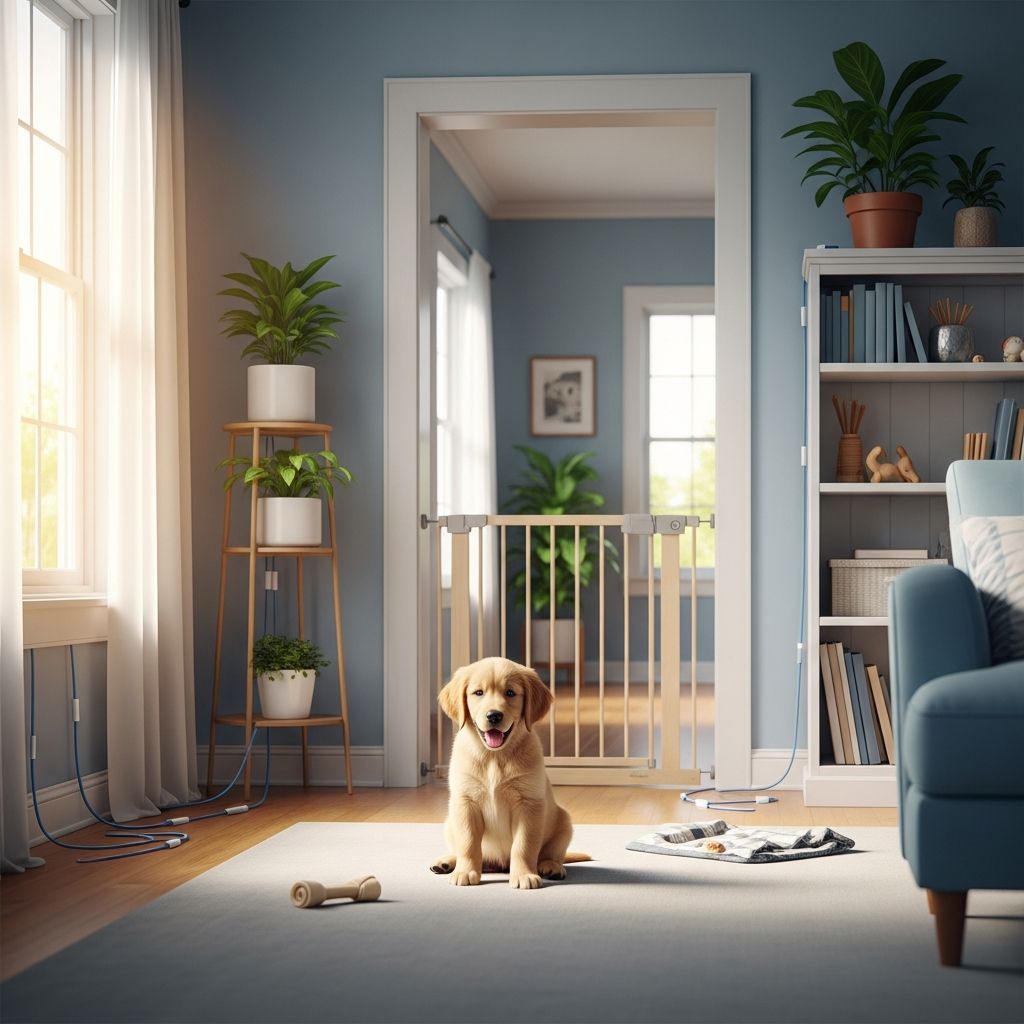
Complete Puppy-Proofing Guide: Protect Your Home for Your New Pet
Bringing a new puppy into your home is an exciting and joyful experience, but it also comes with significant responsibility. Just like preparing a home for a human infant, puppy-proofing requires careful thought and planning to ensure your new furry family member stays safe. Puppies are naturally curious and exploratory, often putting themselves in dangerous situations without realizing the risks. By taking the time to thoroughly puppy-proof your home, you’ll create a secure environment where your puppy can thrive while giving yourself peace of mind.
The first step in puppy-proofing is understanding that puppies see the world differently than adult dogs. Their curiosity is boundless, their coordination is still developing, and they haven’t yet learned what is and isn’t safe. They explore with their mouths, climb on furniture, and investigate every corner of your home. This article will guide you through all the essential steps to puppy-proof your home effectively.
Remove Toxic Substances and Hazardous Materials
One of the most critical aspects of puppy-proofing is eliminating access to toxic substances. Many common household items that are perfectly safe for humans can be lethal to puppies. You’ll need to conduct a thorough inspection of your entire home to identify and remove or secure these dangerous materials.
Common Household Toxins
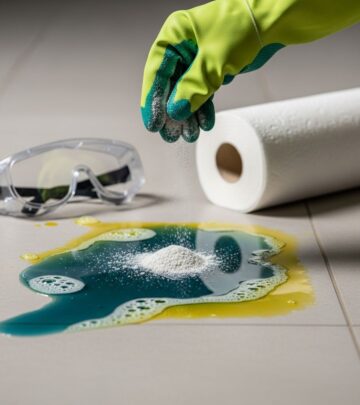
- Cleaning Supplies: Bleach, ammonia, and other harsh chemicals should be stored in high cabinets or locked storage areas. Never leave cleaning products on floors or low surfaces where curious puppies can access them.
- Medications: Both human and pet medications must be kept in secure, puppy-proof containers. Even a single dose of certain medications intended for humans can poison a puppy.
- Plants: Many popular houseplants are toxic to dogs, including lilies, sago palms, dieffenbachia, and oleander. Consider removing these plants or placing them in areas your puppy cannot access.
- Food Items: Chocolate, grapes, raisins, onions, garlic, and xylitol-containing products are dangerous for puppies. Keep these foods secured and never leave them on counters or tables within reach.
- Pesticides and Fertilizers: Garden chemicals must be stored safely away from your puppy’s access. Ensure your lawn treatments are puppy-safe if you plan to let your puppy play outside.
- Antifreeze: This sweet-tasting substance is extremely toxic to dogs. Store it securely and clean up any spills immediately.
Secure Electrical Cords and Outlets
Puppies love to chew on electrical cords, which can result in serious electrical burns or electrocution. Protecting electrical hazards is essential for your puppy’s safety. Start by identifying all electrical cords in your home and determining which ones your puppy might access.
Use cord covers or PVC tubing to protect visible wires and cables. You can also use furniture to block access to outlets and cords that are difficult to cover. Place heavy furniture in front of power strips and surge protectors to prevent your puppy from chewing on them. Consider using outlet covers or safety plugs in all electrical outlets to prevent your puppy from inserting objects or their tongue into the outlets.
Keep phone chargers, laptop cables, and other electronics secured and out of reach. These items are particularly attractive to puppies and pose both electrical and choking hazards. If possible, place these items on high surfaces or behind closed doors.
Manage Furniture and Choking Hazards
Puppies explore their environment through their mouths, making choking hazards a serious concern. Common household items that pose choking risks include small toys, hair ties, string, rubber bands, and coins.
Items to Secure or Remove
- Small toys and toy parts that can be swallowed
- Hair clips, hair ties, and rubber bands
- String, yarn, and thread
- Coins and small metal objects
- Foam padding from furniture or cushions
- Plastic bags and packaging materials
- Buttons and beads
- Anything small enough to fit in your puppy’s mouth
Additionally, ensure furniture is stable and cannot be pulled over by an energetic puppy. Secure bookcases, televisions, and other tall furniture to walls using safety straps or brackets. Remove any furniture with sharp corners or edges that could injure your puppy if they fall or bump into them.
Protect Your Floors and Surfaces
Puppies are prone to accidents, and they may also chew on flooring and baseboards. While this behavior is frustrating, it’s a normal part of puppy development. However, you can take steps to protect your home’s surfaces and minimize damage.
If you have hardwood or laminate floors, place washable rugs or puppy pads in areas where your puppy spends the most time. These will catch accidents and protect your floors from damage. Consider using baby gates to restrict your puppy’s access to certain rooms, particularly those with expensive flooring or furnishings.
Baseboards and door frames are common targets for teething puppies. Apply a bitter-tasting deterrent spray to these areas to discourage chewing. You can purchase these sprays at pet supply stores, and they work by making the surface taste unpleasant to your puppy.
Create Safe Spaces and Boundaries
Establishing designated safe spaces for your puppy is crucial for their security and your peace of mind. A safe space gives your puppy a sanctuary where they can rest, play, and feel secure without access to household hazards.
Setting Up a Puppy-Safe Room
Choose a small room or section of your home where you can safely contain your puppy. A bathroom, laundry room, or utility room works well for this purpose. Remove all hazardous materials, secure electrical cords, and ensure the space is clean and comfortable.
Install a baby gate or puppy gate to block access to other areas of your home. Make sure the gate is tall enough and sturdy enough that your puppy cannot jump over it or knock it down. The gate should be installed securely to the doorframe to prevent your puppy from pushing it open.
Use a crate as part of your puppy’s safe space. A properly-sized crate provides your puppy with a den-like environment where they feel secure. Make sure the crate is large enough for your puppy to stand, turn around, and lie down comfortably. Line it with soft bedding and place a few toys inside to make it inviting.
Secure Trash and Food Storage
Puppies are attracted to trash and food, and rummaging through a garbage can can expose them to toxic substances, sharp objects, and spoiled food. Secure all trash cans in cabinets or use cans with locking lids that your puppy cannot open.
Keep all food stored securely in cabinets or the refrigerator. Place childproof locks on lower cabinets to prevent your puppy from accessing food stores. Never leave food on counters or tables, and always clean up spills immediately.
Keep your puppy’s food in a secure container that they cannot knock over or access unsupervised. Use stainless steel or ceramic bowls that are heavy and difficult for puppies to move or chew on.
Prepare Your Yard and Outdoor Spaces
If your puppy will have access to outdoor spaces, those areas require puppy-proofing as well. Your yard should be securely fenced to prevent your puppy from escaping or encountering hazards outside your property.
Outdoor Safety Checklist
- Check your fence for gaps, holes, or damage that a puppy could escape through
- Ensure gates are secure and close properly
- Remove toxic plants and pesticides from your yard
- Remove sharp objects, broken glass, and metal debris
- Secure any tools, equipment, or gardening supplies
- Ensure there are no standing bodies of water where your puppy could drown
- Provide shade and fresh water in your yard at all times
- Keep your puppy’s outdoor play area visible from your house
Inspect your yard regularly for hazards such as toxic plants, pesticides, or dangerous objects. Remove any standing water, as puppies can drown in as little as a few inches of water. Ensure your puppy has constant access to fresh, clean water and shaded areas to prevent dehydration and overheating.
Remove or Secure Fragile Items
Puppies have a tendency to knock things over and break fragile items as they play and explore. Remove breakable items from tables, shelves, and other surfaces that your puppy can reach. This includes decorative items, vases, glasses, and electronics.
Use furniture pads or non-slip mats under items on tables to prevent them from sliding and falling if your puppy bumps into them. Consider storing decorative items in cabinets or on high shelves until your puppy is older and has learned impulse control.
Protect Cables and Electronic Devices
Beyond electrical cords, puppies may chew on cables for internet routers, televisions, computers, and other electronic devices. These can be choking hazards and may contain toxic materials. Use cable management systems to bundle and secure cables together, keeping them away from your puppy.
Use protective covers or cord concealers to hide cables along walls and baseboard areas. Consider running cables through PVC tubing for extra protection. Place electronic devices on high surfaces or in cabinets where your puppy cannot access them.
Prepare for Teething and Chewing
Teething is a normal developmental phase that puppies go through as their adult teeth come in. During this time, puppies have an intense urge to chew. While puppy-proofing prevents them from chewing on dangerous items, providing appropriate chewing outlets is equally important.
Offer your puppy a variety of safe, durable chew toys designed for puppies. Rotate the toys regularly to keep them interesting. Soft toys should be avoided with aggressive chewers as they may swallow pieces. Choose toys specifically designed for puppies that are appropriately sized for your breed.
Freeze a wet washcloth or puppy teething toy to provide relief for sore gums. Offer treats specifically designed for teething puppies. Supervise your puppy’s playtime with toys to ensure they are not ingesting toy pieces or becoming injured.
Establish Rules and Training
Puppy-proofing is most effective when combined with proper training and establishing clear rules. From day one, help your puppy understand what behaviors are acceptable and which are not. Use positive reinforcement to reward good behavior and redirect unwanted behavior.
Supervise your puppy constantly during the first few weeks in your home. Crate training and using baby gates will help you manage your puppy’s environment while you cannot actively watch them. Consistent supervision allows you to catch and redirect problematic behavior before it becomes a habit.
Teach your puppy the difference between their toys and household items that are off-limits. Use a firm ”no” or ”leave it” command when you catch them chewing on something inappropriate, and immediately redirect them to an appropriate toy.
Frequently Asked Questions
Q: At what age should I start puppy-proofing my home?
A: You should puppy-proof your home before bringing your puppy home. This ensures that your environment is safe from day one. Puppies can get into trouble immediately, so complete preparation beforehand is essential.
Q: What is the most dangerous household item for puppies?
A: Medications intended for humans are among the most dangerous household items for puppies, as even small doses can be lethal. Toxic foods like chocolate and xylitol, as well as cleaning supplies, are also extremely hazardous.
Q: How do I prevent my puppy from chewing on furniture?
A: Provide appropriate chew toys, use bitter-tasting deterrent sprays on furniture, supervise your puppy closely, and redirect chewing behavior to acceptable toys. Ensure your puppy gets adequate exercise and mental stimulation.
Q: Is it necessary to use a crate for puppy training?
A: While not absolutely necessary, crates are highly beneficial for puppy safety, housetraining, and creating a secure space where your puppy cannot get into trouble when unsupervised.
Q: How often should I check my home for new puppy hazards?
A: Check your home regularly, at least monthly, for new hazards. As your puppy grows and becomes more capable, new dangers may emerge. Adjust your puppy-proofing measures as your puppy develops and learns.
Q: What should I do if my puppy ingests something toxic?
A: Contact your veterinarian immediately or call the ASPCA Animal Poison Control Center at (888) 426-4435. Do not wait for symptoms to appear, as prompt treatment is critical for your puppy’s survival.
References
- Pet Poison Helpline: Common Toxic Substances — Pet Poison Helpline. 2024. https://www.petpoisonhelpline.com/
- ASPCA: Toxic and Non-Toxic Plants — American Society for the Prevention of Cruelty to Animals. 2024. https://www.aspca.org/pet-care/animal-poison-control
- American Kennel Club: Puppy Care Guide — American Kennel Club. 2024. https://www.akc.org/
- The Humane Society: Preparing Your Home for a New Puppy — The Humane Society of the United States. 2024. https://www.humanesociety.org/
Similar Articles



Read full bio of medha deb