Purging Air from Hot Water Boilers: Complete Guide
Master the essential process of removing air from your hot water boiler system to ensure efficient heating, prevent pump damage, and maintain optimal performance year-round.
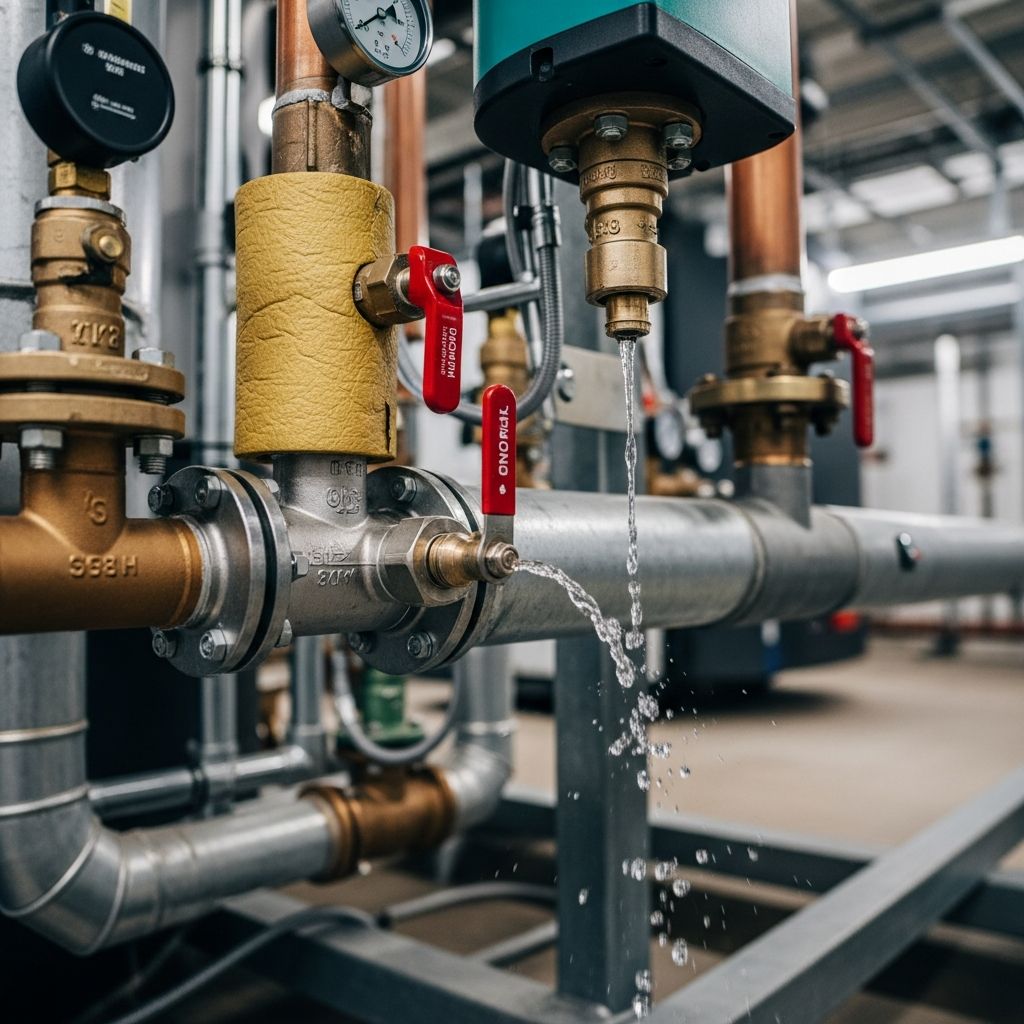
Air trapped in a hot water boiler system disrupts circulation, causes noisy operation, and leads to uneven heating. Purging removes this air, restoring smooth water flow and system efficiency. This guide details why air accumulates, how to identify it, and proven methods to eliminate it safely at home.
Why Air Enters Hot Water Boiler Systems
Hydronic heating systems, which circulate hot water through pipes to radiators or baseboards, naturally trap air during installation, maintenance, or refilling. When systems are drained for repairs, air replaces the water. Even minor leaks or pressure drops introduce air over time. Dissolved gases in fresh water also release as bubbles when heated, compounding the issue.
Untreated air creates resistance against circulator pumps, forcing them to work harder and risking burnout. Symptoms include gurgling pipes, cold spots in rooms, and reduced heat output. Regular purging prevents these problems, ensuring reliable winter comfort.
Recognizing Air Problems in Your Boiler
Before purging, confirm air is the culprit. Listen for bubbling or knocking sounds from pipes or the boiler. Check if radiators or baseboards are cool at the top while hot at the bottom—this indicates air pockets. Pumps may run continuously without heating spaces effectively. Pressure gauges often drop below 12-15 PSI when air dominates.
- Gurgling or hissing noises: Air moving through narrow passages.
- Uneven heating: Traps in high points like radiator tops.
- Pump overheating: Struggling against air locks.
- Water spitting from vents: Pressurized air escaping.
Monitor system pressure during operation; fluctuations signal air intrusion.
Essential Tools and Materials for Purging
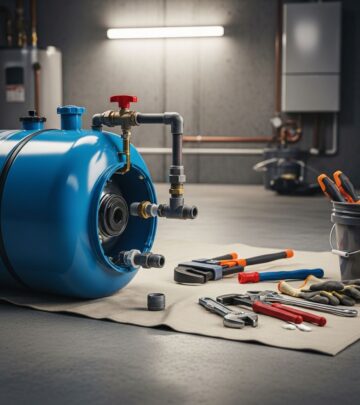
Gather these items before starting to streamline the process:
| Tool/Material | Purpose | Tips |
|---|---|---|
| Garden hose (5/8-inch diameter) | Directs purge water | Use with shutoff nozzle for control |
| 5-gallon bucket | Catches drained water | Place on protective mat |
| Pipe wrench or pliers | Opens bleed valves | Rubber jar opener aids grip |
| Bleeder key or screwdriver | Accesses air vents | Keep spares handy |
| Towels and tray | Manages spills | Absorb drips quickly |
| Pressure gauge tester | Verifies PSI | Aim for 12-15 PSI cold |
Optional: Purging valves or tees on returns enhance flow direction for bulk air removal.
Safety Precautions Before Purging
Power off the boiler at the switch to stop burners and pumps. Allow cooling if recently run—scalding water poses burn risks. Wear gloves and eye protection. Confirm the pressure-reducing valve (PRV) location; never exceed 30 PSI during fast fill. Shut off gas or electric supply if unsure. Place buckets on stable, non-slip surfaces to avoid slips.
For systems with antifreeze, note solution type to avoid mixing incompatibles.
Step-by-Step Guide to Basic Air Purging
This method suits single-loop or simple systems. For zones, adapt per section below.
- Turn off power: Switch boiler off and let cool 30 minutes.
- Locate highest bleeder valves: On radiators or baseboard tees.
- Attach hose: Connect to lowest drain valve, route to bucket outdoors or drain.
- Close isolation valves: On supply/return to force directional flow.
- Open PRV fast fill: Water enters, pushing air through hose. Watch for bubbles subsiding.
- Bleed high points: Open vents sequentially from highest to lowest; close when water streams steadily.
- Monitor pressure: Maintain 12-20 PSI; add water if drops.
- Flush until clear: Run 2-5 minutes per section until bubble-free.
- Reopen valves: Restore flow, power on, check operation.
Repeat if noises persist after heating cycle.
Purging Multi-Zone Systems Effectively
Zoned setups with circulators per zone require isolation. Bulk air removal uses high-velocity flow (4+ feet/second) as a “liquid piston”.
Zone Isolation Method:
- Power off boiler.
- Close all zone returns except one.
- Hose to zone’s purge/drain port.
- Fast fill open; force water through zone.
- Pump zone circulator for extra velocity.
- Purge until steady water flow; move to next zone.
Use purge valves: Close inline ball, open side port, hose it. This directs air out one way. After zones, run full system with air separator active.
Advanced Techniques: Microbubble Removal
Bulk purging eliminates visible air, but 2-4% dissolved gases remain, forming microbubbles upon heating. Install an air separator with coalescing media; it rises bubbles for automatic venting. Heat system to 140°F to degas faster—hot water holds less air.
For stubborn cases, use a purge pump: Circulates at high pressure, filling expansion tank fully. Run until returns are bubble-free.
Common Mistakes and How to Avoid Them
Avoid these pitfalls for success:
- Skipping isolation: Air recirculates; always close returns.
- Over-pressurizing: Cap at 30 PSI to protect components.
- Ignoring high points: Bleed top-down sequence.
- Not heating post-purge: Circulate hot to release dissolved gases.
- Poor flow velocity: Ensure 4 fps; short-circuiting fails.
Maintenance Schedule for Air-Free Systems
Purge annually before heating season, or after any draining. Monthly checks: Bleed radiators, inspect PRV/auto-feeder. Install auto-vent valves on high points for ongoing management. Systems with separators need less intervention.
Troubleshooting Post-Purge Issues
If problems linger:
| Issue | Cause | Solution |
|---|---|---|
| Persistent noise | Microbubbles | Run hot cycles, check separator |
| Low pressure | Leaks/air ingress | Inspect fittings, add water |
| No heat in zones | Stuck circulator | Purge zone, prime pump |
| Pump failure | Air damage | Replace, purge fully |
Persistent issues warrant professional diagnosis.
FAQs
How often should I purge my boiler? Annually or after service; monitor for symptoms.
Can I purge with boiler on? No—risks scalding and pump strain.
What’s normal system pressure? 12 PSI cold, 18-20 hot.
Do I need special valves? Purge tees improve results but aren’t mandatory.
Antifreeze systems? Same process; flush thoroughly if changing types.
References
- John Siegenthaler: Purging principles — Plumbing & Mechanical. 2019-07-01. https://www.pmmag.com/articles/104324-john-siegenthaler-purging-principles
- how to purge air from my zones — Heating Help Forum. 2022-01-01. https://forum.heatinghelp.com/discussion/182669/how-to-purge-air-from-my-zones
- How to Easily Remove Air from a Hot Water Boiler — YouTube (Apprentice Survival Guide). 2022-10-29. https://www.youtube.com/watch?v=ngH58bOp9yo
- Remove Air from your Boiler and Heating System | How To — YouTube. 2022-01-01. https://www.youtube.com/watch?v=voS7Url50M4
Similar Articles








Read full bio of medha deb