Quartz Countertop Care: Preserving Beauty and Durability
Master the essentials of quartz countertop maintenance to keep surfaces pristine and damage-free.
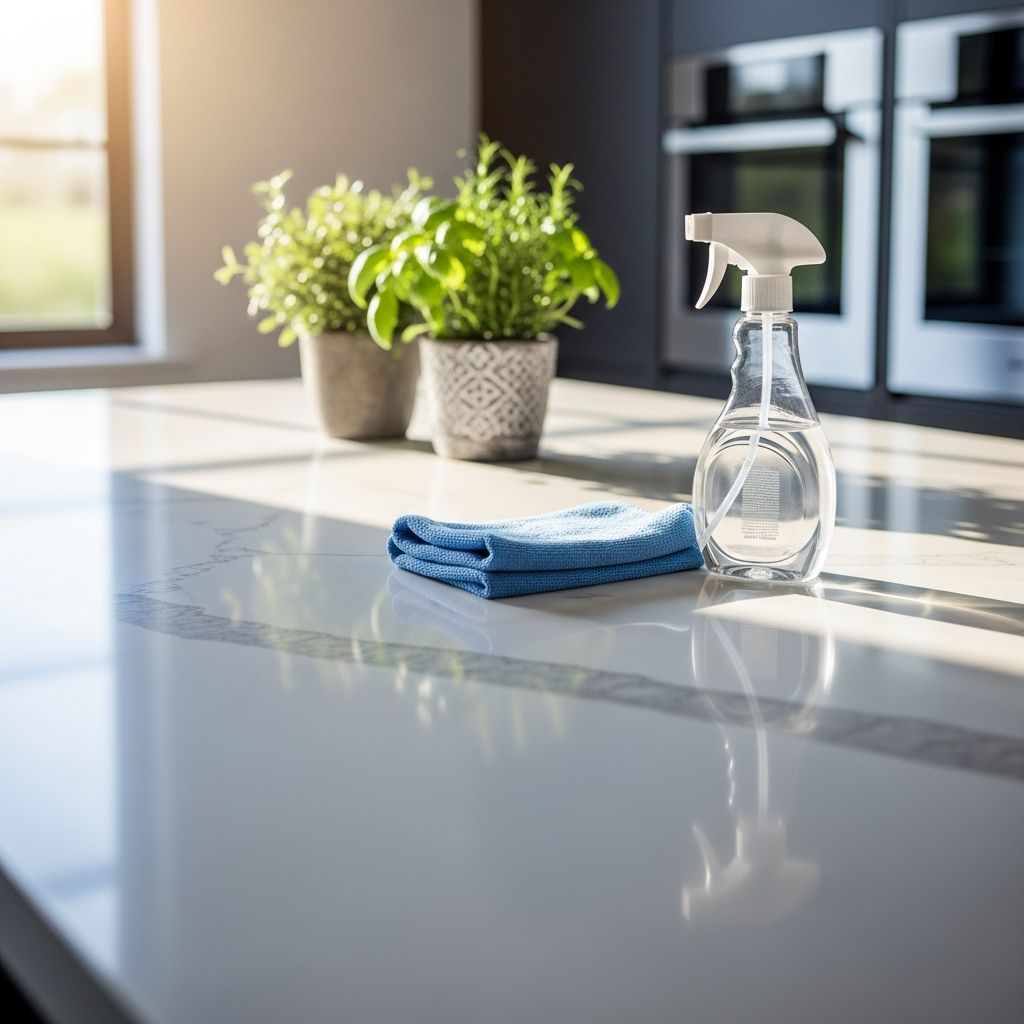
Understanding Your Quartz Countertop Investment
Quartz countertops have become increasingly popular in modern kitchens due to their stunning appearance, impressive durability, and relatively low maintenance requirements compared to natural stone alternatives. Unlike granite or marble, quartz is engineered from natural stone particles combined with resin binders, creating a non-porous surface that resists staining and bacterial growth. However, this sophisticated composition also means that improper cleaning methods can compromise the integrity of both the stone and the resin that binds it together. Understanding the unique characteristics of your quartz surface is the first step toward developing an effective cleaning routine that preserves its natural beauty for years to come.
Daily Cleaning Fundamentals for Optimal Results
The foundation of proper quartz countertop care begins with a straightforward daily cleaning regimen that requires minimal effort yet delivers maximum results. The most effective approach involves using warm water combined with a soft cloth or non-abrasive sponge to gently wipe down the surface after meal preparation and dining. This simple method effectively removes crumbs, food residue, and everyday spills without introducing any harsh chemicals or potentially damaging substances to your countertops.
For instances where water and a cloth alone cannot remove all debris, incorporating a mild dish soap into your cleaning solution provides additional cleaning power. Mix approximately one teaspoon of gentle dishwashing liquid with warm water, apply it to the surface with a soft cloth, and wipe thoroughly before drying with a clean towel. This combination works exceptionally well for tackling light grease buildup and minor food residues without compromising the protective resin layer that gives quartz its distinctive shine.
Prompt attention to spills is particularly important, especially for liquids that could potentially stain. While quartz countertops offer superior stain resistance due to their non-porous nature, certain substances including coffee, wine, tea, fruit juices, and colored foods like beets and turmeric can leave marks if left to dry on the surface. Immediately wiping up any spills before they have the opportunity to set prevents potential discoloration and maintains the countertop’s pristine appearance.
The Critical Importance of pH-Balanced Cleaning Solutions
One of the most significant factors in maintaining quartz countertops involves understanding the concept of pH balance in cleaning products. The resin component of quartz countertops can be damaged by overly acidic or alkaline substances, which break down the chemical bonds that hold the material together. Acidic cleaners with a pH below 7 pose a particular risk, as they can gradually etch the surface and dull its finish, while extremely alkaline products can leave residue and streaking.
Mild dish soap typically maintains a neutral pH level between 7 and 8, making it one of the safest choices for your countertops. Conversely, commonly used household cleaners like white vinegar, despite their effectiveness on other surfaces, register at approximately 2.4 on the pH scale, making them far too acidic for quartz application. Similarly, bleach and other harsh chemical cleaners can cause permanent damage to the resin matrix and create dull, discolored patches that cannot be restored.
When selecting commercial cleaning products specifically formulated for quartz surfaces, always verify that they are pH-neutral and designed with quartz’s unique composition in mind. Manufacturers of quartz countertops often recommend or even produce their own specialized cleaning solutions that account for the material’s specific needs while providing superior cleaning power and protective benefits.
Creating an Effective Homemade Cleaning Formula
For those preferring a do-it-yourself approach with complete knowledge of all ingredients, creating a custom cleaning solution at home offers both cost savings and peace of mind. A highly effective recipe combines three simple components: one cup of warm water, one teaspoon of mild dish soap, and one teaspoon of rubbing alcohol. Transfer this mixture into a spray bottle for convenient application and consistent distribution across your countertop surfaces.
The warm water component serves multiple functions by helping to dissolve and lift away dried spills and accumulated grime without requiring aggressive scrubbing. The mild dish soap works as a degreaser, breaking down oils and organic residues that accumulate during food preparation. The rubbing alcohol acts as a disinfectant, eliminating bacteria and pathogens from the surface while also promoting faster drying, which prevents water spots and streaking that can detract from your countertop’s appearance.
This simple yet powerful formula proves effective for regular maintenance cleaning while remaining completely safe for the quartz material. The low cost of ingredients and straightforward preparation make this solution an excellent alternative to expensive commercial products, particularly for household budgets focused on sustainability and ingredient transparency.
Techniques That Enhance Shine and Protect Surfaces
After applying your chosen cleaning solution, the final step of the cleaning process significantly impacts the visual result and the countertop’s long-term condition. Rather than allowing the surface to air dry, which can result in water spots and streaking, actively drying and buffing with a soft microfiber cloth enhances the natural shine that makes quartz countertops so attractive. Using gentle circular motions while buffing evenly distributes any remaining moisture and helps bring out the depth and luster that characterizes quality quartz.
For additional protection and enhanced appearance, some homeowners choose to apply a specialized quartz-specific cleaner that includes protective properties beyond basic cleaning. These products often contain ingredients that help protect the resin from fading due to ultraviolet light exposure and provide a deeper, more lustrous finish than basic soap and water solutions. However, it is crucial to note that attempting to seal quartz with traditional stone sealers proves ineffective and counterproductive, as the non-porous nature of quartz prevents sealant penetration, resulting in an uneven, streaky appearance.
Addressing Stubborn Stains and Persistent Marks
Despite best efforts at prompt cleanup, occasionally stubborn stains or marks may develop on quartz countertops. For these challenging situations, a methodical approach prevents further damage while improving the surface condition. Begin by applying a specialized stone cleaner formulated for use on quartz directly to the affected area, allowing it to sit briefly to penetrate the stain before gently rubbing with a soft cloth.
For more resistant marks, creating a paste with a small amount of baking soda mixed with water provides gentle abrasive action without scratching the surface. Apply this paste to the stain, gently scrub in circular motions with a soft cloth, then rinse thoroughly and dry completely. Water spots, a common issue in areas with hard water, respond well to wiping with a cloth dampened in the mild soap and water solution, followed by thorough drying with a clean microfiber cloth.
In rare cases where stains persist after these attempts, a putty knife can be carefully employed to gently scrape away dried debris without scratching the quartz surface. This technique requires a light touch and should only be attempted when other methods have proven unsuccessful, as excessive pressure can damage the finish.
Critical Mistakes That Compromise Quartz Integrity
Understanding what not to do proves equally important as knowing proper cleaning techniques. Several common mistakes can permanently damage quartz countertops, diminishing their appearance and potentially requiring costly repairs or replacement.
- Using acidic or alkaline cleaners: Products containing vinegar, bleach, or other harsh chemicals break down the resin binding and etch the surface, creating dull patches and discoloration that cannot be reversed.
- Applying abrasive scrubbing tools: Scouring pads, steel wool, and abrasive sponges scratch the surface and dull the finish, leaving permanent marks that compromise the countertop’s aesthetic appeal.
- Exposing surfaces to excessive heat: Placing hot cookware directly on the countertop without trivets or heat-protective pads can cause thermal shock, leading to discoloration or cracking of the quartz material.
- Allowing liquids to sit for extended periods: Even though quartz is non-porous and stain-resistant, certain pigmented liquids can penetrate if left to dry on the surface, particularly on lighter-colored countertops.
- Using multi-purpose household cleaners: General-purpose products formulated for various surfaces often contain ingredients incompatible with quartz, resulting in streaking, residue buildup, and potential surface damage.
- Neglecting to dry the surface: Allowing the countertop to air dry after cleaning leads to water spots and mineral deposits, particularly in areas with hard water supplies.
- Attempting to apply sealers: Traditional stone sealers cannot penetrate quartz and will sit unevenly on the surface, creating an inconsistent, blotchy appearance that requires professional restoration to correct.
Protective Practices for Long-Term Preservation
Beyond regular cleaning, implementing protective habits significantly extends the lifespan and maintains the beauty of quartz countertops. Always use coasters and placemats under glasses, cups, and dishes to prevent water rings and heat damage. Employ cutting boards for all food preparation rather than cutting directly on the quartz surface, which prevents scratches and protects both your countertops and your kitchen tools.
Minimize direct exposure to intense sunlight, as ultraviolet radiation can gradually cause fading or color shifting in some quartz varieties, particularly darker shades. Consider using window treatments to filter harsh afternoon light in kitchens with significant natural light exposure. Additionally, avoid resting heavy appliances or placing excessive weight on cantilevered countertop overhangs, as the engineered stone, while durable, can crack under concentrated stress.
Regularly inspect the countertop surface for any signs of damage, discoloration, or residue buildup that might require specialized attention. Addressing minor issues promptly prevents them from developing into more serious problems that could affect the countertop’s integrity or appearance.
Sanitization Beyond Basic Cleaning
While the non-porous nature of quartz provides superior hygiene benefits compared to natural stone alternatives, periodic sanitization remains a valuable practice for maintaining a food-safe kitchen environment. A solution of 70 percent isopropyl alcohol applied with a soft cloth and allowed to sit briefly before wiping eliminates bacteria and pathogens from the surface. Commercial disinfectant sprays specifically formulated as food-safe can also be used according to product directions, though thorough rinsing with clean water following sanitization prevents residue accumulation.
This additional sanitation step proves particularly important in households with young children, elderly family members, or immunocompromised individuals, as quartz countertops serve as a frequent interface point between raw foods and prepared meals during meal preparation.
Comparing Maintenance Approaches
| Cleaning Method | Best For | Frequency | Safety Rating |
|---|---|---|---|
| Warm water and soft cloth | Daily maintenance and light debris | Multiple times daily as needed | Excellent |
| Mild dish soap solution | Food residue and light grease | Daily to weekly | Excellent |
| DIY soap and alcohol formula | General cleaning with disinfection | 2-3 times weekly | Excellent |
| Quartz-specific commercial cleaner | Deep cleaning and enhanced shine | Weekly to monthly | Excellent |
| Baking soda paste | Stubborn stains and marks | As needed for problem areas | Good |
| Glass cleaner | Tough stains and discoloration | As needed for specific issues | Good |
Frequently Asked Questions
Q: Can I use vinegar or lemon juice to clean my quartz countertops?
A: No, both vinegar and lemon juice are highly acidic and will damage the resin binding in quartz, causing etching and dull spots. Stick to pH-neutral cleaners like mild dish soap or products specifically formulated for quartz surfaces.
Q: What should I do if my quartz countertop develops a dull spot or scratch?
A: Minor dullness may improve with thorough cleaning and buffing with a microfiber cloth. For scratches or deep damage, consult a professional stone restorer, as DIY repairs can worsen the problem.
Q: How often should I clean my quartz countertops?
A: Daily wiping with water and a soft cloth is recommended for routine maintenance. More thorough cleaning with mild soap or specialized cleaners can be done 2-3 times weekly or as needed based on usage patterns.
Q: Is it safe to place hot pans directly on quartz countertops?
A: No, direct heat can cause thermal damage, discoloration, or cracking. Always use trivets, hot pads, or specialized heat-protective mats under hot cookware and appliances.
Q: Can I use bleach-based products on quartz?
A: No, bleach is too harsh and will damage the resin in quartz. Use only pH-balanced cleaners and avoid all products containing bleach, ammonia, or other strong chemicals.
Q: What is the best way to remove water spots from quartz?
A: Wipe the affected area with a soft cloth dampened with mild soap and water solution, then dry thoroughly with a clean microfiber cloth. For persistent spots, a specialized stone cleaner may help. Always dry completely to prevent new spots from forming.
Q: Do quartz countertops need to be sealed?
A: No, traditional sealers cannot penetrate non-porous quartz and will sit unevenly on the surface, creating an unwanted appearance. Quartz does not require sealing for protection or maintenance.
Q: Can I cut food directly on my quartz countertop?
A: While quartz is durable, cutting directly on the surface can scratch it and dull the finish. Always use cutting boards to protect both your countertops and your kitchen tools.
References
- How to Clean Quartz Countertops for Maximum Shine — ContractorPlus. 2024. https://contractorplus.app/blog/how-to-clean-quartz-countertops
- Care and Maintenance for Your New Quartz Countertop — MSI Surfaces. 2022-11-08. https://www.msisurfaces.com/blogs/post/2022/11/08/the-dos-and-donts-of-quartz-countertop-care.aspx
- Quartz Clean & Shine Product Information — Weiman Products. 2024. https://weiman.com/quartz-clean-shine
- Are You Cleaning Quartz Countertops Wrong? — YouTube. Accessed 2024. https://www.youtube.com/watch?v=5JMM-yXyVdw
Similar Articles








Read full bio of Sneha Tete