Rainwater Collection Laws: Which States Restrict Harvesting
Discover which states prohibit or restrict rainwater harvesting and understand the legal implications.
Is Rainwater Collection Legal? A State-by-State Guide
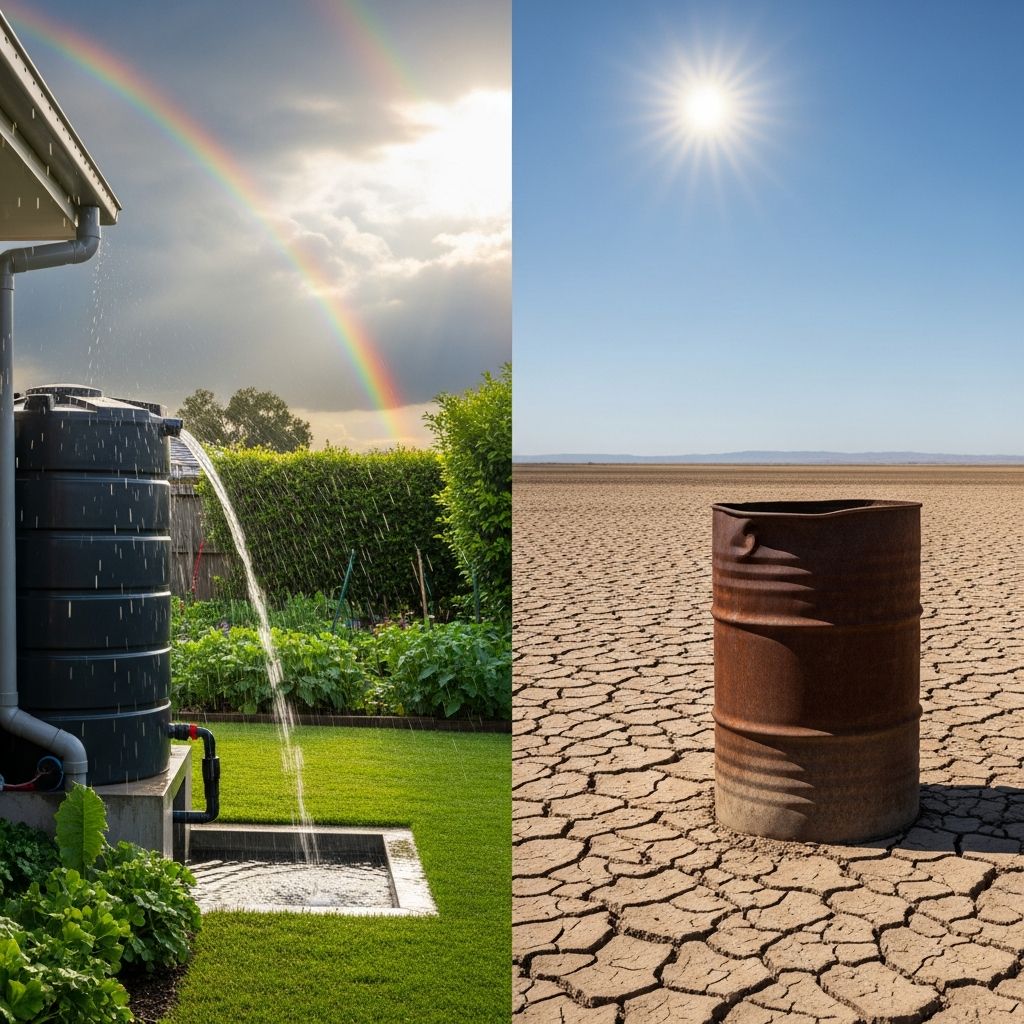
Rainwater harvesting has become an increasingly popular way for homeowners to conserve water and reduce their environmental footprint. However, the legality of collecting rainwater varies significantly across the United States. While many states actively encourage rainwater harvesting through tax incentives and rebate programs, others maintain strict restrictions rooted in water rights laws and prior appropriation doctrine. Understanding the regulations in your state is essential before installing a rainwater collection system on your property.
The patchwork of rainwater harvesting laws across America stems from different water management philosophies and geographic water availability. States with abundant rainfall tend to have fewer restrictions, while arid and semi-arid states often impose stricter limitations due to concerns about water rights and maintaining adequate water supplies for existing water rights holders.
States Where Rainwater Collection Is Restricted
Several states have implemented specific restrictions on rainwater harvesting, either through quantity limitations, usage restrictions, or permitting requirements. Understanding these restrictions is crucial for homeowners who want to stay within legal boundaries while collecting rainwater.
Colorado: Strict Quantity Limits
Colorado has historically been one of the most restrictive states regarding rainwater harvesting. The state’s approach stems from prior appropriation laws that govern water rights. However, significant changes occurred when the Colorado legislature passed House Bill 16-1005 in 2016, which loosened previous restrictions. Today, residential property owners in Colorado can legally collect rainwater, but only under specific conditions. Homeowners are permitted to use up to two rain containers with a combined maximum capacity of 110 gallons for rainwater collection. This water can only be used for non-potable, outdoor purposes such as landscape irrigation and watering plants. Any use of collected rainwater for drinking, cooking, or indoor household purposes remains prohibited without additional treatment and compliance with state plumbing codes.
Arkansas and Georgia: Plumbing Code Compliance
Arkansas and Georgia require that any harvested rainwater must meet their respective state plumbing codes. This means homeowners cannot simply install a basic rain barrel system; they must ensure their rainwater harvesting systems are constructed and maintained according to specific state standards. These requirements are designed to protect public health by ensuring that collected rainwater meets quality and safety standards if it will be used for any indoor purposes. Homeowners in these states should consult with local building departments or certified plumbers before installing rainwater collection systems to ensure full compliance with all applicable codes.
Idaho and Illinois: Potable Use Restrictions
Idaho and Illinois restrict the collection of rainwater specifically for potable or drinking water use. In Idaho, rainwater harvesting is legal as long as the collection does not impact existing water rights of other individuals and serves a beneficial use. Illinois allows rainwater harvesting for non-potable purposes through the Green Infrastructure for Clean Water Act, but strict treatment standards must be met if the water will be used indoors for any purpose, including toilet flushing or irrigation systems. Homeowners in these states can collect rainwater for outdoor, non-potable uses without restrictions, but using collected rainwater for drinking requires approved treatment systems that meet Illinois Plumbing Code standards.
Louisiana: Construction Guidelines
Louisiana requires homeowners to follow specific construction guidelines for rainwater harvesting systems. These guidelines ensure that systems are properly designed, installed, and maintained to prevent contamination and ensure safe operation. Before implementing a rainwater collection system in Louisiana, homeowners should obtain detailed construction specifications from their local building or public works department. Failure to follow these guidelines could result in fines or requirements to remove non-compliant systems.
States Requiring Permits for Rainwater Collection
Several states have implemented permitting systems for rainwater harvesting. These permits help authorities track water usage and ensure compliance with state water management objectives. States requiring permits before implementing rainwater catchment include Arkansas, Colorado, Kansas, Oregon, Utah, and Washington. The permitting process varies by state and may involve submitting system designs, paying application fees, and obtaining approval from water management agencies before beginning collection. Homeowners should contact their state’s water resources department or local water authority for specific permitting requirements and procedures.
States Encouraging Rainwater Harvesting
In contrast to restrictive states, many jurisdictions actively encourage rainwater collection through tax incentives, rebate programs, and supportive legislation. Arizona leads the nation in rainwater harvesting support, offering tax incentives and establishing funding mechanisms through House Bills 2363 and 2830. California passed Senate Bill 558 in 2018, which excludes property taxes from new rainwater harvesting system construction, providing significant financial benefits to homeowners. Florida encourages rainwater collection through Chapter 29 of the 2017 Florida Building Code, addressing nonpotable rainwater collection and distribution systems, along with tax incentives and rebate programs from municipalities like Manatee County. Delaware sponsors incentive programs and views rainwater harvesting as sustainable stormwater management. New Mexico actively encourages rainwater harvesting, with Albuquerque and Santa Fe offering financial rebates based on gallons collected. North Carolina supports rainwater harvesting through State Law 243, which allows harvested rainwater for indoor toilet flushing and outdoor irrigation.
Common Types of Rainwater Collection Restrictions
Rainwater collection restrictions generally fall into several categories that homeowners should understand:
Storage Volume Limitations
Many states restrict the total amount of rainwater that can be stored on residential property. Colorado’s 110-gallon limit represents one of the most restrictive storage regulations in the nation. Other states may have different maximum storage capacities designed to balance environmental concerns with homeowner water conservation interests.
Non-Potable Use Requirements
Numerous states restrict collected rainwater to non-potable uses such as landscape irrigation, garden watering, and outdoor cleaning. Using collected rainwater for drinking, cooking, or bathing typically requires additional treatment systems and regulatory approval. This restriction protects public health by ensuring that only treated water meets drinking water standards.
System Design and Installation Standards
Many states require that rainwater harvesting systems meet specific construction standards and are installed according to state plumbing codes. These requirements may necessitate hiring licensed contractors and obtaining inspection approval before using the system. States like Arkansas and Georgia enforce these standards strictly.
Water Rights Considerations
Several western states, including Idaho, Nevada, and Utah, restrict rainwater harvesting to protect existing water rights holders. These states view rainwater as part of the broader watershed and implement restrictions to prevent collection from undermining established water rights. Nevada primarily limits rainwater collection to those holding water rights, reflecting its arid climate and complex water allocation systems.
What Homeowners Should Know Before Collecting Rainwater
Before installing a rainwater collection system, homeowners should take several important steps. First, research your specific state and local regulations by contacting your state water resources agency or local water authority. Determine whether permits are required and whether your intended use of rainwater complies with local restrictions. Check with your local building department about construction standards and codes that apply to rainwater systems in your area. Consider consulting with a contractor experienced in rainwater harvesting who understands local regulations. Finally, verify whether tax incentives or rebate programs are available in your jurisdiction, as these can significantly offset system installation costs.
National Rainwater Harvesting Landscape
The United States presents a complex legal landscape for rainwater harvesting. According to recent assessments, rainwater harvesting is legal in all 50 states, but regulations vary significantly. At least 31 states, Washington D.C., and two territories broadly allow unrestricted collection, while the remaining 19 states maintain some restrictions. These restrictions primarily concern water rights, storage volumes, and usage purposes rather than outright bans on rainwater collection. The trend across the nation is toward greater acceptance of rainwater harvesting as water conservation pressures increase and states recognize the environmental and economic benefits of residential water capture systems.
Tax Incentives and Financial Benefits
Many states offer financial incentives for installing rainwater harvesting systems. Arizona provides tax incentives for qualifying systems. California exempts rainwater harvesting systems from property taxes through Senate Bill 558. Florida municipalities offer rebate programs for system installation. New Mexico provides financial rebates in cities like Albuquerque and Santa Fe. Virginia offers income tax credits for rainwater harvesting system installation through Senate Bill 1416. These incentive programs can substantially reduce the out-of-pocket costs of implementing a rainwater collection system, making water conservation more economically attractive for homeowners.
Future Trends in Rainwater Collection Regulations
The regulatory landscape for rainwater harvesting continues to evolve. Increasing recognition of water scarcity and climate change impacts is driving many states to reconsider restrictions and expand opportunities for residential rainwater collection. Colorado’s legislative changes in 2016 exemplify this trend toward liberalization of rainwater harvesting rules. As more states recognize the role of distributed water conservation measures in addressing water supply challenges, additional states may relax existing restrictions or implement new incentive programs. Homeowners interested in rainwater harvesting should monitor their state legislatures for proposed changes to regulations.
Frequently Asked Questions
Q: Is rainwater collection illegal in any U.S. states?
A: Rainwater collection is legal in all 50 U.S. states, but 19 states maintain restrictions on collection methods, quantities, usage types, or require permits. No state completely prohibits rainwater harvesting.
Q: What is the maximum amount of rainwater I can collect in Colorado?
A: Colorado homeowners can collect up to 110 gallons total using no more than two rain containers. This water must be used for non-potable outdoor purposes only.
Q: Do I need a permit to collect rainwater in my state?
A: Permit requirements vary by state. Arkansas, Colorado, Kansas, Oregon, Utah, and Washington require permits for rainwater collection systems. Contact your state water resources agency to determine specific requirements.
Q: Can I use collected rainwater for drinking?
A: In most restrictive states, collected rainwater can only be used for non-potable purposes without treatment. Using rainwater for drinking requires approved treatment systems and compliance with state plumbing codes.
Q: What states encourage rainwater harvesting?
A: Arizona, California, Delaware, Florida, New Mexico, and North Carolina actively encourage rainwater harvesting through tax incentives, rebate programs, and supportive legislation.
Q: Are there tax benefits for installing a rainwater system?
A: Several states offer tax incentives or rebates. California, Arizona, Florida, New Mexico, and Virginia provide financial benefits to homeowners who install rainwater harvesting systems.
Q: What are prior appropriation laws and how do they affect rainwater harvesting?
A: Prior appropriation laws, common in western states, allocate water rights to specific users. These laws restrict rainwater harvesting in some states to protect existing water rights holders and maintain water supplies for established uses.
References
- States Where It Is Illegal To Collect Rainwater — Today’s Homeowner. 2025. https://todayshomeowner.com/gutters/guides/states-where-it-is-illegal-to-collect-rainwater/
- Is it Illegal to Collect Rainwater: 2025 Complete State Guide — World Water Reserve. 2025. https://worldwaterreserve.com/is-it-illegal-to-collect-rainwater/
- Rainwater Harvesting Laws, Regulations, and Rights by US State — NTO Tank. 2025. https://www.ntotank.com/blog/rainwater-harvesting-laws-regulations-and-rights-by-us-state
- Rainwater Collection Legal Status — World Population Review. 2025. https://worldpopulationreview.com/state-rankings/rainwater-collection-legal-states
- Is It Illegal to Collect Rainwater? A Guide to the Legality of Rainwater Collection in the US — Water Storage Tanks Inc. 2025. https://waterstoragetanksinc.com/is-it-illegal-to-collect-rainwater-a-guide-to-the-legality-of-rainwater-collection-in-the-us/
- Map Monday: Is Catching Rainwater Legal in Your State — National Conference of State Legislatures (NCSL). 2025. https://www.ncsl.org/resources/map-monday-is-catching-rainwater-legal-in-your-state
Similar Articles


Read full bio of Sneha Tete