Refinishing Tired Cabinets: A Complete DIY Guide to a Pro-Level Finish
Turn dated cabinets into a custom, high-end feature without replacing a single box.
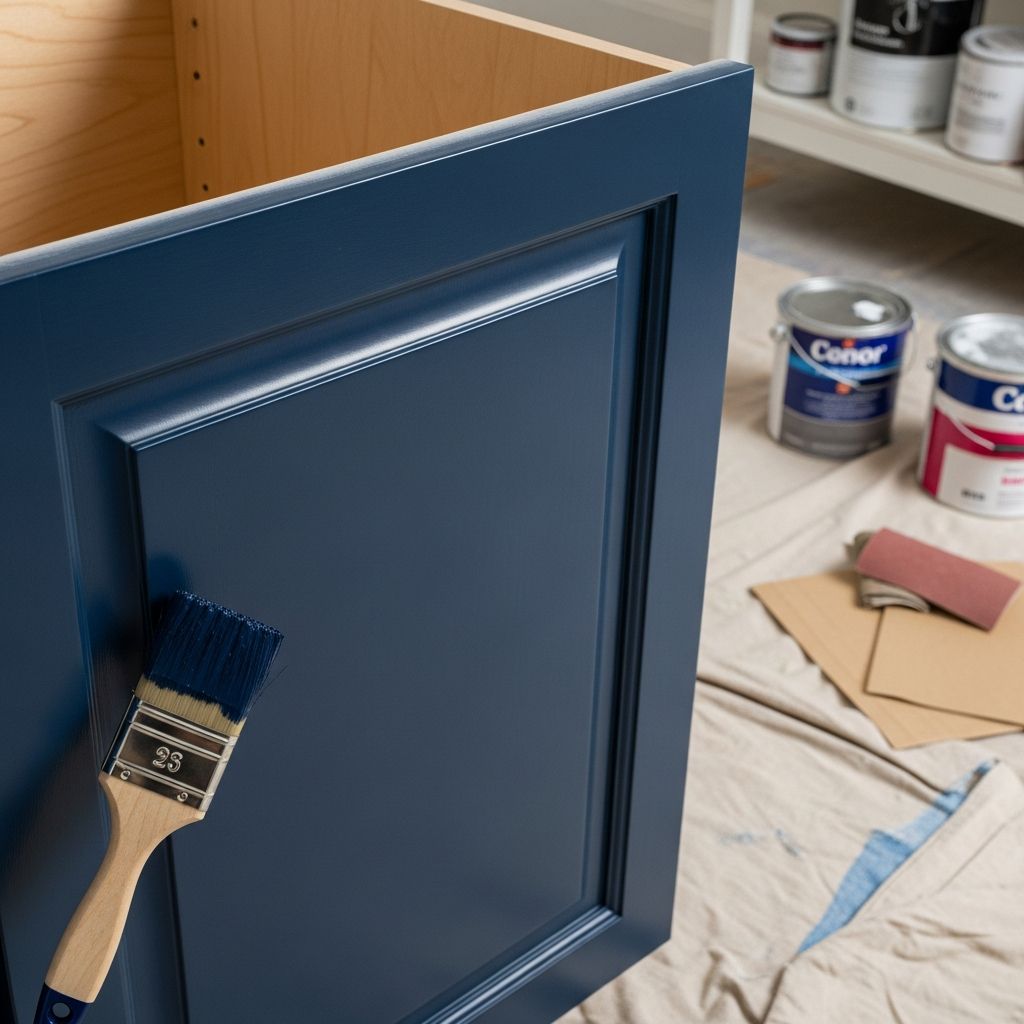
Refinishing Cabinets Like a Pro: An In-Depth DIY Makeover Guide
If your cabinets are structurally sound but look dull, scratched, or stuck in another decade, refinishing them can deliver a dramatic makeover for a fraction of the cost of a full remodel. This guide walks you through the process from first inspection to final touch-ups so you can achieve a smooth, durable, professional-looking finish at home.
Why Refinish Instead of Replace?
Replacing cabinets is one of the most expensive parts of a kitchen or bathroom renovation, and it often sends perfectly good wood to the landfill. Refinishing keeps your existing cabinet boxes and doors, but completely transforms their appearance with new paint or stain.
Beyond saving money, refinishing lets you control the final look: modern color, classic stain, bold contrast island, or a soft, neutral backdrop for the rest of the room. You keep the layout you already know works, while dramatically upgrading the style.
- Cost savings: Typically a fraction of full replacement or refacing.
- Less disruption: You keep your existing layout, plumbing, and countertops.
- Customization: Unlimited color and finish options, from crisp paint to rich wood grain.
- Sustainability: Less demolition waste and more use of existing materials.
Assessing If Your Cabinets Are Good Candidates
Before diving into a big DIY project, evaluate whether your cabinets are worth refinishing. In most homes, all-wood or plywood boxes and solid or veneered doors are excellent candidates, while severely damaged or low-quality particleboard may not justify the effort.
Walk through the checklist below to decide if refinishing is the right move for your space.
- Material: Solid wood, high-quality veneer, or plywood refinish best. Flaking particleboard or swollen MDF around sink areas may need replacement.
- Structure: Check for loose joints, sagging shelves, or water-damaged boxes that flex or crumble under light pressure.
- Finish condition: Peeling, yellowed clear coat or dated stain is fine; heavy water damage or deep gouges require repair before refinishing.
- Layout satisfaction: If the layout works and your complaint is mostly cosmetic, refinishing is ideal.
Planning Your New Cabinet Look
A successful refinishing project starts with a clear vision. Decide not only on color, but also sheen, hardware style, and whether you want a painted, stained, or specialty finish like two-tone or glazed doors.
Consider how cabinets interact with countertops, floors, backsplash, and lighting to avoid creating visual clutter or clashing undertones.
Paint vs. Stain: Which Is Right for You?
| Aspect | Painted Cabinets | Stained Cabinets |
|---|---|---|
| Look | Smooth, uniform color; great for modern or farmhouse styles. | Shows wood grain and texture; warm and classic. |
| Best substrates | Ideal for mixed materials, older wood, or patched surfaces. | Best on attractive, intact wood with nice grain. |
| Color flexibility | Nearly unlimited colors and combinations. | Limited to wood-tone ranges, from light to dark. |
| Maintenance | Chips may show, but touch-ups are straightforward. | Scratches can blend in better, but color changes are harder later. |
| Prep demands | Requires thorough de-glossing and strong bonding primer. | Often requires more sanding or stripping to reach bare wood. |
Choosing Color, Sheen, and Hardware
Cabinet color has a huge effect on how large and bright your room feels. Light neutrals visually expand a small or dark kitchen, while deeper tones create a cozy, built-in furniture effect.
- Popular schemes: Soft whites, greige, and light taupe for walls of cabinets; darker color on an island for contrast.
- Sheen: Satin or semi-gloss balances cleanability with the ability to hide minor imperfections better than high-gloss.
- Hardware: Updating knobs and pulls in a modern finish (black, brushed brass, or stainless) can make refinished doors look custom.
Tools and Materials Checklist
Gather everything before you start so you can work methodically and keep your workspace organized. Quality tools and coatings make a visible difference in the final finish.
Basic Tools
- Screwdriver or drill with bits for removing doors and hardware
- Permanent marker and painter’s tape for labeling doors and drawers
- Drop cloths or rosin paper to protect floors and counters
- Sanding sponges and various grits of sandpaper (typically 120–220)
- Vacuum with brush attachment and tack cloths or microfiber rags
- High-quality angled synthetic brushes and small foam or microfiber rollers
Chemicals and Coatings
- Degreaser or heavy-duty cleaner formulated for kitchens
- Liquid de-glosser (optional but helpful on shiny finishes)
- High-adhesion primer compatible with your topcoat
- Cabinet-grade paint (enamel or urethane blend) or wood stain
- Clear protective topcoat for stained or high-wear painted finishes
- Wood filler, caulk, and putty knife for repairs and gap-filling
Safety Gear
- Nitrile or latex gloves
- Respirator or mask rated for sanding dust and vapors
- Safety glasses
- Ventilation fans if working in a closed space
Preparation: Where Pro Results Really Start
The visible paint or stain is only as good as the surface beneath it. Skipping prep or rushing this part is the number one reason DIY cabinet finishes peel, chip, or look uneven.
Step 1: Clear, Label, and Remove
- Empty cabinets and drawers so you can work freely and avoid getting dust on dishes or food.
- Number each door and drawer using painter’s tape and a marker, noting its location (for example, “Sink upper 1”).
- Remove doors, drawer fronts (if detachable), and all hardware, keeping hinges and screws for each piece together in labeled bags.
Step 2: Deep Cleaning and Degreasing
Kitchens especially accumulate a film of grease that primer and paint will not adhere to. Scrub every surface you plan to refinish, including sides, rails, and edges.
- Use a degreaser or strong cleaner, following the manufacturer’s directions.
- Rinse with clean water and allow everything to dry fully before sanding.
- Pay extra attention to areas near handles and above the stove where buildup is thickest.
Step 3: Sanding and De-Glossing
You usually do not need to sand down to bare wood for paint, but you do need to dull the existing sheen and smooth out damage. Think of sanding as creating tooth for the new finish to grab onto.
- Lightly sand all surfaces with 120–180 grit, then move to 220 grit for a smoother feel.
- Use sanding sponges to reach profiles and raised panels.
- Wipe or vacuum dust thoroughly, then use a tack cloth or damp microfiber to remove the last residue.
- On very glossy or factory-finished cabinets, use a liquid de-glosser in addition to sanding for better adhesion.
Step 4: Repairs and Gap Filling
Now is the time to fix visible flaws, fill old hardware holes if you are changing handle spacing, and caulk gaps between cabinet frames and walls for a cleaner, more built-in look.
- Fill dents, chips, and previous knob holes with wood filler; let dry and sand flush.
- Apply paintable caulk where cabinet frames meet walls or where face frames have gaps.
- Inspect edges and corners for lifted veneer and glue or clamp as needed.
Priming for Durability and Adhesion
Primer is the bridge between your old surface and the new finish. It helps block stains, seals wood tannins, and improves adhesion so your topcoat looks smoother and lasts longer.
- Choose a bonding primer rated for glossy or previously finished surfaces.
- For oak or other tannin-rich woods, use a stain-blocking formula to avoid discoloration bleeding through light paint.
- Apply thin coats with a good brush for profiles and a small roller for flat areas, working with the grain.
- Lightly sand with fine-grit paper after the primer dries to knock down raised grain or dust nibs, then wipe clean.
Applying Paint or Stain Like a Professional
Once the prep and priming are complete, the fun part begins: building up the new color or enhancing the wood tone. Patience and thin, even coats are the secrets to a factory-smooth look.
If You Are Painting
- Set up a painting station: Use painter’s pyramids or blocks so doors can lie flat while you paint both sides in stages.
- Start with the backs: Paint the back of each door first so any minor marks from flipping happen where they are less visible.
- Brush and roll technique: Use a brush to cut into corners and profiles, then immediately follow with a mini roller on flat areas to level out brush strokes.
- Multiple thin coats: Plan on at least two, often three, topcoats, allowing full drying time between each and lightly sanding if you feel rough spots.
- Watch for drips: Check edges and inside profiles after a few minutes and brush out any sags before they set.
If You Are Staining
- Sand more aggressively: For stain, you typically need to remove most of the previous finish so the wood can accept new color evenly.
- Test on a hidden area: Wood species and existing color can affect the final look; test first on the back of a door.
- Apply with the grain: Use a clean cloth or brush to work stain into the wood, then wipe away excess after the product’s recommended time.
- Build depth gradually: Multiple light coats generally look more refined than one heavy, dark application.
- Seal with a clear coat: Once dry, protect stained cabinets with a suitable clear finish in your preferred sheen.
Curing, Reassembly, and Final Touches
Paint or stain may feel dry to the touch long before it has fully cured. Giving the finish extra time to harden helps prevent imprints from hardware and reduces the risk of chipping in the first weeks.
- Let doors and drawers cure flat for as long as your schedule allows, ideally several days for painted finishes.
- Reattach hinges to the doors before hanging them, then adjust alignment once everything is in place.
- Install new or cleaned hardware carefully to avoid scratching fresh surfaces.
- For the first month, treat cabinets gently, avoid harsh cleaners, and quickly wipe spills.
Once cabinets are back in place, step back and assess the room. Often, a fresh coat of wall paint, updated lighting, or a new rug is all it takes to complement your refinished cabinetry and make the entire space feel brand new.
Ongoing Care for Long-Lasting Results
A professional-looking finish deserves professional-level care. With gentle cleaning and a few smart habits, your refinished cabinets can look great for many years.
- Use mild, non-abrasive cleaners and soft cloths instead of scouring pads.
- Wipe spills and splatters promptly, especially around the sink, dishwasher, and stove.
- Avoid hanging damp towels over doors, which can soften finishes and swell wood over time.
- Install bumpers on doors and drawers to soften impact and reduce chipping.
- Do periodic touch-ups with leftover paint or stain to keep high-traffic areas looking fresh.
Frequently Asked Questions About Cabinet Refinishing
How long does a typical refinishing project take?
The timeline depends on kitchen size, product drying times, and whether you are working evenings and weekends or full days. Many DIYers can complete a standard kitchen in about one to two weeks of focused work, though complex repairs or specialty finishes may take longer.
Can cabinets be refinished without sanding?
Some products advertise no-sand solutions, but at minimum you still need thorough cleaning and de-glossing. A quick, light sanding is strongly recommended on most surfaces to improve adhesion and produce a smoother final coat.
Is spraying better than brushing?
Spraying can deliver an ultra-smooth, factory-like finish when done correctly in a controlled environment. However, with the right tools, careful technique, and patience, brushed and rolled finishes can also look excellent and are more accessible for many DIYers.
What if my cabinets have laminate doors?
Laminate can be refinished with the right bonding primer and paint, provided the surface is in good condition and firmly adhered to the substrate. Deeply peeling or bubbled laminate usually needs replacement, not just refinishing.
How do I avoid visible wood grain on painted oak?
Oak’s heavy grain can telegraph through paint. To minimize this, use filler or grain-filling products, sand thoroughly, and apply multiple coats of primer, sanding between coats until the surface feels very smooth before you begin painting.
Refinishing cabinets takes time, but it is one of the highest-impact DIY projects you can tackle. With thoughtful planning, meticulous prep, and careful application, your existing cabinets can look and feel like custom, high-end installations tailored to your home.
Similar Articles






Read full bio of Sneha Tete