Refinishing Wooden High Chairs: A Complete Guide
Transform your old wooden high chair into a safe, stylish, and durable piece with expert refinishing techniques for lasting family use.
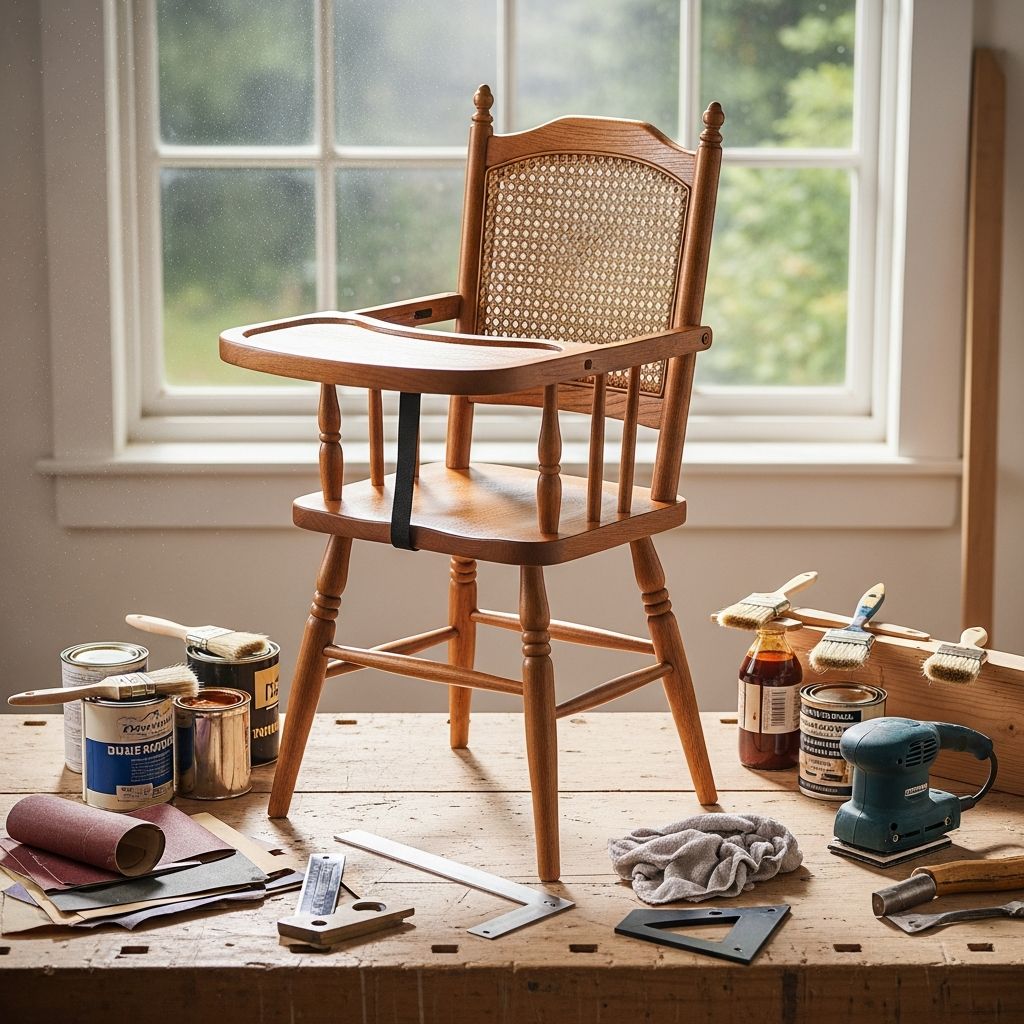
Wooden high chairs offer timeless appeal and sturdiness for mealtime with little ones, but years of use can leave them chipped, stained, or outdated. Refinishing restores their beauty while ensuring safety through smooth surfaces and non-toxic finishes. This guide provides a detailed process to revive any wooden high chair, drawing on proven techniques for preparation, color application, and protection.
Why Refinish Your Wooden High Chair
Reviving a high chair extends its life, saves money over buying new, and customizes it to your home decor. Key benefits include enhanced durability against spills and bangs, removal of rough edges that could harm babies, and the satisfaction of a personalized piece. Focus on food-safe materials to prioritize child health during every project stage.
- Durability boost: Modern finishes resist daily wear from utensils and cups.
- Safety first: Smooth, splinter-free wood prevents injuries.
- Cost savings: A $20 investment in supplies revives a $100+ item.
- Customization: Match stains or paints to nursery themes.
Assessing Your High Chair’s Condition
Before starting, inspect the chair thoroughly. Check for loose joints, broken hardware like straps or buckles, and deep cracks. Test stability by shaking it gently. Note areas with peeling paint, heavy staining, or chew marks on trays and arms. Solid wood pieces, often oak or maple, respond best to refinishing, while particleboard may not hold up.
| Condition Issue | Solution |
|---|---|
| Chipped paint or varnish | Full strip and refinish |
| Loose screws/hardware | Tighten or replace |
| Splinters/rough spots | Sand aggressively |
| Broken tray | Repair with wood filler or epoxy |
Gathering Essential Tools and Materials
Stock up on quality supplies for efficiency and safety. Work in a well-ventilated space with drop cloths to protect floors.
- Sanding tools: Orbital sander, sanding blocks, grits from 80 to 220.
- Stripping agents: Citrus-based strippers for safer use around kids.
- Finishes: Water-based polyurethane, food-grade mineral oil, stains like gel or oil-based.
- Application tools: Foam brushes, lint-free rags, tack cloths.
- Safety gear: Gloves, respirator, goggles.
- Hardware: New straps, buckles, screws.
Budget $30-50 for basics. Opt for low-VOC products to minimize fumes.
Step 1: Disassembly and Initial Cleaning
Begin by removing all detachable parts: tray, footrest, seat insert, and hardware. Label screws with painter’s tape for reassembly. Wipe down with TSP substitute or soapy water to remove grease and residue. Let dry completely. This prevents finish adhesion issues later.
For antique chairs, address cane seats or splines by gently cleaning without soaking, as shown in restoration videos where vintage elements are preserved through careful handling.
Step 2: Stripping Old Finishes
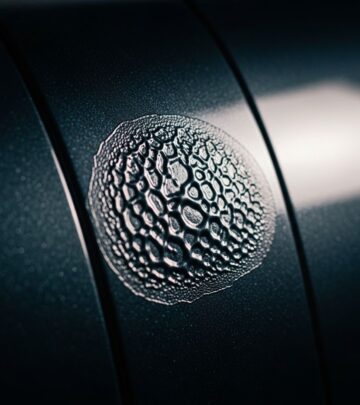
Apply stripper generously to painted or varnished surfaces using a brush. Wait 15-30 minutes until bubbling occurs, then scrape with plastic tools to avoid gouges. Repeat for stubborn layers, as multiple applications may be needed for thick builds. Neutralize with water, then wipe clean. Avoid metal scrapers on soft woods to prevent scratches.
- Pro tip: Test stripper on a hidden spot first.
- Time estimate: 2-4 hours per chair.
Step 3: Sanding for a Smooth Base
Sanding creates the foundation for even stain or paint uptake. Start with 80-100 grit to remove remnants, progress to 150, then finish with 220 for baby-smooth feel. Sand with the grain always. For detailed spindles, use sanding sponges or wrapped blocks. Vacuum and tack cloth between grits to eliminate dust.
On repaired areas with wood filler, seal first with shellac, lightly sand, then distress with fine markers to mimic grain before sanding. This ensures seamless blending.
Step 4: Repairing Damage and Imperfections
Fill cracks or gouges with wood epoxy or putty matching the wood tone. For hardware holes, use wood dough and reinforce with screws. On trays, apply wood putty, seal with shellac, and add faux grain lines using a dark Sharpie for realistic stain absorption. Sand smooth once cured. Test stability on reassembled joints.
Step 5: Conditioning and Staining
Apply wood conditioner to bare wood, especially soft varieties, to prevent blotching. Let penetrate 15 minutes, wipe excess. Choose gel stains for control on previously finished wood; apply, let sit 1-2 minutes, wipe back for desired depth. Dark shades like Kona hide wear well on seats and trays. Multiple thin coats build richness without muddiness.
Stain high-contact areas like trays extra dark for camouflage. Dry 24-36 hours between coats.
Step 6: Painting for a Fresh Look
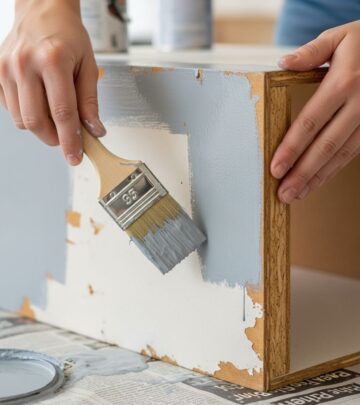
For a two-tone or farmhouse vibe, paint non-contact areas like backs and legs with chalk paint or latex. Lightly distress by sanding edges post-dry for vintage charm. Seal immediately with clear topcoat to lock in color.
Step 7: Applying Protective Topcoats
Durability is crucial; use triple-thick polyurethane on trays for spoon-proofing. Apply 2-3 thin coats with a foam brush, sanding lightly between with 320 grit. Water-based options dry fast and clean easily. For natural finishes, rub on Tried & True oil-wax blends or satin poly. Cure 72 hours before use.
| Finish Type | Best For | Pros | Cons |
|---|---|---|---|
| Polyurethane | Trays/seats | Ultra-durable, wipeable | Yellows over time |
| Oil/Wax | Frames | Non-toxic, repairable | Less spill-resistant |
| Chalk Paint + Sealer | Decorative parts | Distresses easily | Requires topcoat |
Reassembly and Hardware Upgrades
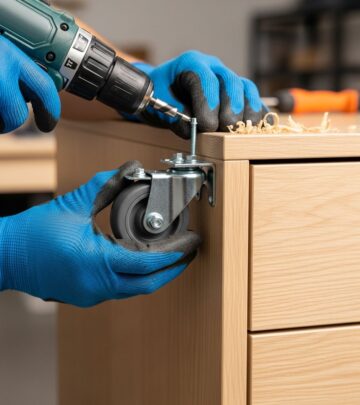
Reattach parts securely with new stainless screws. Install fresh buckles and straps rated for child weight, screwing from underside. Test for wobbles; add glue to joints if needed, clamping 24 hours.
Safety Checks and Baby-Proofing
Ensure no sharp edges remain; bevel with sandpaper. Verify straps hold a 50lb weight. Use only food-safe, low-VOC finishes. Smooth trays prevent bacterial traps. Comply with ASTM F404 standards for high chairs implicitly through thorough prep.
Maintenance Tips for Longevity
Wipe spills immediately with mild soap. Reapply topcoat yearly on trays. For dents, sand lightly and touch-up stain. Store disassembled when not in use to avoid warping.
- Weekly: Dust and spot-clean.
- Monthly: Inspect hardware.
- Annually: Refresh high-wear areas.
Creative Style Variations
Experiment with ombre staining, stenciled trays, or decoupage accents. Farmhouse whitewash pairs with dark stained seats. Match nursery palettes for cohesion.
Frequently Asked Questions (FAQs)
Is refinishing safe for babies?
Yes, using non-toxic, cured finishes like water-based poly or mineral oil ensures safety after full drying.
How long does the process take?
3-7 days including drying times; plan for weekends.
What if my chair has cane weaving?
Clean gently; replace if damaged using spline methods for authenticity.
Can I paint the entire chair?
Yes, but prime first and use durable paints on contact areas.
What’s the best finish for easy cleaning?
Triple-thick poly on trays excels against messes.
Common Mistakes to Avoid
- Rushing sanding: Leads to uneven finishes.
- Skipping conditioner: Causes splotchy stain.
- Heavy topcoats: Creates sticky surfaces.
- Ignoring ventilation: Health risk from fumes.
References
- DIY Farmhouse Style Wood High Chair Makeover — The Frugal Homemaker. 2017-05-08. https://thefrugalhomemaker.com/2017/05/08/diy-farmhouse-style-wood-high-chair-makeover/
- DIY: Refinishing a Solid Wood Highchair — Do It Yourself Divas. 2010-10. https://www.doityourselfdivas.com/2010/10/diy-refinishing-solid-wood-highchair.html
- Antique High Chair Restoration Using HTP Stain — Angels Nook (YouTube). Accessed 2026. https://www.youtube.com/watch?v=2eYvapDE8dI
- Oak High Chair — Refinish Wizard Forum. Accessed 2026. https://www.refinishwizard.com/phpbb/viewtopic.php?t=693
- Wooden Highchair refinish — FineWoodworking Forum. Accessed 2026. https://www.finewoodworking.com/forum/wooden-highchair-refinish
Similar Articles




Read full bio of Sneha Tete