Refrigerant Charging for Residential Heat Pumps
Master the essential techniques for properly charging residential heat pump systems.
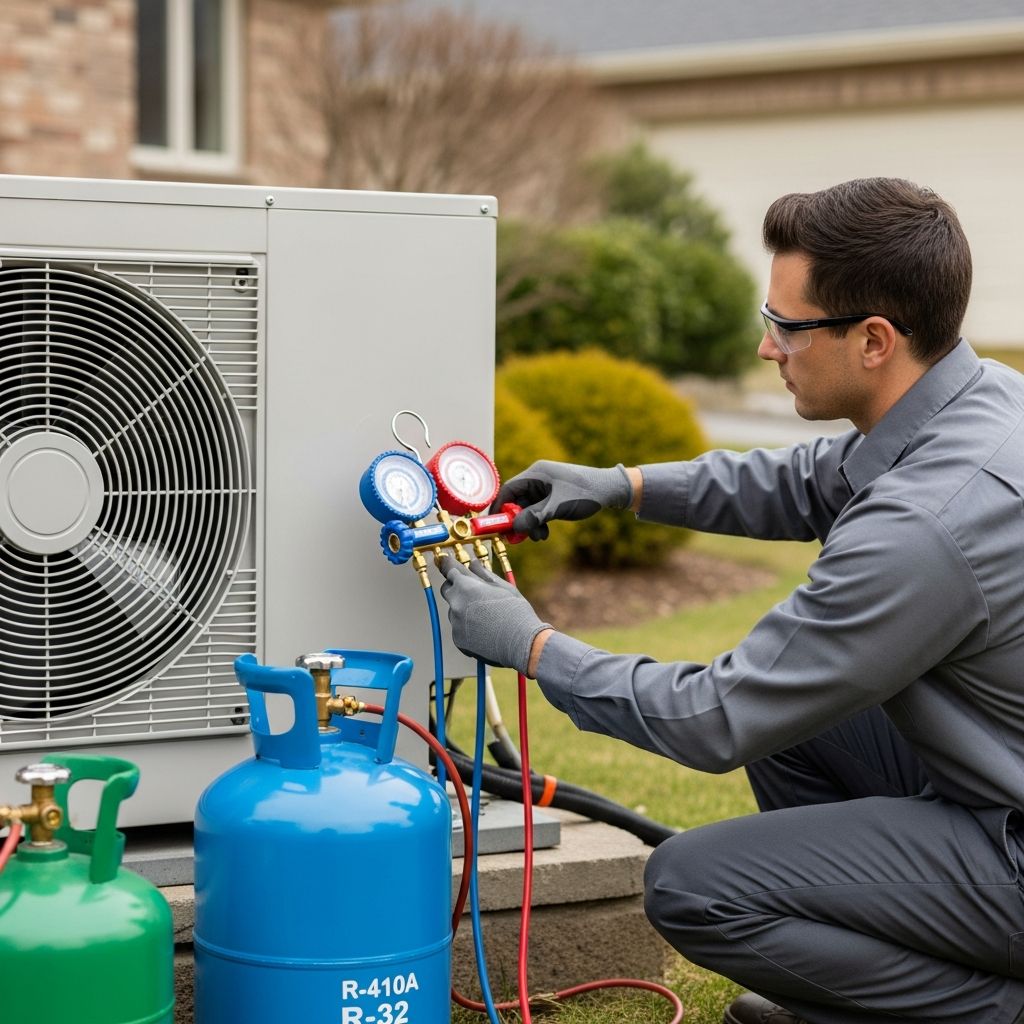
Understanding Heat Pump Refrigerant Charging Fundamentals
Residential heat pump systems depend on proper refrigerant charge levels to operate efficiently and reliably. Unlike air conditioning units that only cool, heat pumps must function effectively in both heating and cooling modes, which adds complexity to the charging process. The refrigerant circulating through the system acts as the medium that transfers thermal energy, making accurate charge levels absolutely critical for system performance and longevity.
The importance of correct charging cannot be overstated. An undercharged system will struggle to meet heating or cooling demands, resulting in reduced comfort and higher energy consumption. Conversely, an overcharged system can damage the compressor through liquid slugging and create excessive pressure that stresses system components. Therefore, mastering the charging procedure is essential for anyone responsible for heat pump maintenance and installation.
Essential Preparation Before Beginning the Charging Process
Before introducing any refrigerant into a heat pump system, several preparatory steps must be completed to ensure success and prevent damage to the equipment. These preliminary checks establish baseline conditions and verify system readiness for charging operations.
System Cleanliness Verification
The evaporator coil must be thoroughly inspected for dirt, debris, and blockages that could restrict airflow. Similarly, the outdoor condenser coil requires careful examination to ensure it is free from leaves, dirt, and other obstructions. A contaminated coil surface significantly reduces heat transfer efficiency and can lead to improper pressure readings during charging. Take time to clean both coils if necessary before proceeding with any charging work.
Airflow Assessment
Proper airflow across indoor and outdoor coils is fundamental to accurate charging. The system’s filter must be clean and unrestricted, as a dirty filter reduces airflow and creates incorrect static pressure readings. Check that all ductwork is properly sealed and that no air leaks exist that could bypass the coils. Confirm that blower motors are functioning at normal speeds and that dampers and louvers are in their correct positions. Many charging errors occur because technicians overlook airflow issues before beginning work.
Expansion Device Identification
Heat pump systems use two primary types of expansion devices: thermostatic expansion valves (TXV) and fixed orifice devices. The expansion device type directly determines which charging method you will employ. Consult the system documentation or examine the equipment to identify which device controls refrigerant flow through your specific unit. This information is crucial because using the wrong charging method can result in an improperly charged system.
The Superheat Charging Method Explained
Systems equipped with fixed orifice expansion devices typically use the superheat charging method. Superheat refers to the temperature increase of refrigerant vapor above its saturation temperature at a given pressure. This method involves measuring both pressure and temperature on the low-pressure suction line to calculate the appropriate charge.
Taking Superheat Measurements
To charge using superheat, you must determine three critical values. First, measure the actual temperature of the low-pressure suction line using a calibrated thermometer. Second, note the saturation temperature corresponding to the pressure shown on your low-side gauge. The difference between these two readings is your superheat value. Third, record both indoor and outdoor ambient temperatures, as these affect the target superheat range specified by manufacturers.
Target Superheat Values
Most residential air conditioning and heat pump systems target between 8 and 15 degrees of superheat, with 10 degrees being a common baseline for many residential units. However, manufacturer specifications should always take precedence over general guidelines. Some systems may specify different target superheat based on outdoor temperature and humidity conditions. Charts provided by manufacturers show the appropriate target superheat for various combinations of indoor and outdoor temperatures.
The Subcooling Charging Method for TXV Systems
Heat pump systems equipped with thermostatic expansion valves (TXV) or electronic expansion valves (EEV) typically use the subcooling method. Subcooling is the temperature decrease of liquid refrigerant below its saturation temperature at a given pressure. This method focuses on measurements taken on the high-pressure liquid line rather than the suction line.
Measuring Subcooling
Begin by measuring the actual temperature of the liquid line using a reliable thermometer. Next, note the saturation temperature corresponding to the pressure reading on your high-side gauge. Subtract the actual liquid line temperature from the saturation temperature to determine your subcooling value. Unlike superheat charging, subcooling measurements do not require knowledge of indoor or outdoor ambient temperatures, making it a more straightforward process in some respects.
Standard Subcooling Range
For most residential systems without manufacturer specifications, a subcooling range of 10 to 12 degrees provides a safe operating window. Some systems may specify different values, and newer equipment with variable-capacity compressors might have specific subcooling targets. Always refer to the manufacturer’s charging information first, using general guidelines only when factory documentation is unavailable.
Special Considerations for Heat Mode Charging
Charging a heat pump in heating mode differs significantly from cooling mode charging because the indoor and outdoor coil functions are reversed. In heating mode, the outdoor coil becomes the evaporator, and the indoor coil functions as the condenser. This reversal creates different operating conditions and requires adjusted measurement techniques.
Temperature Operating Limits
Heat pump systems should not be charged in heat mode when outdoor temperatures exceed approximately 65 degrees Fahrenheit. If conditions are warmer than this threshold, switch to cooling mode for charging. When outdoor temperatures drop below 35 degrees Fahrenheit, the charging process becomes increasingly difficult because refrigerant behavior changes significantly at lower temperatures, making accurate readings harder to obtain.
Gauge Connection Procedures
When charging in heat mode, connect your suction gauge to the common suction port located between the compressor and the reversing valve, rather than the typical outdoor suction port. For the high-side gauge, you may connect to either the discharge line or the liquid line depending on your equipment. Some systems with specific designs may require discharge line connection to obtain accurate head pressure readings. Verify the proper connection points for your specific unit before beginning work.
Manufacturer Charts for Heat Mode
Manufacturers provide heating mode charging charts that correlate indoor dry-bulb temperature and outdoor wet-bulb temperature to appropriate pressure ranges. These charts replace the superheat or subcooling calculations used in cooling mode. Find the intersection of the indoor and outdoor temperatures on the chart, then adjust your refrigerant charge until the system pressures fall within the specified range for those conditions.
Weight-Based Charging for Systems with Known Specifications
When replacing refrigerant in systems with long linesets or when charging from scratch with complete system recovery, charging by weight provides an accurate baseline starting point. Most residential heat pumps arrive from the factory with enough charge for approximately 25 feet of liquid line. Linesets longer than this standard require additional refrigerant calculated at a specific amount per foot of excess line length.
Calculating Charge Requirements
First, obtain the factory charge amount from the manufacturer’s documentation or the label on the unit. Measure your actual lineset length, noting how much exceeds the standard 25 feet. Multiply the excess footage by the manufacturer’s per-foot charge requirement (typically 0.6 ounces per foot). Add this calculated amount to the factory charge to determine the total charge required. Once you have added this calculated amount, use manufacturer charts or superheat/subcooling methods to verify you have achieved the proper charge level.
Handling the Weighing Process
Use a quality electronic scale designed for refrigerant to ensure accuracy within fractions of an ounce. Charge liquid refrigerant from an inverted tank through a flow-restricting device into the suction line port to prevent compressor flooding. Never introduce liquid refrigerant directly into the suction line without a restrictor, as liquid can flood the compressor and cause catastrophic damage. Proceed slowly and carefully, monitoring system pressures as you add refrigerant, and stop periodically to verify progress.
Critical Safety Procedures and Equipment Preparation
Working with refrigerants demands strict adherence to safety protocols to protect both equipment and personnel. Refrigerants pose health risks and environmental hazards, making proper handling essential.
Hose Management
Always purge refrigerant hoses before connecting them to the system to eliminate air and moisture that could contaminate the refrigerant circuit. Never mix gauge sets when working with different refrigerant types, as cross-contamination can damage systems and create safety hazards. Use low-loss fittings designed for your specific refrigerant type, and ensure all connections are tight and leak-free before charging begins.
System Component Verification
Before charging, confirm that all system components are properly installed and functional. Verify that all wiring connections are secure, refrigerant piping is properly routed and supported, condenser piping is clear of blockages, ductwork is sealed and properly configured, and all control sensors are in place and functioning. Missing or malfunctioning components can produce false readings and lead to improper charging.
Compressor Protection
Protect the compressor by ensuring you never introduce liquid refrigerant directly into the compressor through the suction line. Always use a flow-restricting device when charging liquid, and consider using a special liquid-preventing adapter if available. Never charge a system below approximately 65 degrees outdoor temperature in cooling mode, as this can introduce excessive liquid into the low-pressure side. For systems below 35 degrees in heating mode, weight-based charging combined with careful pressure monitoring is the safest approach.
Defrost Considerations in Cold Weather Operation
Heat pumps operating in cold weather must periodically enter defrost cycle to remove ice buildup from the outdoor coil. During defrost, the system reverses to cooling mode briefly, and this cycle affects refrigerant pressures. If charging in heating mode, be aware that a properly charged system operating in cold conditions may temporarily show higher discharge pressures and lower suction pressures when the defrost cycle engages.
When outdoor relative humidity is low, defrost cycles occur less frequently, requiring less energy and refrigerant circulation changes. Understanding how defrost impacts your readings helps prevent unnecessary charge adjustments when system behavior changes due to normal defrost operation.
Common Charging Scenarios and Solutions
Charging New or Previously Evacuated Systems
When installing a new heat pump or after the system has been completely evacuated, weight-based charging provides the most accurate starting point. Begin by weighing in the calculated total charge based on factory specifications and lineset length. Then use superheat, subcooling, or manufacturer charts to verify the charge is correct and make fine adjustments if necessary.
Adding Charge to Slightly Undercharged Systems
If a system is running but showing signs of being low on refrigerant, measure current superheat or subcooling values and determine how far you are from target. Add refrigerant in small increments, monitoring your gauge readings continuously. Allow the system to stabilize after each addition, waiting several minutes before taking additional measurements. This gradual approach prevents overshooting the target charge.
Systems with Known Refrigerant Leaks
For systems that have leaked refrigerant, weight-based charging followed by chart verification is recommended rather than relying solely on pressure measurements. The system may have operated in a low-charge condition long enough that normal pressure curves are not reliable indicators. After weighing in the charge, use manufacturer charts or superheat/subcooling methods to fine-tune and ensure optimal system operation.
Verification and Final Testing
After completing the charging procedure using your chosen method, allow the system to operate continuously for 15 to 20 minutes. This stabilization period lets the system reach steady-state conditions and allows compressor discharge temperature and refrigerant circulation to normalize. Take a final set of measurements to confirm your charge is correct and falls within acceptable parameters for your system’s operating conditions.
Document the final charge amount and system pressures for future reference. This information proves valuable if future service is needed or if the system requires troubleshooting. Keeping detailed records also helps identify trends that might indicate a developing leak or other system issues.
Frequently Asked Questions About Heat Pump Charging
Q: Can I charge a heat pump myself without professional certification?
A: Handling refrigerants requires proper licensing and certification in most jurisdictions. Regulatory requirements and safety considerations make this work appropriate only for qualified, licensed HVAC professionals with proper training and equipment.
Q: What is the difference between charging in heating versus cooling mode?
A: In cooling mode, the outdoor coil is the condenser and you typically use superheat or subcooling methods. In heating mode, the indoor coil is the condenser, gauge connections differ, and you use manufacturer heat mode charts based on indoor and outdoor temperatures.
Q: How often should a heat pump be recharged?
A: A properly functioning heat pump should not require regular recharging. Refrigerant is a closed system fluid that circulates continuously without being consumed. Recharging is only necessary when a leak occurs or during initial startup if the system arrives undercharged.
Q: What happens if I overcharge a heat pump system?
A: Overcharging increases system pressures beyond safe limits, reduces cooling and heating capacity, decreases system efficiency, and can damage the compressor through excessive pressure stress and liquid slugging.
Q: Is it ever acceptable to charge below 35 degrees outdoor temperature?
A: Below 35 degrees in heating mode, refrigerant behavior becomes unpredictable, making pressure readings unreliable. Weight-based charging with extreme caution is the only recommended approach under these conditions.
References
- Best Practices for Charging A System — Jim Bergmann / MeasureQuick. May 25, 2024. https://www.youtube.com/watch?v=JqqHK3H7bxg
- Refrigerant Charging Basics for Air Conditioners and Heat Pumps — HVAC School. https://www.hvacrschool.com/refrigerant-charging-basics-for-air-conditioning-heat-pump-systems/
- Charging a Heat Pump in Heat Mode — HVAC Training. https://www.youtube.com/watch?v=VLwW67jA4lw
- Charging the Heat Pump — Gray Cooling Man. https://www.graycoolingman.com/charging-the-heat-pump.html
- Refrigerant Charging — AboveAir Technologies IOMs. https://www.aboveairioms.com/operation/charging.html
- Charging and Testing Heat Pumps in Heat Mode — HVAC Training Academy. https://www.youtube.com/watch?v=AC7Ur2EILbs
Similar Articles








Read full bio of medha deb