Complete Guide to Refrigerator Cleaning Tips
Master the art of refrigerator cleaning with our comprehensive guide to maintaining a fresh, organized, and hygienic fridge.
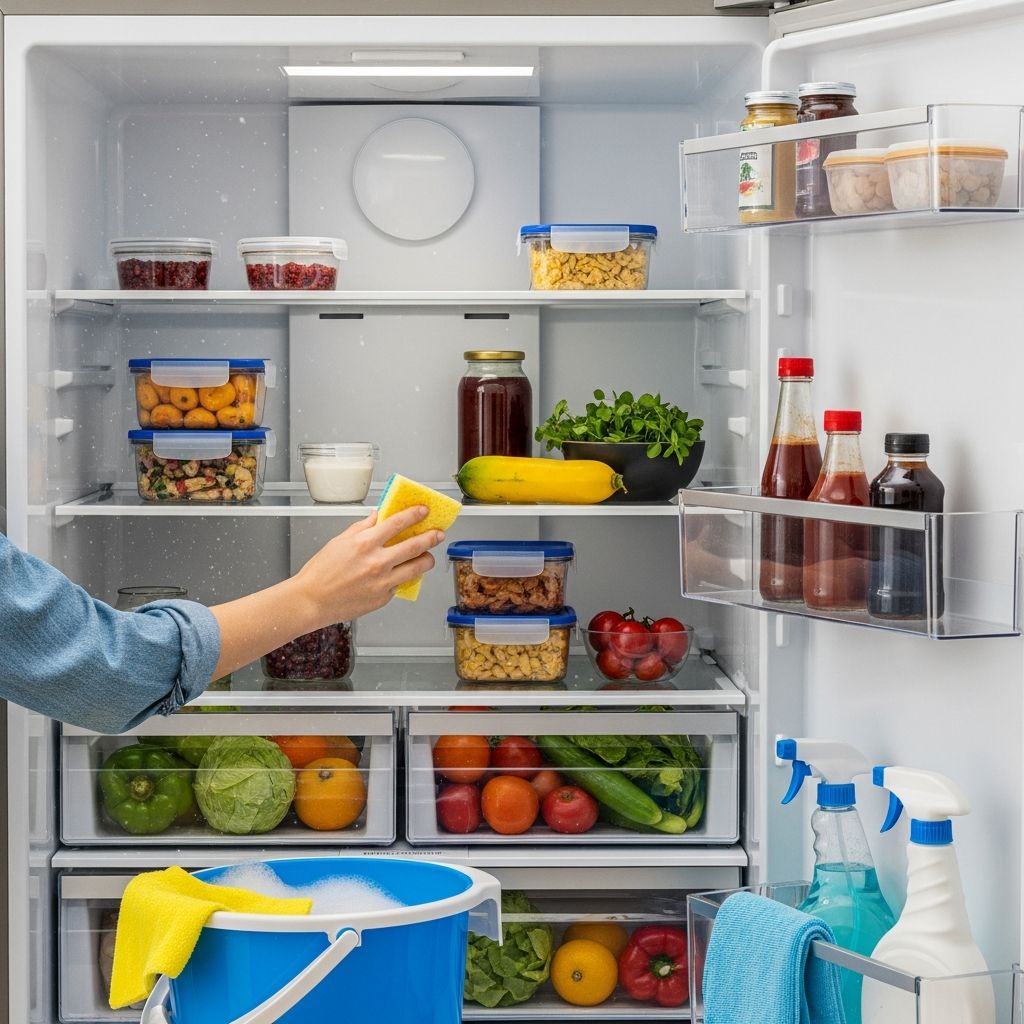
A clean refrigerator is essential for food safety, energy efficiency, and maintaining a hygienic kitchen environment. Over time, refrigerators accumulate spills, expired items, and mysterious odors that can affect both the appliance’s performance and the quality of your stored food. Whether you’re dealing with sticky shelves, mysterious stains, or lingering odors, this comprehensive guide will walk you through professional-grade cleaning techniques that can be accomplished with basic household items.
Keeping your refrigerator clean doesn’t require expensive specialized products or complicated procedures. By following a systematic approach and dedicating just a few hours to deep cleaning, you can transform your fridge into a spotless, organized space that functions optimally and keeps your food fresher longer.
Why Regular Refrigerator Cleaning Matters
Many homeowners underestimate the importance of regular refrigerator maintenance. Beyond aesthetics, a clean fridge directly impacts food safety and storage efficiency. Bacteria can accumulate on surfaces, particularly in areas where spills occur. When you clean your refrigerator regularly, you reduce the risk of cross-contamination and foodborne illness.
Additionally, a clean refrigerator operates more efficiently. When coils and vents are free from dust and debris, your appliance doesn’t have to work as hard to maintain proper temperatures. This efficiency translates to lower energy bills and an extended lifespan for your appliance.
Organization goes hand-in-hand with cleanliness. A well-organized refrigerator makes it easier to find items, track expiration dates, and use food before it spoils. This combination of cleanliness and organization can actually save you money by reducing food waste.
Preparing Your Refrigerator for Deep Cleaning
Before diving into the actual cleaning process, proper preparation is crucial for efficiency and safety. Taking time to prepare ensures you won’t damage your food or appliance during the cleaning process.
Step 1: Empty Your Refrigerator Completely
Remove all items from your refrigerator, including shelves, drawers, and door organizers. This complete emptying allows you to access every surface and corner. As you remove items, check expiration dates and discard anything that has expired or appears questionable. This is an excellent opportunity to purge items you’ve been meaning to throw away.
A helpful tip: take a quick photo of your refrigerator before removing shelves and drawers. This visual reference makes reassembly significantly easier and helps you remember where everything belongs. Many people find that taking this photo prevents the frustration of trying to remember which shelf had the vegetables or where the condiments go.
Step 2: Unplug Your Refrigerator
For safety reasons, always unplug your refrigerator before beginning any cleaning process. This precaution protects you from electrical hazards and allows you to clean more thoroughly without worrying about the temperature rising. Depending on your cleaning time, you may want to place perishables in a cooler with ice to maintain food safety during the unplugged period.
Step 3: Gather Your Cleaning Supplies
The beauty of refrigerator cleaning is that you likely already have all the supplies you need in your kitchen. You don’t need harsh chemicals or specialized products. Basic household items work wonderfully for this task.
Essential Cleaning Supplies and Solutions
Creating effective cleaning solutions from pantry staples ensures you’re using safe, non-toxic products around your food storage area. These solutions are gentle on surfaces yet powerful enough to cut through stubborn stains and odors.
All-Purpose Cleaning Solution
Mix equal parts white vinegar and water in a spray bottle. This solution effectively cuts through grease, eliminates odors, and disinfects surfaces without leaving harmful residues. The vinegar smell dissipates quickly once dry. For a more pleasant scent, add a few drops of lemon juice or essential oil.
Baking Soda Paste
Combine baking soda with a small amount of water to create a paste. This gentle abrasive works excellently for scrubbing stubborn stains without scratching surfaces. Baking soda also naturally neutralizes odors and is completely safe around food.
Lemon Juice Solution
Fresh lemon juice mixed with water provides both cleaning and deodorizing properties. The natural acidity cuts through grime while leaving a fresh, clean scent. This solution is particularly effective for stainless steel surfaces.
Dish Soap and Water
A simple mixture of mild dish soap and warm water serves as a gentle yet effective cleaner for most refrigerator surfaces. This solution is ideal for regular maintenance cleaning and doesn’t require rinsing extensively.
Deep Cleaning Your Refrigerator Shelves and Drawers
Once you’ve removed all items and unplugged the appliance, it’s time to tackle the removable components. Most refrigerator shelves and drawers can be washed separately, making the cleaning process much more efficient.
Cleaning Removable Shelves
Remove all glass or plastic shelves and place them in your bathtub or a large basin filled with warm water and dish soap. Let them soak for 15-20 minutes to loosen stubborn dried-on food particles. Use a soft cloth or sponge to gently scrub both sides of each shelf. For persistent stains, apply your baking soda paste and let it sit for a few minutes before scrubbing. Rinse thoroughly with clean water and dry completely before replacing.
Tackling Vegetable and Produce Drawers
These drawers often accumulate the most debris and can develop unpleasant odors. Remove the drawers carefully and inspect all corners and crevices. Soak them in warm soapy water, then scrub with a soft brush to remove any residual moisture, condensation stains, or debris. Pay special attention to the seals and gaskets where moisture tends to accumulate. Dry thoroughly before replacing.
Cleaning Door Compartments
Door shelves and compartments accumulate spills and dust. Wipe these areas with your vinegar and water solution. For sticky residue, apply the baking soda paste and allow it to sit for several minutes. Use an old toothbrush to clean around the edges and seals where debris loves to hide.
Addressing Hidden and Hard-to-Reach Areas
These often-overlooked spaces are where bacteria and odors truly hide. Paying attention to these areas significantly improves overall cleanliness and freshness.
Underneath the Shelves
Use a damp cloth or an old toothbrush to clean the undersides of shelves and the ceiling of the refrigerator. These areas accumulate dust, condensation, and spills that drip down from shelves above. Getting into these crevices ensures complete cleanliness.
Refrigerator Coils and Vents
The back of your refrigerator contains coils and vents crucial for proper operation. If accessible from inside, gently wipe these areas with a soft cloth. Many refrigerators have removable panels or covers that allow easier access. Consult your manual for specific guidance. Keeping these areas dust-free ensures your fridge operates efficiently.
The Rubber Gasket and Seals
These rubber seals around the door are notorious for trapping food particles, moisture, and mildew. Use an old toothbrush dipped in your vinegar solution to scrub along the entire gasket. Pay special attention to the grooves and crevices. This area is critical for maintaining an airtight seal, which is essential for your refrigerator’s efficiency.
The Drain Pan and Water Line
Located at the bottom of most refrigerators, the drain pan collects water that condenses inside the unit. This pan can become a breeding ground for bacteria and odors if not properly maintained. If accessible, remove and wash this pan thoroughly with hot soapy water. The drain line that feeds into this pan should also be checked for clogs using a small brush or pipe cleaner.
Removing Stubborn Stains and Odors
Even with regular cleaning, stubborn stains and persistent odors can develop over time. These specialized techniques address these challenging issues effectively.
Tackling Difficult Stains
For stubborn, dried-on stains, try this approach: First, dampen the area with your vinegar solution and let it sit for 10-15 minutes to soften the stain. Then apply your baking soda paste and gently scrub with a soft cloth or non-abrasive sponge. Avoid steel wool or harsh scrubbing pads that could damage surfaces. For particularly stubborn spots, repeat this process rather than scrubbing harder.
Eliminating Lingering Odors
After cleaning, several methods effectively eliminate stubborn odors. Place an open box of baking soda on a shelf to continuously absorb odors. Alternatively, create odor-absorbing packets by mixing baking soda with dried herbs or coffee grounds. Activated charcoal also works exceptionally well for odor absorption. Replace these odor absorbers monthly for continuous freshness.
Stainless Steel Surfaces
If your refrigerator has stainless steel surfaces inside or outside, use a specialized approach. Mix equal parts white vinegar and mineral oil. Apply this mixture with a soft cloth, wiping in the direction of the grain. This technique removes fingerprints and smudges while protecting the stainless steel finish. Never use abrasive scrubbers on stainless steel, as these can scratch and dull the surface.
Organizing Your Refrigerator After Cleaning
With a freshly cleaned refrigerator, organization becomes your next focus. Strategic organization maintains cleanliness and ensures food safety by proper temperature zones.
Understanding Temperature Zones
Different areas of your refrigerator maintain different temperatures. The coldest areas are typically the back of shelves and the bottom of the fridge. Place perishable items like meat, fish, and dairy in these zones. The door, being warmest, is ideal for condiments and beverages. Vegetables and fruits go in designated drawers where humidity is controlled.
Creating Organization Systems
Use clear containers and labels to create distinct zones for different food categories. This system makes it easy to find items, monitor expiration dates, and prevent cross-contamination. Clear containers also allow you to see contents without opening them, reducing the time the refrigerator door remains open.
Maintaining Your Clean Refrigerator
Regular maintenance prevents the need for intensive deep cleaning as frequently. Establishing simple habits keeps your refrigerator fresh between major cleaning sessions.
Weekly Maintenance Tasks
Wipe down spills immediately when they occur. Once weekly, do a quick sweep to remove expired items and wipe down visible surfaces. Check the drain area for any water accumulation and ensure nothing is blocking the drain.
Monthly Checks
Once monthly, check the gasket for any visible mold or mildew and wipe it clean. Inspect the produce drawers for moisture buildup and dry if necessary. Replace odor absorbers if using them.
Frequently Asked Questions
Q: How often should I deep clean my refrigerator?
A: Most experts recommend deep cleaning your refrigerator every three to six months, depending on usage and spill frequency. High-traffic households may benefit from more frequent cleanings.
Q: Can I use commercial cleaners inside my refrigerator?
A: It’s best to avoid harsh commercial cleaners inside your refrigerator since they may leave residues that can contaminate food. Natural solutions like vinegar and baking soda are safer and equally effective.
Q: What’s the best way to remove stubborn food residue?
A: Soak the affected area with your vinegar solution for 10-15 minutes, then apply baking soda paste and gently scrub. This approach works on most stubborn residues without damaging surfaces.
Q: How do I prevent ice buildup in my refrigerator?
A: Ensure your refrigerator drain isn’t blocked, keep the door seals clean to maintain proper temperature, and avoid overcrowding items that might block airflow vents.
Q: Can I clean the exterior while the refrigerator is plugged in?
A: Yes, cleaning the exterior while plugged in is safe. However, unplug it when cleaning interior components or vents to ensure safety.
Q: What should I do if my refrigerator has a persistent smell after cleaning?
A: Check the drain pan and line for blockages causing mold growth. Place open boxes of baking soda on multiple shelves. If the smell persists, consult your refrigerator’s manual or contact a professional service technician.
References
- Refrigerator Food Storage and Safety — U.S. Food and Drug Administration (FDA). 2024. https://www.fda.gov/consumers/consumer-updates/are-you-storing-food-safely
- Maintaining and Cleaning Your Refrigerator — U.S. Department of Energy. 2024. https://www.energy.gov/energysaver
- Safe Cleaning Products for Food Storage Areas — Centers for Disease Control and Prevention (CDC). 2024. https://www.cdc.gov/hygiene/food-safety
- Natural Cleaning Solutions for Kitchen Appliances — University of Illinois Extension. 2023. https://extension.illinois.edu
Similar Articles



Read full bio of Sneha Tete