Reviving Aloe: Grow New Plants from Broken Leaves
Master the art of turning broken aloe leaves into thriving new plants with simple, proven propagation techniques for home gardeners.
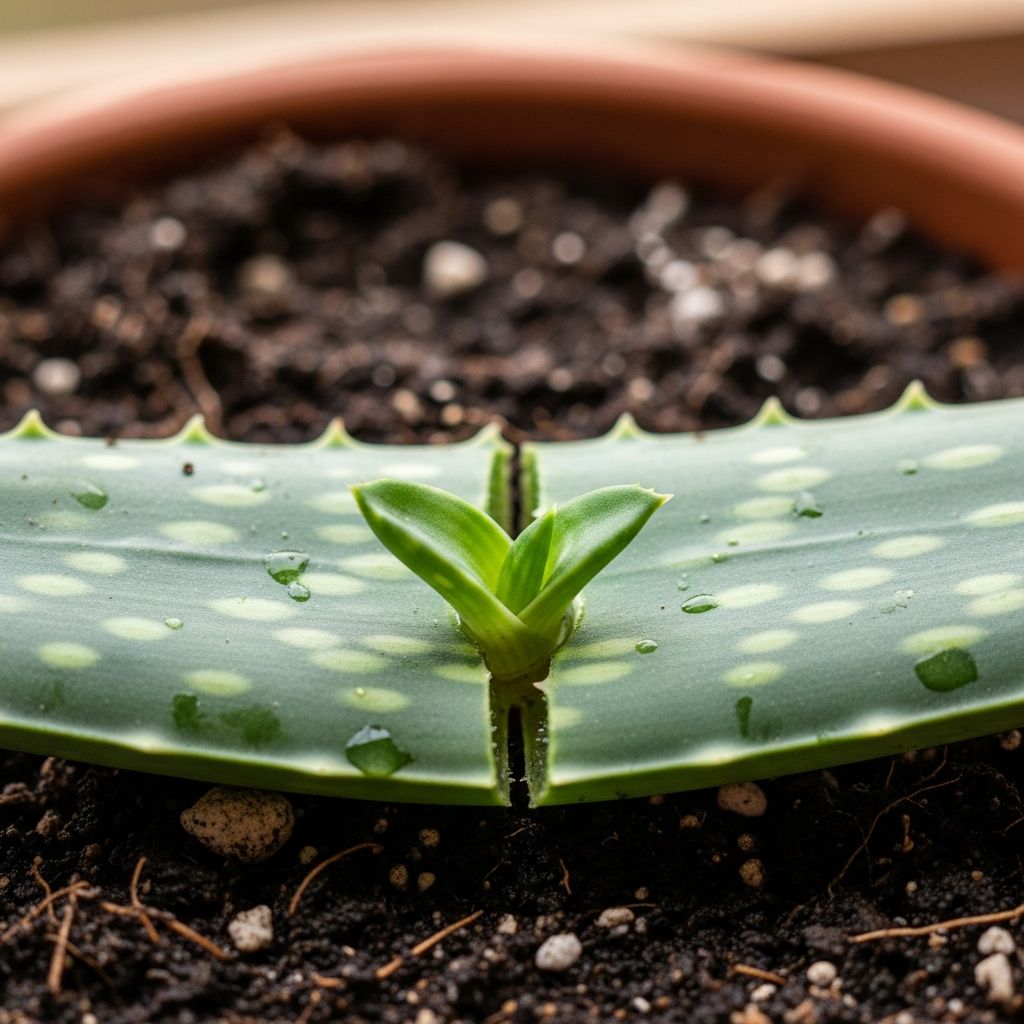
Aloe vera plants are resilient succulents prized for their medicinal gel and low-maintenance nature. When a leaf snaps accidentally, it doesn’t have to go to waste—many gardeners successfully cultivate entire new plants from these cuttings. This process leverages the plant’s natural ability to form roots from stored moisture and nutrients in the leaf, typically yielding results in 3-8 weeks with proper care.
Why Aloe Leaves Make Ideal Propagation Material
Aloe vera encompasses over 500 species, with Aloe barbadensis miller being the most common household variety known for its thick, fleshy leaves filled with hydrating gel. These leaves store water efficiently, mimicking the arid conditions of their native South African habitats. A broken leaf retains enough vitality to sprout roots and offsets if handled correctly, making propagation an eco-friendly way to multiply plants without purchasing new ones.
Success rates hover around 70-90% when following best practices, as the leaf acts as a self-contained starter kit. Unlike seeds, which demand precise germination conditions, leaf cuttings root faster and produce genetically identical clones, preserving desirable traits like leaf thickness or gel potency.
Selecting the Perfect Leaf for Propagation
Choose leaves that are mature, plump, and free from pests or discoloration. Opt for those at the plant’s base, as they are older and richer in rooting hormones. Healthy specimens measure 4-6 inches long, with vibrant green skin and no soft, mushy spots indicating rot.
- Ideal traits: Firm texture, uniform color, no wilting or yellowing.
- Avoid: Tiny new growths, damaged tips, or leaves infested with mealybugs.
- Timing tip: Harvest 1-2 days after thoroughly watering the parent plant to maximize internal hydration.
If propagating from a snapped leaf, ensure at least 2-3 inches remain intact for viability. Multiple leaves can be processed simultaneously from one mother plant, accelerating your succulent collection.
Step-by-Step Guide: Preparing Your Aloe Cutting
Propagation begins with precise cutting and healing to prevent infection and rot, the primary causes of failure.
- Clean cut: Use sterilized pruning shears or a sharp knife dipped in 70% isopropyl alcohol. Slice close to the base at a 45-degree angle to maximize surface area for rooting.
- Callus formation: Lay the cutting cut-end up on a paper towel in a shaded, airy spot. Allow 3-7 days for a dry, cork-like seal to form—this barrier retains sap and blocks pathogens.
- Optional hormone boost: Dust the callused end with rooting hormone powder to accelerate root initiation, though natural methods often suffice for aloes.
During callusing, the leaf may wrinkle slightly as it conserves moisture—a normal sign of adaptation. Patience here prevents up to 80% of common issues like fungal entry.
Choosing Containers and Soil for Optimal Rooting
Aloe thrives in fast-draining setups mimicking desert soils. Select terra cotta pots 4-6 inches wide with drainage holes to avert waterlogging.
| Soil Type | Pros | Cons | DIY Mix Ratio |
|---|---|---|---|
| Cactus/Succulent Mix | Excellent drainage, pH neutral | May dry too fast initially | Store-bought or 50% potting soil + 50% perlite |
| Sandy Loam | Retains slight moisture | Compacts over time | 40% sand + 30% loam + 30% pumice |
| Standard Potting Soil | Readily available | Retains excess water—avoid | Not recommended without amendments |
Fill pots loosely to 1 inch below the rim. Insert the callused end 1-2 inches deep, burying one-third of the leaf. Gently firm soil around it for stability, then water sparingly to settle the medium without saturating.
Essential Care During the Rooting Phase
New cuttings demand a balance of moisture, light, and warmth—typically 65-80°F (18-27°C). Position near an east-facing window for bright, indirect sunlight; direct rays scorch the leaf before roots establish.
- Watering schedule: Mist soil surface weekly to keep evenly moist for the first 4 weeks, then taper to bi-weekly as roots form. Use room-temperature water to avoid shocking the cutting.
- Humidity control: 40-60% relative humidity prevents shriveling; a pebble tray aids in dry indoor environments.
- Monitoring signs: Expect shrinkage and transparency as the leaf fuels root growth. Tiny white roots emerge in 3-4 weeks, followed by green pups at the base.
Avoid fertilizing until new growth appears, as excess nutrients invite rot. Rotate the pot weekly for even light exposure.
Transitioning to Mature Plant Care
Once pups develop (6-12 weeks), transplant to larger pots. These offsets can be separated for further propagation, creating a cycle of abundance. Mature aloes need watering every 2-3 weeks, allowing soil to dry fully between sessions.
Provide 6+ hours of sunlight daily outdoors in zones 9-11, or indoors under grow lights. Repot annually in spring, pruning dead leaves to maintain vigor. Harvest gel sparingly from mature plants to sustain health.
Common Pitfalls and Troubleshooting
Not all attempts succeed; here’s how to diagnose and correct issues:
| Problem | Symptoms | Solution |
|---|---|---|
| Rot | Soggy base, blackening | Improve drainage, reduce water; discard if advanced |
| No roots after 8 weeks | Leaf shrivels excessively | Check light/soil; try rooting hormone next time |
| Pest infestation | White cottony spots | Wipe with alcohol; isolate from other plants |
| Leggy growth | Etched, pale leaves | Increase light exposure gradually |
Overwatering accounts for 60% of failures—err on the dry side. Cold drafts below 50°F stun growth; maintain stable conditions.
Advanced Techniques for Prolific Aloe Multiplication
Beyond single leaves, propagate via offsets (pups) for 100% success. Gently tease rooted pups from the parent, callus, and plant similarly. For mass production, layer multiple cuttings in one tray, spacing 2 inches apart.
Experiment with hydroponic rooting in perlite-water mixes for faster results, or top-cuttings by slicing leaves horizontally and planting both segments—upper parts root upside down with gel intact.
Benefits of Homegrown Aloe Beyond Propagation
Propagated aloes supply endless gel for soothing burns, moisturizing skin, or digestive aids. They’re air-purifying, reducing indoor toxins per NASA studies, and demand minimal space on windowsills.
Sharing cuttings fosters community gardens; one plant yields dozens over years, cutting costs for herbal enthusiasts.
Frequently Asked Questions
Can any aloe leaf regrow a full plant?
Yes, healthy mature leaves from Aloe vera varieties have high success rates, though variegated hybrids may vary. Expect 4-8 weeks for roots.
How often should I water a new aloe cutting?
Keep soil lightly moist for 4 weeks, then water deeply every 2 weeks once rooted, allowing full dry-out between.
What if my leaf turns black at the base?
This indicates rot from excess moisture—unpot, trim rot, recallus, and replant in drier soil. Prevent with drainage focus.
Is direct sunlight okay during rooting?
No, indirect light prevents scorching; transition to full sun after 2 months when pups establish.
Can I propagate in water instead of soil?
Aloe prefers soil for oxygenation, but short-term perlite-water rooting works—transfer to soil post-roots to avoid rot.
References
- Growing Aloe Vera Plants: Understanding Propagation Methods — University of Florida IFAS Extension. 2024-05-15. https://edis.ifas.ufl.edu/publication/EP531
- Aloe vera: Botany, Cultivation, and Medicinal Uses — National Center for Biotechnology Information (NCBI). 2023-11-20. https://www.ncbi.nlm.nih.gov/pmc/articles/PMC10809425/
- Succulent Propagation Guide: Aloe Species — Royal Horticultural Society (RHS). 2025-03-10. https://www.rhs.org.uk/plants/aloe-vera/growing-guide
- Soil and Water Management for Succulents — USDA Agricultural Research Service. 2024-08-01. https://www.ars.usda.gov/research/publications/publication/?seqNo115=413892
- Medicinal Properties of Aloe vera Leaf Gel — World Health Organization (WHO). 2023-07-12. https://www.who.int/publications/i/item/9789240073192
Similar Articles







Read full bio of medha deb