Regrow Cilantro from Stems: Easy Home Guide
Unlock endless cilantro supply by regrowing from stems: simple water method, soil tips, and care for fresh herbs year-round.
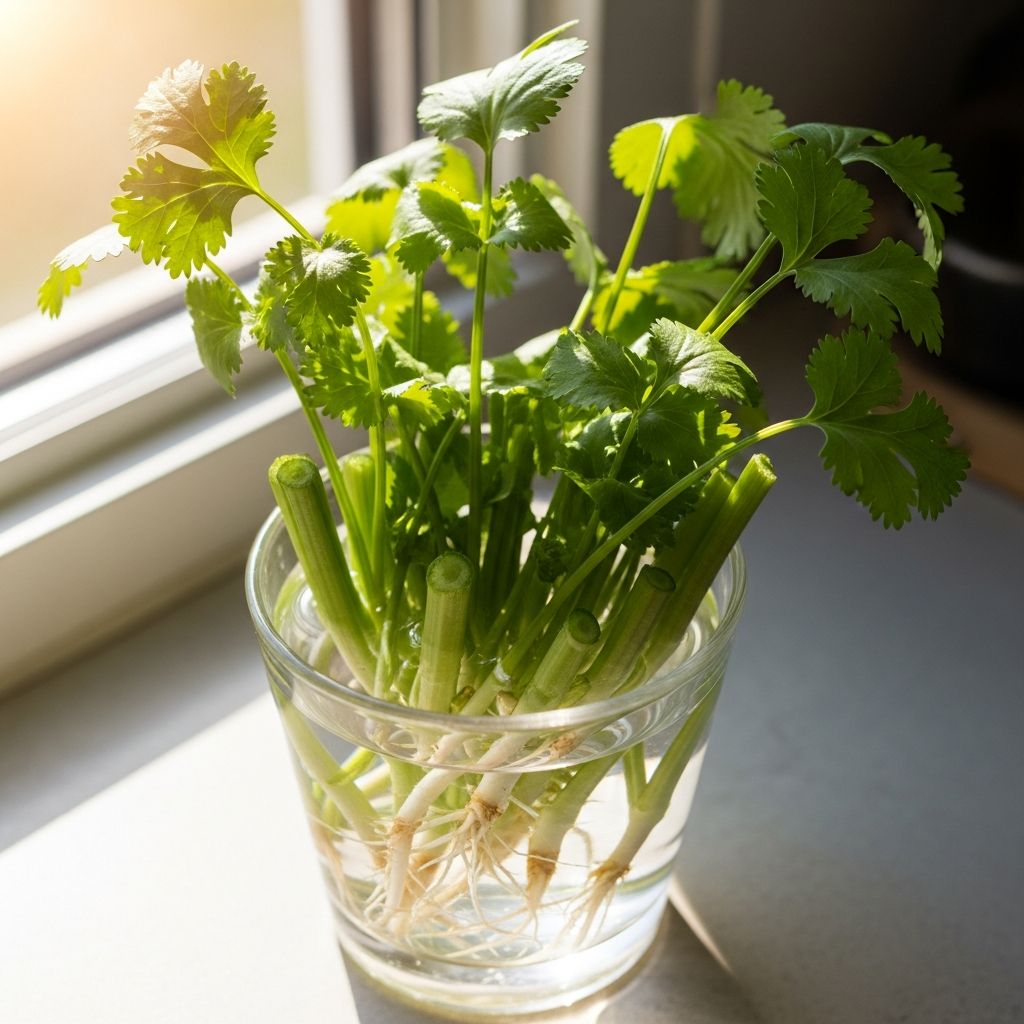
Cilantro, known as coriander in some regions, is a versatile herb essential for cuisines worldwide, from Mexican salsas to Indian curries. While typically grown from seeds, propagating it from stems offers a quick, cost-effective way to sustain your supply. This method leverages the plant’s ability to develop roots from healthy cuttings, allowing you to multiply plants indefinitely right on your kitchen counter or windowsill.
Why Propagate Cilantro from Stems?
Stem propagation bypasses the wait for seed germination, delivering new plants in weeks. It’s ideal for urban gardeners with limited space, as it requires minimal equipment—just a jar, water, and light. Success rates vary, but with proper technique, many cuttings root reliably, providing fresh leaves before the parent plant bolts in heat. This approach reduces waste from store-bought bunches and promotes self-sufficiency.
- Speed: Roots form in 7-14 days versus 2-3 weeks for seeds.
- Convenience: Use scraps from meals to start new plants.
- Sustainability: No need for repeated seed purchases.
Selecting the Best Stems for Propagation
Choose vigorous, disease-free stems from a mature cilantro plant. Opt for non-flowering shoots, 4-6 inches long, with at least three leaf nodes. Healthy stems are firm, green, and free of yellowing or pests. Cut just below a node, where roots emerge most easily, using clean, sharp scissors to prevent infection.
Avoid woody or overly mature stems, as they root less readily. From a single bunch, harvest multiple cuttings, but never remove more than one-third of the plant to avoid stress.
Water Propagation: The Simplest Method
Water rooting is beginner-friendly and lets you monitor progress visually. Fill a clear glass jar with room-temperature water, submerging the cut ends by 2 inches. Remove lower leaves to avoid rot. Position in bright, indirect light—east-facing windows work best, avoiding scorching midday sun.
- Change water every 2 days to prevent bacterial buildup.
- Expect white roots in 1-2 weeks.
- Optional: Add diluted rooting hormone for higher success.
Table of Propagation Timeline:
| Stage | Duration | Signs of Success |
|---|---|---|
| Initial Placement | Day 1 | Stems stay firm, no wilting |
| Root Initiation | Days 7-10 | White nubs at nodes |
| Ready to Transplant | Days 14-21 | 2+ inch roots |
Soil Propagation Alternative
For direct planting, use a well-draining mix like seed-starting soil or sand-compost blend. Dip the cut end in rooting hormone, then insert into moist medium. Cover with a plastic dome for humidity, placing in indirect light. Keep soil damp but not soggy; roots develop in 2-3 weeks.
This method suits woody herbs but works for cilantro too, transitioning seamlessly to garden soil.
Optimal Conditions for Root Development
Cilantro thrives at 65-75°F (18-24°C). Use grow lights if natural light is insufficient, providing 12-16 hours daily. Maintain 70% humidity by misting or using a pebble tray. Avoid drafts or temperature swings, which hinder rooting.
Transplanting Rooted Cuttings
Once roots reach 2 inches, pot in 4-inch containers with potting mix amended with perlite for drainage. Water thoroughly, then sparingly to encourage deep roots. Harden off outdoors gradually over a week before garden planting. Space 6-8 inches apart in partial shade.
Ongoing Care for Thriving Plants
Pinch tops to promote bushiness and delay bolting. Harvest outer leaves regularly. Fertilize biweekly with diluted fish emulsion. In hot climates, succession plant every 2 weeks.
Common Challenges and Fixes
- Rotting Stems: Change water frequently; ensure clean tools.
- No Roots: Try rooting hormone; check light/temperature.
- Bolting: Grow in cooler spots; harvest young.
- Pests: Inspect for aphids; use neem oil.
Advanced Techniques for Abundant Harvests
Combine methods: Root in water, then soil. Experiment with hydroponics for continuous growth. Save seeds from bolted plants for hybrid propagation. In greenhouses, maintain 50-60°F to extend seasons.
Benefits Beyond the Kitchen
Home-grown cilantro is pesticide-free and picked at peak flavor. It’s rich in vitamins A, C, K, and antioxidants. Propagating reduces food miles, supporting eco-friendly gardening.
Frequently Asked Questions
Can all cilantro stems be used for propagation?
No, select healthy, young stems 4-6 inches long from non-bolting plants for best results.
How long until I can harvest from propagated cilantro?
3-4 weeks post-transplant, starting with outer leaves.
Does cilantro root better in water or soil?
Water is easier for monitoring, but soil yields stronger plants long-term.
Why does my cilantro bolt quickly?
Heat and long days trigger it; provide shade and cool conditions.
Can I propagate cilantro outdoors year-round?
In mild climates yes; protect from frost and extreme heat.
Scaling Up: From Windowsill to Garden
Start small, then expand to raised beds or containers. Companion plant with tomatoes or basil for pest control. Track progress in a journal to refine techniques over seasons.
With practice, you’ll cultivate a perpetual cilantro patch, elevating your culinary game sustainably.
References
- How to grow cilantro from cuttings: 3 simple steps — Homes & Gardens. 2023-05-15. https://www.homesandgardens.com/gardens/how-to-grow-cilantro-from-cuttings
- Propagate Cilantro: How To Grow Cilantro From Cuttings And Seed — Gardening Know How. 2024-08-10. https://www.gardeningknowhow.com/edible/herbs/cilantro/propagate-cilantro.htm
- The Beginner’s Guide to Propagating Herbs — Gardenary. 2023-11-20. https://www.gardenary.com/the-beginners-guide-to-propagating-herbs
Similar Articles







Read full bio of medha deb