Removing Adhesive-Backed Vinyl Planks: Complete Guide
Master the techniques for successfully removing glued-down vinyl plank flooring from your home.
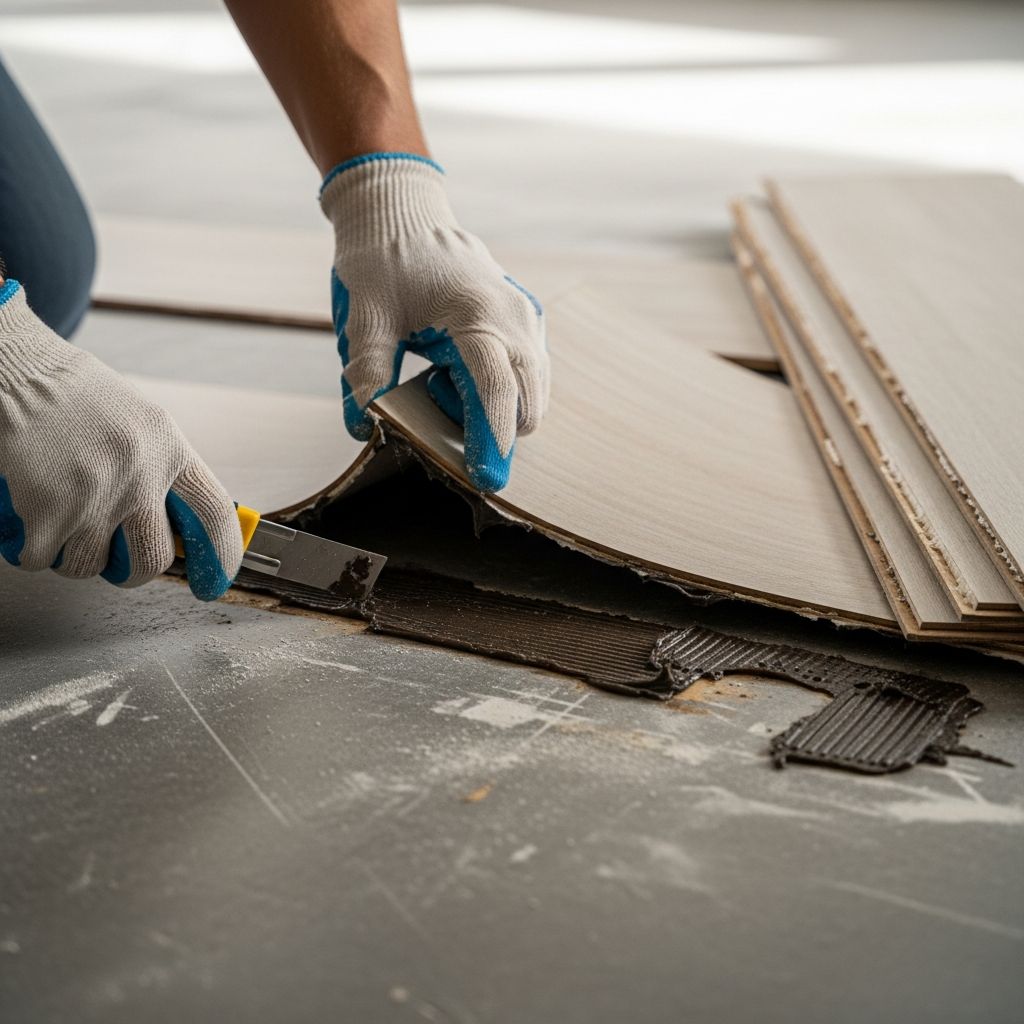
When vinyl plank flooring reaches the end of its lifecycle or when you’re ready to upgrade to a new flooring option, removal becomes essential. Unlike floating vinyl planks that simply click together, adhesive-backed vinyl flooring presents a more complex demolition challenge. This guide provides comprehensive strategies for safely and efficiently removing glued-down vinyl planks while preserving your subfloor and preparing it for new flooring installation.
Understanding Your Flooring System
Adhesive-backed vinyl plank flooring consists of individual planks that are permanently bonded to the underlying subfloor using specialized construction adhesives. These adhesives are formulated to create a lasting bond that prevents the planks from shifting, buckling, or developing gaps—a critical advantage in commercial settings and high-traffic residential areas. However, this durability becomes a liability when removal time arrives.
The subfloor beneath your vinyl planks is typically made from plywood, concrete, or engineered wood products. Understanding your subfloor type is crucial because different materials respond differently to removal techniques and may require different adhesive removal strategies. Before beginning any removal project, take time to identify your subfloor material, as this will influence your tool selection and removal approach.
Essential Tools for Vinyl Plank Removal
Successful removal of adhesive-backed vinyl planks requires the right combination of tools. While you may initially attempt removal with basic equipment, upgrading to specialized tools often saves considerable time and effort.
Manual Scraping Tools
A wide razor blade scraper serves as an excellent starting point for vinyl removal projects. These four-inch wide scrapers feature exceptionally sharp edges that can work underneath vinyl planks and separate them from the adhesive layer beneath. The razor-sharp construction allows the tool to slide beneath vinyl and help break the bond with the underlying adhesive. However, manual scrapers alone may prove insufficient for large areas or particularly stubborn adhesive applications.
Heat Application Equipment
Heat guns represent a valuable addition to your removal toolkit. A one-kilowatt heat gun provides sufficient temperature to warm both the vinyl planks and the adhesive underneath. Heat accomplishes two critical functions: it makes the vinyl more pliable and flexible, allowing it to bend without tearing, and it softens the adhesive bonds, reducing their holding strength. When using heat guns, always work slowly and methodically down the length of each plank rather than attempting to heat large sections simultaneously.
Specialized Removal Equipment
An oscillating multi-tool equipped with a scraper attachment offers superior performance compared to manual tools alone. This tool features a small tab that lifts the flooring as you push it forward into the vinyl and adhesive layers. The oscillating motion, combined with a chisel-edge blade, effectively separates vinyl from the subfloor while also removing leftover adhesive residue. Many experienced DIYers report that after attempting manual removal, renting a power scraper for just four hours often completes removal work that would take a full day with manual tools.
For large-scale removal projects, consider renting a floor scraper from a home improvement center. These powered machines feature adjustable blade angles and significant downward force, allowing you to remove large sections of vinyl and adhesive simultaneously. While more expensive than hand tools, the time savings often justify the rental cost.
Preparation and Safety Measures
Before beginning removal work, take several important preparatory steps. Clear the room completely of furniture and other items that might obstruct your movement or get damaged by debris. Open windows and doors to establish adequate ventilation, as this process will generate dust and potentially harmful fumes.
Safety Considerations: Wear appropriate protective equipment throughout the removal process. Safety glasses protect your eyes from flying debris and adhesive particles. Work gloves prevent cuts from sharp scraper blades and protect your hands from adhesive exposure. A dust mask or respirator becomes particularly important, especially when working in poorly ventilated spaces. Most critically, be aware that vinyl flooring manufactured before the 1980s may contain asbestos-laden adhesives. If your home was built before 1980 and you suspect asbestos presence, have the adhesive tested before removal. Asbestos requires professional remediation and should never be disturbed by DIY methods.
Step-by-Step Removal Process
Initial Plank Removal
Begin by selecting a starting point—typically a corner or edge where vinyl planks naturally start to lift. Some vinyl areas may have already begun lifting or bubbling, which indicates weakening adhesive bonds. These areas provide ideal starting points. Position your scraper blade beneath the plank edge and apply steady, controlled pressure. If the plank resists, apply heat from your heat gun to the plank surface for 15-20 seconds, then attempt scraping again.
Work methodically across the room rather than randomly jumping between areas. As planks begin lifting, use a pry tool to continue separation once your scraper has broken the initial bond. You’ll likely find that some planks remove easily while others remain stubbornly adhered, requiring additional heat application or tool adjustments.
Adhesive Residue Management
Once vinyl planks are completely removed, substantial adhesive residue typically remains on the subfloor. This residue must be completely removed before new flooring installation, as leftover adhesive creates an uneven surface that causes new flooring to buckle, crack, or develop gaps.
For stubborn adhesive deposits, apply warm water and mild soap solution to the affected areas. This technique works particularly well on certain adhesive types, though boiling water proves more effective on concrete subfloors. Allow the liquid to soak for several minutes, then scrape away softened adhesive. This method requires patience and multiple applications but proves less aggressive than mechanical scraping alone.
Final Surface Preparation
After all vinyl and primary adhesive layers are removed, carefully inspect your subfloor for remaining adhesive spots, debris, and surface irregularities. Use your oscillating multi-tool or hand scraper to address any remaining adhesive, particularly in corners and along edges where full-width scrapers cannot reach. Vacuum thoroughly to remove all dust and small debris particles.
Test your subfloor surface for levelness using a straightedge. Most new flooring requires a subfloor that varies no more than ¼ inch over a 10-foot span. Address any low spots with self-leveling compound and sand down high spots as needed. This preparation ensures your new flooring will install properly and perform well long-term.
Comparison of Removal Approaches
| Method | Time Required | Difficulty Level | Cost | Best For |
|---|---|---|---|---|
| Manual Scraping Only | 2-3 days | High | $30-50 | Small areas, patient DIYers |
| Heat Gun + Scraper | 1-2 days | Medium | $50-100 | Medium rooms, moderate adhesive |
| Oscillating Multi-tool | 0.5-1 day | Medium | $40-80 | Residue removal, detail work |
| Rental Power Scraper | 4-8 hours | Low | $60-150 | Large areas, time-sensitive projects |
Common Challenges and Solutions
Extremely Stubborn Adhesive
Some adhesive formulations prove remarkably resistant to standard removal techniques. If water and heat prove insufficient, research whether commercial adhesive solvents are appropriate for your specific adhesive type. Always test any solvent in an inconspicuous area first, as some may damage the subfloor material. Ensure adequate ventilation when using any chemical solvents and follow all manufacturer safety instructions.
Subfloor Damage
Aggressive scraping can gouge or damage plywood subfloors, particularly older or softer plywood. If significant damage occurs, you may need to install plywood patches or sand the affected areas smooth before installing new flooring. Concrete subfloors prove more resistant to damage but can occasionally develop surface spalling or gouging with power equipment.
Uneven Subfloor Surface
If your subfloor has become uneven due to adhesive buildup or settling, you’ll need additional preparation work. Self-leveling compounds work well for minor low spots, while high spots may require sanding or grinding. Significant unevenness sometimes indicates structural issues that warrant professional assessment before new flooring installation.
Frequently Asked Questions
Can I install new flooring over old vinyl and adhesive?
While some flooring types might be installed over vinyl in exceptional circumstances, this approach creates significant risks. Adhesive residue prevents proper bonding of new flooring, leading to premature failure, gaps, and buckling. Professional installers universally recommend complete removal and subfloor preparation before new flooring installation.
How long does vinyl plank removal typically take?
Project duration depends significantly on room size, adhesive type, and tools used. A small bathroom might require just a few hours with proper equipment, while a large living room using manual tools could require two to three days. Most medium-sized rooms take 8-16 hours with a combination of manual and powered tools.
Is asbestos a concern in all vinyl flooring?
Asbestos was commonly used in vinyl flooring adhesives manufactured before 1980. If your home was built before 1980 and original vinyl flooring remains, having the adhesive tested before removal is prudent. Newer vinyl flooring should not contain asbestos, but verify through the product documentation when possible.
What should I do with the removed vinyl and adhesive debris?
Contact your local waste management facility or landfill to determine proper disposal procedures. Some facilities accept flooring materials mixed with general construction debris, while others require separate disposal. If asbestos-containing materials are identified, special disposal procedures apply, and you must use licensed asbestos abatement contractors.
Should I hire professionals instead of doing this myself?
Professional flooring removal companies have industrial-grade equipment and experience handling various flooring types and adhesives. For large homes, complex layouts, or if you suspect asbestos, professional removal often proves cost-effective and ensures proper handling. However, smaller projects in straightforward layouts work well for confident DIYers with the appropriate tools.
Final Preparation for New Flooring
Once all vinyl and adhesive are removed and your subfloor is prepared, allow at least 24 hours before installing new flooring. This waiting period allows any moisture from water-based adhesive removal methods to evaporate. Check that your subfloor is completely dry before new flooring installation begins, as moisture problems cause future flooring failure.
Proper preparation at this stage ensures your new flooring will perform well and last as long as designed. Whether you’re installing new vinyl planks, laminate, hardwood, or engineered wood flooring, starting with a clean, level, and dry subfloor sets the foundation for success.
References
- How to Remove Vinyl Flooring — The Home Depot. 2024. https://www.homedepot.com/c/ah/how-to-remove-vinyl-flooring/9ba683603be9fa5395fab90158d542a6
- How to Remove Vinyl / Linoleum Tile and Adhesive from Plywood Subfloor — YouTube. Accessed February 2026. https://www.youtube.com/watch?v=AKv-VvFlc4E
- Removing old vinyl flooring…and why we’re doing it — From A Bare Hull, YouTube. December 29, 2021. https://www.youtube.com/watch?v=u-oPdU_VWTc
Similar Articles








Read full bio of medha deb