Eliminate Burnt Odors from Your Microwave
Discover effective, natural methods to banish stubborn burnt smells from your microwave and restore fresh air in your kitchen.
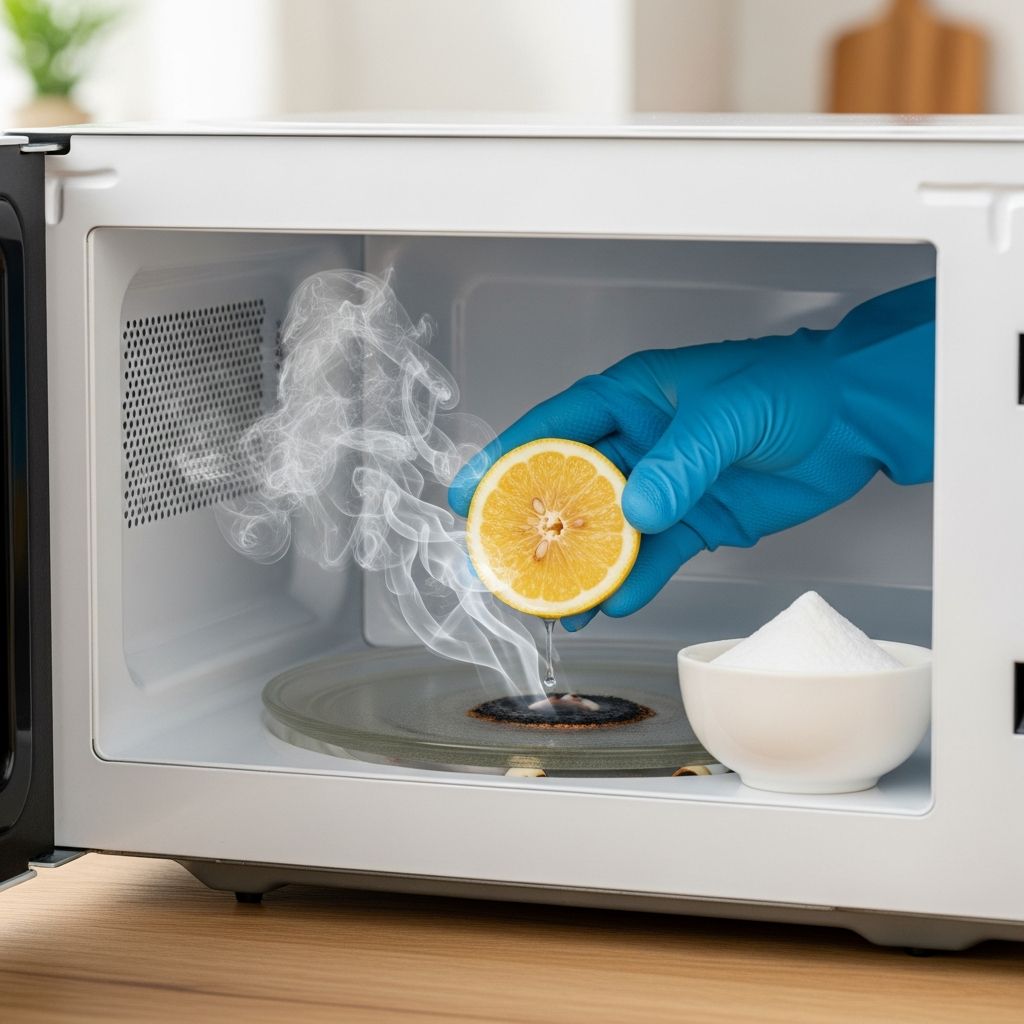
Eliminate Burnt Odors from Your Microwave: Complete Guide
Microwaves are kitchen essentials, but burnt food like popcorn, forgotten macaroni, or melted plastics can leave behind stubborn odors that permeate the appliance and even your home. These smells arise from charred residues that release volatile compounds, making every subsequent use unpleasant. Fortunately, simple household items can neutralize these odors through steam cleaning, absorption, and wiping techniques. This guide provides detailed, safe methods to restore your microwave, drawing on proven approaches from appliance experts.
Understanding Microwave Odors and Why They Persist
Burnt smells in microwaves stem from high-heat incidents where food or containers carbonize, embedding smoky particles into surfaces. Unlike surface dirt, these odors cling to porous interiors, reactivated by heat during normal operation. Regular maintenance prevents escalation, but immediate action limits spread. Appliance manufacturers emphasize ventilation and prompt cleaning to avoid health risks from inhaling degraded compounds over time.
Key factors prolonging odors include poor airflow in compact models and infrequent deep cleans. Stainless steel interiors resist stains better than painted ones, but all require non-abrasive care to prevent scratches that trap residues.
Essential Supplies for Microwave Deodorizing
Gather these common pantry staples and tools before starting—no harsh chemicals needed:
- Microwave-safe bowls or cups: Glass or ceramic to hold mixtures.
- Water: Distilled preferred to minimize mineral spots.
- White vinegar or lemon juice: Natural acids that break down grease and neutralize smells.
- Baking soda: Absorbs odors and loosens grime.
- Dish soap: Mild, grease-cutting formula.
- Cleaning tools: Microfiber cloths, non-abrasive sponges, paper towels.
- Oven mitts: For safely handling hot bowls.
These items are safe for all microwave types, including those with enamel or stainless finishes.
Step-by-Step Cleaning Process
Preparation: Initial Wipe-Down
Begin by unplugging the microwave for safety. Remove the turntable, glass plate, and any rollers. Dampen a cloth with warm water and wipe visible crumbs, splatters, and spills, especially from the ceiling where residues accumulate. For greasy spots, add a drop of dish soap. This preliminary step prevents re-baking debris during steaming. Rinse removable parts in the sink with hot soapy water.
Steam Loosening with Plain Water
Fill a microwave-safe bowl with 1 cup of water. Microwave on high for 3-5 minutes until vigorously steaming. Let sit for 10-15 minutes—the condensation softens hardened grime without scrubbing. This method alone resolves mild odors by hydrating surfaces.
After steeping, use a damp cloth to wipe interiors, following stainless steel grain if applicable. Rinse cloths frequently to avoid redistributing debris.
Enhanced Deodorizing with Vinegar Steam
For stronger burnt smells like popcorn or fish, amplify steam with vinegar. Combine 1 cup water and 1-2 tablespoons white vinegar (or 1 tablespoon plus lemon halves for citrus freshness). Microwave 2-5 minutes, then steep 5-15 minutes. The acetic acid dissolves fats and neutralizes alkaline smoke particles.
Caution: Vinegar fumes are potent—ventilate the kitchen. Wipe with the residual solution using a fresh cloth, targeting corners and seals. This step often eliminates 80-90% of odors in one go.
Lemon Alternative for Freshness
Prefer a citrus scent? Slice a lemon in half, squeeze juice into 1 cup water, and add peels. Heat 3-5 minutes and let steam 10 minutes. Citric acid cuts grease similarly to vinegar while leaving a pleasant aroma that fades naturally. Ideal for plastic-melt odors.
Absorbing Stubborn Lingering Smells
If odors persist post-steam, deploy absorbers. Place a bowl with 2-4 tablespoons baking soda mixed with water (or dry) inside the closed microwave overnight. Baking soda’s porous structure traps volatile molecules. Alternatively, use dry coffee grounds in an open container—its compounds bind odors effectively.
For house-wide smells, set out baking soda bowls near the microwave, open windows, and run exhaust fans. Avoid using the microwave during absorption.
| Method | Best For | Time Required | Ingredients |
|---|---|---|---|
| Water Steam | Mild grime | 20-30 min | Water only |
| Vinegar Steam | Popcorn/fish smells | 20-40 min | Vinegar + water |
| Lemon Steam | Plastic burns | 20-40 min | Lemon + water |
| Baking Soda Absorb | Lingering odors | Overnight | Baking soda |
Advanced Techniques for Tough Cases
Combine methods for extreme burns: Steam with vanilla extract added to vinegar (1 tablespoon) for dual neutralization—vanilla masks while vinegar cleans. For baked-on stains, form a baking soda paste (2 tablespoons soda + warm water), apply with a sponge, let sit 10 minutes, then wipe with hot water.
Never use metal scrubbers or ammonia, as they damage interiors and create hazardous fumes. Test pastes on small areas first.
Preventing Future Burnt Smells
- Cover foods with microwave-safe lids or wraps to contain splatters.
- Use only approved dishware—avoid plastics without ‘microwave-safe’ labels.
- Wipe spills immediately post-use.
- Leave door ajar 2-3 hours after cooking to air out.
- Schedule monthly deep cleans with steam methods.
These habits extend appliance life and maintain hygiene.
Safety Precautions During Cleaning
Always unplug before deep cleans. Use oven mitts for hot bowls—solutions boil rapidly. Ensure good ventilation to disperse fumes. For children or pets, secure the area. If odors suggest electrical issues (e.g., burning plastic repeatedly), consult a professional to check wiring.
Frequently Asked Questions (FAQs)
What causes the most common microwave burnt smells?
Burnt popcorn, melted plastics, overheated oils, and fish are top culprits due to rapid superheating.
How long does it take to remove a burnt smell?
Basic steam takes 20-40 minutes; stubborn cases need overnight absorption.
Is vinegar safe for all microwaves?
Yes, diluted vinegar is non-corrosive, but rinse thoroughly and avoid undiluted application.
Can coffee grounds really deodorize?
Yes, their oils absorb odors overnight, similar to baking soda.
What if the smell returns after cleaning?
Repeat steaming and check for hidden residues under seals or in vents.
Long-Term Microwave Maintenance Tips
Beyond odor removal, rotate turntables regularly, sanitize sponges post-use, and inspect seals for cracks. These steps ensure efficiency and safety, preventing energy waste from soiled interiors.
References
- How to Get Burnt Smells Out of Your Microwave & Home — Maytag. 2023-10-15. https://www.maytag.com/blog/kitchen/how-to-get-burnt-smell-out-of-microwave.html
- How to Get Burnt Smells Out of a Microwave — KitchenAid. 2024-05-20. https://www.kitchenaid.com/pinch-of-help/major-appliances/how-to-get-burnt-smell-out-of-microwave.html
- How to Get Rid of the Burnt Smell from your Microwave — YouTube (Video Transcript). 2022-08-10. https://www.youtube.com/watch?v=-rq3tQDCAyo
- How to Clean a Microwave with Baking Soda — ARM & HAMMER. 2023-12-05. https://www.armandhammer.com/en/articles/how-to-clean-microwave-with-baking-soda
Similar Articles


Read full bio of Sneha Tete