Can You Remove Dents with a Plunger and Hot Water?
Learn whether the popular DIY plunger and hot water method actually works for car dent removal.
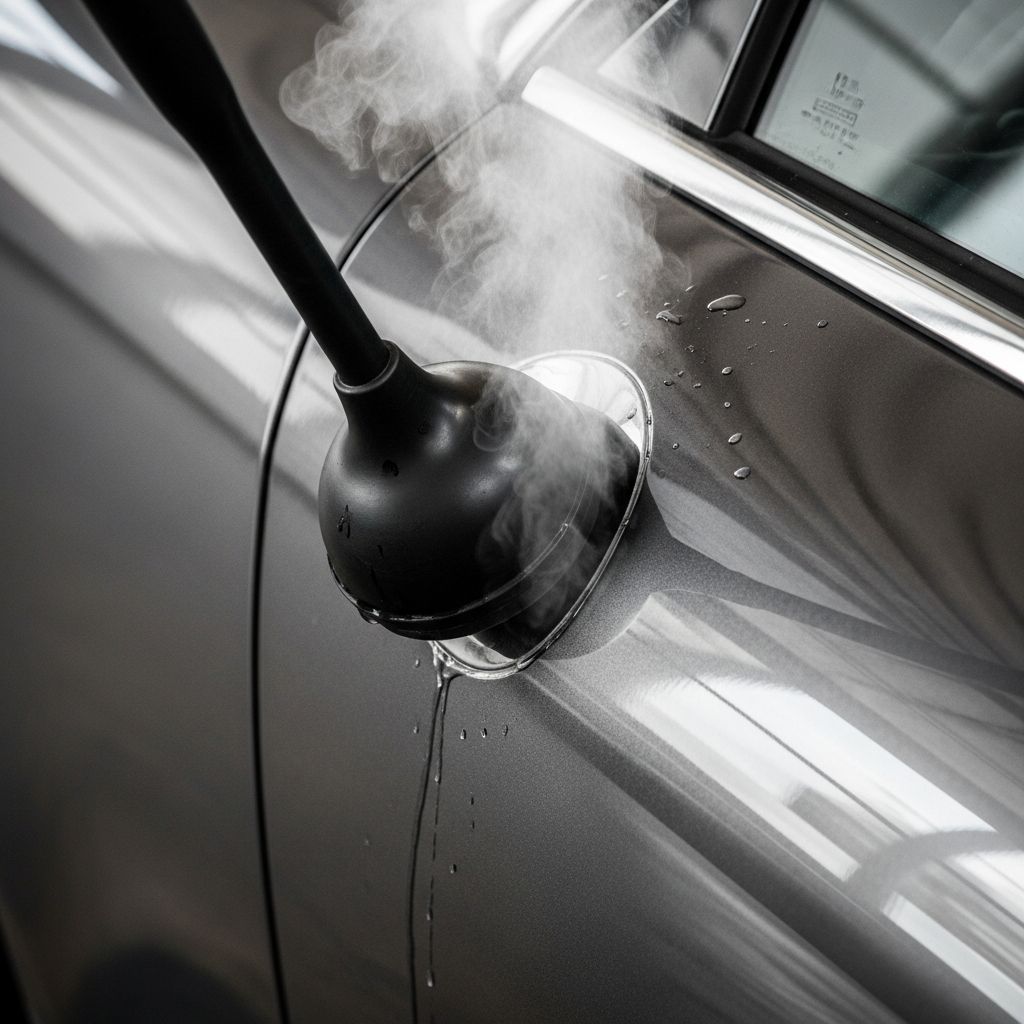
The idea of fixing car dents using household items like a plunger and hot water has circulated online for years, promising a quick and inexpensive solution to one of the most common vehicle maintenance issues. Many car owners have heard this tip from friends, seen it on social media, or watched viral videos demonstrating the technique. But does this popular DIY method actually work? The answer is more nuanced than a simple yes or no. While the plunger and hot water combination can be effective in certain specific situations, it has significant limitations and potential drawbacks that every car owner should understand before attempting this repair.
Understanding the Plunger and Hot Water Method
The plunger and hot water method is based on a straightforward principle: heat makes materials more pliable. When you pour hot water over a dented area, the heat theoretically softens the material, making it easier to manipulate back into its original shape. The plunger then acts as a suction device to pull the dent outward. This combination supposedly creates the ideal conditions for popping out minor dents without requiring expensive professional repair equipment or services.
The process typically involves three main steps: heating the dented area with hot or boiling water, using a cup-style plunger to create suction and pull the dent, and then rapidly cooling the area to lock the material back into its new shape. Proponents of this method claim it works quickly and costs almost nothing, making it an attractive option for budget-conscious vehicle owners dealing with minor damage.
When This Method Actually Works
The plunger and hot water technique is most effective on plastic bumper covers and panels rather than on metal body panels. Plastic becomes more flexible when heated, which allows the material to be reshaped more easily. If you have a shallow dent on a plastic bumper that is relatively broad and flat, this method may provide satisfactory results. The key requirements for success include:
- A shallow dent rather than a deep crease or sharp dent
- A broad, flat surface where the plunger can create adequate suction
- A dent on a plastic component rather than metal
- Access to the backside of the dent, either for pushing from behind or to ensure the plunger sits properly
- Moderate climate conditions rather than extremely cold or hot weather
When these conditions align, some car owners have reported modest success with this DIY approach. However, even under ideal circumstances, complete dent removal is not guaranteed, and results can vary significantly based on factors like dent age, material composition, and the force applied.
Significant Limitations and Why It Often Fails
Despite its popularity, the plunger and hot water method has several substantial limitations that prevent it from being a reliable solution for most car dents. First and foremost, this technique is not effective on metal body panels, which comprise the majority of most vehicles’ exterior surfaces. Metal doesn’t become plastic and flexible when heated like plastic does, so the logic behind the method simply doesn’t apply to metal dents.
Additionally, the method struggles with certain types of dents. Sharp creases, dents along body lines, and very small dings rarely respond to plunger treatment, regardless of the water temperature. The plunger requires sufficient flat surface area to create proper suction, and many dents don’t provide this geometry. Furthermore, dents located near edges, corners, or curved surfaces are difficult to access with a plunger.
Perhaps most concerning is the potential for damage. Using boiling water on a cold day can cause your vehicle’s clear coat to expand rapidly from the heat and then contract quickly in the cold, potentially damaging or weakening the protective layer. This damage may not be immediately visible but can lead to future problems like rust, paint peeling, or accelerated deterioration of the clear coat.
The Clear Coat Risk Factor
One of the most overlooked dangers of the plunger and hot water method is the risk to your vehicle’s clear coat, the transparent protective layer applied over your car’s paint. The clear coat plays a crucial role in protecting your paint from UV rays, oxidation, and environmental contaminants. When you subject your vehicle to rapid temperature changes—from boiling water to cold air—the clear coat can absorb the temperature change and expand or contract too quickly.
This thermal stress can create microscopic cracks or weakening in the clear coat that may not be immediately apparent but can develop into serious paint problems over time. Once the clear coat integrity is compromised, rust and oxidation can begin beneath the surface, potentially requiring expensive professional repainting to fully remedy. The risk is particularly high if you attempt this method during cold weather or if there’s a significant temperature differential between the boiling water and the ambient air temperature.
Alternative DIY Dent Removal Methods
If the plunger and hot water approach doesn’t appeal to you or doesn’t seem suitable for your vehicle’s dent, several other DIY methods may be worth considering. Each has its own set of advantages and limitations, and some may be more effective than others depending on your specific situation.
Hair Dryer and Compressed Air Method
This technique uses a household hair dryer to gently heat the dent, followed by a rapid cooling application of compressed air (such as the canned air used to clean computer keyboards). The theory is that the sudden temperature change will cause the dent to pop back out. However, this method is generally less aggressive than the boiling water approach and may work only on very small dings. Results are inconsistent, and many users report limited success with this technique.
Heat Gun Approach
A heat gun provides more controlled heating than boiling water and allows you to direct warmth precisely to the dented area. Once the plastic is warm and pliable, you can apply steady pressure from behind to gradually reshape it. This method offers more control than boiling water but requires caution to avoid overheating and damaging the paint or plastic. Heat guns reach very high temperatures, so proper safety precautions are essential.
Manual Pushing from Behind
If you have access to the underside of a dent, sometimes gentle but persistent manual pressure applied from behind can gradually work a dent out. This method works best on plastic bumpers and panels where you can safely access the backside. Combine this with gentle heating from a heat gun or hair dryer for potentially better results. Patience is essential with this approach, as forcing too much pressure too quickly can create new damage.
When to Call a Professional
For many car owners, professional dent repair is the most reliable and safest option, especially for dents on visible metal body panels. Professional technicians have access to specialized equipment like dent pullers, pneumatic tools, and specialized training that allows them to remove dents effectively without damaging the paint or clear coat. Professional repair costs vary based on dent size, location, and severity, typically ranging from modest amounts for small dings to several hundred dollars for major dents.
You should consider professional repair if you have a dent on a metal panel, if the dent is large or deep, if the dent is located in a difficult-to-access area, if you’re concerned about paint damage, or if DIY methods have already been attempted without satisfactory results. Additionally, if the dent is on a leased vehicle or a car still under warranty, attempting DIY repairs could void coverage.
Essential Precautions for Any DIY Dent Removal
If you decide to attempt any DIY dent removal method, several important safety and effectiveness precautions should be observed:
- Always wear appropriate protective gear, including gloves when working with hot water or heat guns
- Avoid attempting this on extremely cold days when the rapid temperature change poses the greatest risk to your clear coat
- Test the method on an inconspicuous area first, if possible, or be prepared for the possibility that it may not work or could cause minor damage
- Never apply excessive force, as this can create new dents or bulges
- Allow the area to cool naturally rather than forcing rapid cooling, which increases clear coat stress
- Apply heat gradually and evenly across the dented area rather than concentrating intense heat in one spot
- Be aware that partial success is common; complete dent elimination may not be achievable with DIY methods
Frequently Asked Questions
Q: Does the plunger and hot water method work on all types of dents?
A: No, this method works best only on shallow, broad dents on plastic components. It is ineffective on metal panels, sharp creases, or small dings where the plunger cannot create adequate suction.
Q: Can boiling water damage my car’s paint?
A: Yes, boiling water can potentially damage your clear coat, especially on cold days. The rapid temperature change can cause the clear coat to expand and contract too quickly, leading to cracks or weakening that may result in future paint problems.
Q: What type of plunger should I use?
A: Use a standard cup-style toilet plunger that is clean. The cup shape creates the suction needed to pull the dent. Make sure the plunger is wet and can form a good seal with the vehicle’s surface.
Q: Is it better to use hot water or boiling water?
A: Hot water from a kettle or hose is usually sufficient and safer than boiling water. Boiling water increases the risk of clear coat damage due to the greater temperature differential, especially in cold weather.
Q: What should I do if the plunger method doesn’t work?
A: If DIY methods fail, consider professional dent repair. Professional technicians have specialized equipment and training to remove dents effectively without risking damage to your vehicle’s finish.
Q: Can I use a heat gun instead of boiling water?
A: Yes, a heat gun can be an effective alternative that provides more controlled heating and less risk to your clear coat. Hold it 8-12 inches away and sweep it back and forth slowly across the dent.
Q: Is DIY dent removal safe for leased vehicles?
A: Generally, no. Attempting DIY repairs on leased vehicles could violate lease terms and potentially void warranties. Contact your leasing company or dealer for approved repair options.
Conclusion
The plunger and hot water method represents a tempting quick fix for car dents, but the reality is more complex than the viral videos suggest. While this technique can occasionally produce modest results on plastic bumper covers under ideal conditions, it is unreliable for most dents and carries risks including clear coat damage. For metal body panel dents—which comprise most of your vehicle’s exterior—this method simply doesn’t work. Before attempting this or any DIY dent removal technique, carefully assess whether your dent meets the specific criteria for success, consider the potential risks, and weigh the cost of professional repair against the possibility of causing additional damage. In many cases, professional dent repair is the safer, more effective choice that will preserve your vehicle’s appearance and value in the long term.
References
- How to Fix Bumper Dents with Hot Water and Other DIY Methods — Premier Coach Auto Collision. 2024. https://premiercoachautocollision.com/how-to-fix-bumper-dents-with-hot-water-and-other-diy-methods/
- Car Dent Repair With Hot Water And Toilet Plunger DIY — YouTube. 2015. https://www.youtube.com/watch?v=TybNUHyDAI4
- Using Boiling Water and a Plunger to Remove Car Dents — Ratchets And Wrenches, YouTube. 2017. https://www.youtube.com/watch?v=Vzo4aJuahJ4
Similar Articles



Read full bio of medha deb