How To Remove Gorilla Glue From Skin: Safe Step-By-Step Guide
Complete guide to safely remove dried Gorilla Glue using household items and proven techniques.
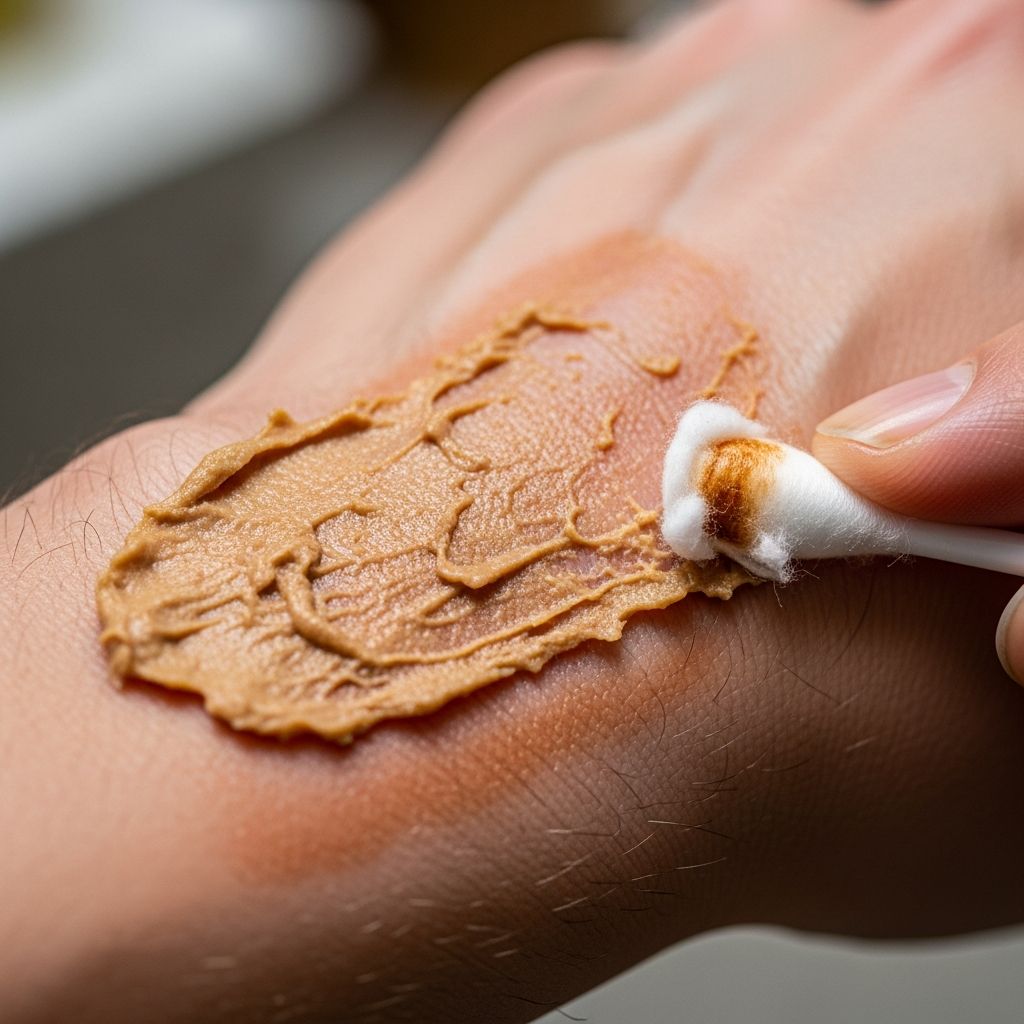
Understanding Gorilla Glue and Skin Adhesion
Gorilla Glue is renowned for its exceptional bonding strength, making it a staple in workshops, craft rooms, and home improvement projects. However, when this powerful adhesive comes into contact with your skin, it presents a genuine challenge. The chemical composition of Gorilla Glue allows it to cure rapidly, forming an extremely tight bond that can feel permanent within minutes. Understanding how this glue works will help you select the most appropriate removal strategy for your specific situation.
The severity of your removal challenge depends on several critical factors. Fresh, wet Gorilla Glue that hasn’t begun curing can often be wiped away relatively easily with basic cleaning methods. Conversely, fully cured glue becomes exponentially more difficult to remove, requiring more aggressive intervention. The duration the glue has been in contact with your skin, the surface area affected, and your skin’s sensitivity all influence which removal method will work best for you.
Gentle Household Approaches for Initial Treatment
When you first discover Gorilla Glue on your skin, your initial response should focus on preventing further bonding and using the gentlest effective methods. These preliminary approaches avoid harsh chemicals and rely on items commonly found in most homes.
Natural Oils: Your First Line of Defense
Natural oils represent one of the safest and most effective starting points for Gorilla Glue removal. The molecular structure of various cooking and cosmetic oils allows them to penetrate between the glue and your skin, gradually breaking the adhesive bond without causing irritation or damage to healthy skin tissue. Oils work through a process of molecular displacement rather than chemical dissolution, making them exceptionally gentle while still being remarkably effective.
Excellent oil options include olive oil, coconut oil, vegetable oil, mineral oil, and baby oil. Begin by applying a small amount directly to the affected area and allow it to sit for approximately five to ten minutes. The waiting period is essential—it gives the oil adequate time to seep into the adhesive and weaken its grip. After this initial soaking period, use a dry cloth or soft paper towel to gently rub the area using circular motions. This combination of oil penetration and gentle mechanical action helps lift the glue away from your skin gradually. Once you’ve removed as much glue as possible using this method, wash the treated area thoroughly with warm water and regular hand soap. You may need to repeat this process several times for particularly stubborn residue.
Warm Water and Soap Preparation
Beginning with a basic soak can significantly improve your removal success. Soak the affected hand or skin area in warm (not hot) soapy water for ten to fifteen minutes. This soaking action softens the glue’s grip on your skin and can dissolve some of the adhesive’s bonding properties. Dishwashing soap is particularly effective because it contains surfactants designed to break down stubborn substances. The combination of warmth and soap creates an environment where the glue’s molecular bonds begin to weaken, preparing it for additional treatment methods.
Kitchen and Bathroom Remedies for Moderate Cases
Beyond basic oils and water, your kitchen and bathroom cabinets contain several substances with mild chemical properties that can help dissolve dried Gorilla Glue without harsh solvents.
Acidic Solutions and Baking Soda
Lemon juice contains natural acids that can gradually break down the glue’s adhesive properties. Apply fresh lemon juice directly to the affected area and allow it to sit for approximately five minutes before gently attempting to remove the glue. The slight acidity works to dissolve the bond without the corrosive effects of stronger chemical solvents. If you’re concerned about the acidity irritating any cuts or sensitive areas, this method may not be ideal for your situation.
Alternatively, create a paste using baking soda and a small amount of water. This paste acts as a gentle abrasive combined with a mild alkaline substance that can help weaken the glue’s grip. Apply the paste to the affected area, let it set for several minutes, then gently rub with a soft cloth. Baking soda is particularly advantageous because it’s non-toxic and unlikely to cause skin irritation for most people.
Progressive Treatment Methods for Persistent Adhesive
When initial gentle approaches haven’t completely resolved the problem, you’ll need to progress to more powerful solutions while still prioritizing skin safety.
The Oil and Abrasion Combination Technique
This method combines chemical and mechanical approaches for enhanced effectiveness. First, apply natural oil (olive, coconut, or vegetable oil) to the glued area and allow it to penetrate for five to ten minutes. The oil weakens the glue’s molecular structure. Next, use a dry cloth or paper towel to gently rub the area with circular motions, allowing the oil to seep deeper into the adhesive. Gradually increase your rubbing intensity, but always remain careful to avoid damaging your skin. Finish by washing the area thoroughly with warm water and soap. This multi-step approach often succeeds where single-method treatments fail because it attacks the adhesive from multiple angles simultaneously.
Acetone-Based Removal for Stubborn Cases
When milder approaches prove insufficient, acetone becomes a powerful tool for breaking down dried Gorilla Glue. Acetone is readily available in most homes as a primary ingredient in nail polish removers. This solvent chemically dissolves the glue’s bonding structure more effectively than gentler options.
To use acetone safely, soak a cotton ball in acetone or nail polish remover and apply it directly to the glued area. Allow the acetone to remain in contact with the glue for several minutes, giving it time to break down the adhesive bonds. Gently wipe away the softened glue using another cotton ball or a dry cloth. Important caution: acetone is highly drying and can irritate sensitive skin, so use it judiciously and immediately follow treatment with thorough hand washing and moisturizing. Avoid using acetone on broken skin or areas with cuts, as this can cause significant discomfort and potential complications.
Addressing Residual Glue with Exfoliation
After successfully removing the bulk of the adhesive, small stubborn flecks and residue often remain embedded in the outer layers of your skin. Gentle exfoliation can effectively address these remaining particles.
Pumice Stone and Emery Board Techniques
Begin by soaking your affected hand in warm, soapy water for approximately ten minutes. This soaking softens both your skin and any remaining glue particles. Using a pumice stone or nail emery board, very gently buff the bonded area with light circular motions. The key word here is “gently”—excessive pressure can damage healthy skin tissue and cause irritation. The gritty texture of these tools helps dislodge stubborn glue particles without causing harm when used with appropriate restraint. For particularly small spots on your fingertips, a soft nail brush can prove equally effective with minimal risk of skin damage.
Professional-Grade Adhesive Removal Solutions
When all standard approaches have been exhausted, specialized commercial products designed specifically for adhesive removal may provide your solution.
Commercial Adhesive Removers
Products like Goo Gone and similar commercial adhesive removers are specifically formulated to break down stubborn adhesives that resist standard solvents and household methods. These products contain more potent chemical agents than those found in typical household items. Always read and follow the manufacturer’s instructions carefully, use the product in a well-ventilated area to avoid inhaling fumes, and test on a small, inconspicuous area of skin first to ensure you don’t experience adverse reactions. Some individuals may have sensitivity to these specialized products, so patch testing is a sensible precaution before applying them to larger affected areas.
Paint Thinner and Other Strong Solvents
Paint thinner represents another option for extremely stubborn cases, though it should only be considered as a last resort. These products are quite harsh and can cause significant skin irritation or damage if used improperly. If you decide to use paint thinner, apply it sparingly, ensure excellent ventilation, use it only on tough residual spots, and immediately wash the area thoroughly afterward. The risks associated with these products make them suitable only when nothing else has worked.
Prevention Strategies for Future Incidents
Preventing Gorilla Glue from contacting your skin in the first place is infinitely preferable to dealing with removal afterward. Implement these protective measures during any project involving powerful adhesives:
- Wear protective gloves rated for chemical resistance when working with super glues and construction adhesives
- Keep paper towels or clean rags readily accessible to wipe away any accidental contact immediately
- Work in well-ventilated areas to minimize inhaling adhesive fumes
- Read all product warnings and instructions before beginning your project
- Keep acetone or specialized adhesive removers nearby before you begin gluing
- Work slowly and deliberately rather than rushing, which increases accident likelihood
- Wash your hands immediately after completing your project, even if you don’t see visible glue
Safety Considerations Throughout the Removal Process
Your skin’s health and safety should always remain your top priority when dealing with adhesive removal. Never use removal methods that could cause serious damage. Avoid scraping aggressively with sharp objects, as this can cause bleeding and permanent scarring. Do not apply chemicals to open wounds or significantly irritated skin areas. If you experience severe allergic reactions, persistent irritation, or signs of chemical burns, discontinue the removal process and seek medical attention. For individuals with sensitive skin conditions like eczema or psoriasis, test any removal method on a small area first and proceed cautiously with stronger solvents.
Frequently Asked Questions
Q: How long does it typically take to remove dried Gorilla Glue from skin?
A: The timeframe varies significantly depending on the glue’s age and the removal method used. Fresh glue might come off within minutes using oils, while fully cured glue may require multiple treatment sessions spanning hours or even days of periodic application and gentle removal.
Q: Is it dangerous if I can’t remove the Gorilla Glue completely?
A: While uncomfortable, small amounts of residual glue pose minimal danger. Your skin naturally sheds dead cells, so remaining glue particles will eventually disappear as your skin renews itself. However, continue gentle removal efforts to prevent the glue from pulling on your skin as you move.
Q: Can I use hot water instead of warm water for soaking?
A: Hot water may soften the glue more effectively, but it can also irritate your skin and cause discomfort. Warm water provides an effective balance—hot enough to soften the adhesive without risking thermal burns to your skin tissue.
Q: What should I do if acetone causes skin irritation?
A: Stop using acetone immediately and rinse the area thoroughly with cool water. Apply a gentle moisturizer to restore hydration. If irritation persists beyond a few hours, consult a healthcare professional. Consider switching to gentler removal methods like oils or commercial adhesive removers.
Q: Are there any skin types that shouldn’t use certain removal methods?
A: People with sensitive skin, active cuts, or conditions like eczema should avoid harsh solvents and abrasive tools. Start with the gentlest methods like oils and warm water, and progress to stronger options only if absolutely necessary. Always patch test before applying any new substance to large skin areas.
Q: How can I prevent Gorilla Glue from bonding to my skin in the first place?
A: Wear chemical-resistant gloves during any project involving super adhesives, keep paper towels nearby for immediate cleanup, work slowly to avoid accidents, and wash your hands promptly after completing your work. Prevention is always easier than removal.
Q: Should I moisturize my skin after removal?
A: Yes, absolutely. Most removal methods—especially acetone and solvents—significantly dry out your skin. Apply a quality moisturizer immediately after thorough washing to restore your skin’s natural oils and prevent irritation or flaking.
References
- How to Get Gorilla Glue Off Hands with Safe Removal Methods — Benchmark Abrasives. 2025. https://benchmarkabrasives.com/blogs/how-to-guides/how-to-get-gorilla-glue-off-hands
- Unstick the Mess: Removing Gorilla Glue from Skin | DIY Guide — YouTube. Accessed January 2026. https://www.youtube.com/watch?v=-goGx_oiIn4
- How to Remove Gorilla Glue from Hands — YouTube. Accessed January 2026. https://www.youtube.com/watch?v=CoNOAlIFCBQ
- Removing Gorilla Glue From My Hands — The Hobby-Machinist Forum. https://www.hobby-machinist.com/threads/removing-gorilla-glue-from-my-hands.35400/
Similar Articles



Read full bio of Sneha Tete