Eliminate Grease Stains From Upholstery: Step-By-Step Guide
Discover effective, step-by-step methods to banish grease stains from your sofa and furniture using household items and safe techniques.
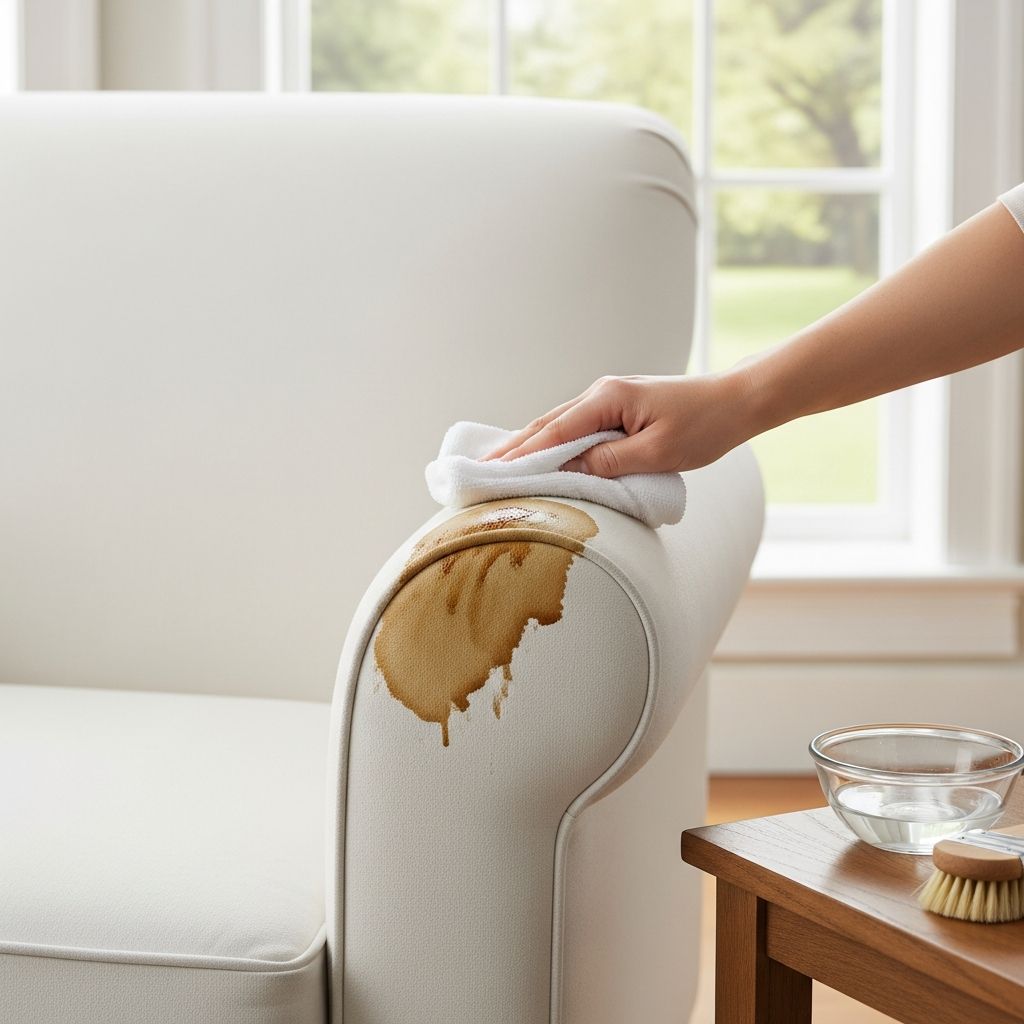
Eliminate Grease Stains from Upholstery
Grease stains on sofas and chairs pose a unique challenge because oil-based substances resist water and embed deeply into fabric fibers. Quick action prevents them from setting permanently, restoring your furniture’s appearance with simple tools.
Why Grease Stains Are Tough to Remove
Oil and grease repel water, bonding to upholstery threads and attracting dirt over time. Unlike spills like coffee, they require absorbents or solvents to lift residues effectively. Delaying treatment allows penetration into backing materials, complicating cleanup.
Factors influencing stain difficulty include fabric type, grease age, and amount. Fresh stains respond best to immediate blotting, while set-in marks demand layered approaches combining absorption and emulsification.
Essential Preparations Before Cleaning
Always inspect your upholstery’s care label first. Codes like ‘W’ indicate water-based cleaners, ‘S’ solvent-based, and ‘SW’ both options. Test solutions on hidden areas to avoid discoloration.
- Gather supplies: clean cloths, paper towels, baking soda or cornstarch, dish soap, white vinegar, dry-cleaning solvent, vacuum with brush attachment.
- Work in a ventilated space, especially with solvents.
- Avoid heat sources like irons until stains lift fully, as warmth sets oils.
Step-by-Step Guide to Fresh Grease Removal
For new spills, prioritize absorption to minimize spread.
- Blot Excess Immediately: Press a dry cloth or paper towel firmly without rubbing to soak up surface oil. Replace towels as they saturate.
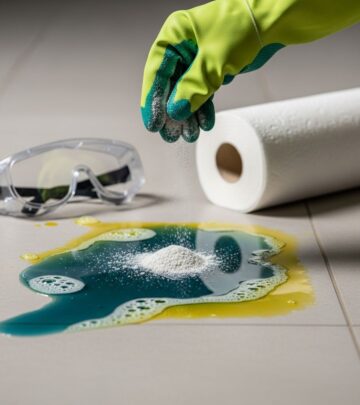
- Apply Absorbent Powder: Cover with baking soda, cornstarch, or baby powder. Let sit 15-30 minutes (or overnight for heavy spots) to draw out grease.
- Vacuum Residue: Use a brush attachment to remove powder gently, repeating if grease persists.
Advanced Techniques for Stubborn Stains
Dish Soap Emulsification Method
Dish soaps with grease-cutters like Dawn break down oils effectively on water-safe fabrics.
- Mix 1 tsp dish soap in 1 cup warm water.
- Dip a microfiber cloth, blot from edges inward.
- Rinse with damp cloth, then dry blot. Repeat as needed.
Solvent-Based Approach for ‘S’ or ‘SW’ Fabrics
Dry-cleaning solvents dissolve oils without water.
- Apply sparingly to cloth, blot stain.
- Follow with detergent if residue lingers.
- Pre-test and ventilate well.
Vinegar Rinse for Lingering Odors
For final traces on colorfast fabrics:
- Combine equal parts white vinegar and water.
- Dab lightly, sit 5-10 minutes, blot dry.
Comparing Popular Household Methods
| Method | Best For | Pros | Cons | Sources |
|---|---|---|---|---|
| Baking Soda Absorption | Fresh stains | Cheap, safe, no residue | Slower for set-in oils | |
| Dish Soap Solution | ‘W’ fabrics | Cuts grease fast | May need rinsing | |
| Dry-Cleaning Solvent | ‘S’ fabrics | Powerful on oils | Fumes, test required | |
| Baby Powder | Quick absorption | Readily available | Messy to vacuum | |
| Vinegar Mix | Final rinse | Deodorizes | Acid-sensitive fabrics |
Fabric-Specific Cleaning Strategies
Cotton and Polyester Blends
These durable fabrics handle water-based methods well. Use dish soap freely after absorption.
Velvet and Microfiber
Brush lightly with suede brush post-powder. Avoid excess moisture to prevent matting.
Leather or Vinyl
Wipe with mild soap; skip powders. Condition after cleaning.
Silk or Delicate Weaves
Professional service recommended to avoid damage.
Preventing Future Grease Mishaps
- Apply fabric protector sprays post-cleaning to repel oils.
- Use tray tables for snacks.
- Vacuum weekly; spot-clean promptly.
- Choose performance fabrics for high-traffic areas.
Frequently Asked Questions
What if the stain returns after drying?
Repeat absorption and solvent steps. Over-drying can re-embed residues; ensure full removal first.
Is hydrogen peroxide safe for upholstery?
Use 3% solution sparingly on light fabrics after testing; it lifts remaining grease but may bleach colors.
Can I machine-wash removable covers?
Yes, if labeled machine-safe. Pre-treat stains and wash cold.
How do I handle pet grease stains?
Same methods, but add enzyme cleaners for odors.
When to call professionals?
For large areas, delicate fabrics, or persistent stains after DIY tries.
Common Pitfalls and How to Avoid Them
Rubbing spreads stains; always blot. Skipping tests risks fading. Oversaturating wets padding, fostering mold. Heat seals oils permanently—air dry only.
By following these methods, most grease stains lift effectively, extending upholstery life. Patience and proper sequencing yield professional results at home.
References
- How to Remove Grease Stains — Fiber-Seal. 2025-11-14. https://fiberseal.com/2025/11/14/how-to-remove-grease-stains/
- How to Remove Grease Stains from Your Sofa: Proven At-Home Solutions — Bellona USA. N/A. https://www.bellonausa.com/blogs/news/how-to-remove-grease-stains-from-your-sofa-proven-at-home-solutions
- How to Remove Grease Stains from Upholstery — COIT Spot Removal. N/A. https://spotremoval.coit.com/how-to-remove-grease-from-upholstery
- How to remove grease from upholstery — ServiceMaster Clean. N/A. https://www.servicemasterclean.co.uk/how-to-remove-grease-from-upholstery/
Similar Articles


Read full bio of medha deb