Erase Hard Water Stains from Glass with Vinegar
Discover effective vinegar-based methods to banish hard water stains from glass surfaces and keep them spotless longer.
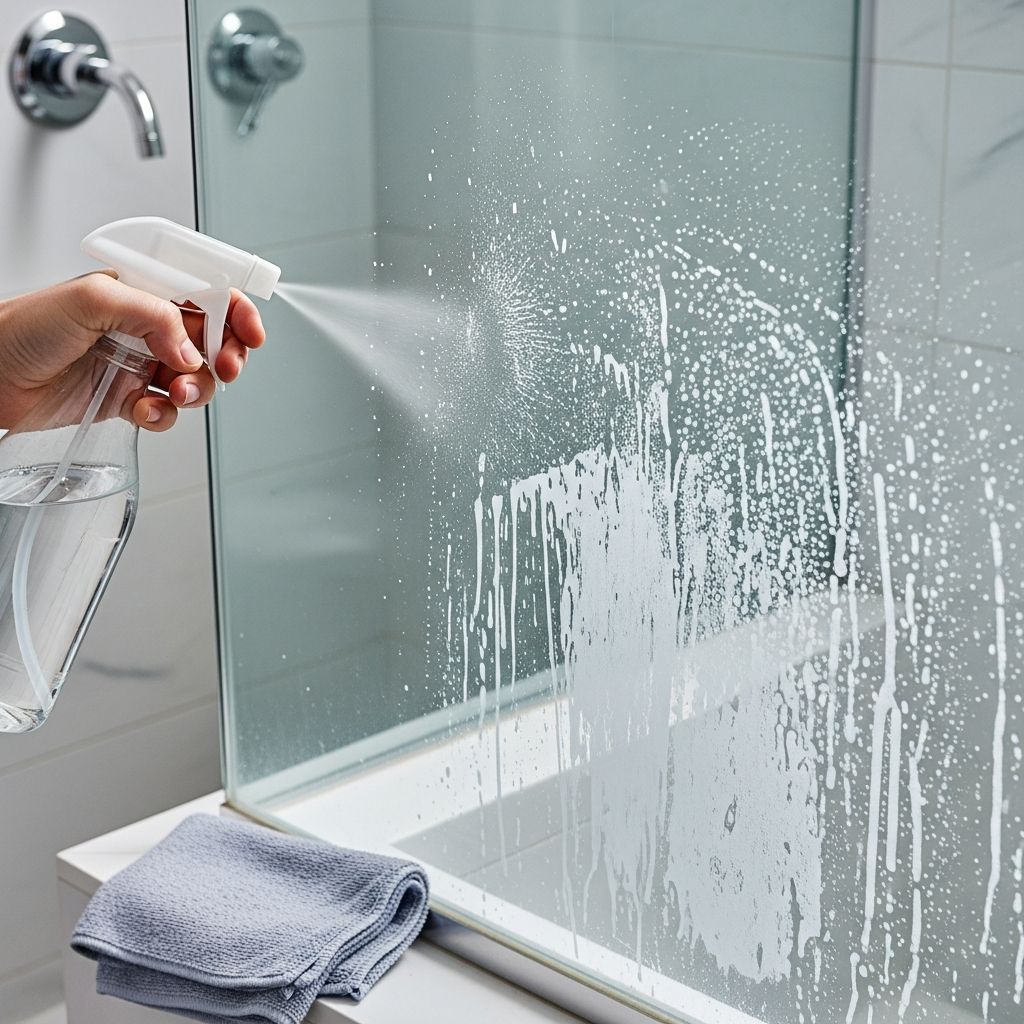
Hard water stains mar the beauty of glass surfaces, leaving cloudy deposits from minerals like calcium and magnesium. These buildups are common in areas with hard water, affecting shower doors, windows, and mirrors. Fortunately,
vinegar
offers a simple, acidic solution to dissolve these minerals effectively and safely.Understanding Hard Water Stains on Glass
Hard water contains high levels of dissolved minerals that leave white, chalky residues when water evaporates. On glass, these stains appear as spots, films, or etching that regular wiping can’t remove. According to water quality experts, vinegar’s acetic acid reacts with calcium carbonate in the deposits, breaking them down for easy removal.
Preventing recurrence involves drying surfaces promptly or using water softeners, which reduce mineral content by up to 99% in treated homes. Regular maintenance keeps glass pristine without constant deep cleans.
Why Vinegar Excels for Glass Cleaning
Vinegar stands out for its natural acidity (around 5% acetic acid), which targets mineral bonds without damaging glass. It’s non-toxic, inexpensive, and readily available. Unlike chemical cleaners, it evaporates cleanly, leaving no residue.
- Pros: Eco-friendly, safe for most glass types, multitasks on tiles and fixtures.
- Cons: Strong odor dissipates quickly; may need multiple applications for old stains.
Distilled white vinegar is ideal—avoid flavored varieties that might leave scents or colors.
Basic Vinegar Method for Everyday Stains
For light stains on shower glass or windows:
- Spray undiluted vinegar generously over the stained area.
- Let it sit 10-15 minutes to loosen minerals.
- Wipe with a soft microfiber cloth or non-abrasive sponge in circular motions.
- Rinse with warm water and dry immediately to prevent new spots.
This method restores clarity in minutes. For enhanced results, warm the vinegar slightly to boost reactivity.
Boosted Vinegar Paste for Stubborn Buildup
Tough stains require a thicker approach. Combine vinegar with abrasives for deeper cleaning.
Vinegar and Baking Soda Paste
Baking soda provides gentle abrasion to lift deposits after vinegar softens them.
- Mix 3 tablespoons baking soda with enough vinegar to form a paste.
- Apply to stains, let fizz for 5 minutes (chemical reaction aids breakdown).
- Scrub gently with a soft brush or cloth.
- Rinse thoroughly and dry.
Users report sparkling results on etched shower doors after one use.
Vinegar Soak with Paper Towels
Ideal for vertical glass like shower panels:
- Soak paper towels in vinegar.
- Press onto stains, securing with tape if needed; leave 20-30 minutes.
- Remove, scrub lightly, rinse, and dry.
This no-drip technique ensures even contact.
Surface-Specific Cleaning Strategies
Different glass areas demand tailored tactics.
Shower Doors and Enclosures
These collect the most buildup from constant moisture. Spray vinegar daily post-shower as prevention. For deep cleans, use the paper towel method followed by a squeegee.
Windows and Mirrors
Mix equal parts vinegar and water in a spray bottle. Add a drop of dish soap for streak-free shine. Buff with newspaper for polish without lint.
| Surface | Best Method | Time to Act | Tools Needed |
|---|---|---|---|
| Shower Glass | Vinegar Soak + Scrub | 20-30 min | Paper towels, soft brush |
| Windows | Spray + Wipe | 5-10 min | Microfiber cloth |
| Mirrors | Paste + Buff | 15 min | Newspaper |
Faucet Glass and Fixtures
Wrap vinegar-soaked cloths around chrome-trimmed glass edges. Avoid abrasives to protect finishes.
Advanced Techniques and Alternatives
When vinegar alone falls short:
- Hydrogen Peroxide Mix: Combine with baking soda for bleaching action on discolored glass.
- Lemon Juice: Natural acid alternative; citric power rivals vinegar.
- Power Tools: Attach glass-safe brushes to drills with baking soda slurry for speed.
Commercial options like specialized scrubs excel for no-rinse clarity but cost more.
Prevention Tips for Lasting Clarity
Stop stains before they form:
- Squeegee showers after each use.
- Apply rain-repellent sprays quarterly.
- Install showerhead filters to cut minerals.
- Consider whole-home softeners for comprehensive protection.
Softened water slashes scale by exchanging minerals for sodium, certified under NSF/ANSI 44 standards.
Safety and Common Mistakes to Avoid
Vinegar is safe but test on small areas first. Wear gloves for prolonged contact. Never mix with bleach—produces toxic gas. Ensure good ventilation.
Mistakes include skipping drying (traps moisture) or using abrasive pads (scratches glass).
Frequently Asked Questions
Can vinegar damage glass?
No, its mild acidity is safe for glass. Etched or frosted glass may need dilution.
How often should I clean?
Weekly for heavy use; daily sprays prevent buildup.
Does it work on etched stains?
Light etching yes; permanent damage requires professional refinishing.
What if vinegar fails?
Try commercial removers or softeners for root-cause fixes.
Is apple cider vinegar okay?
Use white for no residue; others may tint surfaces.
Long-Term Solutions Beyond Cleaning
For households with severe hard water, invest in filtration. Systems like salt-free conditioners alter mineral structure, preventing adhesion without maintenance hassles. Pair with regular vinegar routines for flawless glass year-round.
Experiment to find your perfect combo—vinegar’s versatility shines across scenarios.
References
- 5 Ways to Remove and Prevent Hard Water Stains — Aquasana. 2023. https://www.aquasana.com/info/how-to-remove-hard-water-stains-pd.html
- 3 EASY WAYS To Clean Hard Water Stains On Shower Glass Doors — Abbotts At Home (YouTube). 2024-11-02. https://www.youtube.com/watch?v=KJmqfgjfDRs
- Water Quality Standards: NSF/ANSI 44 — NSF International (.org, standards body). 2024. https://www.nsf.org/standards-development/standards-categories/water-softening
- Hard Water Effects on Household Surfaces — U.S. Geological Survey (.gov). 2022-05-15. https://www.usgs.gov/special-topics/water-science-school/science/hardness-water
Similar Articles




Read full bio of medha deb