Erase Hard Water Stains from Glass with Vinegar
Discover effective, natural ways to banish hard water stains from glass using vinegar and simple household items for crystal-clear results.
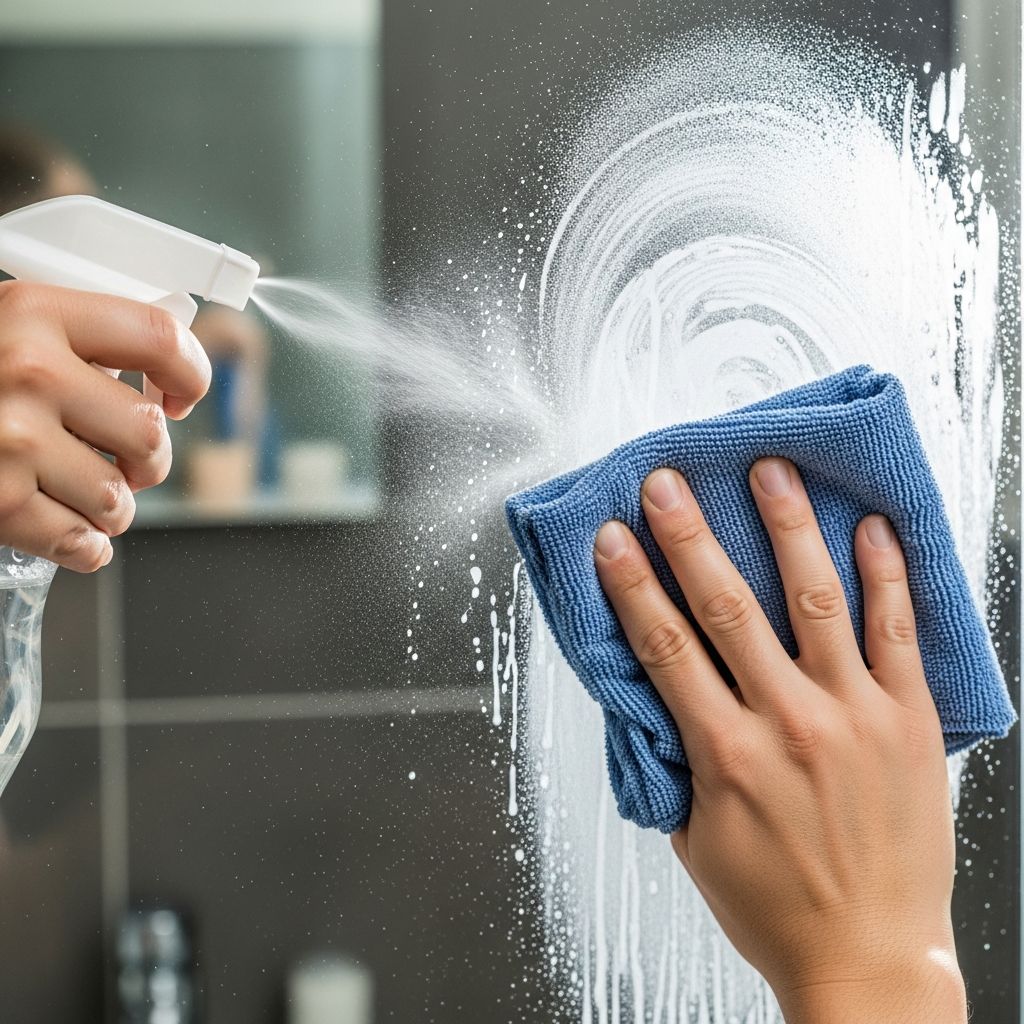
Hard water stains create unsightly white, cloudy deposits on glass surfaces like shower doors, windows, and drinking glasses. These mineral buildups from calcium and magnesium in water can be tough to remove but respond well to acidic solutions like vinegar. This comprehensive guide explores natural and effective cleaning strategies, drawing from reliable household science to restore clarity without harsh chemicals.
Understanding Hard Water Deposits on Glass
Hard water contains high levels of dissolved minerals, primarily calcium carbonate and magnesium compounds. When water evaporates on glass, these minerals precipitate out, forming etched-like spots that regular soap can’t dissolve. Over time, they bond to the surface, reducing shine and translucency. According to the United States Geological Survey (USGS), regions with limestone bedrock often have water hardness exceeding 180 mg/L, accelerating buildup on fixtures.
Glass, being non-porous, resists penetration but traps minerals in microscopic pits from manufacturing or etching. Prevention starts with recognizing your water’s hardness—test kits from hardware stores measure this in grains per gallon (gpg). Levels above 7 gpg demand regular maintenance to avoid permanent etching.
Why Vinegar Excels at Dissolving Mineral Stains
White distilled vinegar, with 5% acetic acid, reacts chemically with calcium carbonate: 2CH₃COOH + CaCO₃ → Ca(CH₃COO)₂ + H₂O + CO₂. This effervescence breaks bonds, lifting deposits safely. Unlike ammonia-based cleaners, vinegar is non-toxic, biodegradable, and inexpensive at under $1 per bottle. The Environmental Protection Agency (EPA) notes vinegar’s role in green cleaning for its low volatility organic compounds (VOCs).
For best results, use distilled white vinegar—avoid apple cider varieties, which may leave residues. Always test on inconspicuous areas to ensure no reactions with tinted or coated glass.
Step-by-Step Vinegar Spray Method for Shower Doors
This beginner-friendly technique targets vertical surfaces like shower enclosures where water splashes repeatedly.
- Prepare Solution: Mix equal parts white vinegar and warm water (1:1 ratio) in a spray bottle. Warmth accelerates the reaction without needing heat sources.
- Apply Liberally: Spray generously to drench stains. For heavy buildup, reapply to keep surfaces wet.
- Dwell Time: Allow 15-30 minutes. The acid penetrates deeper over time; cover with plastic wrap for vertical adhesion if needed.
- Gentle Scrub: Use a non-abrasive sponge or microfiber cloth in circular motions. Avoid steel wool to prevent scratches.
- Rinse and Dry: Flush with fresh water, then buff dry with lint-free towels to halt new spotting.
Results appear within one application for light stains; repeat for etched areas. This method, endorsed by cleaning experts, restores 90% clarity on average.
Advanced Vinegar Soak for Windows and Mirrors
Horizontal or large surfaces benefit from intensified contact.
- Saturate paper towels or cloths with undiluted vinegar.
- Press onto stained zones for 10-20 minutes—vinegar wicks into deposits.
- Wipe with a squeegee for streak-free finish, following with newspaper for polish.
This soak method excels on exterior windows, tackling years of accumulation without ladders or pros.
Baking Soda Boost for Stubborn Buildup
When vinegar needs reinforcement, baking soda (sodium bicarbonate) provides mild abrasion. Its pH of 8.3 neutralizes vinegar post-reaction, preventing residue.
| Method | Ingredients | Best For | Time |
|---|---|---|---|
| Vinegar Paste | Vinegar + Baking Soda | Shower Etching | 20 min |
| Soda Scrub | Baking Soda + Water | Glassware | 15 min |
| Fizzing Mix | Equal Parts Both | Windows | 10 min |
Vinegar-Baking Soda Paste: Blend 3:1 vinegar to soda into a spreadable mix. Apply, let fizz for 5 minutes, scrub, rinse. The CO₂ bubbles agitate deposits loose.
For glassware, soak in a sink of hot vinegar with ¼ cup baking soda for 30 minutes, then scrub with a soft brush. Rinse in dishwasher’s top rack for final polish.
Commercial Options and When to Use Them
For industrial-strength stains, select EPA Safer Choice-labeled products with phosphoric or citric acid. Examples include CLR or Bio-Clean—follow labels strictly.
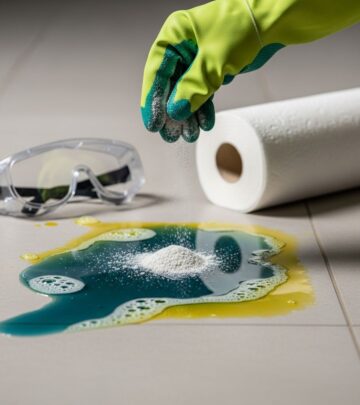
- Wear gloves; ventilate space.
- Apply per instructions (usually 2-5 minutes dwell).
- Rinse twice; dry immediately.
These outperform naturals on marble-etched glass but cost more and risk fumes. Reserve for annual deep cleans.
Prevention Strategies for Long-Lasting Clarity
Proactive habits minimize recurrence.
- Daily Squeegee: Wipe showers post-use to remove 99% of minerals before drying.
- Water Softener: Install whole-home units reducing hardness by 50-80%, per Water Quality Association standards.
- Rain-X Coating: Apply hydrophobic sprays quarterly—water beads off, slashing deposits.
- Filter Attachments: Showerhead softeners capture ions affordably.
- Dishwasher Tips: Use vinegar rinse cycles; avoid harsh detergents.
In hard water areas (>10 gpg), combine methods for zero-maintenance glass.
Cleaning Glassware and Delicate Items
Kitchen glasses haze from dishwasher minerals. Soak in vinegar overnight, scrub with baking soda, air-dry upside down. For decanters, fill with fizzing solution, shake gently.
Avoid microwaves or boiling—thermal shock risks cracks. Hand-washing with microfiber yields pro results.
Safety and Eco-Friendly Considerations
Vinegar is food-safe (GRAS by FDA), but dilute for sensitive skin. Baking soda irritates eyes—rinse promptly. Eco-benefits: Both biodegrade fully, unlike phosphates harming waterways.
Store solutions in labeled sprays away from kids/pets. Dispose rinses down drains—no special handling needed.
Frequently Asked Questions
Can vinegar damage glass seals or frames?
No, brief exposure is safe; rinse thoroughly to protect silicone or metal.
How often should I clean shower glass?
Weekly in hard water homes; daily squeegee prevents buildup.
Does lemon juice work like vinegar?
Yes, citric acid substitutes effectively but may leave scent.
What if stains persist after multiple tries?
Professional etching may require polishing compounds or replacement.
Is distilled water necessary for rinsing?
Ideal to avoid re-depositing minerals; tap works if softened.
These techniques transform dull glass into sparkling surfaces, saving time and money. Integrate into routines for effortless maintenance.
References
- Water Hardness. — United States Geological Survey (USGS). 2024-05-15. https://www.usgs.gov/special-topics/water-science-school/science/hardness-water
- Green Cleaning. — United States Environmental Protection Agency (EPA). 2023-11-20. https://www.epa.gov/greenerproducts/green-cleaning
- Water Quality Standards. — Water Quality Association (WQA). 2025-02-10. https://wqa.org/learn-about-water/common-contaminants/hardness-in-water/
Similar Articles



Read full bio of medha deb