How To Remove Ink Stains From Carpet: Professional Guide
Master the art of removing ink stains from carpet with expert techniques and household solutions.
How to Remove Ink Stains from Carpet
Ink stains on carpet can be one of the most frustrating household mishaps. Whether from a pen that leaked in your pocket, children’s markers left unattended, or a fountain pen accident, ink stains seem almost permanent once they’ve settled into carpet fibers. However, with the right approach and materials, you can successfully remove ink stains and restore your carpet to its original condition. This comprehensive guide will walk you through professional techniques for tackling ink stains of varying severity.
Understanding Ink Stains on Carpet
Before diving into removal techniques, it’s important to understand what you’re dealing with. Ink stains vary depending on their source—ballpoint pen ink, marker ink, fountain pen ink, and printer ink all have different chemical compositions. Fresher stains are generally easier to remove because the ink hasn’t had time to set deeply into the carpet fibers. Older, dried stains require more aggressive treatment and patience to fully lift from the carpet.
The type of carpet fiber also matters significantly. Natural fibers like wool may respond differently to cleaning solutions than synthetic fibers like polyester or nylon. Always test any cleaning solution on a hidden area of your carpet first to ensure it won’t cause discoloration or damage.
Materials You’ll Need
Having the right materials on hand before you start is essential for successful ink stain removal. Here’s what you should gather:
- Denatured alcohol (a powerful solvent for ink)
- Old toothbrush (for working the solution into fibers)
- Light-colored rags or cloths (to avoid transferring color)
- Clean paper towels
- Wet/dry vacuum (optional but highly recommended)
- Small bowl for mixing solutions
- Spray bottle (for applying solutions evenly)
The use of light-colored materials is crucial—dark or colored rags can transfer their dye to your carpet, creating additional staining problems. Choose white or cream-colored cloths exclusively for this task.
Removing Fresh Ink Stains
When you first discover an ink stain, immediate action can make all the difference. Fresh ink stains haven’t fully bonded to the carpet fibers, making them significantly easier to remove.
Step-by-Step Process for Fresh Stains
Blot Immediately: Take a light-colored rag and gently blot up as much of the fresh ink as possible. Press down firmly but avoid rubbing or scrubbing motions, which can push the ink deeper into the carpet and spread it to surrounding areas. Work from the outer edges of the stain toward the center to prevent the stain from expanding.
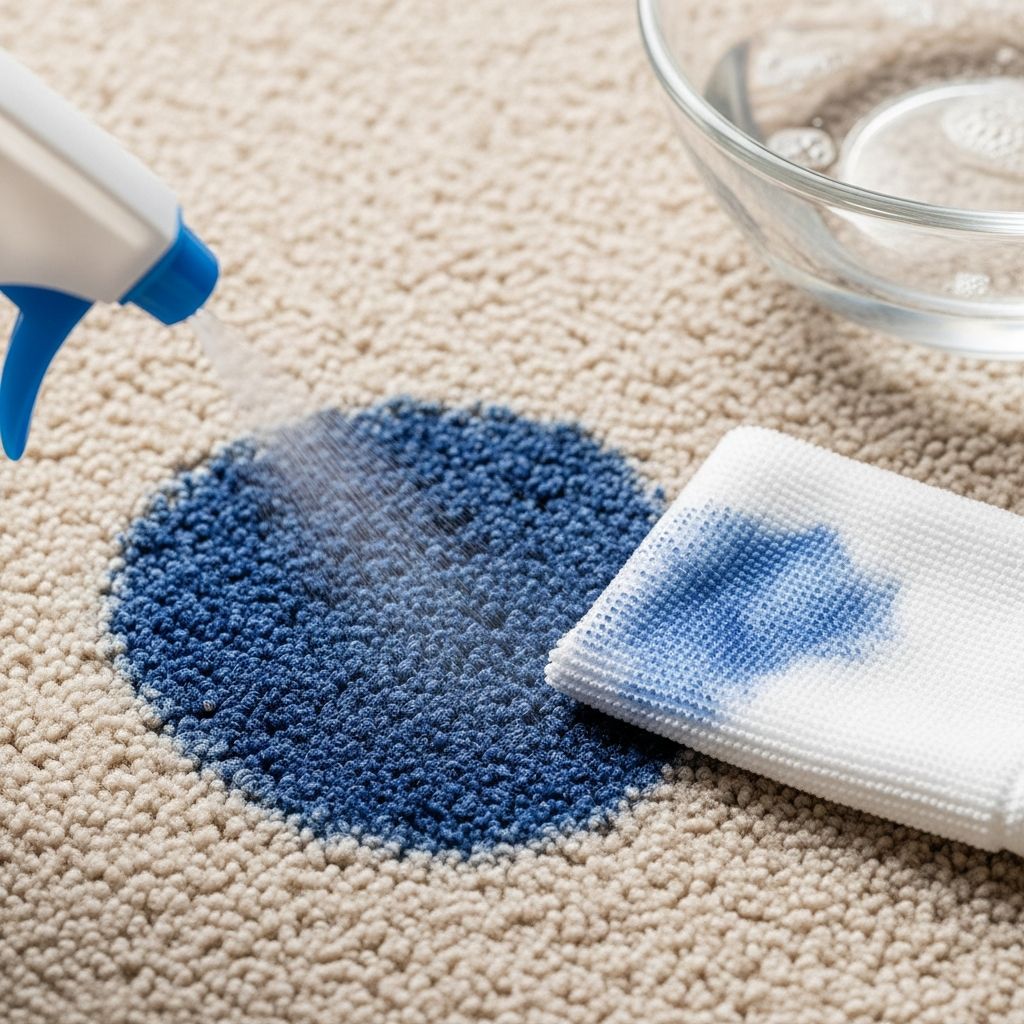
Apply Denatured Alcohol: Once you’ve removed the excess ink, it’s time to use denatured alcohol. This solvent is specifically effective at breaking down ink pigments. Pour a small amount directly onto the stain—enough to saturate the affected area and soak down approximately half an inch into the carpet. Don’t oversaturate, as excessive liquid can damage the carpet backing and padding.
Wait and Blot Again: Allow the alcohol to work on the stain for approximately one minute. This gives the solvent time to break down the ink molecules. Using a clean rag, blot the area again to lift the dissolved ink from the carpet. You’ll likely see the ink transferring to the rag, confirming that the treatment is working.
Repeat the Process: Fresh stains may require multiple applications. Simply repeat the alcohol application and blotting process until no more ink transfers to your rag. Most fresh stains respond well to this approach within two to four repetitions.
Treating Set-In Ink Stains
Older ink stains that have dried and set into the carpet require a more intensive approach. Dried stains are more challenging because the ink has had time to bond chemically with the carpet fibers.
Deep Treatment Method
Initial Soaking: For dry stains, begin by soaking the affected area with denatured alcohol. Use just enough to cover the stain thoroughly—about one to two ounces depending on the stain’s size. Allow the alcohol to soak into the carpet for five full minutes. This extended contact time is crucial for breaking down ink that has already set.
Gentle Massage with Toothbrush: If blotting alone doesn’t seem to be reaching all the ink-stained fibers, use an old toothbrush to gently massage the alcohol into the carpet. Work in small circular motions, being careful not to damage the carpet fibers. The bristles help work the solvent deeper into the pile and can reach ink particles that simple blotting might miss.
Extended Waiting Period: After brushing, allow the alcohol to sit for another five minutes. This gives the solvent additional time to dissolve the remaining ink particles.
Final Blotting: Use clean rags to blot up the alcohol and dissolved ink. You may notice that while significant ink removal has occurred, some faint coloring might remain. This is normal with older stains that have deeply penetrated the fibers.
Using a Wet/Dry Vacuum
A wet/dry vacuum can dramatically improve your results and speed up the cleaning process. This equipment is optional but highly recommended for persistent stains.
Vacuum Application: After treating the stain with alcohol and allowing it to sit, switch your wet/dry vacuum to the wet setting. Run the vacuum over the treated area to extract the alcohol and dissolved ink from deep within the carpet. The suction pulls out moisture and dissolved stain particles that manual blotting might leave behind.
Multiple Passes: Make several passes over the stained area with the vacuum. Each pass will extract additional liquid and help dry the carpet faster. This step is particularly valuable for larger stains or more heavily soiled areas.
Final Drying: After wet vacuuming, your carpet will still be somewhat damp. Use clean, dry rags to blot the area one final time, or allow it to air dry completely. Proper drying prevents mildew and musty odors that can develop in damp carpet.
Alternative Cleaning Solutions
While denatured alcohol is the most effective primary treatment for ink stains, you can create an enhanced cleaning solution for stubborn cases.
Enhanced Cleaning Formula
Combine one cup of denatured alcohol with half a teaspoon of liquid dish soap in a small bowl. The soap acts as a surfactant, helping to break down ink particles and lift them away from carpet fibers more effectively. Spray this solution onto the stain and allow it to sit for two to three minutes before blotting. The combination of alcohol and soap addresses both oily and pigmented components of ink stains.
Preventing Damage During Cleaning
Taking precautions during the ink removal process helps ensure you don’t create additional problems while solving the stain issue.
- Always test cleaning solutions on hidden carpet areas first
- Wear gloves to protect your hands from denatured alcohol
- Ensure good ventilation when using alcohol-based cleaners
- Never scrub or rub vigorously—use gentle blotting motions only
- Work from the edges of the stain toward the center
- Use light-colored materials exclusively to avoid color transfer
- Don’t oversaturate the carpet with cleaning solutions
When to Seek Professional Help
Some ink stains are simply too stubborn or extensive for home treatment. If you’ve tried these methods multiple times without success, or if the stain covers a large area, consider calling professional carpet cleaners. They have access to industrial-grade solvents and equipment that can handle even the most challenging ink stains. Professional cleaning is also advisable if the stain affects expensive carpet or if you’re concerned about potential damage from aggressive treatment.
Special Considerations for Different Ink Types
Different ink sources may require slightly adjusted approaches. Ballpoint pen ink typically responds well to denatured alcohol alone. Marker ink—especially permanent markers—may require the alcohol and dish soap combination or even professional treatment. Fountain pen ink can be particularly stubborn due to its specially formulated composition. Printer ink stains might respond well to the initial blotting method followed by the alcohol treatment.
Drying and Final Steps
Proper drying is just as important as the cleaning process itself. After all treatment is complete, ensure your carpet dries thoroughly. If you’ve used a wet/dry vacuum, most of the excess moisture should already be removed. For remaining dampness, allow the carpet to air dry completely—typically between four to eight hours depending on humidity levels and carpet thickness. You can accelerate drying by opening windows, using fans, or adjusting your home’s air conditioning.
Once the carpet is completely dry, inspect the treated area. Most ink stains should be significantly lighter or completely removed. If faint traces remain, don’t repeat the treatment immediately; let the carpet fully dry first, as wet carpet can appear darker than it actually is.
Frequently Asked Questions
Q: Will denatured alcohol damage my carpet?
A: Denatured alcohol is generally safe for most carpet types when used properly. However, always test it on a hidden area first. Use it sparingly and ensure good ventilation. Avoid over-saturating the carpet, as excessive alcohol can damage the backing and padding.
Q: Can I use regular rubbing alcohol instead of denatured alcohol?
A: While rubbing alcohol is less effective, it can work on fresh stains in a pinch. Denatured alcohol is significantly more powerful at dissolving ink and is the recommended choice for best results.
Q: How long should I let the alcohol sit on the stain?
A: Fresh stains need approximately one minute of soaking time. Older, set-in stains should soak for at least five minutes to allow the solvent to properly penetrate and break down the dried ink.
Q: What if the stain is on light-colored carpet?
A: Light-colored carpet requires the same treatment but may show stain residue more obviously. Thorough treatment is even more important with light carpet. Be patient and repeat the process as needed until the stain is completely removed.
Q: Is it safe to use these cleaning methods on antique or delicate carpet?
A: Antique or valuable carpet should be treated by professional cleaners who understand specialized fibers and can use appropriate methods that won’t damage these investments.
Q: Can I prevent ink stains from setting permanently?
A: Yes, immediate treatment is key. The faster you address a fresh ink stain, the easier it is to remove completely. Fresh stains treated within minutes are almost always fully removable.
Q: What should I do if the stain has already been treated with the wrong cleaner?
A: Begin with the fresh stain treatment method. Many incorrect cleaning attempts don’t permanently set ink; you may still have success with proper denatured alcohol treatment even after failed previous attempts.
References
- How to Remove Tough Carpet Stains — HGTV. 2025. https://www.hgtv.com/lifestyle/clean-and-organize/remove-an-ink-stain-from-carpet
- Effective Methods to Remove Pen Ink from Carpet Without Damaging Fibers — DHGate Smart. 2025. https://smart.dhgate.com/effective-methods-to-remove-pen-ink-from-carpet-without-damaging-fibers-2/
Similar Articles




Read full bio of Sneha Tete