Eliminate Mold from Patio Cushions Effectively
Discover proven, safe methods to banish mold and mildew from outdoor cushions, restoring freshness and extending their lifespan.
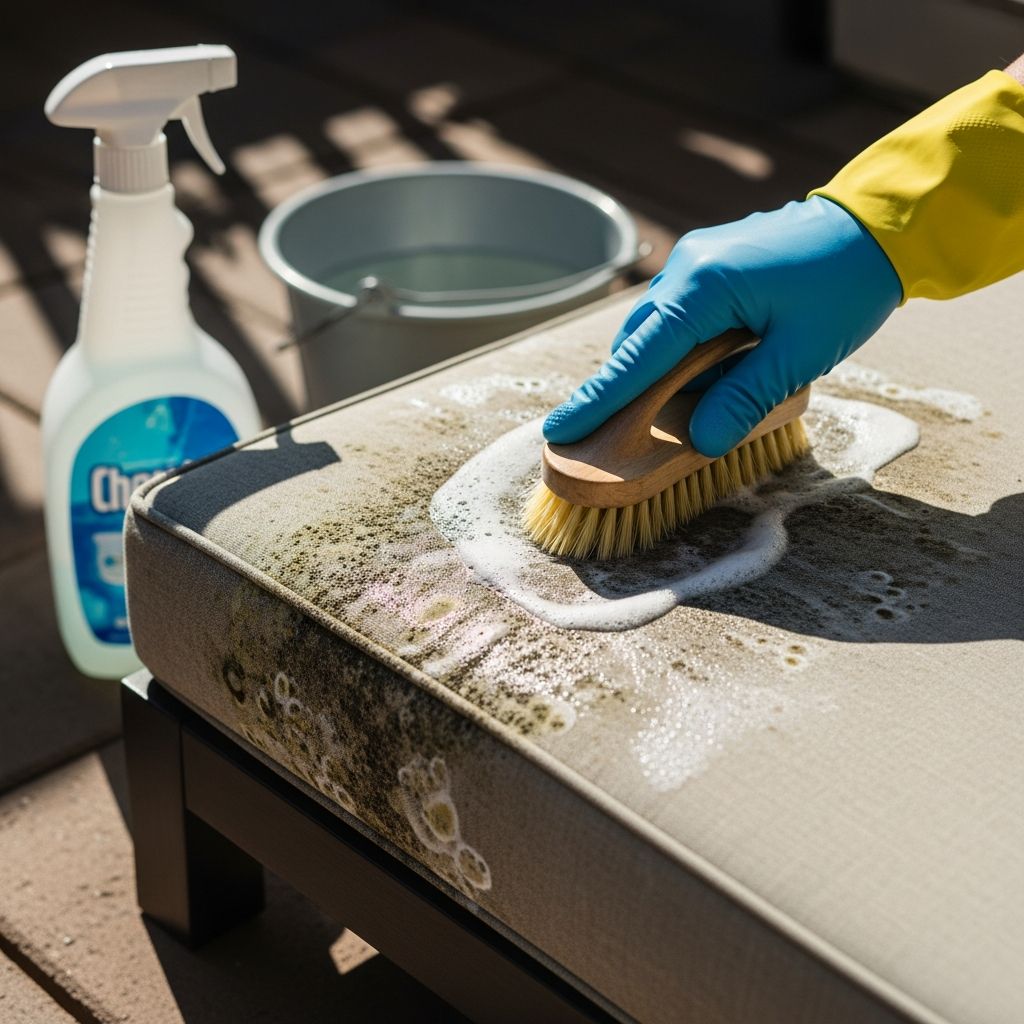
Mold and mildew thrive on damp outdoor cushions, turning vibrant patio seating into unsightly, odorous messes. These fungi grow rapidly in humid environments, feeding on moisture and organic materials in fabrics like polyester or acrylic. Prompt removal prevents health risks such as respiratory irritation and fabric degradation. This guide outlines safe, effective cleaning strategies using common household items, ensuring cushions regain their appeal without damage.
Understanding Mold Growth on Outdoor Fabrics
Outdoor cushions face constant exposure to rain, dew, and shaded moisture traps, creating ideal conditions for mold (fuzzy black or green growth) and mildew (powdery white or gray patches). These spores spread via air and water, embedding deeply into porous materials. Factors like poor ventilation, infrequent cleaning, and pollen accumulation accelerate infestations. Regular inspection reveals early signs: musty smells, discoloration, or texture changes. Addressing them swiftly preserves waterproof coatings and colorfastness on common fabrics such as Sunbrella or olefin.
Fabric types influence cleaning approaches. Solution-dyed acrylics resist fading and handle bleach well, while polyester may require gentler methods to avoid weakening fibers. Always consult care labels before starting—most recommend mild cleaners over harsh chemicals.
Essential Safety Gear and Preparation Steps
Protect yourself during cleaning: wear heavy-duty rubber gloves to shield skin from irritants, an N95 mask to block airborne spores, and eye protection. Work in a well-ventilated outdoor area, preferably on a dry driveway or tarp to contain debris.
- Brush off loose mold with a soft-bristle brush or vacuum attachment to minimize spore spread.
- Pre-treat stains by knocking cushions together outdoors to dislodge dirt.
- Test cleaners on inconspicuous areas to check for color bleeding.
- Gather tools: buckets, spray bottles, soft/hard brushes, microfiber cloths, garden hose, and sunny drying space.
Preparation ensures thorough results and prevents recontamination. Hose cushions first to remove surface grime, then proceed to targeted treatments.
Eco-Friendly Cleaning with White Vinegar
Distilled white vinegar’s acidity (around 5%) naturally kills up to 82% of mold species without toxic fumes, making it ideal for light to moderate growth on all fabric types. It’s non-toxic, inexpensive, and leaves a preventive residue.
- Fill a spray bottle with undiluted vinegar; generously mist both cushion sides.
- Allow 10-15 minutes for penetration—vinegar disrupts fungal cell walls.
- Mix 1 tablespoon dish soap with 3 cups warm water; scrub with a sponge.
- Wipe with a damp cloth, then rinse via hose.
- Air-dry in direct sun; re-spray vinegar post-drying to inhibit regrowth.
For stubborn spots, repeat or combine with baking soda paste (¼ cup baking soda + water). Vinegar excels on eco-conscious homes but may need pairing for deep-set mold.
Borax Power for Deep Mildew Penetration
Borax, a natural mineral salt, dehydrates mold spores and neutralizes odors effectively on non-washable cushions. It’s safe for plants and pets once rinsed.
- Soak cushions with hose water on a flat surface.
- Combine 1 cup borax, dish soap squirts, and cold water in a bucket; stir until dissolved.
- Apply with a hard-bristle brush, scrubbing vigorously for 5 minutes.
- Let sit 5-10 minutes; high-pressure rinse.
- Dry upright in sunlight to evaporate moisture fully.
Borax outperforms soap alone on embedded mildew, restoring freshness without residue. Wear gloves—it’s mildly alkaline.
Bleach Solutions for Severe Infestations
Diluted bleach disinfects by oxidizing mold, targeting bacteria too. Reserve for colorfast fabrics (e.g., acrylic); avoid on wool or silk blends.
Direct Cushion Treatment
- Mix ¼ cup bleach per gallon of water.
- Saturate cushions with brush or spray; wait 5-15 minutes.
- Hose rinse thoroughly to neutralize.
- Dry in sun—UV enhances bleaching.
Removable Covers
| Step | Action | Time |
|---|---|---|
| 1 | Zip covers closed; submerge in ¼ cup bleach/gallon water. | 5 min soak |
| 2 | Wash in machine: ¾ cup bleach, detergent, hot water, gentle cycle. | Full cycle |
| 3 | Air-dry in sun; reattach when dry. | 24+ hours |
Bleach demands caution—never mix with ammonia. Repeat for heavy stains; test first.
Gentle Dish Soap for Mild Cases
Everyday dish soap lifts surface dirt and light mildew via surfactants, suiting delicate or new cushions.
- Brush off debris softly.
- Spray multi-surface cleaner; scrub lightly.
- Soak in bucket of warm water + dish soap (1-2 tsp/gallon).
- Dwell 5 minutes; hose rinse.
- Sun-dry completely.
This method preserves fabric integrity but skips deep fungi—best as maintenance.
Advanced Options: Baking Soda and Hydrogen Peroxide
Baking soda absorbs moisture and odors; mix ¼ cup with 1 quart warm water for spraying. Let sit 15-30 minutes, scrub, rinse. Hydrogen peroxide (3%) bubbles to lift stains safely—spray 1:4 with water, dwell, blot. Both eco-alternatives shine on white or light fabrics.
Drying and Storage Best Practices
Moisture is mold’s ally—dry cushions sideways in breezy sun to wick water evenly, avoiding mildew pockets. Full drying takes 24-48 hours; flip periodically. Store off-ground in breathable covers during off-seasons, ensuring airflow. Vacuum monthly to remove debris.
Preventing Future Mold Outbreaks
Proactive habits extend cushion life:
- Choose mold-resistant fabrics like acrylic or olefin.
- Hose monthly, focusing undersides.
- Apply fabric protectors post-cleaning.
- Elevate seating; trim overhanging plants.
- Inspect weekly; clean pre-storage with vinegar mist.
Consistent care reduces recurrence by 80%.
Frequently Asked Questions
Can I machine-wash all cushion covers?
Only if labeled machine-safe. Use gentle cycle, no softener, and air-dry to prevent shrinkage.
Is bleach safe for all outdoor fabrics?
No—limit to solution-dyed acrylics. Vinegar suits most others.
How long does drying take?
24-48 hours in sun; ensure fully dry to avoid mildew return.
What if mold persists after cleaning?
Repeat treatment or consult professionals for deep contamination.
Are natural methods as effective as bleach?
For light growth, yes; severe cases favor bleach for disinfection.
Comparing Cleaning Methods
| Method | Best For | Effectiveness | Safety |
|---|---|---|---|
| Vinegar | Light mold, eco-use | High on surface | Very safe |
| Borax | Odors, embedded | High | Safe with gloves |
| Bleach | Severe stains | Excellent | Caution needed |
| Dish Soap | Mild dirt | Moderate | Safest |
Select based on infestation level and fabric tolerance for optimal results.
References
- How To Remove Mildew from Outdoor Furniture Cushions — Furniture Maxi. 2023. https://www.furnituremaxi.com/blogs/news/how-to-remove-mildew-from-outdoor-furniture-cushions
- How to Clean Outdoor Cushions (and Make Them Look Brand New) — POLYWOOD. 2024-05-15. https://www.polywood.com/blogs/outdoor-living/how-to-clean-outdoor-cushions
- How to Remove Mold and Mildew from Patio Furniture, Cushions — Patio Productions. 2023-08-10. https://www.patioproductions.com/blog/how-to/remove-mold-and-mildew-from-patio-furniture/
- How to Remove Mold Stains from Fabric Furniture (Upholstery & Cloth) — Clorox. 2024. https://www.clorox.com/learn/how-to-remove-mold-mildew-from-fabric-furniture-couch-cushions/
Similar Articles








Read full bio of medha deb