Removing Nail Polish Remover Stains From Fabric
Expert strategies for eliminating nail polish remover marks from your favorite garments safely.
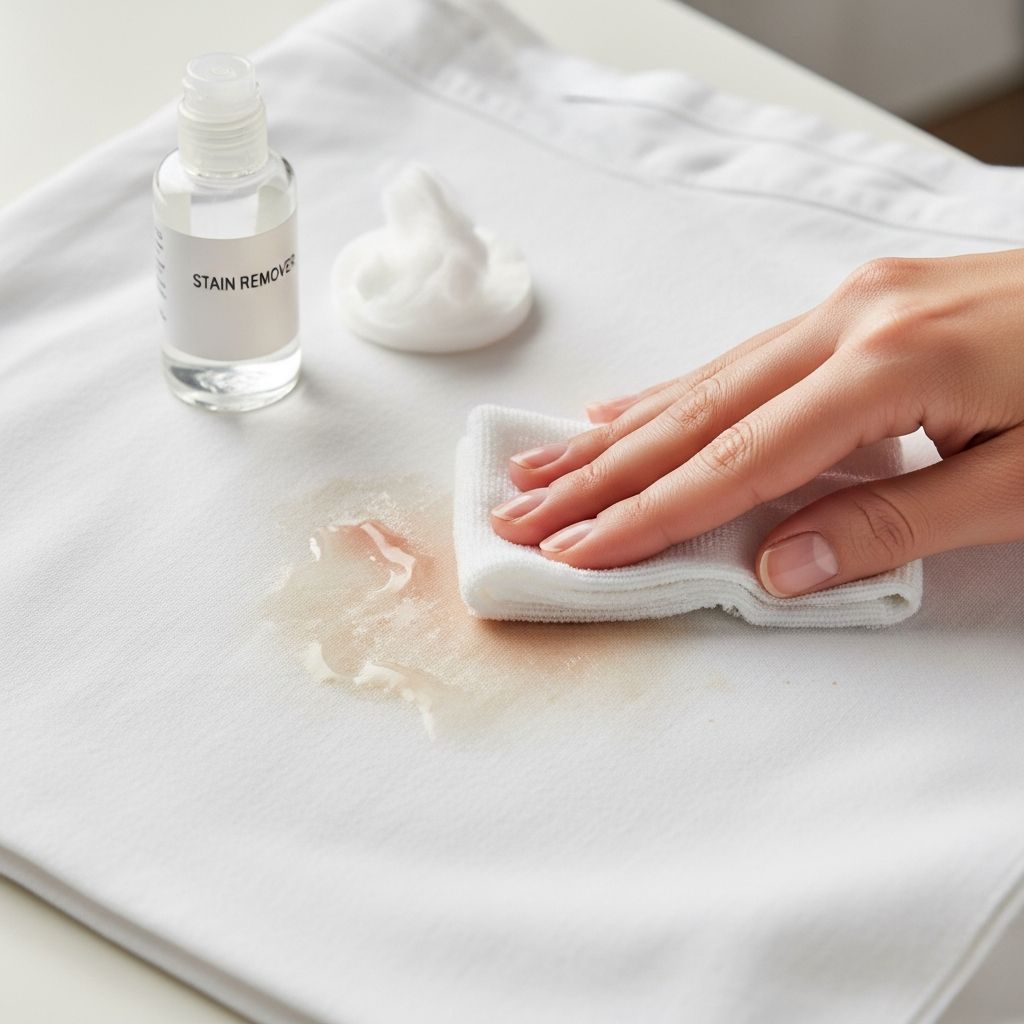
Understanding Nail Polish Remover Staining on Fabric
Accidental spills of nail polish remover on clothing represent one of the more challenging household cleaning scenarios. Unlike traditional nail polish, which sits on the surface of fabrics, nail polish remover—typically containing acetone or similar solvents—penetrates fabric fibers and can cause discoloration, weakening, or permanent damage if not addressed promptly and properly. The chemical composition of these removers makes them particularly aggressive against natural fibers, synthetic blends, and delicate materials alike. Understanding the nature of the problem is the first step toward successful remediation of these stubborn stains.
The Critical Window: Why Speed Matters in Treatment
The window between the initial spill and permanent stain setting is remarkably narrow when dealing with nail polish remover. Unlike many other household stains that may afford you several hours of flexibility, solvent-based stains begin bonding with fabric fibers almost immediately upon contact. This rapid absorption process means that every minute counts when responding to a nail polish remover accident. The longer the remover remains on the fabric, the deeper it penetrates, making subsequent removal exponentially more difficult. Ideally, treatment should commence within minutes of the spill, while the affected area is still slightly damp and the solvent has not fully bonded with the fibers.
Initial Assessment and Preparation Steps
Before initiating any treatment protocol, a careful assessment of the stain’s characteristics is essential. Examine the size of the affected area, noting whether the remover has soaked through to the reverse side of the garment. For items with multiple layers or lining, it may be necessary to place absorbent materials underneath to prevent the remover from transferring to other parts of the clothing. Check the garment’s care label to understand any specific warnings about chemical treatments or temperature restrictions.
Preparation involves gathering appropriate materials before beginning treatment. Having cotton swabs, clean white cloths, paper towels, and your chosen cleaning agents readily available ensures you can act decisively without delays. Working over a sink or bathtub protects surrounding surfaces and allows for easy rinsing during the remediation process.
Absorption and Blotting Technique
The foundational approach to all nail polish remover stain removal begins with blotting rather than rubbing. Place clean, dry paper towels or cloth materials directly on the affected area and gently press downward to absorb excess remover. This blotting action transfers liquid from the fabric to your absorbent material. Replace the absorbent material frequently as it becomes saturated with the solution, using fresh towels until minimal liquid transfers to each new application.
The distinction between blotting and rubbing cannot be overstated. Rubbing motions, whether circular or back-and-forth, drive the solvent deeper into fabric fibers and spread the stain across a broader surface area. Even vigorous blotting should employ only gentle downward pressure rather than abrasive movements. This restraint during the initial absorption phase significantly improves the likelihood of complete stain removal.
Treatment Methods for Different Fabric Types
Robust Fabrics: Denim and Heavy Cotton
Durable fabrics like denim and heavyweight cotton can typically tolerate more aggressive treatment approaches. For these materials, acetone-based nail polish remover itself can serve as an effective solvent to dissolve and lift the stain. Apply a small amount of clear acetone to a cotton swab and gently dab the affected area, working from the outer edges of the stain inward to prevent expansion. The acetone works by reactivating and dissolving the chemical compounds in the stain, which then transfer to your applicator material.
An alternative approach for these resilient fabrics involves creating a cleaning paste from common household ingredients. Combine one tablespoon of dish soap with one teaspoon of baking soda to form a spreadable consistency. Apply this mixture directly to the stain and allow it to sit for ten to fifteen minutes, allowing the mild abrasive and surfactant properties of the paste to work on the discoloration. Gently pat the area with a damp cloth and rinse thoroughly with cool water.
Delicate and Natural Fibers: Silk and Wool
Silk, wool, and other delicate materials require considerably more cautious treatment approaches, as harsh solvents risk damaging the fibers themselves. For these fabrics, acetone-free nail polish removers represent the safer choice, as they possess gentler chemical formulations specifically designed for sensitive materials. Apply these removers sparingly using cotton swabs, dabbing gently rather than rubbing, and limit exposure time to prevent fiber degradation.
Alternative treatments for delicate fabrics include the vinegar and dish soap solution. Combining equal parts white vinegar and liquid dish soap creates a mildly acidic cleaning agent that can dissolve the stain without the aggressive action of acetone-based products. This solution is particularly effective on fresh stains and works across numerous fabric types without the risk associated with potent solvents.
Blended and Synthetic Materials
Polyester blends and other synthetic fabrics occupy a middle ground, generally tolerating stronger treatments than natural fibers but potentially suffering damage from excessive solvent exposure. Rubbing alcohol offers an excellent middle-ground option for these materials, providing sufficient solvent action without the intensity of pure acetone. Apply rubbing alcohol to a clean cloth and dab the stain repeatedly, replacing the cloth as it absorbs color from the affected area.
Advanced Cleaning Solutions and Techniques
Hydrogen Peroxide Method
For white or light-colored fabrics, hydrogen peroxide can serve as an effective secondary treatment when initial methods prove insufficient. The mild bleaching properties of hydrogen peroxide help fade remaining discoloration while its oxidizing nature breaks down stubborn chemical residue. Apply hydrogen peroxide directly to the stain and allow it to sit for several minutes, then blot with a clean cloth. This approach works best on white fabrics, as it may cause lightening on colored materials.
White Vinegar Treatment
White vinegar’s acidity makes it particularly effective for dissolving chemical stains. Apply undiluted white vinegar directly to the affected area and allow it to penetrate for a few minutes before blotting with a damp cloth. For more stubborn stains, repeat this process multiple times, using small amounts of vinegar each application rather than saturating the fabric.
Commercial Stain Removers
Specialized laundry stain removal products formulated by detergent manufacturers often contain surfactants and solvents optimized for various stain types. Products containing oxygen-based cleaners can be particularly effective on acetone-based stains, as they break down chemical compounds without relying on aggressive solvents. Follow product instructions carefully, as application methods and dwell times vary by product.
The Final Rinse and Washing Process
After treating the stain with your chosen method, thorough rinsing is essential to remove all chemical residue and prevent fabric damage from prolonged solvent exposure. Begin with cool water and gradually increase temperature as you rinse, using the highest water pressure available without causing fabric damage. Continue rinsing until water runs clear and no chemical odor remains on the fabric.
Following rinsing, wash the garment using your standard laundry routine, but select the hottest water temperature indicated on the care label. Hot water enhances the effectiveness of detergent in removing remaining stain traces and chemical residue. Use a quality detergent and run the garment through a complete wash cycle. Do not place the garment in the dryer until you have verified complete stain removal, as heat from drying will permanently set any remaining discoloration.
Prevention Strategies and Protective Measures
While effective stain removal techniques prove invaluable, preventing accidents in the first place offers superior results. Always apply nail polish in designated areas covered with protective materials, such as old newspapers or designated craft cloths. Wearing protective or sacrificial clothing when painting nails reduces the risk of damaging your favorite garments. Maintaining a kit of nail polish remover wipes or tissues soaked with remover provides immediate access to absorption materials when spills occur, enabling prompt response before stains can set.
Storing nail polish and remover in secure, stable containers reduces the likelihood of accidental spills. Keep these products away from high-traffic areas where they might be knocked over, and store them in locations unlikely to contact your clothing during normal daily activities.
Fabric-Specific Considerations and Special Cases
Colored Versus White Garments
Colored fabrics require different considerations than white garments when treating with bleaching or oxidizing agents. Test any chlorine-based or hydrogen peroxide treatment on hidden seams or hems before applying to visible stain areas, as these treatments may cause unwanted lightening of colored fabrics. For colored materials, gentler approaches using soap solutions and vinegar prove more universally applicable without risking color change.
Heavily Soaked Areas
When nail polish remover has soaked through to multiple fabric layers, placing absorbent materials beneath the stain prevents transfer to other parts of the garment. This approach is particularly important for clothing with linings or multiple-layer construction, where remover can damage internal fabrics invisible during wearing but essential to garment integrity.
When Professional Cleaning Becomes Necessary
Extensive or deeply set stains, particularly on expensive or delicate garments, may warrant professional dry cleaning intervention. Professional cleaners possess access to specialized solvents, equipment, and expertise that exceed typical household resources. Consulting a professional proves especially prudent for silk garments, antique clothing, or items with special finishes or embellishments that could be damaged by improper treatment.
Troubleshooting Persistent Stains
Stains that resist initial treatment attempts should be attacked from multiple angles rather than with increasing aggressiveness of a single approach. Alternate between different treatment methods, allowing drying time between applications. Some stains respond better to enzymatic cleaners that break down molecular bonds, while others yield to oxidizing treatments. Patience and methodical variation prove more effective than repeated application of a single ineffective method.
Frequently Asked Questions
Q: Can nail polish remover permanently damage fabric?
A: Yes, acetone and other aggressive solvents can permanently damage or weaken certain fabrics, particularly natural fibers and delicate materials. Swift treatment and appropriate methods for specific fabric types minimize this risk significantly.
Q: Is it safe to use acetone on colored fabrics?
A: Acetone can cause color bleeding or fading on colored fabrics. Always test on hidden areas first, and consider gentler alternatives like vinegar solutions or acetone-free removers for colored garments.
Q: How long should I allow treatment solutions to sit on the stain?
A: Most treatments require between five and fifteen minutes of dwell time. Longer exposure times increase the risk of fabric damage, while shorter times may prove insufficient for deep stains. Check specific product instructions for optimal timing.
Q: What should I do if the stain persists after washing?
A: Do not place the garment in the dryer, as heat will set remaining stains permanently. Retreat using alternative methods, working from outer edges inward, then rewash before drying.
Q: Are there eco-friendly alternatives to acetone-based removers?
A: Yes, vinegar, baking soda, rubbing alcohol, and commercial oxygen-based cleaners provide environmentally friendlier alternatives to acetone while remaining effective for most fabric types.
References
- How to Remove Nail Polish From Clothes — Clorox. Accessed January 15, 2026. https://www.clorox.com/learn/how-to-remove-nail-polish-from-clothes/
- How to Remove Nail Polish Stains — Tide. Accessed January 15, 2026. https://tide.com/en-us/how-to-wash-clothes/how-to-remove-stains/nail-polish-stains
- How To Remove Nail Polishes From Clothes — Dazzle Dry. Accessed January 15, 2026. https://dazzledry.com/blogs/journal/how-to-remove-nail-polishes-from-clothing
Similar Articles








Read full bio of Sneha Tete