Eliminate Stubborn Rust Stains from Fabrics
Discover proven, safe methods to banish persistent rust marks from clothes and upholstery using household essentials.
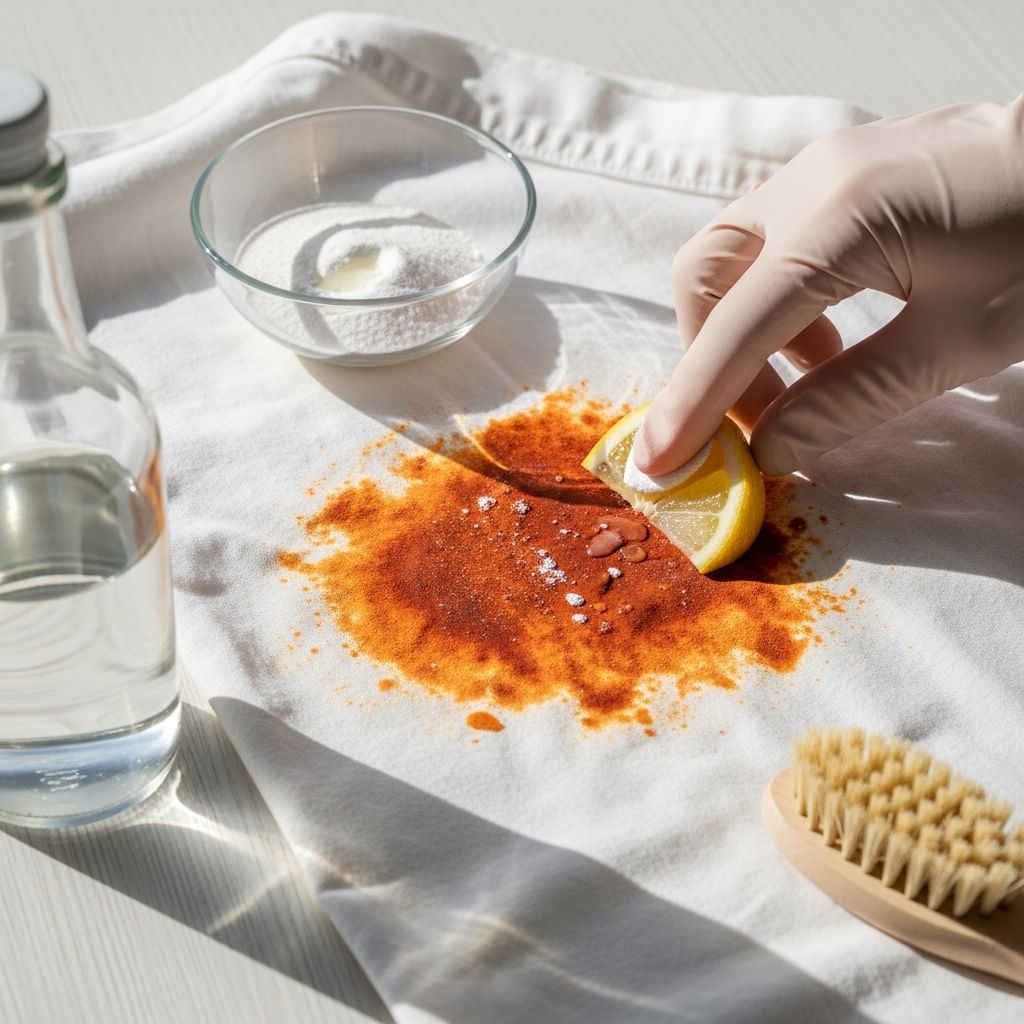
Rust stains pose a unique challenge in fabric care because iron oxide particles bind tightly to fibers, especially after prolonged exposure. These marks often appear on clothing from metal hardware, tools, or even water pipes with high mineral content. Acting promptly improves success rates, but even aged stains can yield to targeted treatments. This guide explores safe, effective strategies drawn from reliable practices, emphasizing fabric safety and minimal risk of further damage.
Understanding Rust Stains on Textiles
Rust forms when iron oxidizes in the presence of moisture and oxygen, creating reddish-brown deposits that penetrate fabric weaves. On cotton or linen, stains embed deeply due to their absorbent nature, while synthetics like polyester may resist penetration but hold residue on the surface. Delicate materials such as silk or wool demand extra caution to avoid weakening fibers. Factors like stain age, fabric colorfastness, and prior washing attempts influence treatment choices. Always consult garment labels first to confirm washability and avoid heat, which can set the stain permanently.
Preparing for Successful Stain Removal
Before applying any remedy, assess the fabric type and test treatments on an inconspicuous area. Gather basics: absorbent cloths, cold water, mild detergent, and protective gloves for chemical options. Work in a well-ventilated space, especially with acidic or oxidative agents. For colored fabrics, verify colorfastness by dabbing a small amount of solution on a hidden seam and waiting 10 minutes for changes. Patience is key—multiple applications may be needed for old stains without aggressive scrubbing, which spreads particles.
Natural Acid-Based Remedies for Everyday Fabrics
Household acids like citrus and vinegar excel at dissolving rust due to their ability to break iron oxide bonds gently. These methods suit most washable cottons, polyesters, and blends.
Lemon Juice and Salt Combination
Squeeze fresh lemon juice directly onto the stain, ensuring full saturation. Sprinkle coarse salt over the wet area to form an abrasive paste that lifts particles as it dries. Place the fabric in direct sunlight for 2-4 hours; ultraviolet rays enhance the citric acid’s bleaching action. Gently brush off residue, rinse with cold water, and launder normally. This approach faded persistent marks significantly in practical tests, outperforming plain lemon alone.
White Vinegar Soak Technique
Soak the stained section in undiluted white vinegar for 10-30 minutes, then blot with a clean cloth. For enhanced results, add baking soda to create a fizzing reaction that dislodges rust. Rinse thoroughly with cold water to neutralize acidity. Vinegar’s acetic acid targets rust effectively on durable fabrics but may require repetition for deep-set stains.
Oxalic Acid Solutions for Tough Cases
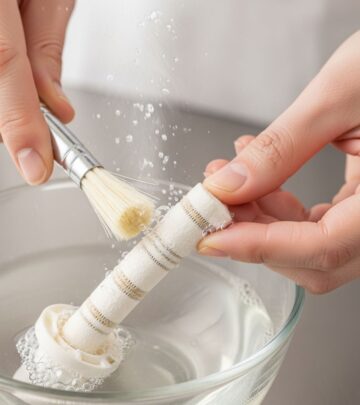
For iron-rich rust on whites or sturdy fabrics, oxalic acid provides professional-grade removal. Available in powdered form from hardware stores, mix 1 tablespoon with 1 cup warm water. Apply via soft brush, agitate lightly, and let dry if needed before reapplying. Rinse well and wash. This method suits carpets, upholstery, and heavy cottons, often resolving stains resistant to home remedies.
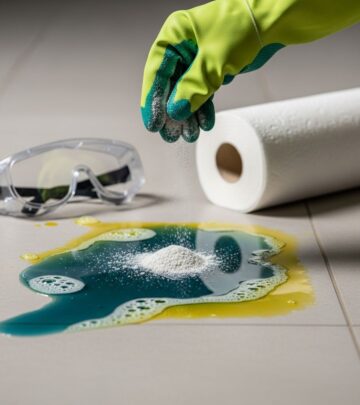
- Caution: Wear gloves; avoid skin contact and inhalation.
- Use on colorfast fabrics only after testing.
- For loads of white items with rust discoloration, add oxygen bleach and soak 10-15 minutes before laundering.
Paste Mixtures with Oxidizers
Combine pantry staples for a mild abrasive paste. Mix equal parts cream of tartar and baking soda, apply to stain, then drizzle hydrogen peroxide to activate. Sun-dry for several hours before rinsing. This works on colorfast fabrics but test peroxide first, as it may lighten dyes. Results show near-complete removal on many surfaces, including subtle carpet spots.
Commercial Products and When to Use Them
Opt for rust-specific removers like those containing trichloro-melamine for set-in stains. Follow labels precisely: apply sparingly, agitate, and rinse. These outperform naturals on non-fabric surfaces but require ventilation. For vintage or delicate items, professional dry cleaning prevents fiber degradation.
| Method | Best For | Pros | Cons | Effectiveness on Old Stains |
|---|---|---|---|---|
| Lemon + Salt | Cotton, linen | Natural, cheap, sun-enhanced | Needs sunlight, multiple tries | High |
| Vinegar Soak | Polyester blends | Readily available, gentle | Slower on deep rust | Medium |
| Oxalic Acid | Whites, upholstery | Fast, thorough | Harsh, needs care | Very High |
| Cream of Tartar Paste | Colorfast fabrics | Multi-purpose | Potential bleaching | High |
Special Considerations for Delicate and Specialty Fabrics
Silk, wool, and suede-like synthetics require dilution or alternatives. For washable silks, use a weak vinegar solution blotted sparingly, followed by cool rinsing. Leather or suede benefits from whiting paste (chalk dust mixed with rust remover), covered and left to dry before buffing. Always air-dry flats to preserve shape, avoiding tumble dryers that fix remnants.
Preventing Future Rust Stains
Minimize risks by washing metal-contacted items promptly, using rust-inhibiting detergents, and storing tools away from textiles. For hard water areas, install filters or add chelating agents like EDTA in laundry. Quick blotting post-exposure prevents setting.
Frequently Asked Questions
Can hot water help remove rust stains?
No, hot water sets rust permanently by binding particles to fibers. Always use cold water for rinsing and washing.
Is hydrogen peroxide safe for all colors?
No, test first; it bleaches non-colorfast dyes. Ideal for whites or pastels.
What if the stain returns after washing?
Repeat treatment before full cycle, ensuring complete residue removal. Dry cleaning may be needed for fabrics.
How long should I let natural remedies sit?
5-10 minutes for initial application, up to hours with sun exposure for best results.
Are commercial rust removers fabric-safe?
Most are when used as directed, but test delicates. Opt for enzyme-free formulas.
Advanced Tips for Bulk or Heavy Treatments
For multiple items or upholstery, prepare a soak bath with diluted oxalic solution or oxygen bleach. Agitate gently, monitor progress, and neutralize with baking soda rinse. Professional services handle irreplaceable pieces, using steam extraction for embedded rust.
Mastering rust removal restores garments economically, extending wardrobe life. Combine methods based on fabric and stain severity for optimal outcomes. Regular maintenance keeps textiles pristine.
References
- Step-by-Step: Removing Rust Stains from Clothes Without Damaging the Fabric — Hyperloop Laundry. 2023. https://www.hyperlooplaundry.com/step-by-step-removing-rust-stains-from-clothes-without-damaging-the-fabric
- How to Get Rust Marks Out of Fabric — Adorn the Table. 2022. https://adornthetable.com/how-to-get-rust-marks-out-of-fabric/
- Remove Stains From Iron, Rust — University of Georgia Extension (site.extension.uga.edu). Accessed 2026. https://site.extension.uga.edu/textiles/care/stain-removal/remove-stains-from-iron-rust/
- WATCH WHAT HAPPENS when you put CREAM OF TARTAR on… — YouTube (Video). 2023. https://www.youtube.com/watch?v=OWOFZNSrW54
Similar Articles



Read full bio of Sneha Tete