Ultimate Guide to Removing Paint from Fabrics
Expert techniques to rescue clothes from fresh and dried paint stains using safe, effective household methods.
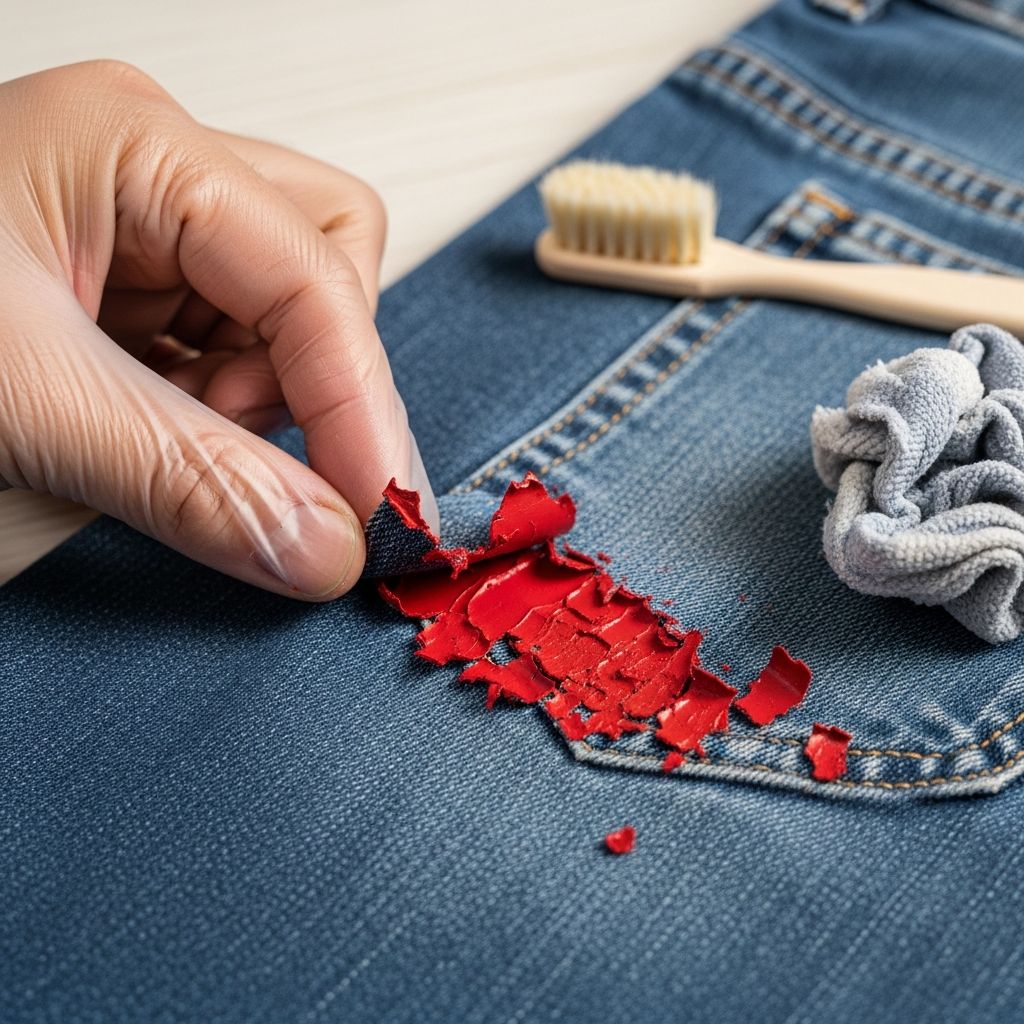
Accidents with paint happen frequently during home projects, arts and crafts, or professional work, leaving unsightly stains on favorite garments. Fortunately, most paint marks can be treated successfully if addressed promptly using the right techniques. This guide details methods for various paint types on different fabrics, emphasizing safety and fabric care to prevent damage.
Understanding Paint Types and Their Challenges
Paint comes in several formulations, each requiring specific removal strategies.
Water-based paints
like latex and acrylic dissolve easily in water when fresh but harden when dry.Oil-based paints
resist water and demand solvents for breakdown. Identifying the paint type is crucial, as mismatched treatments can worsen stains or harm fabrics.- Latex and acrylic: Common in household use; removable with soap and water if fresh.
- Oil-based: Used for durable finishes; needs thinners like turpentine.
- Spray or enamel paints: Quick-drying and stubborn, often requiring alcohol-based removers.
Always consult the garment’s care label before starting. Delicate fabrics like silk or wool may need professional cleaning.
Essential Tools and Supplies for Paint Removal
Gather these items to tackle stains efficiently:
| Item | Purpose | Best For |
|---|---|---|
| Dull knife or spoon | Scraping excess paint | All types |
| Liquid laundry detergent or dish soap | Breaking down paint | Water-based |
| Clean white cloths or paper towels | Blotting stains | All types |
| Warm water | Rinsing and flushing | Fresh stains |
| Turpentine or paint thinner | Solvent for oils | Oil-based |
| Rubbing alcohol or non-acetone nail polish remover | Softening dried paint | Dried acrylics |
| Stain remover spray | Pre-treatment | Stubborn spots |
| Soft-bristle brush | Gentle scrubbing | Textured fabrics |
Work in a well-ventilated area, especially with solvents, and wear gloves to protect your skin.
Step-by-Step: Removing Fresh Water-Based Paint Stains
Fresh stains are easiest to handle. Act within minutes for best results.
- Blot excess paint: Use a clean cloth to dab the stain gently, avoiding rubbing which spreads it.
- Flush from the back: Turn the garment inside out and run warm water through the stain to push paint out of fibers.
- Apply detergent: Dab a small amount of liquid detergent or dish soap (pea-sized) directly on the spot. Work into a lather with fingers or a soft brush.
- Scrub and rinse: Gently agitate, then rinse thoroughly with warm water. Repeat until water runs clear.
- Launder: Wash in the hottest water safe for the fabric. Air dry to check for remnants.
This method works because water-based paints remain soluble when wet.
Handling Dried Water-Based Paint on Clothing
Dried paint flakes but binds tightly to fibers. Patience is key.
- Scrape gently: Use a dull edge to lift flakes without damaging fabric.
- Soften with solvent: Apply rubbing alcohol or non-acetone nail polish remover to a cloth and blot the stain. Test first on an inconspicuous area.
- Blot repeatedly: Use a detergent-warm water mix on a towel to lift softened paint. Rinse between applications.
- Treat with stain remover: Spray or apply a commercial product, let sit 5-10 minutes, then scrub lightly.
- Wash and inspect: Launder normally; repeat if needed. Never dry until stain-free to avoid setting.
For tough cases, soak in a solution of oxygen-based cleaner overnight.
Strategies for Oil-Based Paint Removal
Oil paints require stronger action due to their non-water-soluble nature.
- Scrape excess: Remove as much as possible with a spoon edge.
- Test solvent: Apply turpentine or recommended paint thinner to a hidden spot.
- Blot from back: Soak a cloth in solvent and dab the inside of the fabric until paint transfers.
- Rinse thoroughly: Flush with warm soapy water to remove solvent residues, critical before washing.
- Pre-treat and soak: Rub dish detergent on the area, soak in hot soapy water overnight.
- Final wash: Launder per care label; retreat if traces remain.
Solvents like turpentine dissolve oil binders effectively but are flammable—rinse completely before machine washing.
Special Considerations for Delicate and Colored Fabrics
Not all fabrics tolerate harsh chemicals. For cotton or denim, standard methods apply. Synthetics like polyester may react to solvents.
- Silk or rayon: Avoid solvents; use mild soap and cool water only.
- Colored clothes: Skip bleach or acetone to prevent fading; opt for color-safe oxygen cleaners.
- Leather or suede: Professional cleaning recommended.
Always spot-test: Apply cleaner to an inside seam, wait 10 minutes, and check for discoloration.
Advanced Techniques and Home Remedies
When basics fail, try these:
- Hand sanitizer: Alcohol content softens acrylics; rub in, let sit, rinse.
- Vinegar soak: For minor water-based stains, mix equal parts vinegar and water.
- OxiClean solution: Dissolve powder in water, soak for heavy stains.
- Hairspray: Alcohol-based sprays can loosen dried paint, but test thoroughly.
Avoid mixing chemical types to prevent reactions.
Prevention Tips to Avoid Future Paint Mishaps
Proactive steps save time:
- Wear old clothes or aprons during painting.
- Use drop cloths and keep wipes handy.
- Rinse fresh spills immediately.
- Store paints securely to minimize spills.
Keep a stain kit with detergent, alcohol, and scrapers near your workspace.
Frequently Asked Questions (FAQs)
Can I use bleach to remove paint stains?
Bleach is risky for colors and ineffective on oils. Use it only on whites after other methods, diluted and tested.
What if the paint stain returns after washing?
Heat sets residues—air dry first. Retreat before re-washing.
Is rubbing alcohol safe for all fabrics?
No; test synthetics and colors. It’s ideal for cotton and dried acrylics.
How long can I wait to treat a paint stain?
Fresh is best within hours. Dried stains are treatable but harder.
Can dry cleaners handle paint stains?
Yes, for delicates or failures, but disclose paint type.
Mastering these techniques restores most garments. Quick action and proper tools yield success rates over 90% for water-based paints.
References
- How To Get Paint Out Of Clothes: Latex, Acrylic & Oil-Based — Maytag. 2023-10-15. https://www.maytag.com/blog/washers-and-dryers/how-to-get-paint-out-of-clothes.html
- How to Get Dried Paint Out of Clothes — Whirlpool. 2024-05-20. https://www.whirlpool.com/blog/washers-and-dryers/how-to-get-dried-paint-out-of-clothes.html
- How to Get Paint Out of Clothes & Carpets — OxiClean. 2024-02-12. https://www.oxiclean.com/en/stain-solutions/how-to-get-paint-out-of-clothes
- How to Get Paint Out of Clothes With Bleach — Clorox. 2023-08-05. https://www.clorox.com/learn/how-to-get-paint-out-of-clothes-with-bleach/
Similar Articles








Read full bio of medha deb