Clean Pet Urine From Leather Furniture: A Complete Guide
Expert methods to eliminate pet urine stains and odors from leather sofas and chairs effectively and safely.
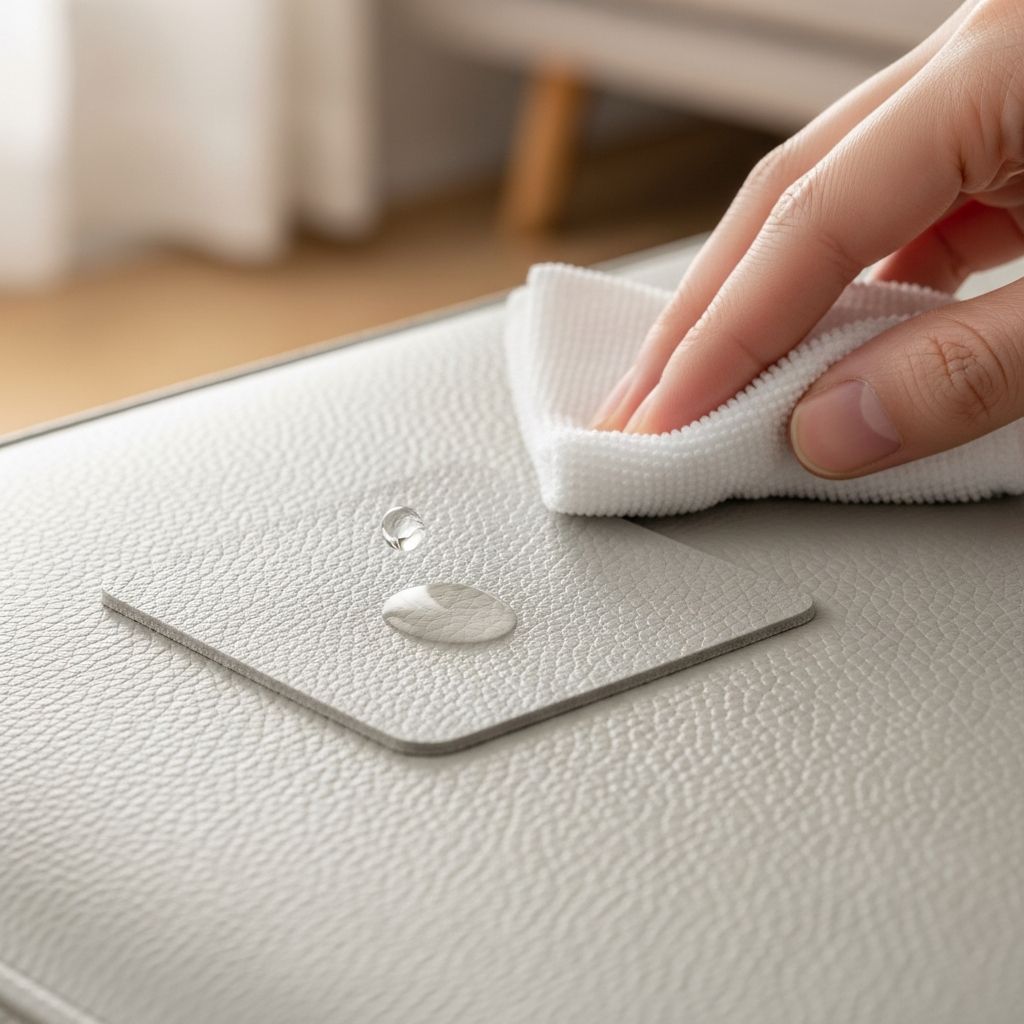
Clean Pet Urine from Leather Furniture: Complete Guide
Pet accidents on leather furniture can leave stubborn stains and persistent odors if not addressed promptly. Acting quickly with the right techniques prevents urine from penetrating the material, preserving the leather’s integrity and appearance. This guide provides detailed, safe methods tailored for different leather types and stain ages.
Understanding Leather and Pet Urine Damage
Leather upholstery, whether protected or unfinished, is somewhat porous, allowing urine to seep into the surface and underlying padding. Bacteria in urine produce odors that linger even after visible cleaning, potentially leading to discoloration, cracking, or material breakdown over time. Protected leather has a pigmented topcoat that resists penetration better than aniline or nubuck varieties, which absorb liquids deeply. Immediate blotting dilutes acids in urine, reducing pH damage that accelerates aging.
Key risks include:
- Odor-causing bacteria thriving in moist padding.
- Stains setting permanently on unfinished leathers.
- Cracking from harsh cleaners stripping natural oils.
Always test solutions on inconspicuous areas to avoid discoloration.
Essential Supplies for Effective Cleaning
Gather these items before starting to ensure a thorough process:
- Absorbent microfiber cloths or paper towels.
- Distilled water and mild dish soap.
- White vinegar for odor neutralization.
- Enzyme-based pet stain cleaners (e.g., for breaking down urine proteins).
- Leather-specific conditioner.
- Soft brush or sponge applicator.
- Optional: Blacklight for detecting hidden stains.
Avoid ammonia, bleach (except diluted for testing), or abrasive tools, as they harm leather’s pH balance.
Immediate Response: Blotting Fresh Accidents
The first 5-10 minutes are critical. Urine spreads rapidly on leather.
- Press clean cloths firmly into the spot without rubbing to lift liquid.
- Replace cloths as they saturate; repeat until no moisture transfers.
- Flush gently with distilled water using a damp cloth to dilute residues.
This step absorbs up to 80% of the urine, minimizing penetration into seams or stuffing. For cushions with zippers, remove and inspect padding immediately.
DIY Cleaning Solutions and Application
Homemade mixtures rival commercial products when used correctly. Here’s a comparison:
| Solution | Ingredients Ratio | Best For | Caution |
|---|---|---|---|
| Dish Soap Mix | 1 tbsp mild soap per 1 cup distilled water | Surface stains | Test for color fading |
| Vinegar Neutralizer | 1:1 white vinegar and water | Odors | Light mist only; blot dry |
| Enzyme Cleaner | As per product (dilute if needed) | Protein breakdown | Ideal for padding |
Application Steps:
- Dip a microfiber cloth in the solution; wring until barely damp.
- Blot from outer edges inward to contain the stain.
- Gently agitate with a soft brush if needed, then blot with clean water.
- Rinse by blotting with plain distilled water multiple times.
For unfinished leather, clean seam-to-seam to prevent rings.
Addressing Padding and Deep Penetration
If urine reaches the stuffing, surface cleaning alone fails. unzipping cushions allows direct treatment.
- Remove and wash padding in a sink with enzyme cleaner or vinegar solution.
- Rinse thoroughly and air-dry in sunlight to dissipate odors naturally.
- For non-removable padding, apply enzyme spray liberally and let sit 24 hours before vacuuming.
Professional upholsterers can access sealed areas if DIY isn’t feasible.
Advanced Techniques for Stubborn Stains
For set-in stains, escalate methods carefully.
Enzyme and Powder Absorbers
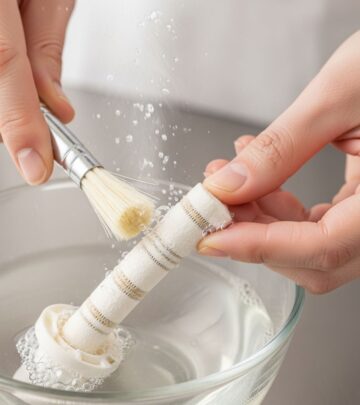
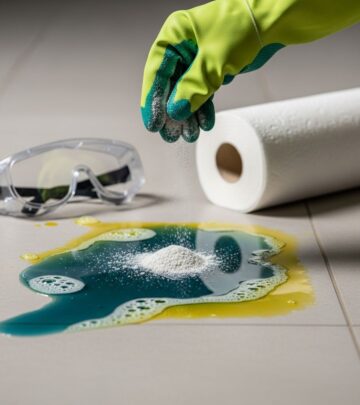
Enzyme products digest urine crystals. Spray, let dwell 15-30 minutes, then blot. Powder systems like absorbent sponges work dry: mist pre-spray, apply powder, brush in, let dry, and vacuum. This pulls odors from leather pores without moisture.
Diluted Bleach Caution
A 10% bleach-water solution kills bacteria on urine spots but risks pH imbalance. Test small areas, apply briefly (5 minutes), rinse immediately. Not for colored leather.
Ozone or UV Detection
Blacklights reveal invisible stains; ozone chambers (professional service) eliminate bacteria by oxygen deprivation.
Post-Cleaning Care and Conditioning
Leather dries brittle after cleaning. Apply a pH-balanced conditioner with a cloth in circular motions. Buff lightly and allow 24 hours curing. Regular monthly conditioning prevents future absorption. Sunlight drying aids odor removal but avoid direct heat.
Prevention Strategies for Pet Owners
Proactive steps reduce accidents:
- Train pets with positive reinforcement.
- Use waterproof couch covers.
- Schedule potty breaks and supervise young pets.
- Apply leather protectants quarterly.
For multi-pet homes, enzyme sprays on high-risk areas deter remarking.
Common Mistakes to Avoid
Steer clear of these pitfalls:
- Rubbing instead of blotting: Drives urine deeper.
- Excess water: Causes water spots or swelling.
- Skipping conditioner: Leads to cracks.
- Harsh chemicals: Bleach or ammonia discolors.
Frequently Asked Questions
Can I use hydrogen peroxide on leather urine stains?
Yes, for small spots: apply with a swab, wait 5-10 minutes, rinse. Test first, as it may lighten colors.
What if the odor persists after cleaning?
Treat padding with enzymes and dry in sunlight, or use professional ozone treatment.
Is vinegar safe for all leather types?
Generally yes in dilution, but test on nubuck/suede; use leather-specific products instead.
How long does drying take?
24-48 hours fully; use fans to speed air circulation without heat.
When to call professionals?
For deep penetration, large areas, or valuable antiques.
Leather Types Cleaning Comparison
| Leather Type | Recommended Method | Absorption Risk |
|---|---|---|
| Protected/Pigmented | Soap/vinegar + conditioner | Low |
| Aniline/Unfinished | Enzyme powder, seam-to-seam | High |
| Suede/Nubuck | Specialized dry cleaners | Very High |
Match methods to your furniture’s finish for best results.
References
- How to Get Urine & Pet Stains Out of Leather Upholstery — RubnRestore. Accessed 2026. https://rubnrestore.com/how-to/urine-vomit-pet-stains-leather/
- How to Clean Pet Urine from Leather Furniture — LeatherMilk. Accessed 2026. https://leathermilk.com/clean-leather-furniture-of-pet-urine
- How to Clean Urine Off a Leather Couch: A Comprehensive Guide — HellaMaid. Accessed 2026. https://hellamaid.ca/furniture-cleaning-guide/how-to-clean-urine-off-a-leather-couch-a-comprehensive-guide/
- Leather Upholstery – Remove Urine Stains & Odors — Planet Urine. Accessed 2026. https://www.planeturine.com/leather-upholstery/
- The Best Furniture Cleaning Options for Pet Stains — Stanley Steemer. Accessed 2026. https://www.stanleysteemer.com/blog/tips-tricks/best-upholstery-cleaning-options-pet-stains
Similar Articles








Read full bio of medha deb