Reviving Clothes: Removing Set-In Stains Post-Dryer
Expert strategies to rescue garments from stubborn stains hardened by dryer heat and laundry mishaps.
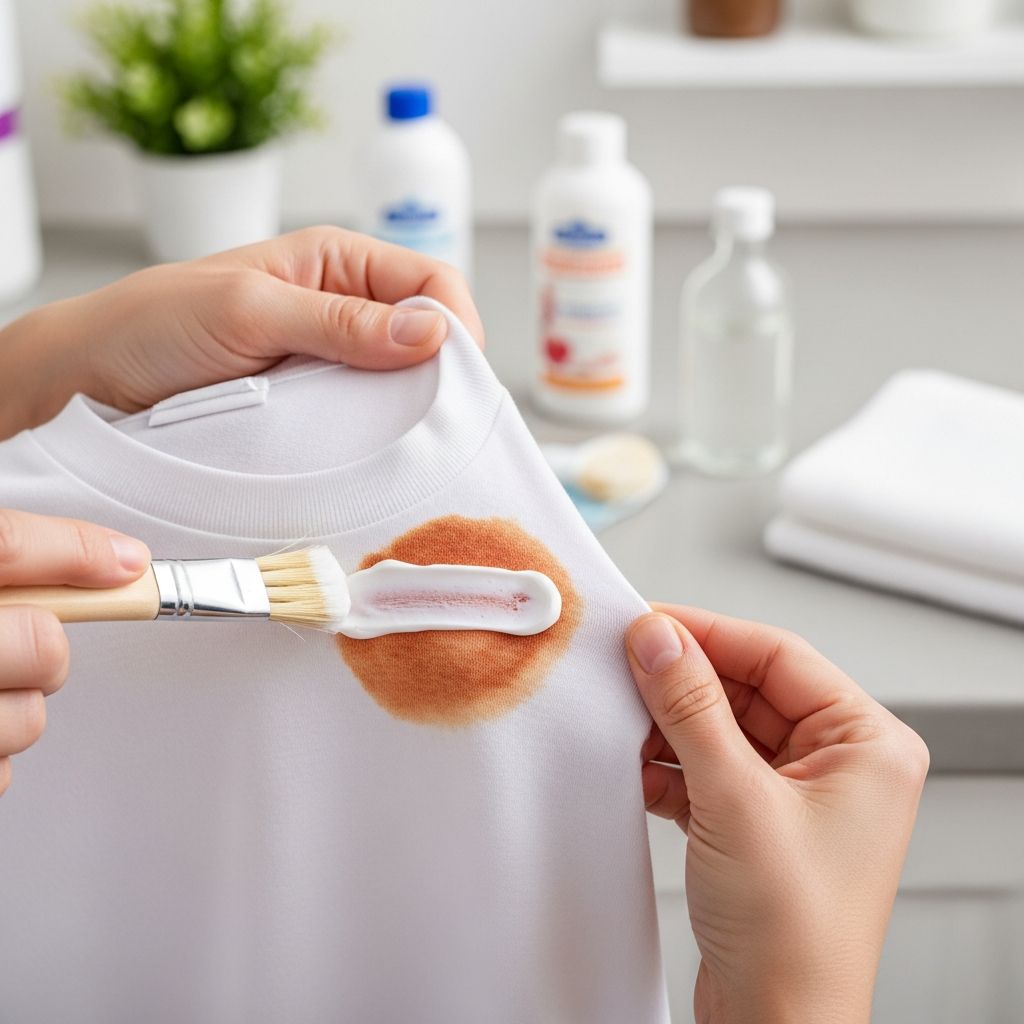
Discovering a stain on your favorite garment after it has been washed and dried can be disheartening. The heat from the dryer often binds the stain to the fabric, making it far more challenging to remove than fresh spots. However, with targeted pretreatments, specialized products, and repeated washing cycles, many set-in stains can be successfully lifted without damaging the material. This comprehensive guide draws from established cleaning practices to help you restore your clothing effectively.
Understanding Why Dryer Heat Makes Stains Tougher
Stains become ‘set-in’ when exposed to high temperatures during drying. The heat causes proteins, oils, or pigments in the stain to bond chemically with fabric fibers, a process exacerbated if laundry detergent residues remain on the item. Unlike fresh stains, which respond to simple rinsing, hardened ones require breaking down these bonds through enzymes, solvents, or oxidizers.
- Protein-based stains (e.g., blood, milk) coagulate under heat, forming tough residues.
- Oil/grease stains solidify, embedding deeply into fibers.
- Dye stains (e.g., ink, food coloring) oxidize and fixate permanently without intervention.
Always inspect care labels first: delicate fabrics like silk or wool may need professional care to avoid shrinkage or discoloration.
Essential Tools and Supplies for Stain Rescue
Gather these items before starting to streamline the process:
| Item | Purpose | Best For |
|---|---|---|
| Disinfecting bleach (e.g., Clorox) | Oxidizes and breaks stain bonds | Whites, color-safe alternatives for colors |
| Liquid laundry detergent | Penetrates and lifts residues | All fabrics, pretreatment |
| Color-safe stain remover | Gentle bleaching without fading | Colored clothes, spandex blends |
| Plastic basin or tub | Soaking container | Pre-soak solutions |
| Soft brush or spoon | Gentle agitation | Avoiding fabric damage |
Protective gloves prevent skin irritation from chemicals, and a timer ensures precise treatment durations.
Step-by-Step Method for White Fabrics
For sturdy whites like cotton or polyester, chlorine bleach is highly effective against set-in stains.
- Prepare soak solution: Fill a basin with 1 gallon cold water. Add ¼ cup disinfecting bleach and stir.
- Submerge garment: Fully immerse the stained item for 5 minutes, agitating with a spoon to ensure saturation.
- Rinse and wash: Drain solution, then launder in hottest safe water on heavy-duty cycle with detergent and ⅓ cup bleach.
- Air dry: Inspect outdoors or flat; repeat if faint marks remain. Heat-drying too soon re-sets stains.
This approach has revived countless dryer-exposed stains, with multiple cycles gradually fading even the toughest spots.
Handling Colored Clothes and Delicates
Chlorine bleach risks fading colors or damaging spandex/elastic. Opt for oxygen-based removers instead.
- Spot pretreat: Apply full-strength color-safe remover directly to stain, rub gently, wait 10 minutes.
- Wash immediately: Use hot water cycle, detergent, and additional remover in dispenser.
- Dry carefully: Air dry flat to prevent stretching wet fabrics; check for residue before tumbling.
For items with spandex, this method preserves elasticity while targeting stains.
Natural and Household Remedies for Common Stains
Not everyone has specialty bleaches; everyday items work well for specific stains.
- Vinegar for grease: Soak in 1:1 white vinegar-water for 30 minutes, then launder. Breaks down oils effectively.
- Baking soda paste for protein stains: Mix with water, apply, let sit 1 hour, brush off, wash.
- Liquid detergent reapplication: Rub directly on stain, soak 15 minutes, rewash—simple yet powerful for many residues.
- Hydrogen peroxide for whites: Dab 3% solution on stain, wait 5 minutes, rinse; repeat before washing.
These are gentler for frequent use and eco-friendly, though less potent on deeply set marks.
Stain-Specific Strategies
Different stains demand tailored attacks post-drying.
| Stain Type | Primary Method | Treatment Time | Notes |
|---|---|---|---|
| Grease/Oil | Dish soap + hot wash | 15-30 min soak | Dish soap emulsifies oils |
| Food (tomato, sauce) | Detergent + vinegar | 10 min pretreat | Sponge first with solvent |
| Ink | Alcohol or remover | 5-10 min | Test on seam first |
| Blood | Cold water soak + enzyme | 1 hour | Never use hot initially |
Match the remedy to the stain for optimal results, always testing inconspicuously.
Prevention: Avoiding Set-In Stains Altogether
Proactive habits save time and clothes:
- Sort laundry by color and soil level before washing.
- Pretreat all stains immediately, even faint ones.
- Air dry suspects until confirmed clean.
- Use mesh bags for delicates to catch overlooked spots.
- Choose quality detergents with built-in stain fighters.
Addressing stains pre-wash prevents 90% of dryer disasters.
Frequently Asked Questions (FAQs)
Can I use bleach on colored clothes with set-in stains?
No, stick to color-safe oxygen bleaches to avoid fading. For whites only, use disinfecting bleach after checking labels.
What if the stain persists after two washes?
Increase soak time slightly or alternate methods (e.g., vinegar after bleach). Professional dry cleaning may be needed for valuables.
Is it safe for spandex workout gear?
Yes, pretreat with color-safe products and wash in warm water; avoid chlorine bleach entirely.
How do I remove grease from dried clothes?
Apply dish soap, let sit, then launder hot. For stubborn cases, use a dry-cleaning solvent first.
Why air dry instead of tumble dry during treatment?
Wet heat hides stains; drying reveals if more treatment is needed, preventing re-setting.
Advanced Tips from Cleaning Pros
Professional dry cleaners note that patience is key—tumble-dried stains often require 2-3 cycles. Boost efficacy by washing in harder water settings or adding boosters like washing soda. For vintage items, consult conservators to preserve integrity.
Enzyme-based detergents excel on organic stains, while solvents tackle synthetics. Always work in well-ventilated areas and rinse thoroughly to prevent residue buildup.
In summary, set-in stains are salvageable with persistence. By selecting the right tools and methods, you can extend the life of your wardrobe significantly.
References
- How to Get Old Stains Out of Clothes — Remove Old, Dried & Set-in Stains — Clorox. 2023. https://www.clorox.com/learn/removing-stains-from-clothes-that-have-dried/
- How to Get Stains Out of Clothes After They’ve Been Washed — HowStuffWorks. 2023. https://home.howstuffworks.com/home-improvement/household-hints-tips/cleaning-organizing/stains-out-of-clothes-after-theyve-been-washed.htm
- Stain Removal Guide — The American Cleaning Institute. 2024. https://www.cleaninginstitute.org/cleaning-tips/clothes/stain-removal-guide
Similar Articles






Read full bio of medha deb