Removing Silicone from Countertops Effectively
Master safe, effective techniques to eliminate stubborn silicone residue from kitchen and bathroom surfaces without damage.
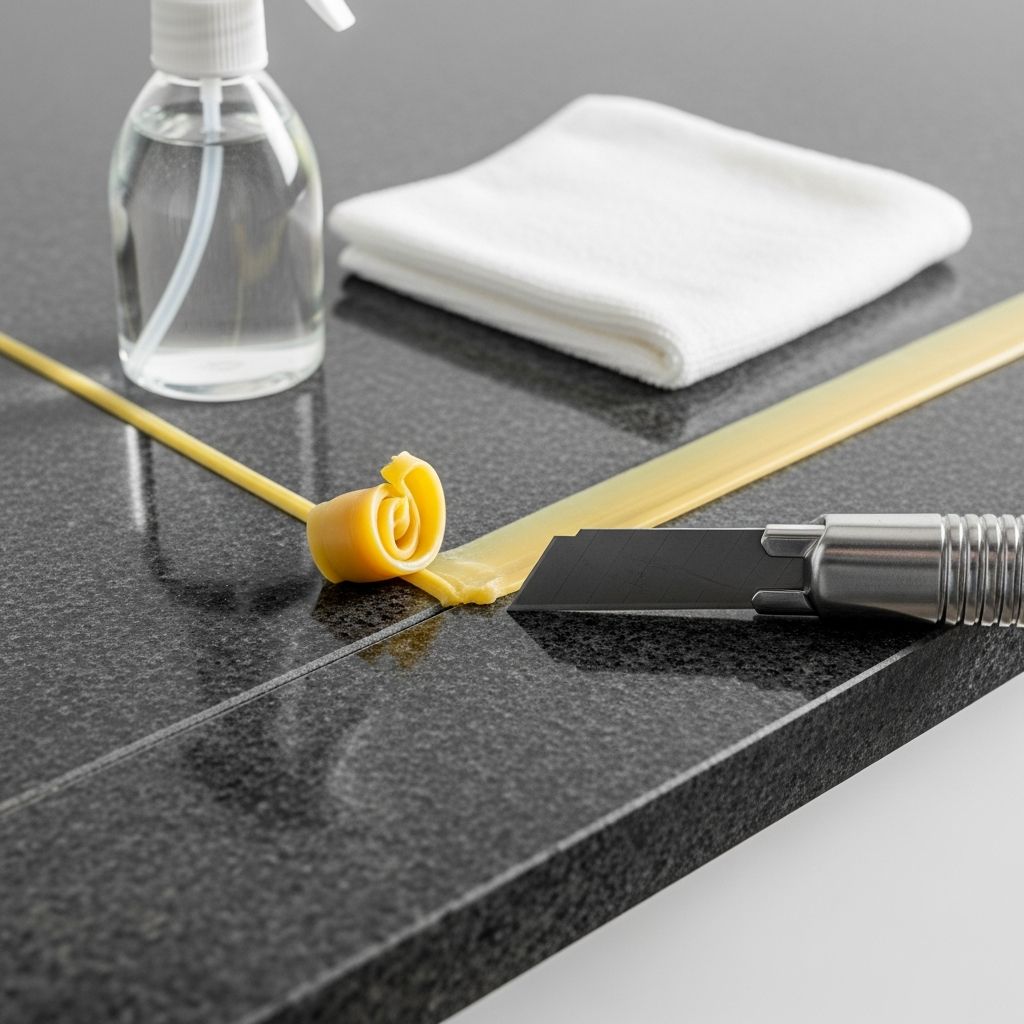
Silicone caulk is a durable sealant commonly applied around countertops to prevent water damage in kitchens and bathrooms. Over time, it can crack, discolor, or harbor mold, necessitating removal. This guide provides detailed, safe methods to strip away old silicone without harming delicate surfaces like granite, quartz, laminate, or tile backsplashes. By following these steps, homeowners can achieve a clean slate for fresh application, extending the life of their countertops.
Understanding Silicone Caulk and Why It Needs Removal
Silicone caulk forms a flexible, waterproof barrier ideal for joints between countertops and walls or sinks. Its polymer-based composition makes it resistant to moisture and temperature changes, but exposure to grime, mold, or physical wear leads to degradation. Cracked or peeling caulk compromises waterproofing, inviting leaks and structural issues. Regular inspection reveals signs like gaps, black spots from mold, or brittleness, signaling the need for replacement.
Before starting, assess your countertop material. Natural stone like granite requires gentle handling to avoid etching, while porcelain tile tolerates more abrasion. Always test methods on inconspicuous areas. Proper removal ensures new caulk adheres correctly, preventing future failures.
Essential Tools and Materials for the Job
Gathering the right supplies streamlines the process and minimizes risks. Focus on non-abrasive, precise tools to protect surfaces.
- Razor scraper or utility knife: For precise cutting and lifting without gouging.
- Hairdryer or heat gun: Low-heat option to soften silicone for easier removal.
- Plastic caulk removal tool: Safer alternative to metal blades on sensitive finishes.
- Cleaning gloves and respirator: Protection from dust, residue, and fumes.
- Bleach solution (3/4 cup Clorox per gallon water): For moldy caulk decontamination.
- Rubbing alcohol or mineral spirits: Residue solvents that evaporate quickly.
- Microfiber cloths, sponges, and bucket: For wiping and rinsing.
- Trash bowl or vacuum: To collect debris cleanly.
These items are household staples or available at hardware stores, keeping costs low for DIY projects.
Safe Mechanical Removal Techniques
Begin with dry methods to avoid chemicals on valuable surfaces. Mechanical approaches prioritize precision over force.
Step-by-Step Razor Blade Method
- Don gloves and position a drop cloth beneath the area.
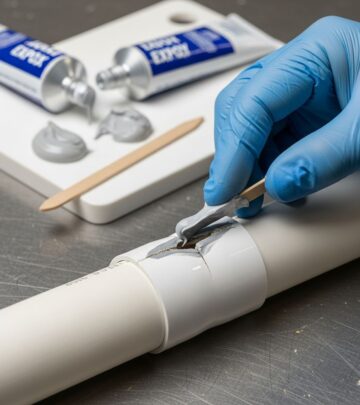
- Score along the silicone edges with a fresh razor blade at a 45-degree angle, slicing just deep enough to break the seal.
- Gently pry and lift strips, working in small sections to maintain control.
- Use the blade’s flat side to scrape remnants, keeping pressure light on polished surfaces.
This technique excels on flat countertops but requires steady hands to prevent scratches.
Heat-Assisted Softening
Heat makes silicone pliable without solvents. Direct a hairdryer on high for 30-40 seconds over 8-10 inches, maintaining 6-8 inches distance to avoid overheating. Immediately slice with a razor scraper. The softened material peels away cleanly, reducing effort by up to 70%. Caution: Skip on heat-sensitive plastics like acrylic tubs, as temperatures above 200°F can warp them.
For stubborn spots, combine with a plastic scraper. Videos demonstrate this yielding pristine results on tile-granite junctions.
Dealing with Mold and Residue
Mold thrives in damp caulk, posing health risks. After mechanical removal:
- Pre-wash with warm soapy water.
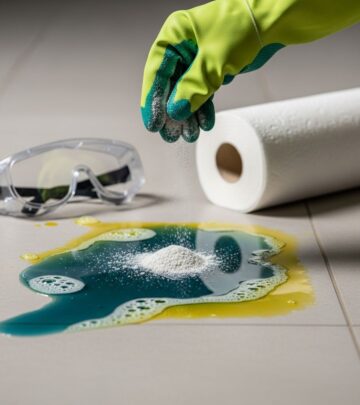
- Apply bleach solution (3/4 cup per gallon), letting it dwell 5 minutes to kill spores.
- Rinse thoroughly and air dry.
For oily residue, dab rubbing alcohol on a cloth and wipe gently. It dissolves silicone without residue, unlike harsher solvents. Test first—alcohol is safe for stone but may dull some laminates.
Surface-Specific Removal Strategies
Different countertops demand tailored approaches. The table below compares methods:
| Surface Type | Recommended Tools | Precautions | Effectiveness |
|---|---|---|---|
| Granite/Quartz | Plastic scraper, heat, alcohol | No metal blades; low heat only | High—preserves polish |
| Laminate | Razor blade, mild soap | Avoid solvents; light pressure | Medium—risk of delamination |
| Tile Backsplash | Caulk tool, bleach for mold | Grout lines need care | High—handles texture well |
| Marble | Heat + microfiber, no acids | Etching risk high | Medium—requires patience |
Adapt based on your setup for optimal results.
Cleaning and Preparing for New Caulk
A flawless base is crucial for adhesion. After removal:
- Vacuum loose particles.
- Wipe with soapy water, rinse, and dry completely.
- Degrease with rubbing alcohol; let evaporate 10-15 minutes.
- Tape edges for straight application lines.
Dry surfaces ensure the new silicone bonds permanently, lasting 10-20 years.
Applying Fresh Silicone: Best Practices
Choose 100% silicone for countertops—it’s mildew-resistant and flexible. Cut the nozzle at 45 degrees for a 1/4-inch bead. Apply steady pressure, tool smooth with a wet finger or tool within 5 minutes. Cure 24 hours before water exposure.
Common Mistakes and How to Avoid Them
- Overheating: Causes bubbling or surface damage—use timer.
- Skipping residue removal: Leads to poor adhesion—always degrease.
- Rushing cleanup: Mold returns—full bleach treatment essential.
- Wrong sealant: Acrylic fails in wet areas—stick to silicone.
Patience prevents callbacks.
Frequently Asked Questions (FAQs)
What if heat doesn’t fully soften the silicone?
Extend to 45-60 seconds in bursts or use a dedicated caulk softener tool. Persistence pays off without chemicals.
Is bleach safe on granite countertops?
Diluted yes, but rinse immediately to prevent etching. Neutralize with baking soda if concerned.
Can I reuse the same caulk tool for multiple jobs?
Yes, clean thoroughly with alcohol between uses to avoid cross-contamination.
How often should I replace countertop caulk?
Every 5-10 years, or sooner if cracks or mold appear.
What’s the best silicone for bathrooms?
Mildew-resistant bath/kitchen formula for high-humidity areas.
Advanced Tips for Professional Results
For tricky corners, employ a oscillating multi-tool with a caulk blade. Post-removal, a tack cloth removes microscopic dust. In rentals, document before/after photos protect deposits. Eco-conscious users prefer biodegradable solvents like citrus-based cleaners over petroleum distillates.
Scaling up? For long seams, work top-to-bottom to contain debris. In commercial settings, ventilation fans disperse fumes during bleach steps.
Mastering silicone removal empowers homeowners to maintain aesthetics and functionality. With these techniques, countertops stay pristine, safeguarding investments.
References
- Easily Remove Silicone Caulk without Chemicals — Home Repair Tutor. 2013-02-28. https://homerepairtutor.com/easily-remove-silicone-caulk/
- How to Easily Remove Silicone Caulk Without Using Chemicals — Home Repair Tutor (YouTube). 2013-02-28. https://www.youtube.com/watch?v=Ry8E-BQxW14
- How to Remove and Replace Mouldy Silicone Easily — YouTube. N/A. https://www.youtube.com/watch?v=rwXf6KgBxA4
- How to Remove Old Caulking from Kitchen, Bathroom, and More — YouTube. N/A. https://www.youtube.com/watch?v=LB26GYVQ2lw
Similar Articles


Read full bio of medha deb