Remove Sliding Shower Doors: Complete Guide
Master the step-by-step process to safely dismantle old sliding shower doors and prepare your bathroom for a modern upgrade.
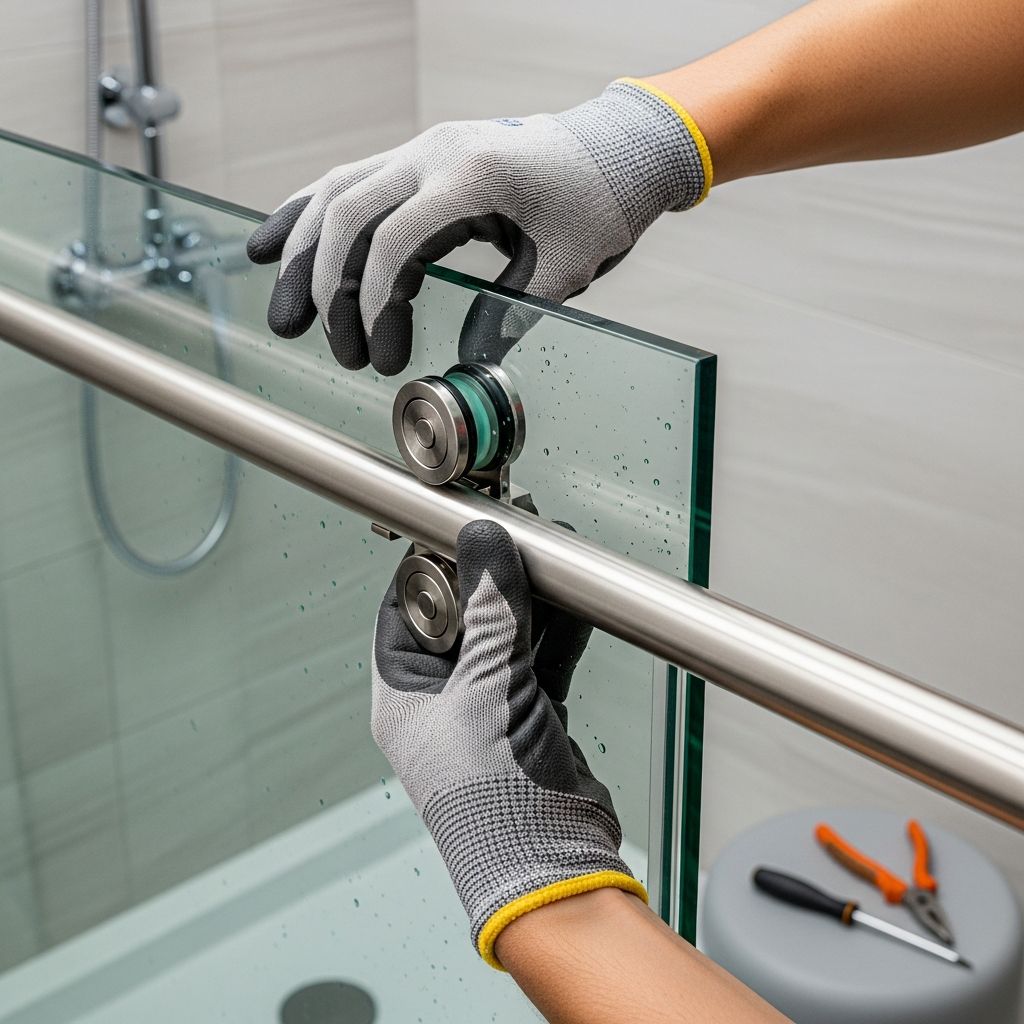
Sliding shower doors, common in many bathrooms, often become outdated or hard to maintain over time. Removing them opens up space for modern alternatives like curtains or frameless enclosures. This comprehensive guide walks you through the entire process, emphasizing safety, required tools, and preparation for reinstallation or upgrades.
Why Consider Removing Sliding Shower Doors?
These doors accumulate grime in tracks and frames, making cleaning challenging. They can also obstruct light and make the bathroom feel cramped. Homeowners frequently replace them during remodels to achieve a cleaner, brighter look. Proper removal prevents damage to tiles, tubs, or surrounding surfaces, saving costly repairs.
Safety Precautions Before Starting
Handling tempered glass panels demands caution due to their fragility, especially at corners where uneven pressure can cause shattering. Always wear protective gloves and safety glasses. Work with a partner if possible, as panels weigh 40-60 pounds each. Clear the area of obstacles and lay down drop cloths to protect floors from debris or scratches.
- Inspect panels for cracks before lifting.
- Avoid dragging glass; lift straight up.
- Secure workspace to prevent slips on wet floors.
Essential Tools and Materials
Gather these items to ensure smooth disassembly. Most are basic household tools, available at hardware stores.
| Tool/Material | Purpose |
|---|---|
| Utility knife or razor blade | Cut caulk seals without scratching surfaces |
| Phillips and flathead screwdrivers | Remove screws from frames and guides |
| Cordless drill with bits (1/8”, 7/64”, 3/16”) | Speed up screw removal; optional for precision drilling |
| Putty knife or multi-tool | Pry off frames and scrape residue |
| Needle-nose pliers | Grip small rollers or stubborn screws |
| Denatured alcohol and rags | Clean adhesive remnants |
| Drop cloths and gloves | Protect floors and hands |
Preparation Steps
Begin by thoroughly drying the shower area to avoid slips. Remove any personal items and tape off adjacent walls or fixtures with painter’s tape. Examine the door assembly: note the top header, side jambs, bottom track, and center guide. Sliding panels typically have rollers that engage tracks at top and bottom.
Step-by-Step Removal Process
Step 1: Dismantle the Center Guide
Position both glass panels in the center to expose the guide rail between them. Use a Phillips screwdriver to loosen and remove screws securing the guide to the tub ledge or wall. Gently pry the guide free, avoiding force that could bend metal.
Step 2: Extract the Glass Panels
Start with the outer panel for easier access. Tilt it slightly inward at the top, then lift straight up to disengage rollers from the top track. Once free, angle the bottom outward and lower it carefully from the bottom track. Set the panel aside on a padded surface, leaning it securely against a wall. Repeat for the inner panel, which will now have more clearance.
Tempered glass requires even pressure; mishandling risks breakage at edges.
Step 3: Unscrew Jambs and Bumpers
With panels out, access becomes straightforward. Locate screws along wall jambs—typically 2-3 per side—and remove them. Check for bumper stops at panel ends; unscrew or pop them off. Use pliers for any seized fasteners.
Step 4: Detach the Header and Side Jambs
The top header spans the shower opening. Score caulk along its edges with a utility knife, starting at the top corners. Insert a flathead screwdriver or putty knife to gently pry one end loose, then the other. Lift the header out. For side jambs, cut caulk vertically from top to bottom, then pull them away from tiles. Angle tools flat to prevent gouges.
Step 5: Remove the Bottom Track
The track adheres to the tub ledge with caulk. Slice sealant at a 90-degree angle to the surface. Pry upward carefully with a putty knife. If stuck, apply gentle rocking motion. Dispose of metal pieces responsibly, as they may be recyclable.
Cleaning Up After Removal
Residue from old caulk and silicone remains the trickiest part. Scrape excess with a putty knife using light pressure. For stubborn spots, apply denatured alcohol to a rag and wipe thoroughly—it dissolves adhesives without harming porcelain or tile. Rinse with water and dry completely. Inspect surfaces for damage; minor scratches can be buffed with a tile polish.
- Avoid harsh chemicals on acrylic tubs.
- Re-caulk joints post-cleanup for new installations.
Common Challenges and Solutions
DIYers often encounter rusted screws or thick caulk buildup. Soak rusty fasteners in penetrating oil overnight. For oversized headers, cut caulk in sections rather than one long slice. If panels stick in tracks, wiggle gently while lifting—never force.
| Challenge | Solution |
|---|---|
| Rusted or stripped screws | Use pliers or drill-out bits |
| Heavy, awkward panels | Enlist a helper; use suction cups for grip |
| Caulk won’t budge | Heat with hairdryer to soften, then scrape |
| Scratched surfaces | Polish with baking soda paste |
What to Do Next: Upgrade Options
Post-removal, a shower curtain rod offers a quick, affordable fix. For elegance, install frameless glass panels or pivot doors. Measure precisely—standard tub widths are 60 inches. Neo-angle enclosures suit corner setups. Budget $200-800 for new doors, plus professional install if needed.
Cost Breakdown for DIY Removal
| Item | Estimated Cost |
|---|---|
| Tools (if buying) | $50-100 |
| Cleaning supplies | $10-20 |
| Disposal fees (if applicable) | $20-50 |
| Total | $80-170 |
Frequently Asked Questions (FAQs)
Can one person remove sliding shower doors?
Yes, but two people reduce risk, especially for lifting heavy glass. Solo removal works if panels are light.
How long does removal take?
Typically 1-2 hours for experienced DIYers; add time for cleanup.
Will removal damage my tub or tiles?
Not if using proper techniques—flat blades prevent scratches.
Are old doors recyclable?
Metal frames yes; glass often requires special handling—check local facilities.
What’s the best replacement for sliding doors?
Frameless glass for luxury; curtains for budget-friendly updates.
Tips for Success from Pros
Document the setup with photos before starting for reference. Test tools on scrap areas. If installing new doors, bevel tub edges for better sealing. Regular maintenance prevents future buildup.
References
- Tips on How to Safely Remove a Sliding Glass Shower Door — Basco Shower Door. 2023. https://bascoshowerdoor.com/inspiration/blog/tips-on-how-to-safely-remove-a-sliding-glass-shower-door
- Removing your Sliding Glass Shower doors — Delineate Your Dwelling. 2022-10-15. https://www.delineateyourdwelling.com/removing-your-sliding-glass-shower-doors/
- How to Remove Glass Shower Sliding Doors — YouTube (Video Transcript). 2021. https://www.youtube.com/watch?v=zqvAk5ED2nU
- Tips on How to Safely Remove a Sliding Glass Shower Door — YouTube (Basco, Video Transcript). 2023. https://www.youtube.com/watch?v=ibK9E5RqQ4c
- How to Remove Shower Doors and Frame — YouTube (Video Transcript). 2020. https://www.youtube.com/watch?v=aVIPR0IMHvM
Similar Articles


Read full bio of medha deb