Eliminate Tree Stumps With Epsom Salt: 7 Easy Steps
Discover a simple, natural approach to stump removal using everyday Epsom salt for effortless yard cleanup.
Eliminate Tree Stumps with Epsom Salt
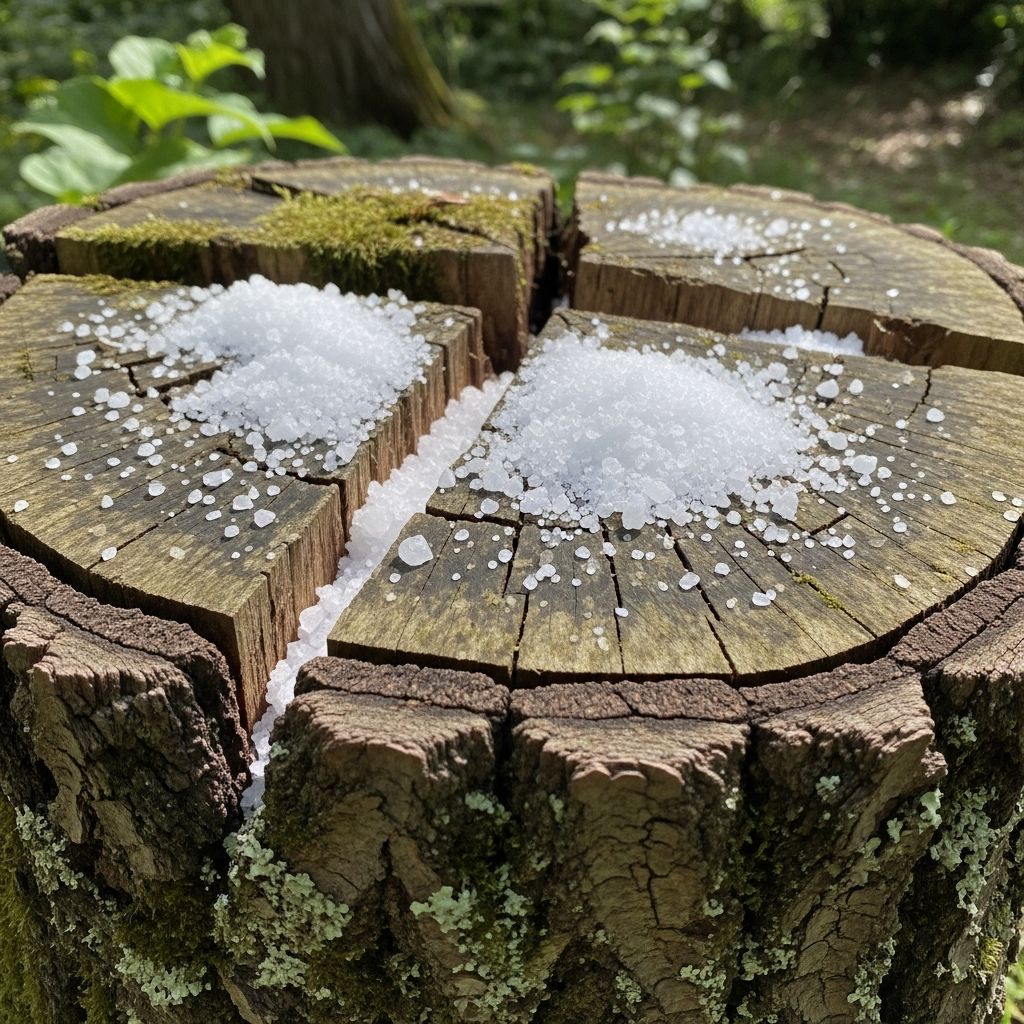
Tree stumps left after cutting down unwanted trees can become persistent eyesores in your yard, posing tripping hazards and hindering landscaping plans. One of the most accessible and environmentally considerate solutions involves using Epsom salt, a common household item known scientifically as magnesium sulfate. This method works by drawing moisture out of the stump, effectively killing it and accelerating natural decomposition through fungal activity. Unlike mechanical grinding or harsh chemical treatments, this approach requires minimal tools and effort, making it ideal for homeowners seeking a hands-off process.
Why Choose Epsom Salt for Stump Disposal?
Epsom salt stands out for its affordability and safety profile. Available at most stores for a few dollars per bag, it dehydrates the stump’s tissues without introducing toxic substances that could leach into the soil and harm nearby plants or groundwater. The process typically takes 4-8 weeks, depending on stump size, wood type, and weather conditions, allowing microbes and fungi to break down the softened wood. This natural rotting mimics decomposition that occurs in forests but speeds it up significantly.
- Cost-effective: Under $10 for materials.
- Non-toxic to humans and pets: When used as directed.
- Minimal equipment needed: Just a drill and salt.
- Environmentally friendly: Avoids heavy machinery emissions.
Gathering Your Supplies
Before starting, assemble these essentials to ensure smooth execution:
| Item | Purpose | Notes |
|---|---|---|
| Power drill with 1-inch spade bit | Create deep holes for salt penetration | Extension cord if working far from outlets |
| Epsom salt (4-10 lb bag) | Dehydrating agent | Food-grade or garden variety works |
| Tarp or black plastic sheet | Cover to retain moisture and heat | Heavy-duty to withstand weather |
| Gardening gloves and safety goggles | Protection from dust and splinters | Essential for safe drilling |
| Watering can or hose | Activate salt without runoff | Use sparingly |
These items are readily available at hardware stores or online, keeping your project budget-friendly.
Detailed Step-by-Step Process
Follow these instructions precisely for optimal results. Patience is key, as rushing can lead to incomplete decomposition.
- Cut the stump low: Use a chainsaw or reciprocating saw to level the stump as close to the ground as possible, ideally 2-4 inches high. This maximizes surface area for treatment.
- Drill access holes: Select a dry day. Using your drill, bore 8-12 inch deep holes across the top surface, spacing them 2-3 inches apart. Include holes around the stump’s perimeter and base for thorough coverage. Aim for 20-30 holes on a medium-sized stump to enhance salt absorption.
- Fill with Epsom salt: Generously pack each hole with salt until full, then sprinkle extra around the base. A 4 lb bag suffices for stumps up to 12 inches in diameter; scale up for larger ones.
- Add minimal water: Lightly moisten the salt with a watering can—just enough to dissolve it without causing runoff that could affect surrounding soil. This activates the dehydrating process.
- Cover securely: Drape a tarp over the stump and secure with rocks or stakes. This traps heat, prevents rain dilution, and blocks sunlight, promoting rot.
- Monitor and maintain: Check weekly: Reapply salt if holes empty, re-wet lightly, and recover. Expect sprouting to cease in 2-4 weeks, with softening in 1-2 months.
- Remove remnants: Once spongy (test with a shovel), dig out or chop the decayed wood. Fill the hole with soil for replanting.
Factors Affecting Decomposition Speed
Several variables influence how quickly your stump vanishes:
- Stump size and species: Softwoods like pine rot faster than hardwoods like oak.
- Climate: Warm, humid conditions accelerate microbial action; cover in dry or cold weather.
- Hole depth and quantity: More and deeper holes equal faster results.
- Salt saturation: Consistent application prevents regrowth.
For stubborn stumps, combine with nitrogen fertilizer in holes to boost fungi.
Safety Precautions and Environmental Considerations
While safe, handle Epsom salt mindfully. Avoid contact with desirable plants, as high concentrations can dehydrate roots—apply a barrier of mulch if needed. Wear protective gear during drilling to avoid wood dust inhalation. Keep pets and children away until covered. This method is preferable to commercial removers like potassium nitrate, which may contaminate soil longer-term. Dispose of remnants in compost if untreated wood, or yard waste.
Alternative Natural Removal Techniques
If Epsom salt isn’t ideal, consider these options:
- Rock salt: Similar dehydration process; fill holes, cover with mulch, and water periodically.
- Boiling water: Pour into holes repeatedly to break down fibers chemically free.
- Compost acceleration: Mix compost or manure in holes to introduce decomposers, then keep moist.
- Manual grinding: Rent a stump grinder for immediate results on larger stumps.
| Method | Timeframe | Cost | Effort Level |
|---|---|---|---|
| Epsom Salt | 4-8 weeks | Low | Low |
| Rock Salt | 6-10 weeks | Low | Low |
| Boiling Water | 2-4 weeks | Medium | Medium |
| Grinding | 1 day | High | High |
Common Challenges and Solutions
Encounter issues? Here’s troubleshooting:
- Stump resprouting: Re-drill and reapply salt immediately.
- Slow progress: Expose to sun briefly, then cover; add fungal inoculants.
- Soil contamination fears: Dilute area with water post-removal; plant nitrogen-fixers like clover.
- Winter application: Insulate cover with straw for continued slow rot.
Post-Removal Yard Enhancement
After stump gone, revitalize the spot:
- Fill with topsoil and compost.
- Plant grass seed or flowers.
- Install edging to prevent future invasions.
This transforms hazards into beauty, boosting curb appeal.
Frequently Asked Questions
Will Epsom salt harm my garden soil?
When contained to the stump and followed by thorough watering, impact is minimal. Monitor nearby plants.
How much salt per stump size?
1-2 lbs for small (under 6″), 4-5 lbs for medium (6-12″), more for larger.
Can I use this on fresh-cut stumps?
Yes, but wait 1-2 weeks post-cut to avoid sap interference.
Is it legal everywhere?
Generally yes for residential use; check local regs for large-scale.
What if the stump is near utilities?
Opt for professional grinding to avoid root damage.
References
- How to Rot a Stump: The Easiest Way to Remove a Stump Naturally — Hometown Tree Experts. 2023. https://hometowntreeexperts.com/how-to-rot-a-stump-the-easiest-way-to-remove-a-stump-naturally/
- How Do You Kill Tree Stumps — A Plus Tree. 2024. https://aplustree.com/how-to-kill-a-tree-stump/
- Possibly The Easiest Way To Remove A Tree Stump! Using Epsom Salt!! Part 1 — YouTube (Video Transcript). 2022. https://www.youtube.com/watch?v=jO-XClLxx4s
- How To Remove A Tree Stump. Quickest and Easiest Method! — YouTube (Video Transcript). 2023. https://www.youtube.com/watch?v=lLPlS_zS97c
- Natural stump removal — Permies Forum. 2008 (updated discussion). https://permies.com/t/10388/woodland/Natural-stump-removal
Similar Articles





Read full bio of Sneha Tete