How to Remove Water Stains from Car Seats
Expert guide to eliminating water stains from car seats with proven methods and preventive tips.
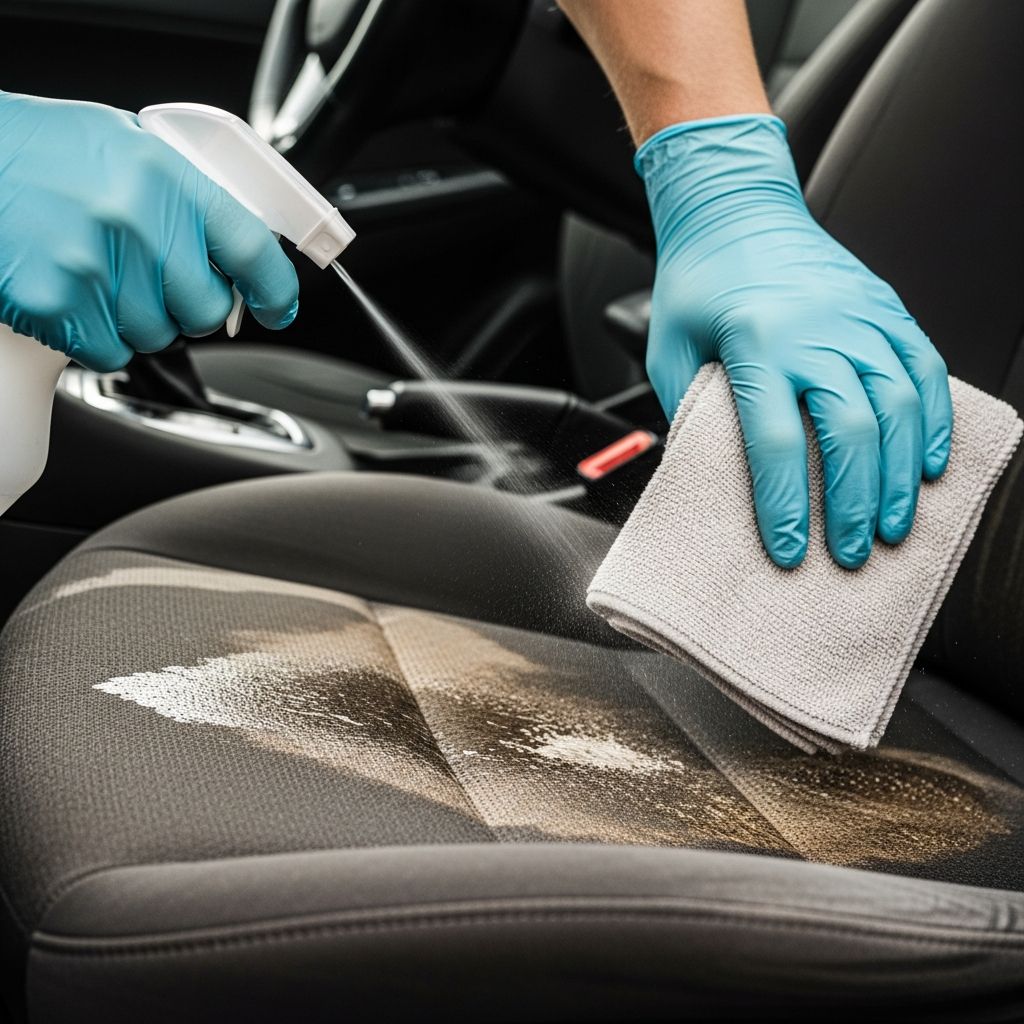
Water stains on car seats are a common problem that many vehicle owners face, whether from spilled drinks, weather exposure, or accidental moisture. These unsightly marks can diminish your car’s interior appearance and, if left untreated, may lead to mold or mildew growth. Fortunately, with the right approach and tools, you can effectively remove water stains and restore your car seats to their original condition. This comprehensive guide will walk you through various methods, preventive measures, and professional solutions to tackle this common automotive problem.
Understanding Water Stains on Car Seats
Water stains form when mineral-rich water evaporates on fabric or leather surfaces, leaving behind deposits and discoloration. These stains are particularly problematic in car interiors because they can be stubborn and may worsen over time if not properly addressed. Understanding the nature of water stains helps you choose the most effective removal method for your specific situation.
The severity of water stains depends on several factors, including the type of water (tap water contains more minerals than distilled water), the car seat material (fabric versus leather), and how long the stain has been present. Fresh stains are generally easier to remove than set-in stains that have had time to bond with the seat material.
Quick Assessment: Identifying Your Car Seat Material
Before attempting any cleaning method, it’s crucial to identify your car seat material, as different materials require different approaches:
- Fabric seats: Most vulnerable to water staining and typically respond well to moisture-based cleaning methods
- Leather seats: Require gentle handling to avoid damage and may need specialized leather cleaners
- Microfiber seats: Need careful treatment to prevent permanent marking or discoloration
- Synthetic materials: Often more forgiving and respond well to standard cleaning solutions
DIY Methods for Removing Water Stains
Method 1: Distilled Water Solution
One of the simplest and most effective solutions for removing water stains is to use distilled water itself. Since water stains are caused by mineral deposits, using distilled water—which contains no minerals—can help dissolve and lift the stains from the seat fabric.
Steps:
- Pour distilled water into a spray bottle
- Lightly mist the stained area without soaking it
- Gently blot with a clean, white cloth using circular motions
- Allow to air dry completely
- Repeat if necessary for stubborn stains
Method 2: White Vinegar and Water
White vinegar is a natural cleaning agent that effectively breaks down mineral deposits responsible for water stains. The acidity of vinegar helps dissolve stains while being gentle on most car seat materials.
Steps:
- Mix equal parts white vinegar and distilled water in a spray bottle
- Test the solution on an inconspicuous area first
- Spray the solution directly on the stained area
- Let it sit for 5-10 minutes to allow the vinegar to break down the mineral deposits
- Blot thoroughly with clean cloths
- Spray with plain distilled water to rinse
- Blot again and allow to air dry
Method 3: Baking Soda and Vinegar Paste
For more stubborn stains, combining baking soda with vinegar creates a powerful cleaning paste that can penetrate deeper into fabric fibers.
Steps:
- Mix baking soda and white vinegar to form a paste (approximately 3 parts baking soda to 1 part vinegar)
- Apply the paste directly to the stained area
- Allow to sit for 15-20 minutes
- Gently scrub with a soft brush or cloth
- Wipe away excess paste with a damp cloth
- Rinse with distilled water
- Allow to dry completely
Method 4: Rubbing Alcohol Solution
Rubbing alcohol evaporates quickly and helps lift water stains while reducing the risk of creating new moisture problems. This method is particularly effective for fresh stains.
Steps:
- Mix one part rubbing alcohol with one part distilled water
- Apply to the stained area with a spray bottle
- Blot immediately with a clean cloth
- Repeat until the stain fades
- Allow to air dry completely
Commercial Cleaning Products
If DIY methods don’t produce satisfactory results, several commercial products are specifically designed for removing water stains from car interiors. These products are formulated to target mineral deposits while being safe for various seat materials.
Fabric-Specific Cleaners
Specialized fabric cleaners designed for automotive use can effectively remove water stains from cloth seats. These products often contain surfactants that break down mineral deposits and lift stains from deep within fabric fibers. When using commercial cleaners, always follow the manufacturer’s instructions and test on a hidden area first.
Leather Seat Treatments
Leather seats require specialized care, as harsh chemicals can damage the material. Leather-specific water stain removers are pH-balanced and formulated to gently lift stains while conditioning the leather. These products help restore shine and protect against future staining.
All-Purpose Automotive Cleaners
Many all-purpose automotive interior cleaners can effectively address water stains on various seat materials. These versatile products work on fabric, leather, and synthetic materials, making them convenient for comprehensive interior cleaning.
Professional Cleaning Services
For severe staining, extensive damage, or when DIY methods have failed, professional auto detailing services offer comprehensive solutions. Professional detailers have access to industrial-strength cleaning equipment and specialized products that can tackle even the most stubborn water stains.
What to Expect
Professional detailing services typically include deep cleaning of car seats using specialized extraction equipment, which removes not only stains but also embedded dirt and bacteria. Professionals can assess the specific damage and recommend appropriate treatments for your seat material. They may also apply protective treatments to prevent future staining.
Cost Considerations
Professional cleaning costs vary based on the extent of staining, the size of the vehicle, and your location. However, investing in professional services can save you time and ensure optimal results, particularly for valuable vehicles or extensive damage.
Preventing Future Water Stains
Use Protective Coatings
Applying fabric protectants or leather conditioners creates a barrier that helps repel water and resist staining. These products should be applied regularly to maintain protection. Protective coatings not only help prevent water stains but also protect against dirt, dust, and UV damage.
Maintain Proper Vehicle Ventilation
Adequate air circulation inside your vehicle helps moisture evaporate quickly, reducing the time water sits on seat surfaces. Use your car’s air conditioning or ventilation system, especially after wet weather or when spills occur. This prevents moisture from accumulating and creating an environment conducive to staining and mold growth.
Address Spills Immediately
Quick action is crucial when spills occur. The longer liquid sits on seat fabric, the more likely it will create stains. Keep towels or absorbent cloths in your vehicle and immediately blot any spills. This simple habit can prevent many water stains from forming in the first place.
Use Seat Covers
Removable seat covers provide an extra layer of protection against water stains, spills, and general wear. They’re particularly useful if you frequently transport wet items or children who may cause spills. Seat covers are available in various materials and styles to match your vehicle’s interior.
Regular Maintenance
Vacuuming your car seats regularly removes dust and debris that can trap moisture. Periodically inspect seats for stains and address them promptly before they set. Regular conditioning of leather seats maintains their water-resistant properties.
Special Considerations for Different Seat Materials
Fabric Seats
Fabric seats are most susceptible to water staining but generally respond well to cleaning treatments. Avoid over-saturating fabric, as excessive moisture can lead to mold and mildew. Always allow fabric seats to dry completely after cleaning.
Leather Seats
Leather is more resistant to water stains but can be damaged by harsh chemicals. Always use pH-balanced leather cleaners and follow up with conditioning treatments. Never use vinegar or abrasive materials on leather, as these can cause discoloration or surface damage.
Microsuede and Microfiber
These materials can be permanently marked by water if not treated properly. Use minimal moisture when cleaning these materials, and always blot rather than rub. Consider professional cleaning for valuable vehicles with these seat materials.
When to Seek Professional Help
You should consider professional cleaning if:
- Water stains cover a large area of your seats
- DIY methods have failed to remove the stain after multiple attempts
- You notice signs of mold or mildew growth
- Your vehicle has premium leather or specialized seat materials
- The staining is accompanied by unpleasant odors
- You’re concerned about potential damage from incorrect cleaning methods
Frequently Asked Questions
Q: Are water stains permanent on car seats?
A: No, water stains are typically not permanent. With proper cleaning methods and persistence, most water stains can be effectively removed. However, very old or deeply set stains may be more challenging to eliminate completely.
Q: Can I use a hairdryer to speed up drying after cleaning?
A: While it may seem convenient, using a hairdryer can potentially set stains further into the fabric if used before the stain is completely removed. It’s better to allow natural air drying. After successful stain removal, you may use low heat to speed drying, but ensure the stain is fully gone first.
Q: What’s the difference between water stains and salt stains?
A: Water stains are caused by mineral deposits left behind by evaporating water, while salt stains result from road salt or salt-containing substances. Salt stains may require additional treatment with salt-specific removers or professional cleaning services.
Q: Is it safe to use bleach on car seats?
A: No, bleach is not recommended for car seats as it can cause discoloration, damage fabric fibers, and create harmful fumes in your vehicle. Stick to mild, pH-balanced cleaners or natural solutions like vinegar and baking soda.
Q: How often should I apply protective coatings to my car seats?
A: The frequency depends on the specific product used, but most manufacturers recommend reapplication every 3-6 months or as directed on the product label. Regular application maintains optimal protection against water stains and other damage.
Q: Can water stains cause permanent damage to my car seats?
A: While water stains themselves are usually removable, prolonged exposure to moisture can lead to mold and mildew growth, which can cause permanent damage. This is why prompt treatment and proper drying are important preventive measures.
References
- Car Interior Cleaning Best Practices — U.S. Environmental Protection Agency. 2024. https://www.epa.gov/indoor-air-quality/guide-air-quality-your-home
- Textile and Fabric Care Standards — American Cleaning Institute. 2024. https://www.cleaninginstitute.org/
- Leather Care and Maintenance Guide — Leather Industries of America. 2023. https://leatherusa.org/
- Mold and Mildew Prevention in Vehicles — Centers for Disease Control and Prevention. 2024. https://www.cdc.gov/mold/
- Automotive Interior Materials and Care — Society of Automotive Engineers. 2023. https://www.sae.org/
Similar Articles








Read full bio of Sneha Tete